The Islands Powering Themselves with Wind and Sun
From El Hierro’s wind-pumped-hydro system to solar-and-battery microgrids on remote islands, renewables work best when they are designed around local geography, storage and maintenance.
Klára Novák ·
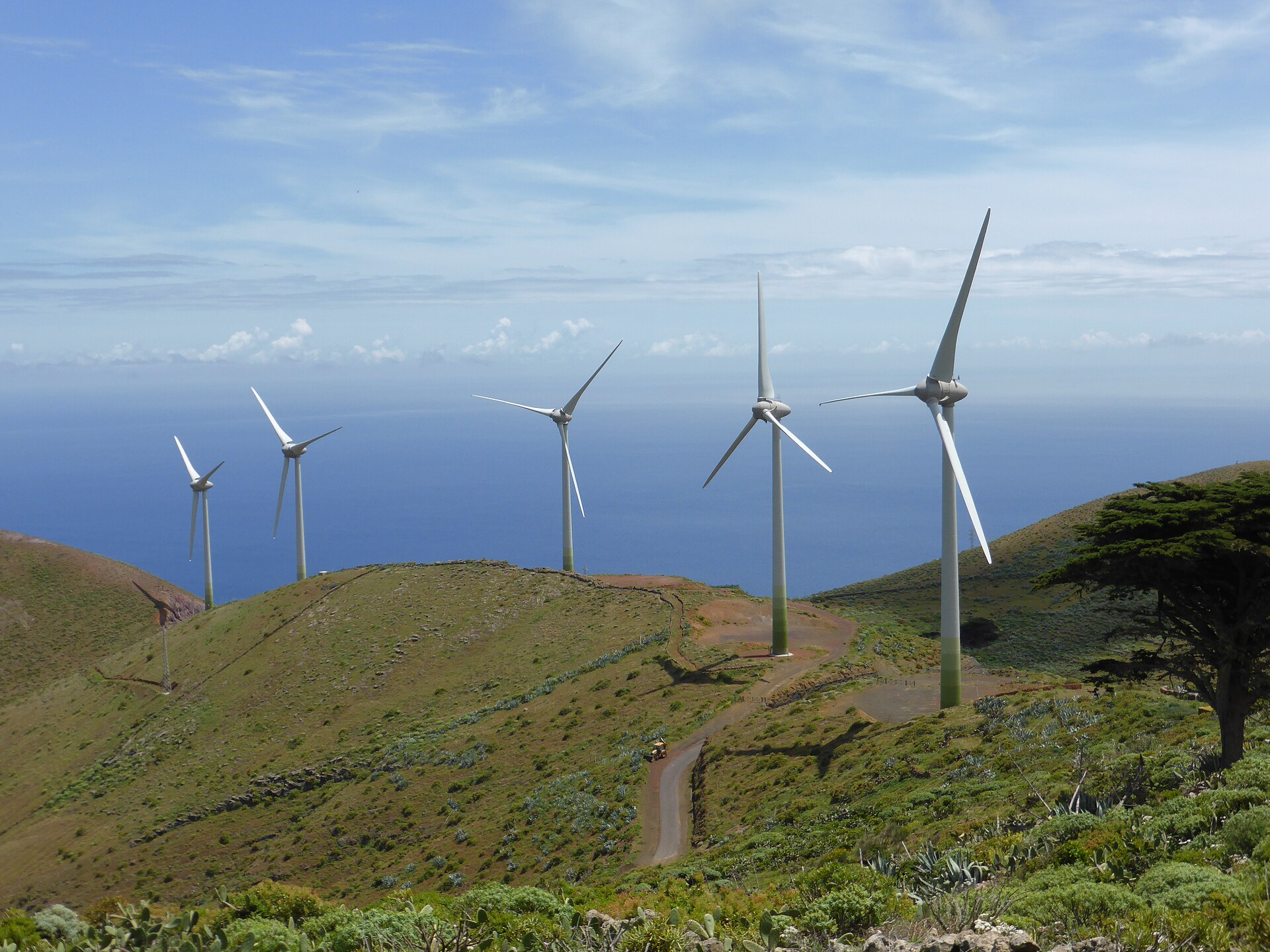
Islands are natural laboratories for clean power because their energy problems are unusually visible. Many small islands have long relied on diesel shipped across the sea: expensive fuel, exposed supply chains, noisy generators, local air pollution and carbon emissions all packed into one dependency. Wind and sun do not remove every difficulty, but on islands from El Hierro to Ta‘ū they show how geography can become part of the solution.
The basic mechanism is a microgrid. Instead of assuming that a huge mainland network will smooth out every fluctuation, an island system must balance generation, storage and demand locally. Solar panels produce strongly at midday and not at night. Wind turbines may run hard during a trade-wind spell and then slow. Batteries, pumped water, forecasting software, backup generators and everyday decisions about when to use power all become parts of the same machine.
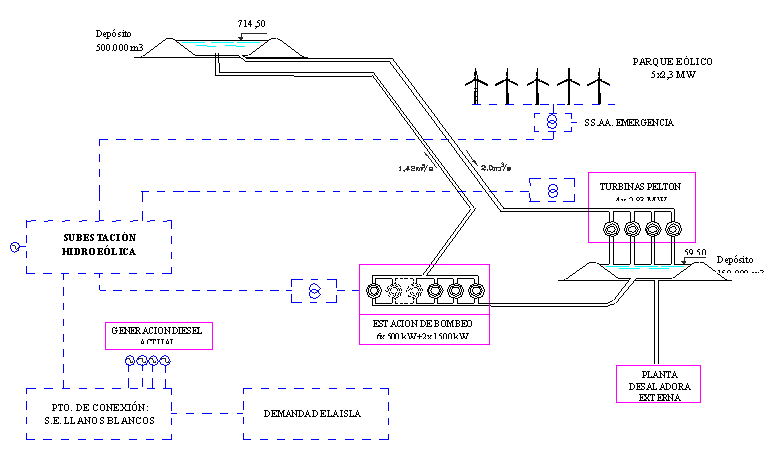
El Hierro in the Canary Islands is one of the best-known examples because its Gorona del Viento project couples wind turbines with pumped hydro storage. When the wind produces more electricity than the island needs, pumps move water to an upper reservoir. When wind drops, water can flow downhill through turbines to generate electricity. The island still needs backup and careful operation, but the design reduces imported diesel and turns steep volcanic topography into an energy asset.
Ta‘ū in American Samoa illustrates a different path. There, a solar-and-battery system was built to cut dependence on diesel shipments to a remote island community. Its lesson is not that every island should copy the same hardware. It is that storage, maintenance capacity and local operating knowledge matter as much as panels. A renewable microgrid fails if spare parts, trained technicians and realistic backup plans are treated as afterthoughts.
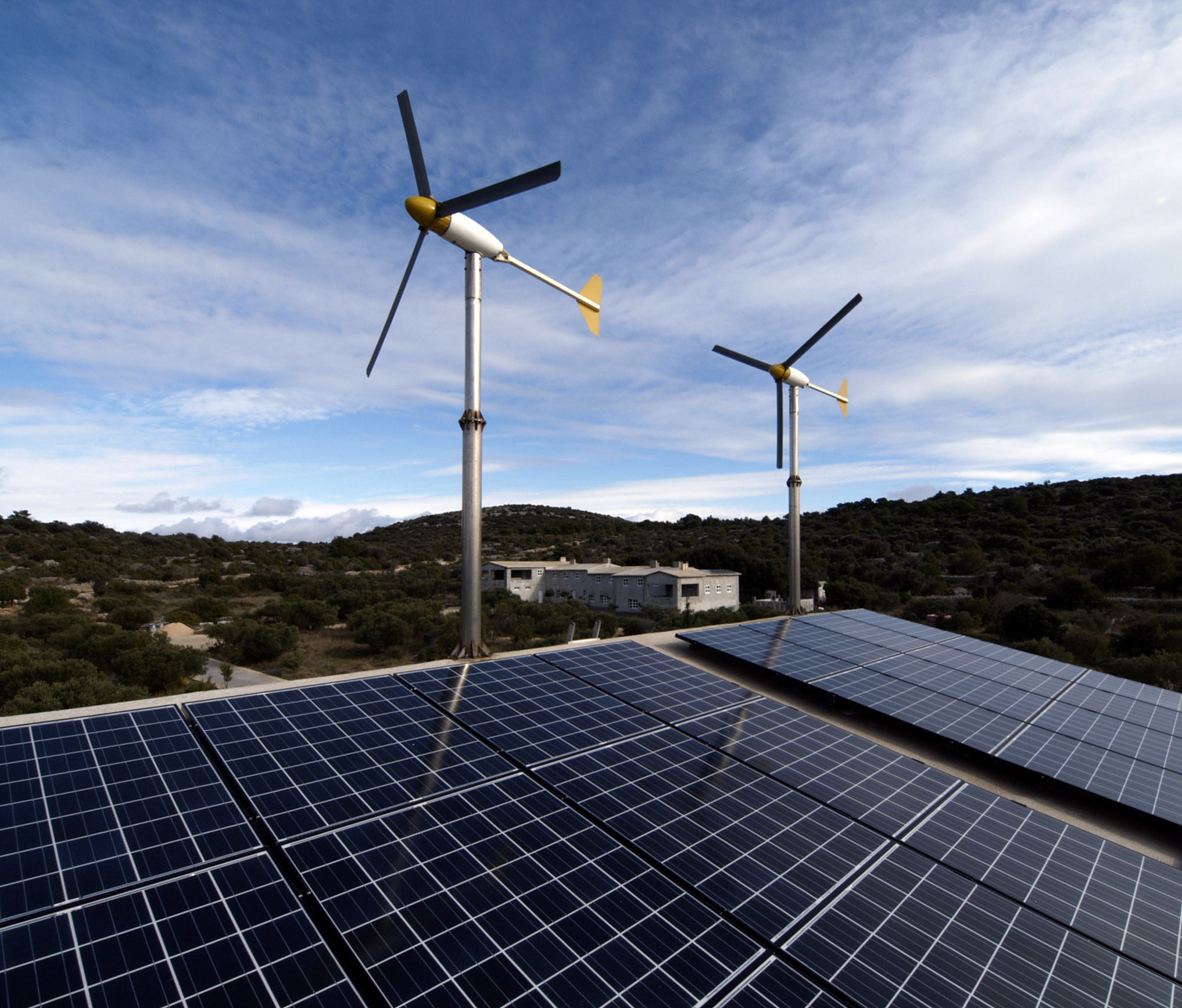
Other islands add their own versions. Samsø in Denmark became famous for community ownership and district heating as well as wind. Smaller Mediterranean and Adriatic installations often combine modest turbines, solar panels and batteries for houses, farms or telecom equipment. The technology changes with scale, but the geography is consistent: limited land, strong exposure to weather, high fuel transport costs and a community that can see the consequences of energy choices quickly.
The limits are important. Renewable islands are not magic islands. Storms can damage equipment, salt air corrodes metal, batteries age, reservoirs need water and land for solar or wind can compete with conservation, farming or views. High renewable shares also require grid controls that can keep frequency and voltage stable when clouds pass or wind shifts. Diesel may remain as emergency insurance, especially where hospitals, water pumps and communications must never fail.
For readers, these islands make the energy transition concrete. The question is not only how many turbines or panels can be installed, but how a place designs reliability around its own weather, slopes, skills and costs. The hopeful lesson is practical: when geography is understood rather than ignored, isolation can become a reason to innovate, not a sentence to depend forever on imported fuel.
The strongest projects therefore begin with listening as well as engineering: how often fuel ships arrive, which loads are critical, where storms hit hardest and who will own the system after the launch ceremony.