Jan Antonín Baťa: the builder who took Baťa beyond Zlín
Jan Antonín Baťa inherited more than a shoe company: he expanded a system of factories, towns and transport before war and exile made his legacy contested.
Emma Rybar ·
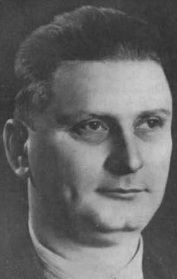
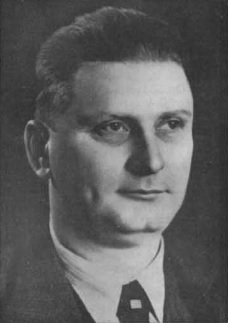
Jan Antonín Baťa entered history in the shadow of a dramatic accident. On 12 July 1932, Tomáš Baťa died in a plane crash near Otrokovice, and leadership of one of Czechoslovakia’s most unusual companies passed to his half-brother. The inheritance was not simply a shoe factory in Zlín. It was a tightly organized system of workshops, wages, training, housing, shops and export routes. Jan Antonín’s task was to keep that machine moving while making it larger than its Moravian birthplace.
The Baťa method had already joined mass production with social planning. Zlín’s brick factory buildings, garden-city housing and company schools were designed to reduce friction between work, learning and daily life. Jan Antonín pushed the model outward during the 1930s. The concern expanded production, retail and satellite towns, and Baťa names appeared far beyond Czechoslovakia, from Europe to India and Brazil. The point was not only to sell shoes abroad; it was to reproduce an operating system.
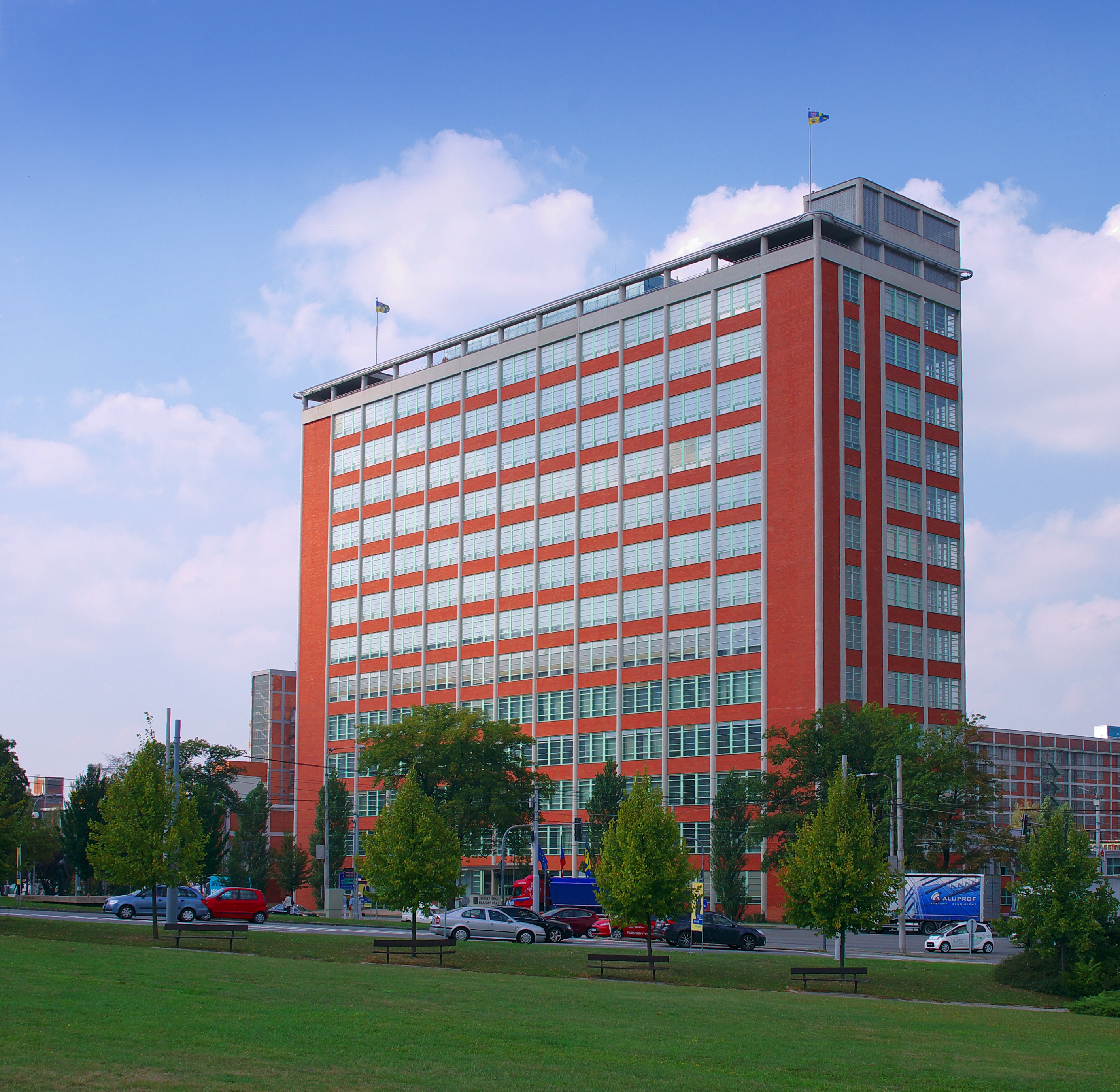
That ambition explains why his story belongs to history rather than business trivia. Baťa towns tried to make industrial growth visible in streets, schools and transport links. In Zlín, the administrative skyscraper completed in the late 1930s symbolized managerial speed and technical confidence; its famous lift office became a shorthand for a company that wanted decisions to move as efficiently as goods. The same logic stood behind plans for canals, rail connections and self-contained settlements near factories.
War broke the system. After the Munich crisis, occupation and the Second World War, Baťa’s international structure was pulled between Nazi-controlled Europe, Allied jurisdictions, nationalization and family conflict. Jan Antonín left Czechoslovakia and eventually lived in Brazil, where Baťa-related development included new settlements and industrial projects. In postwar Czechoslovakia he was condemned in absentia for alleged collaboration, while supporters argued that he had helped employees and the state under impossible pressure. Czech courts later revisited parts of the case, and his reputation remains tied to archives as much as to memory.
The limits are essential. Jan Antonín Baťa should not be turned into a flawless visionary, and the company town was never a neutral paradise. Paternalism, discipline and dependence on one employer were built into the system. Workers gained housing, training and social mobility, but they also lived inside a corporate order that measured time closely and expected loyalty. The same efficiency that made Zlín admired also raises questions about who controlled the rhythm of everyday life.
What survives most clearly is a way of thinking in connections. Shoes required leather, machines, roads, shops, schools, accountants, designers and families willing to move. Jan Antonín Baťa enlarged that chain until it became a map of the twentieth century: industrial optimism, global expansion, authoritarian danger, exile and contested justice. His life is useful now because it shows both sides of system-building. A system can give people tools and towns; it can also bind their choices to institutions powerful enough to outlive its founder.