Kampot: pepper, river light and old arcades on Cambodia’s southern coast
Kampot’s appeal comes from more than faded façades: the Praek Tuek Chhu River, protected pepper, colonial-era shopfronts and nearby coast explain why this Cambodian town rewards slow travel.
Mira Vale ·
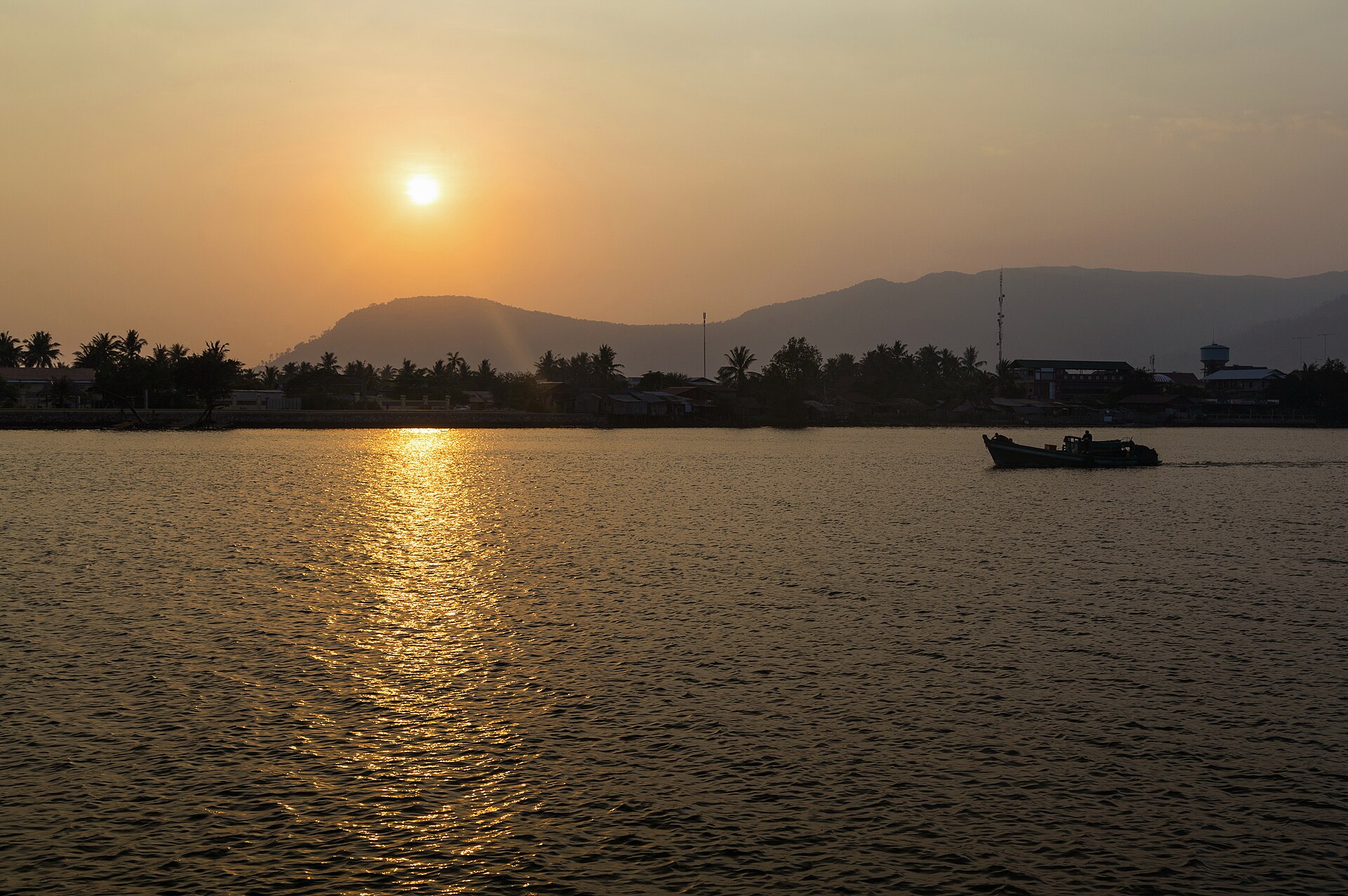
Kampot sits beside the Praek Tuek Chhu River, a short journey from Cambodia’s southern coast, and it is best read through three connected things: water, pepper and old shopfronts. The river gives the town its evening light and its slow orientation. The pepper farms in Kampot province explain why the name travels far beyond Cambodia. The arcaded streets and worn façades record a trading town shaped by French colonial planning, local commerce and later decades of neglect and repair. None of those layers is enough alone; together they make Kampot a place where slow travel has substance.
Kampot pepper is the clearest mechanism. The protected geographical indication links the spice to a defined area and to production rules rather than to a vague label. Soil, drainage, sea-influenced weather and careful drying all matter; so do farmers, sorting, grading and the choice between black, red and white pepper. Visiting a plantation is useful when it explains those steps instead of treating vines as a backdrop for shopping. A good guide can show why one berry becomes several products depending on harvest and processing.
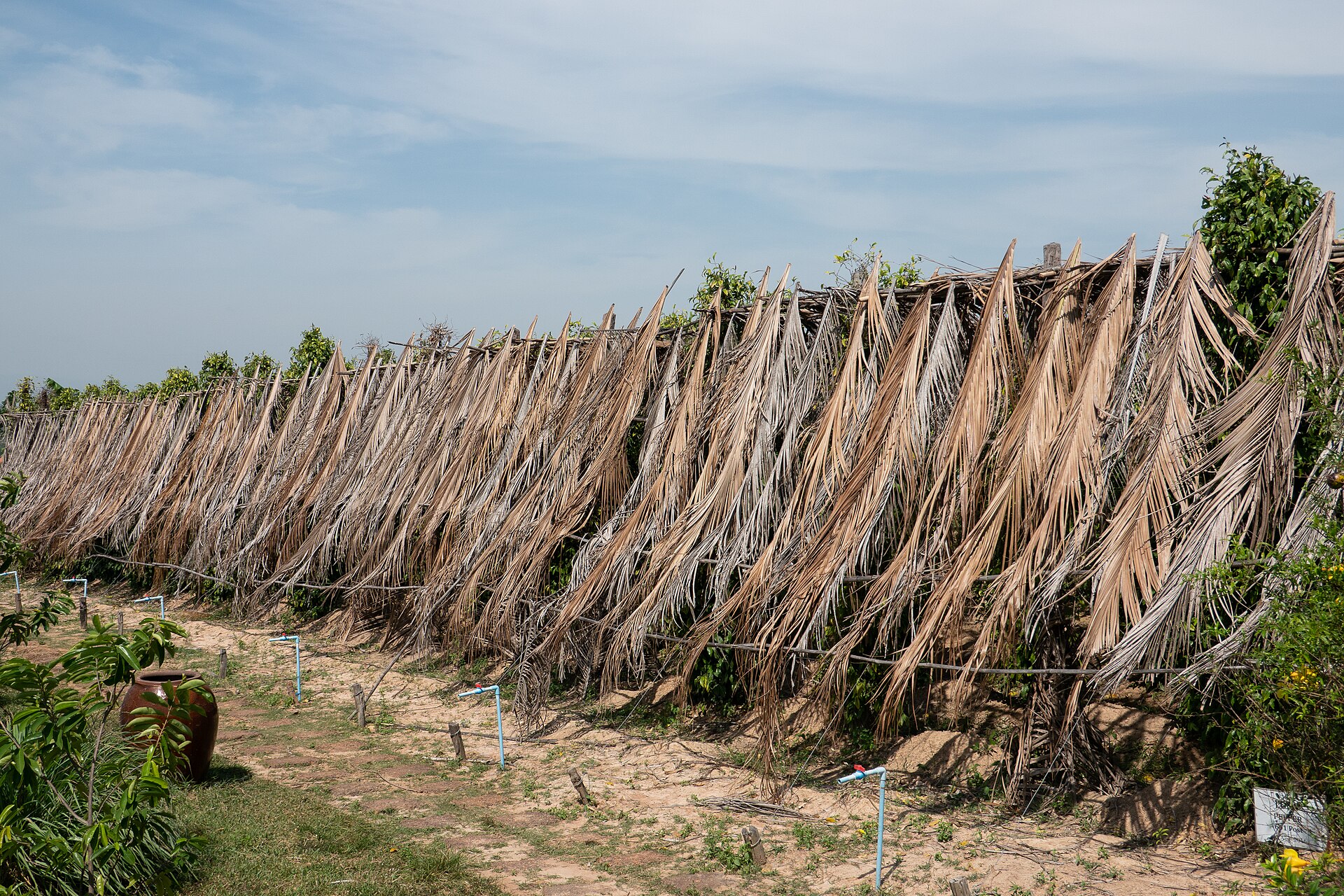
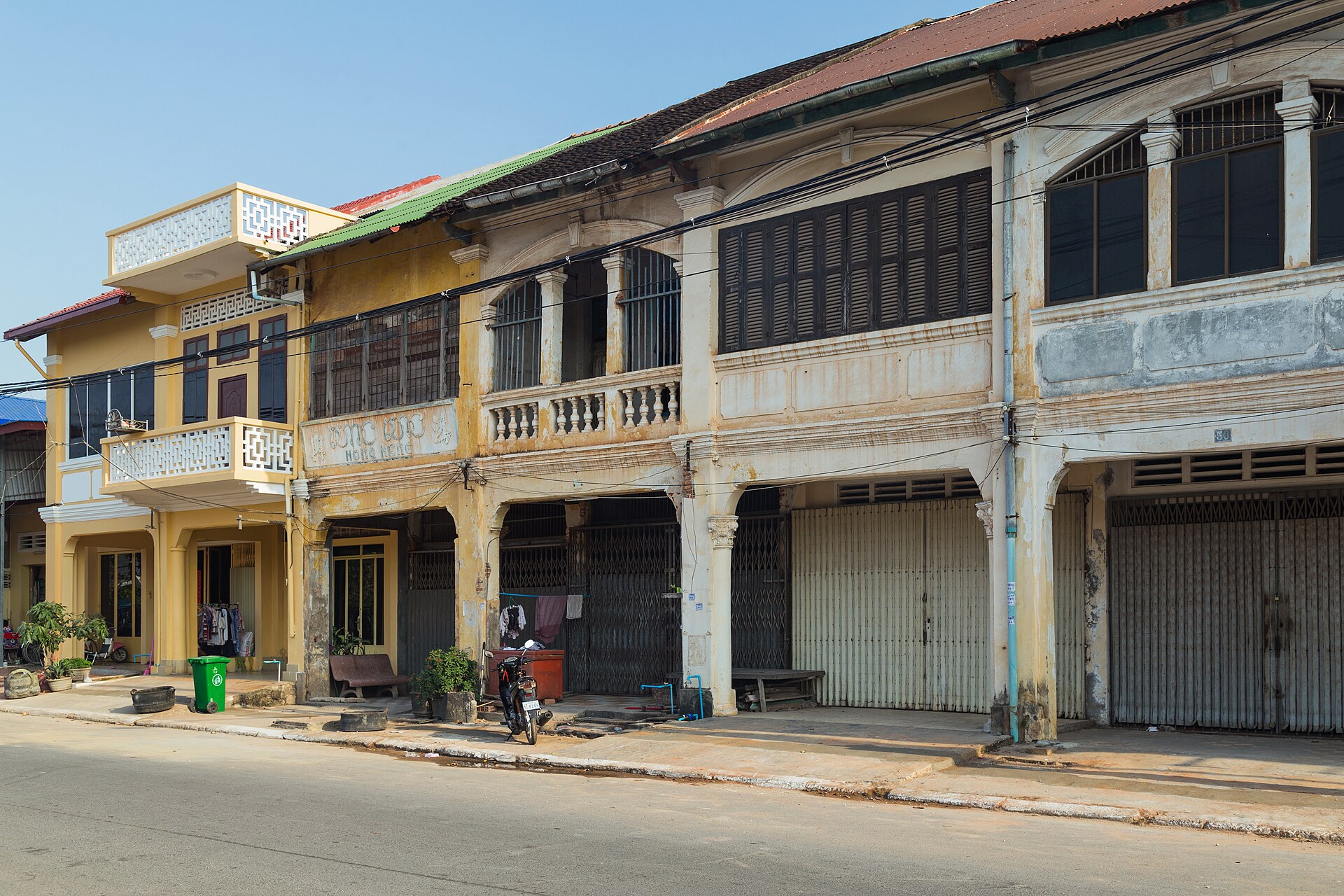
The town itself works at a different pace. Streets around the old market show shophouses with arcades, balconies and deep interiors designed for shade, storage and trade. Cafes and guesthouses now occupy many of these buildings, but the architecture still tells you how heat and commerce shaped the street. The riverfront completes the pattern: boats, bridges and sunset walks turn the town outward toward mangroves, salt fields, Kep and the coast.
Kampot also makes more sense when the surrounding province is included rather than treated as scenery outside town. The same short radius holds salt pans, pepper farms, Bokor’s cooler slopes and the road toward Kep, so food, climate and coastline are physically close. That closeness is why a market meal with crab, lime and pepper is not just a souvenir taste: it links the river town to working fields and to the Gulf of Thailand. The protection around Kampot pepper depends on that chain staying legible, from farm practice to honest labelling.
The limits are practical. Kampot is not untouched, and nostalgia can hide hard questions about maintenance, flooding, road traffic and who benefits from tourism. Pepper branding can also invite imitation, so buyers should look for traceable producers rather than romantic packaging. The best visit keeps scale modest: one careful farm tour, a walk through the old streets, food that uses pepper precisely, and time by the river. The close is simple: Kampot is strongest when visitors connect taste, street form and water instead of separating them into photographs. Kampot’s charm is not that nothing changes; it is that enough of the working town remains visible to make change readable.