Kotor, Montenegro: a bay town where mountains, walls and sea meet
Kotor is more than a cruise-stop old town. Its UNESCO landscape joins a sheltered Adriatic bay, Venetian-era walls, steep limestone slopes and a maritime culture that still shapes how the town is read.
Klára Novák ·
Kotor sits at the innermost turn of the Bay of Kotor, where the Adriatic feels almost like a mountain lake. The water is sheltered, the limestone slopes rise abruptly, and the old town is pressed into the narrow flat ground between shore and rock. That compression is the first thing to understand. Kotor is not only a pretty walled town; it is a port, a defensive site and a settlement shaped by scarce space.
UNESCO protects the Natural and Culturo-Historical Region of Kotor because the bay and the buildings make one landscape. Medieval churches, stone houses, Venetian-era walls and maritime palaces make sense only with the water routes that connected the town to the Adriatic and with the mountains that forced the town upward. The fortifications climbing toward San Giovanni are not a scenic extra. They are the visible line between geography and defense.
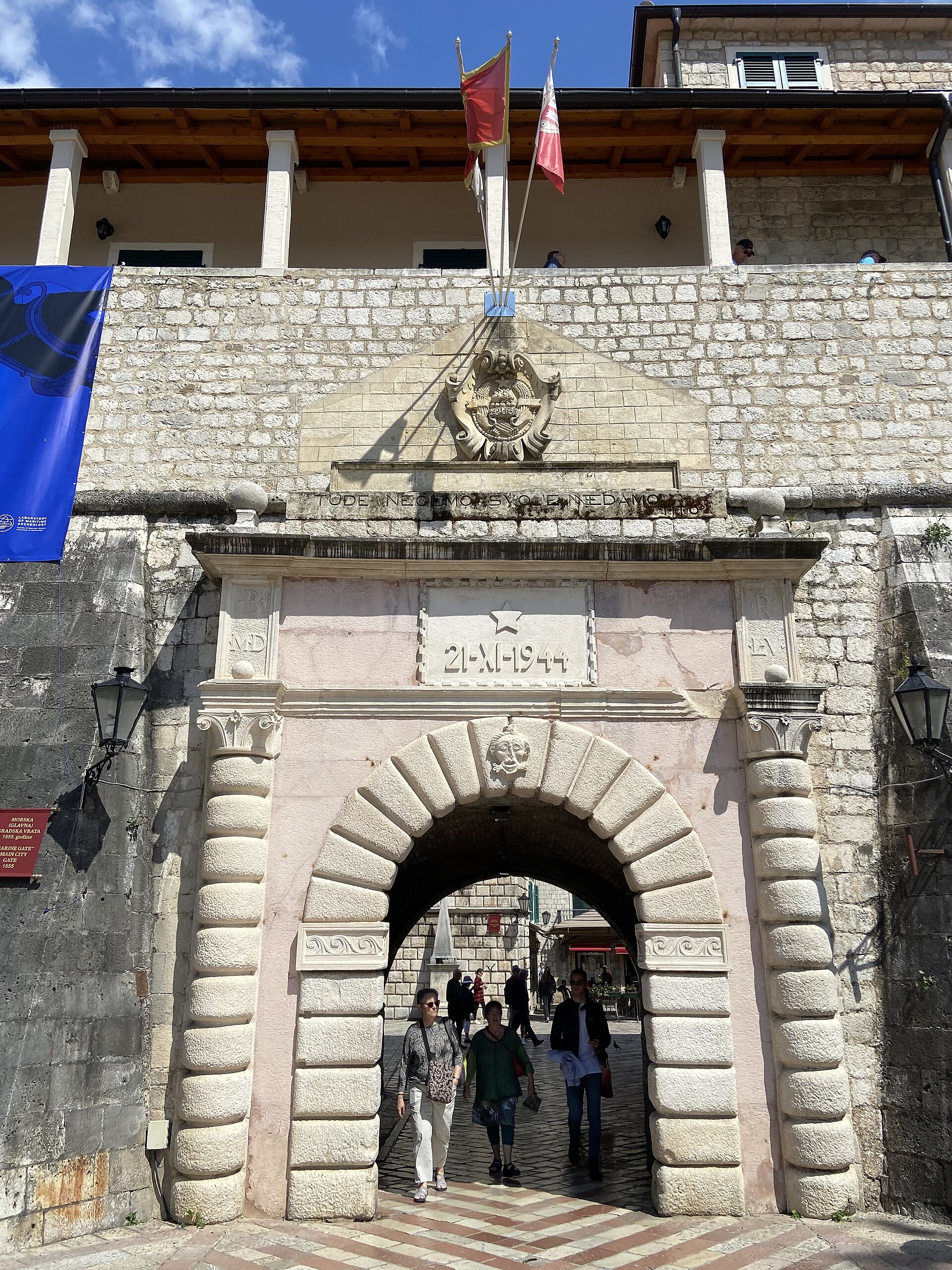
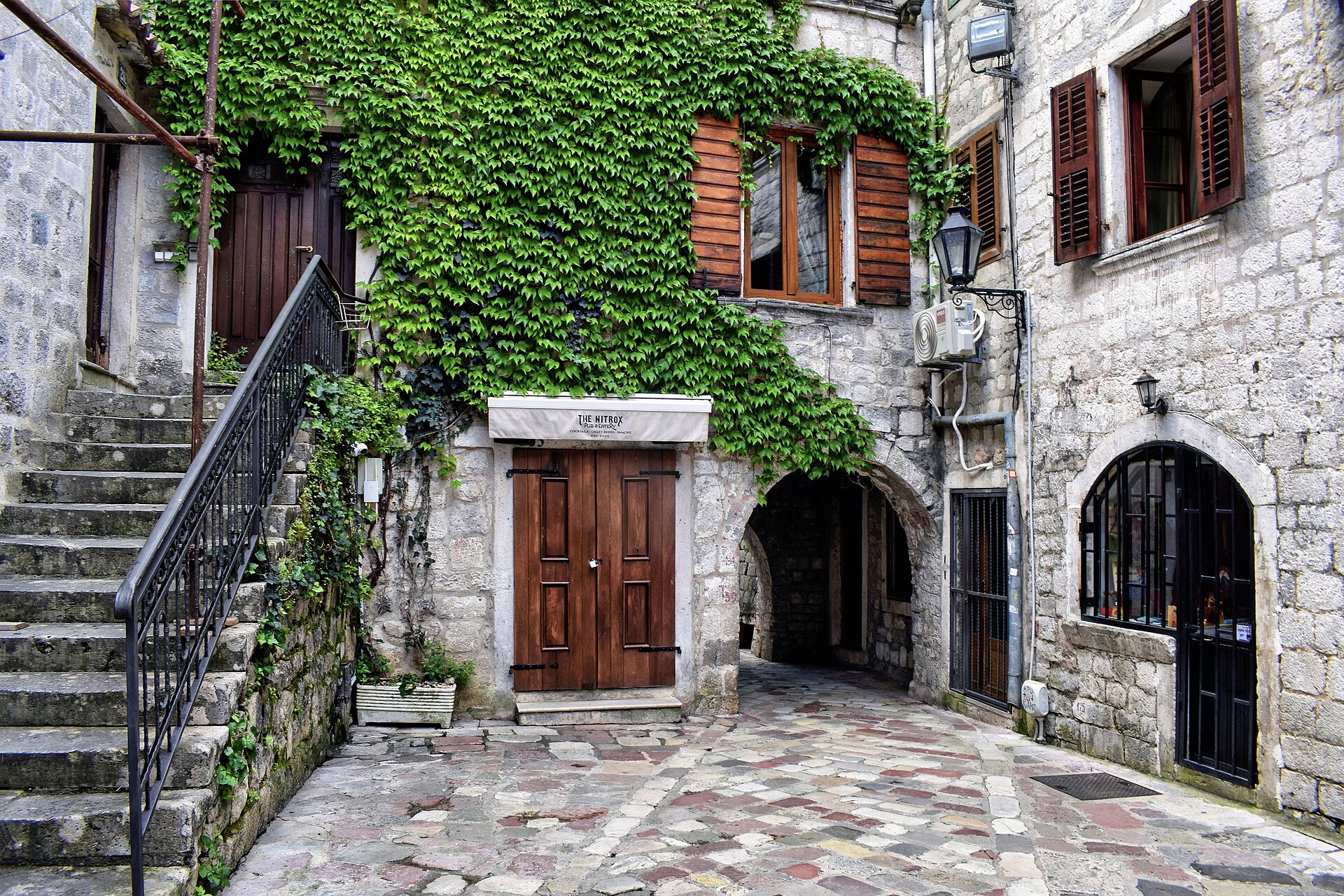
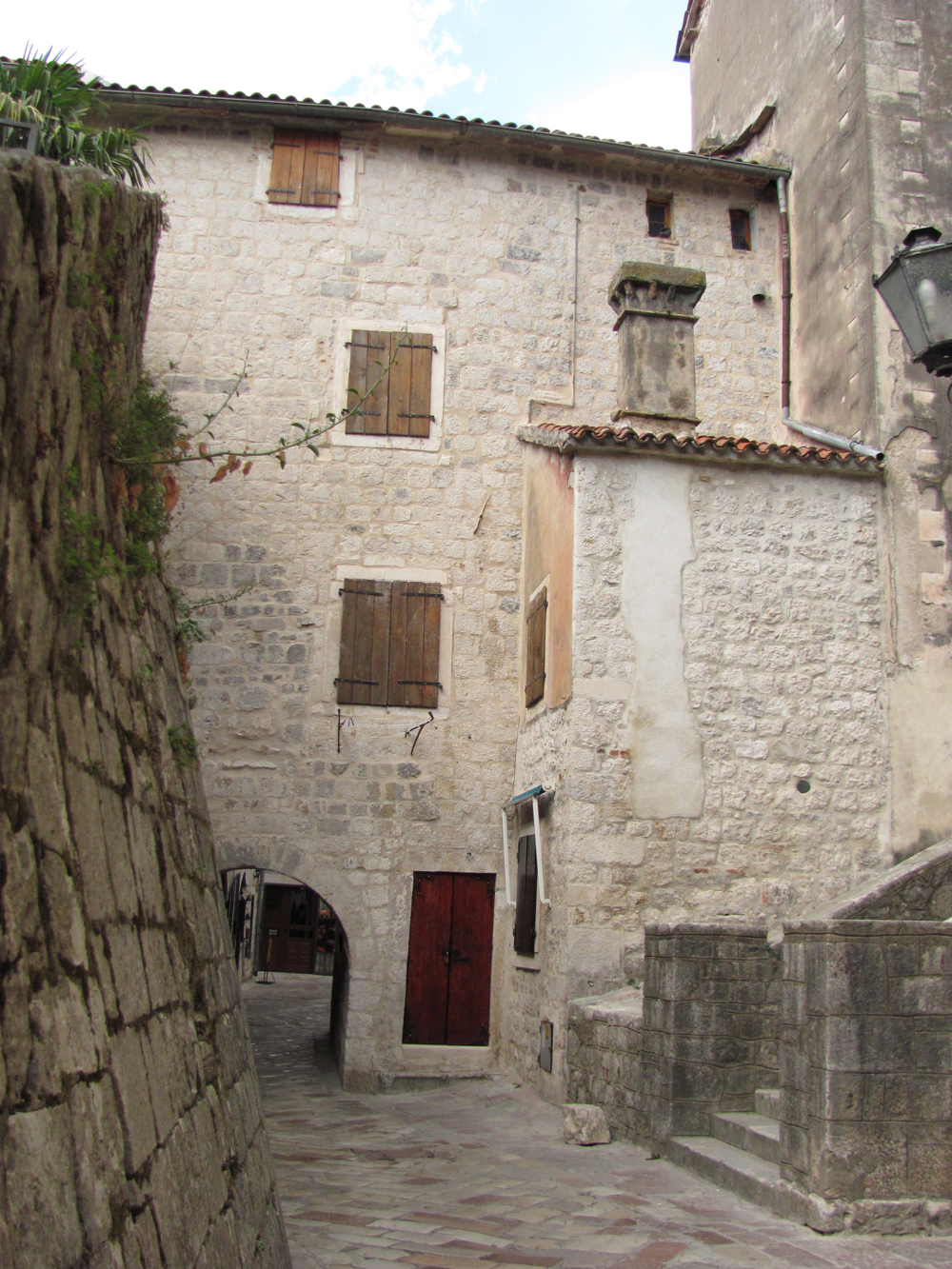
Inside the gates, Kotor is best read through small details: the Cathedral of Saint Tryphon, Romanesque and Baroque façades, shaded squares, cats asleep near café chairs, laundry above stone lanes and bells echoing in alleys. The town’s maritime identity also survives in museums, family names and the long tradition of seafaring from the bay. A visitor who only photographs the walls misses the fact that Kotor’s old town was a working urban organism, not a stage set.
The climb above town changes the scale. With each switchback, the red roofs shrink, the cruise pier becomes easier to judge, and the bay reveals its folded shape. The view explains why people compare the place to a fjord, although geologically it is a submerged river canyon and bay system, not a Scandinavian fjord. That distinction is useful: Kotor’s drama comes from the meeting of karst mountains, drowned valleys, sea routes and human walls.
Food follows the same border between coast and mountain. Around the bay, menus mix grilled fish, mussels from nearby waters, squid, olive oil, figs, cheese, prosciutto from the hinterland and simple Balkan dishes. In nearby villages such as Perast or Dobrota, the slower pleasure is not novelty but orientation: eating by the water while watching how boats, churches and cliffs share the narrow edge.
The bay also changes through the day. Morning can make the water look quiet and silver; afternoon light sharpens the pale cliffs; evening returns attention to church towers and lamps inside the walls. That rhythm is why staying overnight helps. Day visitors see the main forms, but early and late hours reveal how small the town is, how close the mountains stand, and how much daily life must negotiate with visitors in a protected space.
Kotor’s limits are visible in its popularity. Cruise arrivals can overwhelm the small streets, summer heat collects between the walls, and the fortification path requires water, shoes and respect for loose stone. The best visit gives the town time outside the busiest hours and treats the bay as part of the article, not as a background photograph. Kotor rewards that patience with a clear lesson: when mountains, walls and sea meet so tightly, beauty is also a record of constraint.