Lamezia Terme: Calabria’s Quiet Link Between Airport, Sea, Hills and Table
Lamezia Terme is more than Calabria’s airport stop: it links the Tyrrhenian shore, Nicastro’s old hill town, Sambiase’s thermal springs and a food culture shaped by olive groves, vines and mountain roads.
Felix Arden ·
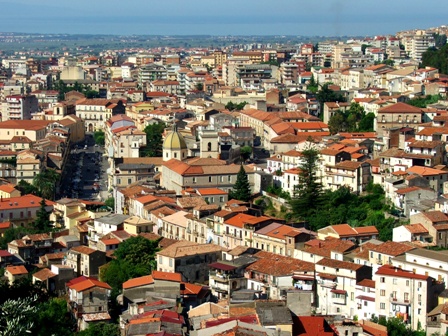
Lamezia Terme is often the place travellers meet Calabria before they understand it. The airport and main rail connections sit beside the Gulf of Sant’Eufemia, but the city itself is a modern municipality assembled in 1968 from older communities: Nicastro on the slopes, Sambiase around a spa tradition and Sant’Eufemia on the coastal plain. That split origin is not trivia. It is the reason Lamezia works less like a single postcard town and more like a hinge between Calabria’s sea, hills, roads and table.
The mechanism of the place is distance. In one day, a visitor can move from an old hill-town street to the Tyrrhenian shore, then inland again toward olive groves, vineyards and the first folds of the Calabrian mountains. Lamezia does not compete with Tropea’s cliff drama or Scilla’s harbour views; it explains how the region is stitched together by rail lines, farms, markets, family restaurants and short drives that quickly change the light and the appetite.
Nicastro gives the city its older urban texture. Its lanes climb toward the remains of the Norman-Swabian castle, a hilltop reminder that this was once a place of defence and oversight across the plain. The old centre rewards unhurried walking more than monument counting: churches, small squares, views toward the gulf and everyday shops make sense only if you allow the slope to set the pace.
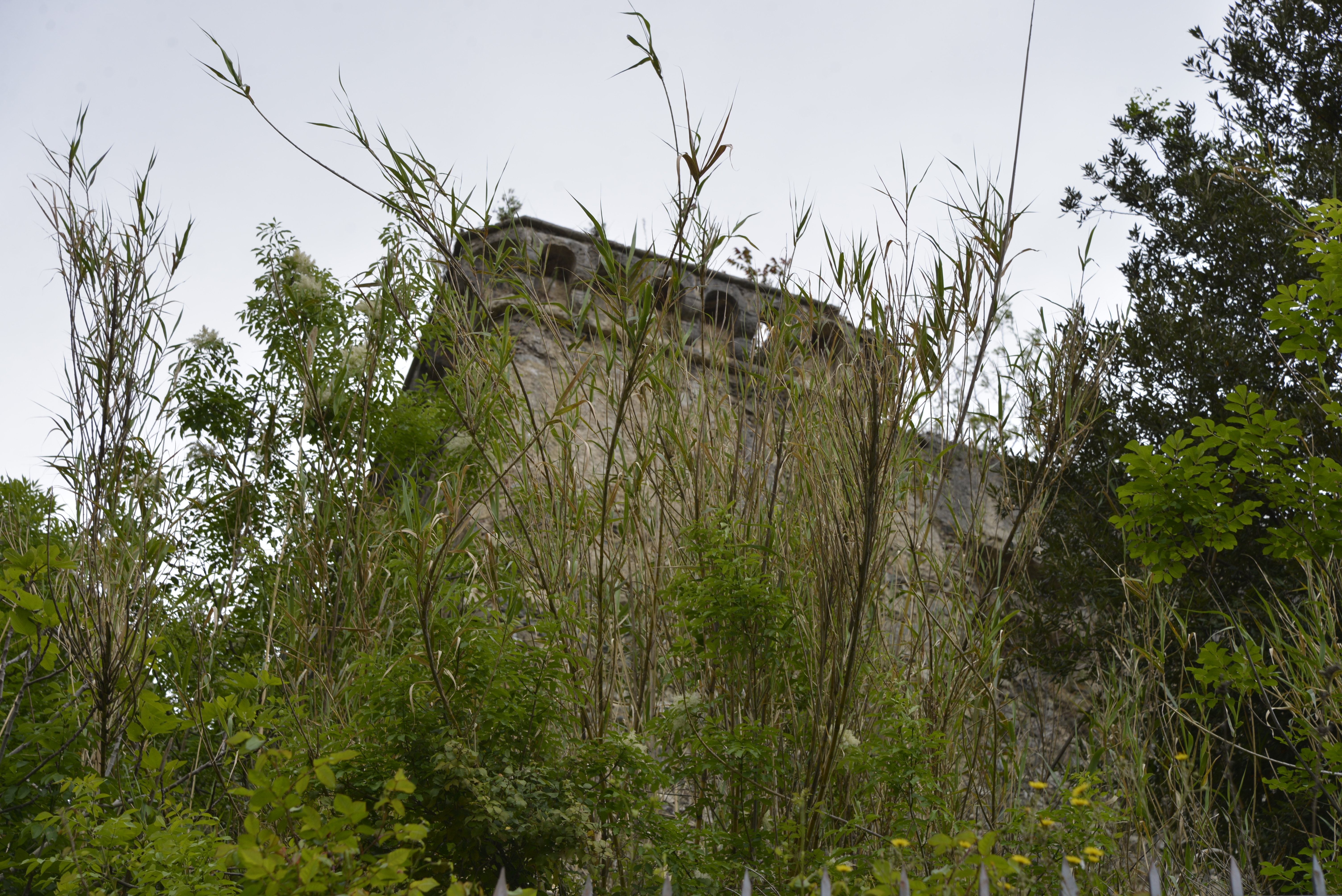
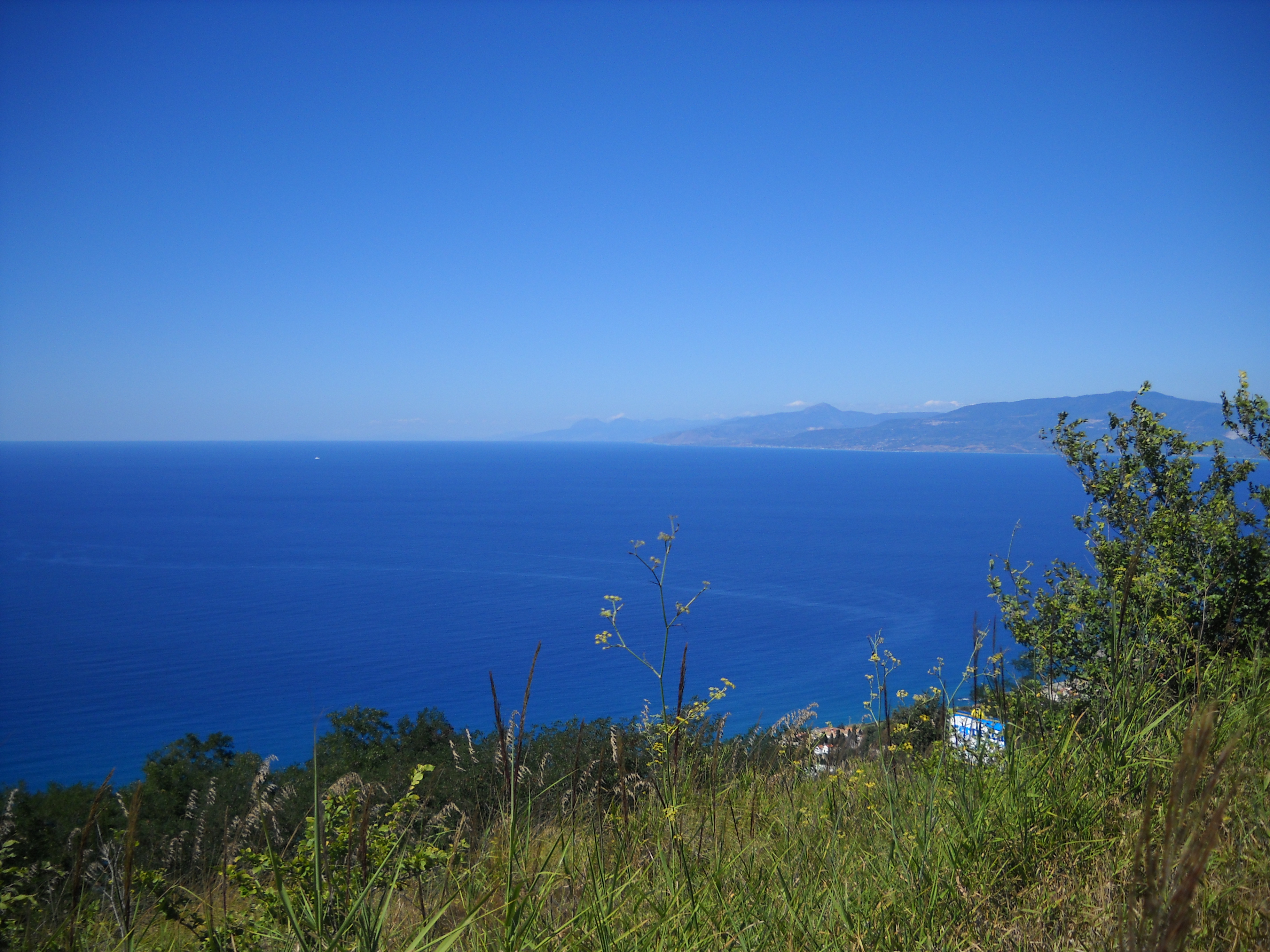
Sambiase adds a quieter layer. The word Terme is not decorative: warm sulphurous waters and spa use belong to this side of town, and the surrounding countryside points toward vineyards, olive oil and chestnut or mountain routes rather than beach traffic alone. Sant’Eufemia, rebuilt and reshaped in the twentieth century, faces the flat coastal plain, the airport and the beaches where the horizon opens west across the Tyrrhenian.
Food is where the map becomes practical. Around Lamezia, meals tend to follow Calabria’s strong southern vocabulary: olive oil, bread, grilled vegetables, sheep and cow cheeses, cured pork, local wine, seasonal fish and the heat of chilli used with confidence rather than as a dare. The point is not to tick off famous dishes, but to eat near the route that produced them: a simple trattoria after Nicastro, fish near the gulf, or a countryside table where oil and wine come from nearby land.
The limit is important. Lamezia is not a museum city with one polished centre, and travellers who rush onward may see only the airport road. Public transport can help, but many rural detours require planning, seasonal opening hours and patience. The reward is slower and more connective: stay a night, use the train or car carefully, ask what is open locally, and let the city introduce Calabria as a relationship between sea, hills and food rather than a single famous view.