Luang Prabang: temples, Mekong mornings and a market that wakes before the heat
A researched travel guide to Luang Prabang: why its UNESCO old town, Buddhist monasteries, Mekong setting and morning market need to be read together rather than as separate postcard scenes.
Mira Vale ·
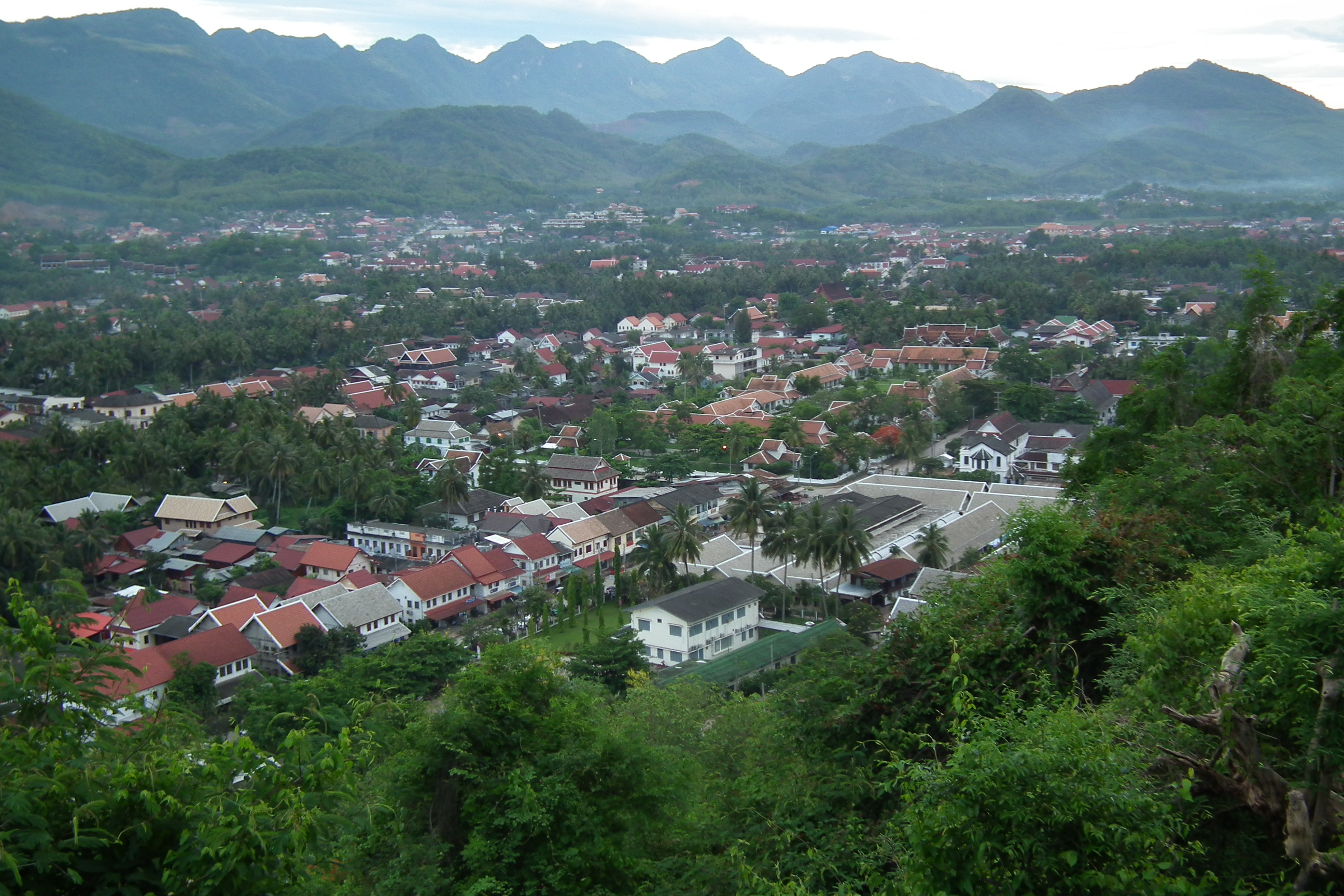
Luang Prabang is small enough to cross on foot and layered enough to slow the walk down. The old royal capital sits where the Mekong and Nam Khan rivers meet in northern Laos, with Mount Phou Si rising above streets of timber houses, monastery walls and shaded shopfronts. UNESCO listed the town in 1995 because its historic fabric brings Lao religious architecture, vernacular wooden houses and French-period planning into unusually close conversation. That is the first useful fact for a visitor: Luang Prabang is not one monument, but a living pattern of rivers, roofs, courtyards and daily routines.
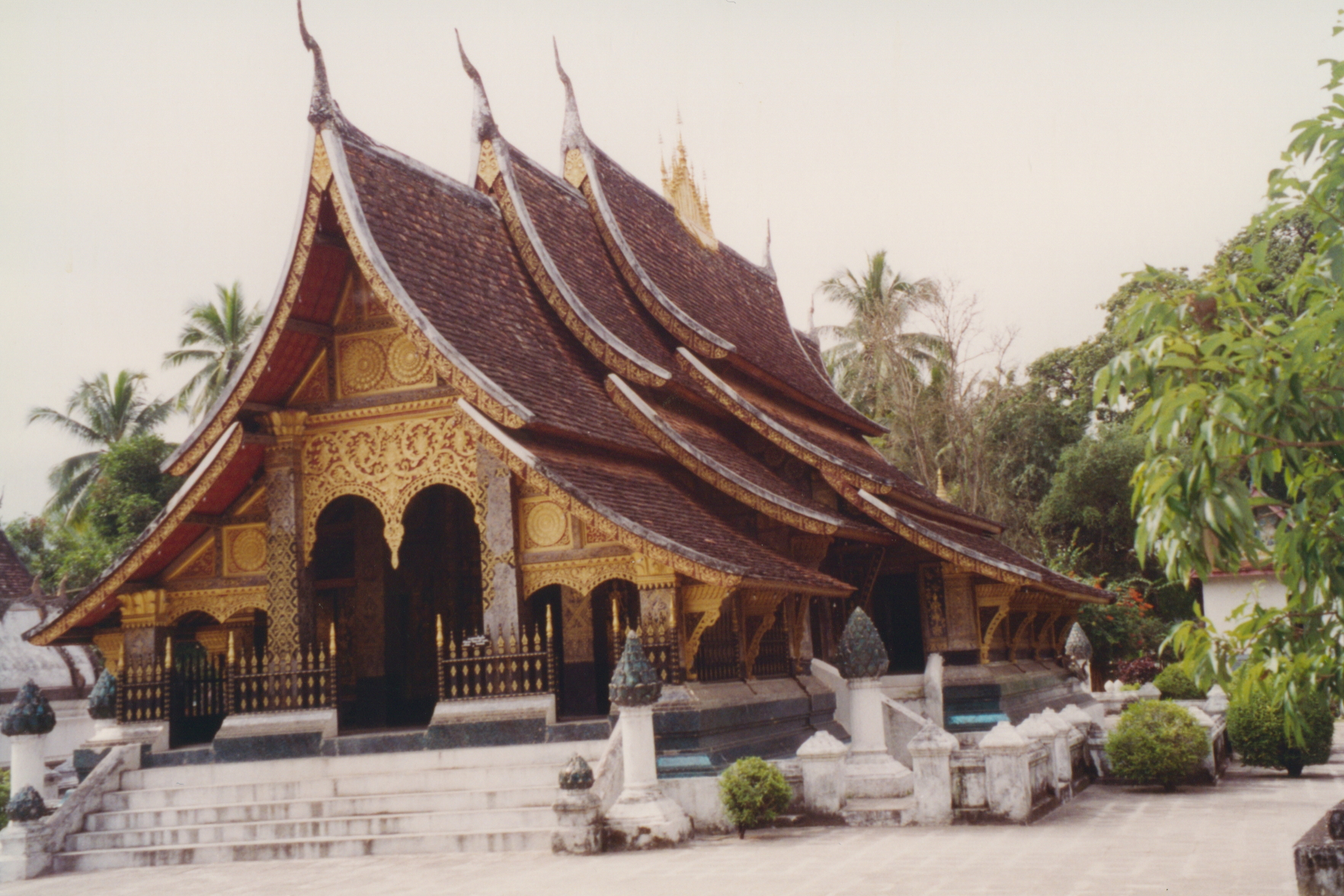
Wat Xieng Thong gives that pattern a clear anchor. Its low sweeping roof, gilded details, mosaics and ordination hall belong to the city’s Buddhist and royal history, while the lane outside reminds you that the monastery is also part of an ordinary neighbourhood. Before dawn, monks receive alms from local households and visitors sometimes gather to watch. The practice has religious meaning, but it is not a performance staged for cameras; good travel here means keeping distance, dressing modestly, standing behind local participants and following posted instructions rather than turning devotion into a spectacle.
The mechanism that makes the town memorable is rhythm. Heat, river light and monastic time shape the day. Markets open early because vegetables, river fish, herbs, sticky rice, riverweed and prepared foods are best handled before the sun is high. Boats and bridges connect the peninsula to surrounding villages, so the city’s food and craft life depends on a wider landscape, not only on the preserved streets. The Mekong is therefore more than scenery: it is route, boundary, climate, supply line and seasonal measure.
That seasonal measure matters. In the dry months the rivers sit lower and boat landings, sandbanks and clear dawns give the town a spacious feel. During wetter months, heat, showers and high water change walking conditions and the way goods reach the market. The same itinerary can feel very different depending on river level and festival calendar. A careful visitor plans for shade and rain, starts early, and treats a short Mekong crossing or a neighbourhood walk as part of the city rather than as an add-on excursion.
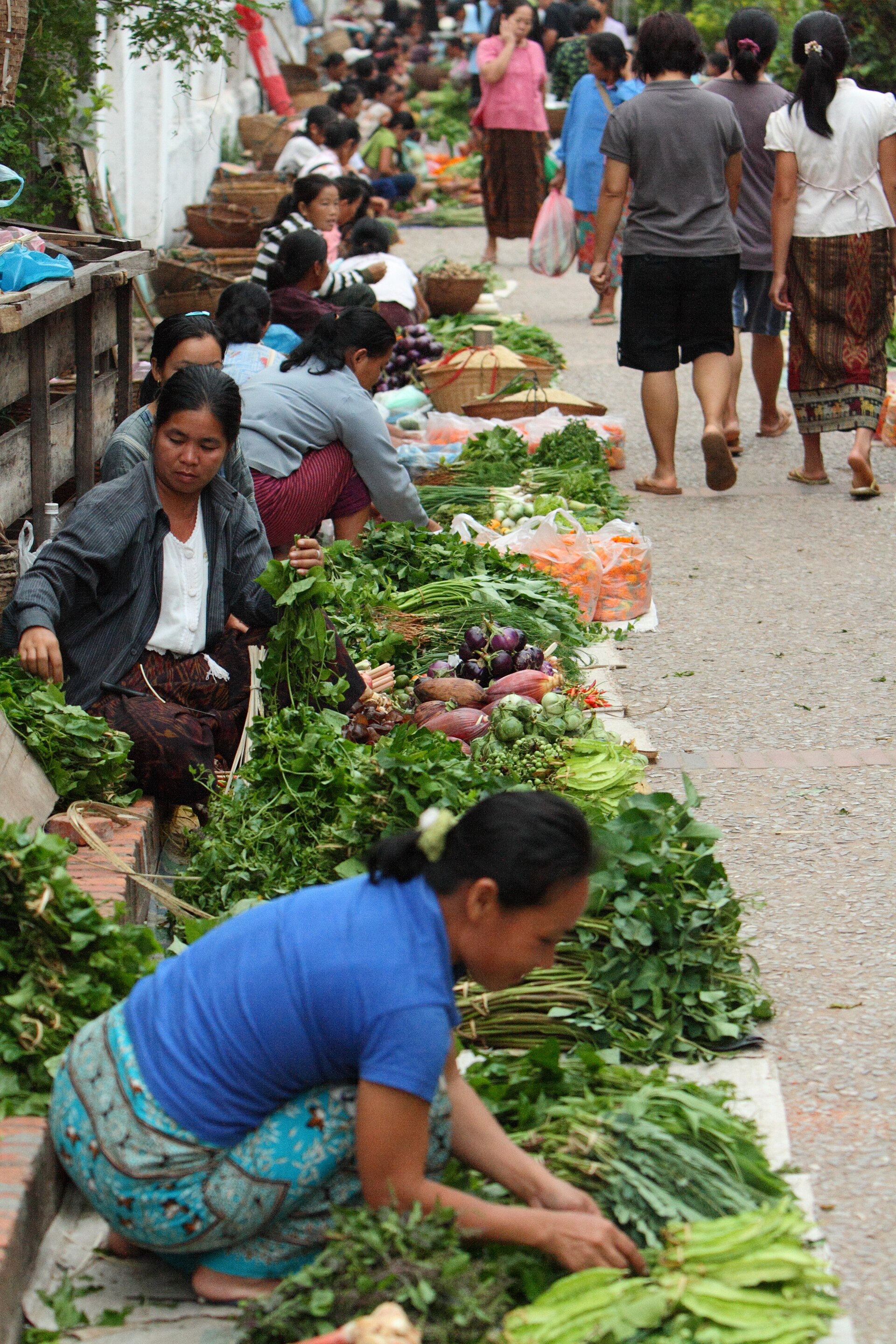
The morning market is the most compact lesson in how Luang Prabang works. It is not a museum of “local colour”; it is a place where cooks, vendors, monks’ households, guesthouse kitchens and travellers overlap. Baskets of greens, bamboo shoots, chilli pastes, freshwater fish and seasonal fruits show the relationship between forest, river, gardens and town. Buying there is best done with small notes, patience and attention to flow, because the market still has to serve people who are shopping for their day, not posing for one.
Luang Prabang’s beauty has limits. UNESCO status protects character, but it also attracts hotels, tour groups, short-stay photography and higher land values. The old town is not frozen; residents still need schools, repairs, drainage, transport and income, and some sacred spaces are not open to every visitor at every hour. Responsible travel helps by staying longer, using local guides, buying carefully made goods and accepting quiet boundaries. The reward is a more accurate trip: temples explain the city’s memory, the market explains its mornings, and the rivers explain why this place grew here.