Lucy’s “hunter” adds a crocodile to East Africa’s hominin landscape
Fossils from Ethiopia point to a previously unrecognized large crocodile living more than 3 million years ago alongside australopithecines, sharpening the predator-and-river context around Lucy’s relatives without proving a single attack.
Matyáš Král ·
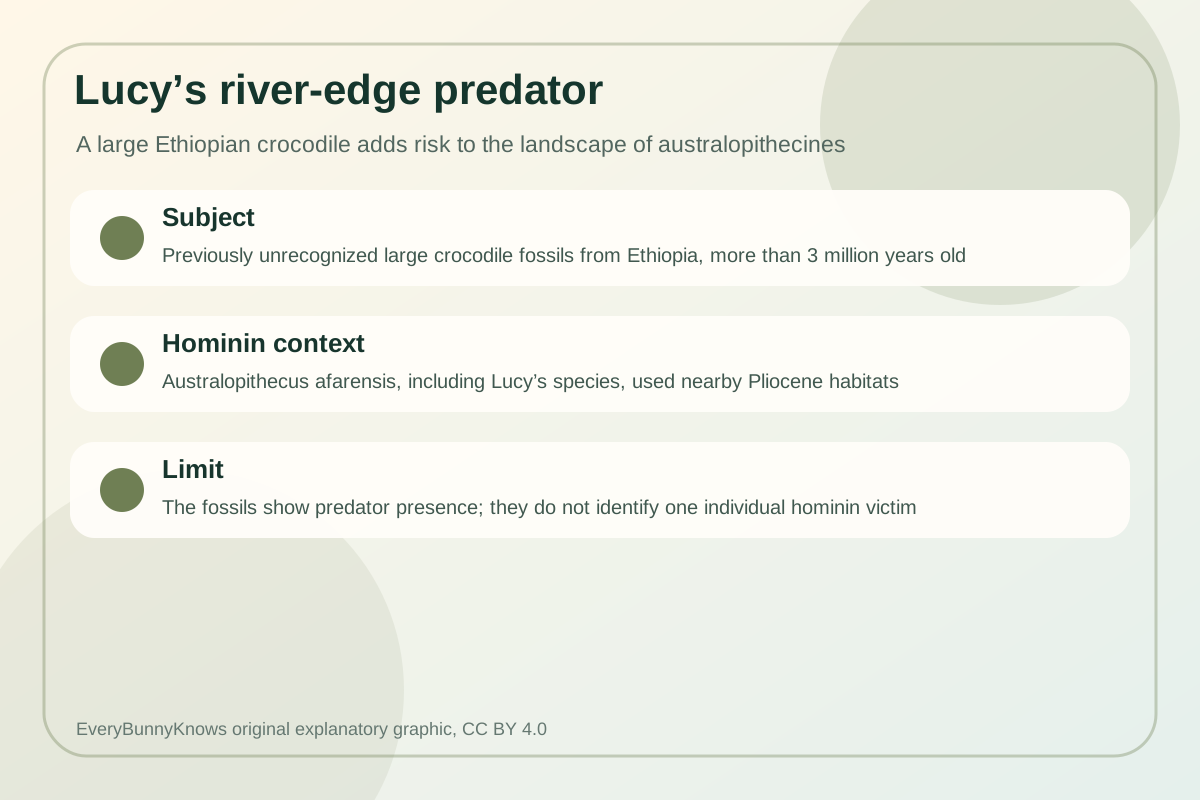
Lucy is usually introduced through bones, footprints and the question of how early relatives of humans walked. The new crocodile story changes the camera angle. Fossils from Ethiopia, reported by a University of Iowa-led team and described in the public release as “Lucy’s hunter,” point to a large, previously unrecognized crocodile living more than 3 million years ago in the same broad time and landscape as Australopithecus afarensis. The animal did not need to leave a dramatic bite mark on Lucy herself to matter. Its presence helps rebuild the dangerous water-edge world in which Lucy’s relatives moved.
The exact subject is not a modern Nile crocodile photographed for atmosphere. It is a fossil crocodylian known from Ethiopian remains: jaws, teeth and skull features that let specialists compare it with other crocodile lineages and infer size, feeding ability and evolutionary relationships. Lucy, the famous A. afarensis skeleton from Hadar, is about 3.18 million years old. Her species lived in a mosaic of floodplain, woodland, open ground and river margins, not in a simple savanna postcard.
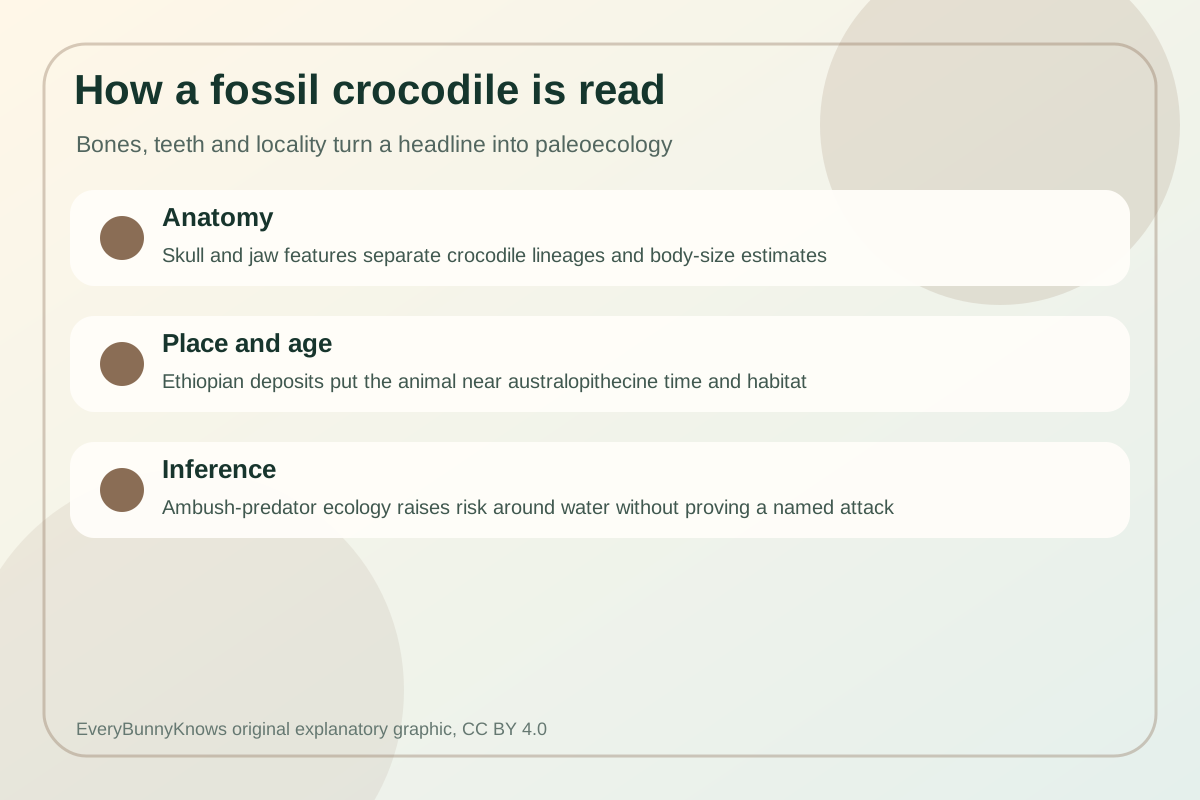
The mechanism is paleoecology. Large crocodiles are ambush predators shaped by water. They wait where animals drink, cross channels, feed on banks or use shaded riparian corridors. In a Pliocene landscape, the same rivers and wetlands that offered food, vegetation and movement routes to mammals could also concentrate danger. For australopithecines, a water edge may have been useful and risky at once: a place to find resources, but also a place where a hidden reptile could strike.
That is why the finding is stronger as context than as monster lore. Fossil anatomy can show that a big crocodile lived there and was physically capable of taking substantial prey. It cannot show that this individual species “terrorized” every hominin group or killed Lucy. The useful claim is narrower and more interesting: predator communities around early hominins were richer than a mammal-only story suggests, and crocodylians deserve a place in reconstructions of daily risk.
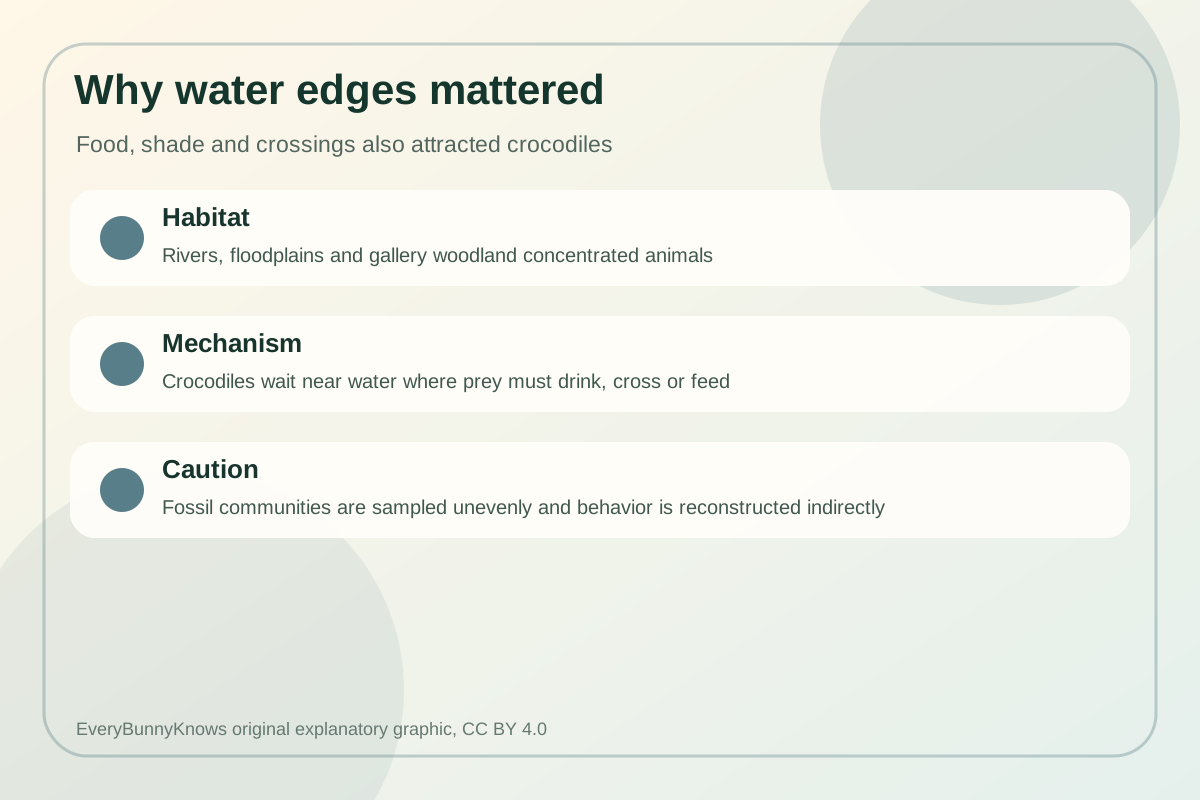
The limits are important. Fossil deposits are incomplete, and water-laid sediments can overrepresent animals that lived or died near channels. Behavior is reconstructed from anatomy, living relatives and site context rather than observed directly. Naming a predator in Lucy’s world also does not reduce hominin evolution to fear; early australopithecines survived in a landscape of opportunities, competitors, scavengers, cats, hyenas, raptors, snakes and crocodiles.
There is also a naming caution. Public phrases such as “Lucy’s hunter” are memorable, but scientific work proceeds through diagnoses, specimen numbers, comparison samples and stratigraphic position. A good nature story should keep both levels visible: the nickname that helps readers enter the scene and the slower evidence that prevents the scene from becoming fantasy.
The hopeful part is not that the past was gentle. It is that careful fossil work can make an ancient ecosystem more honest. A jaw in a museum drawer, a tooth from an Ethiopian layer and a precise age estimate can restore a missing participant to the scene. Lucy’s world becomes less like an icon and more like a real habitat: wet, seasonal, productive, dangerous and full of decisions that small-bodied hominins had to negotiate.