The Meadow That Returns After Mowing
A species-rich hay meadow comes back because many grasses and wildflowers keep buds and reserves below the blade, while well-timed mowing opens light and prevents one tall grass layer from taking over.
Mira Vale ·
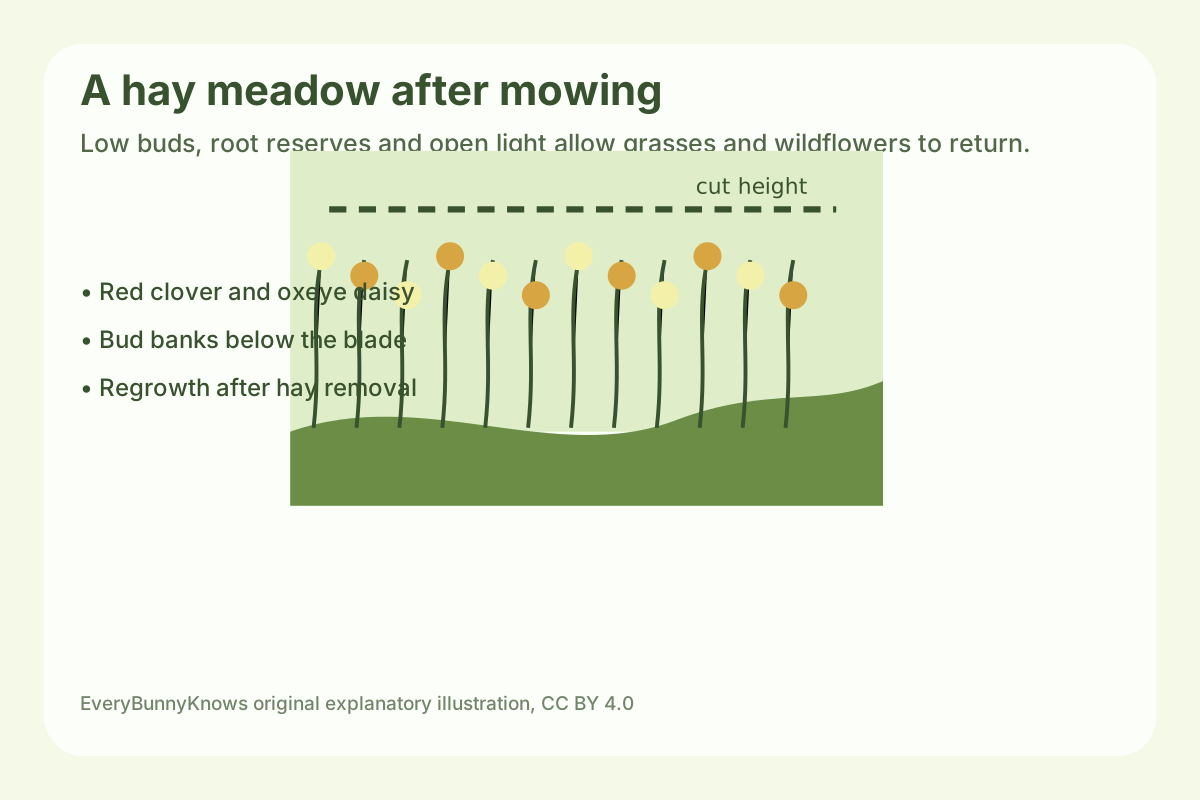
A hay meadow can look defeated on the day after mowing: stems flattened, flowers gone, the air smelling of cut grass. Yet a few weeks later, green shoots rise again and plants such as red clover, *Trifolium pratense*, oxeye daisy, *Leucanthemum vulgare*, common knapweed, *Centaurea jacea*, and meadow grasses begin to rebuild the canopy. The return is not a miracle. It is the result of plant architecture, stored energy and a disturbance rhythm that many traditional grasslands evolved with or were maintained by for centuries.
Many meadow plants keep their growth points low. Grasses often grow from basal meristems near the soil surface, below the bite of a grazing animal or the blade of a mower. Rosette and clump-forming wildflowers can hold buds close to the ground. Roots, crowns and rhizomes store carbohydrates made before the cut, giving new leaves the fuel to restart photosynthesis. When the tall layer is removed, light reaches seedlings and shorter herbs that would otherwise be shaded by coarse grasses.
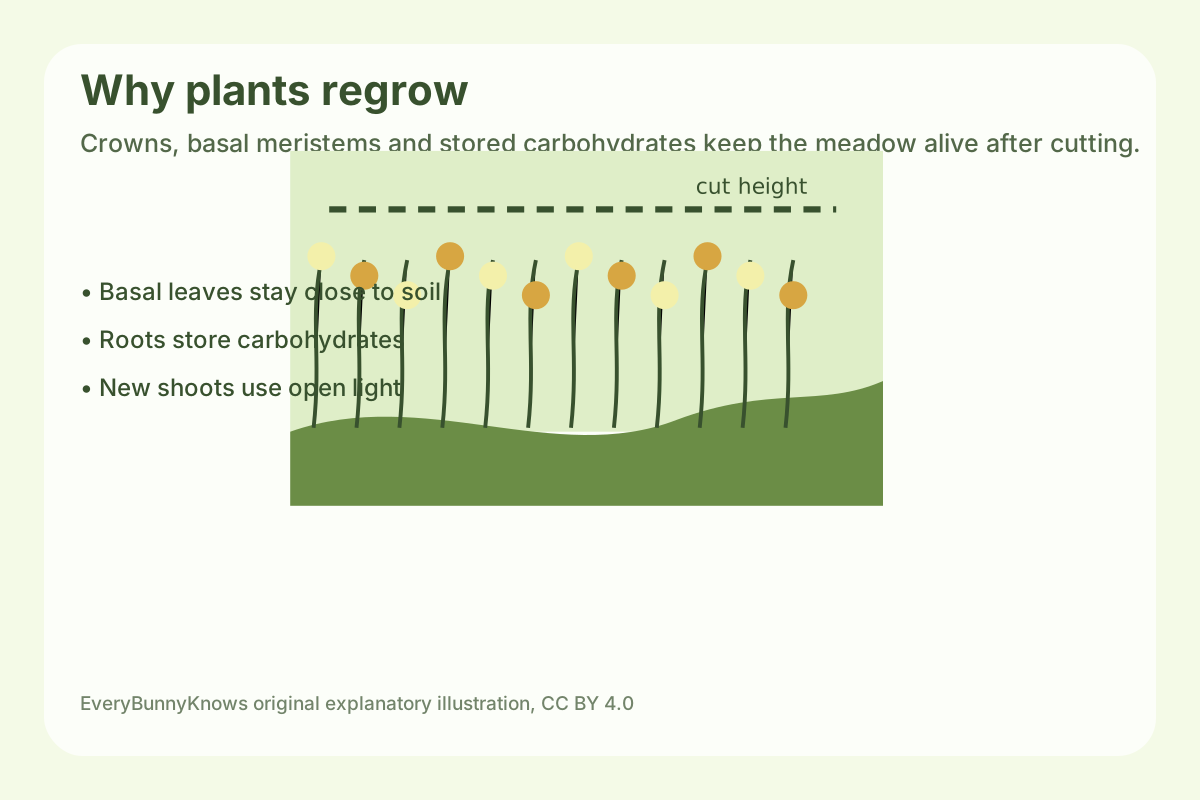
The ecological mechanism depends on what happens to the cut material. In a traditional hay meadow, the crop is dried and removed. That export slowly limits soil fertility, which can favour a diverse mix of slower-growing wildflowers over a few nutrient-hungry grasses or nettles. If cuttings are left as mulch every time, nutrients return to the soil and a dense thatch can smother small plants. The same mower, used differently, can therefore either simplify a meadow or keep it open.
Timing is the difficult part. Cutting too early can remove flowers before pollinators use them or seeds ripen. Cutting too often can exhaust root reserves. Cutting too late every year can allow scrub and competitive tall grasses to dominate. Conservation managers often use late summer mowing, aftermath grazing, or mosaic cutting that leaves uncut strips for butterflies, bees, spiders and overwintering insects. The best schedule depends on rainfall, soil fertility, altitude, target species and local history.
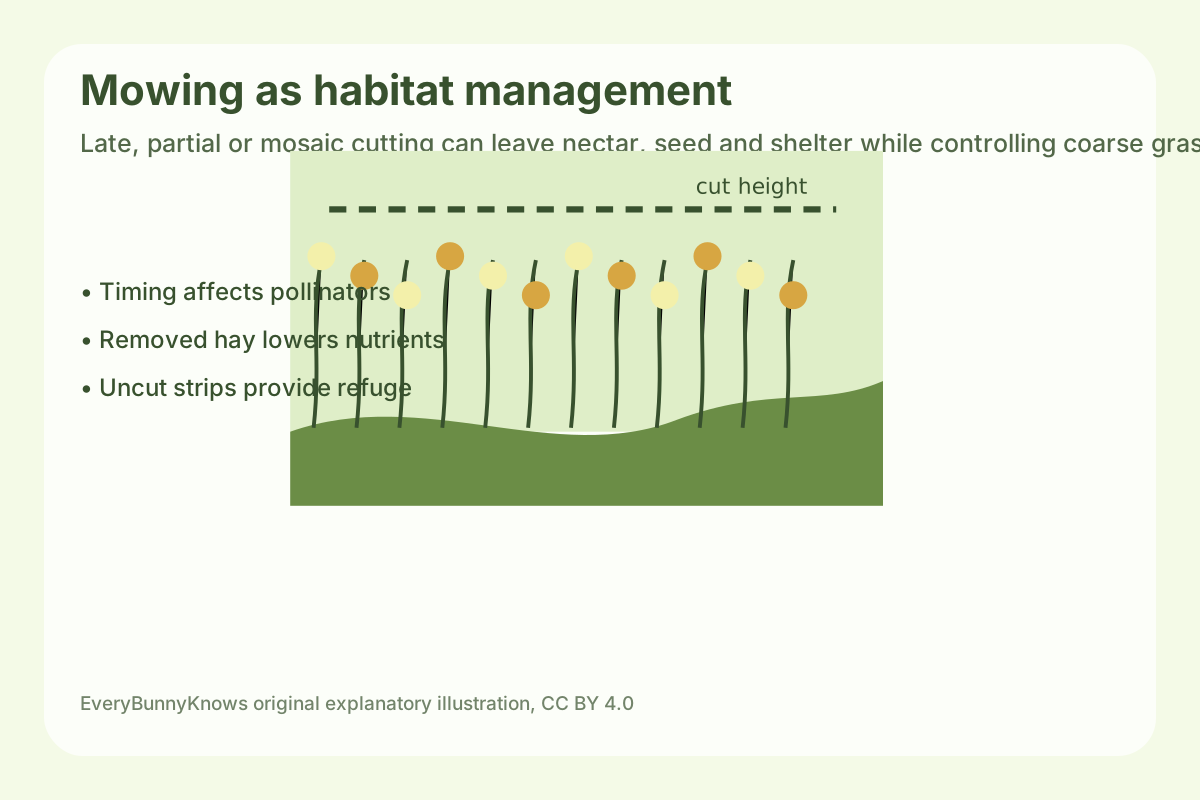
This is why a meadow is not just a lawn allowed to grow long. Species-rich grasslands are habitats with a disturbance memory. Some plants are adapted to regrow after grazing or haymaking; others disappear if the disturbance becomes too intense or stops completely. In central and western Europe, many flower-rich meadows survived because farmers needed winter fodder and removed hay at roughly the right season. When that use ends, abandonment can be as damaging as overcutting.
The hopeful lesson is practical and modest. A returning meadow asks for attention rather than neglect: sharp blades, a sensible cut height, removal of hay where nutrients are high, and refuge patches that let insects finish their life cycles. Given that rhythm, the second growth after mowing is not a reset to zero. It is the meadow showing where its living reserves have been all along.