How Meadows Return When Pollinators Get Patient Care
Species-rich meadows come back through low-fertility soil, native seed, delayed mowing and nesting places for bees, hoverflies and butterflies — not by simply abandoning grass.
Simon Glass ·
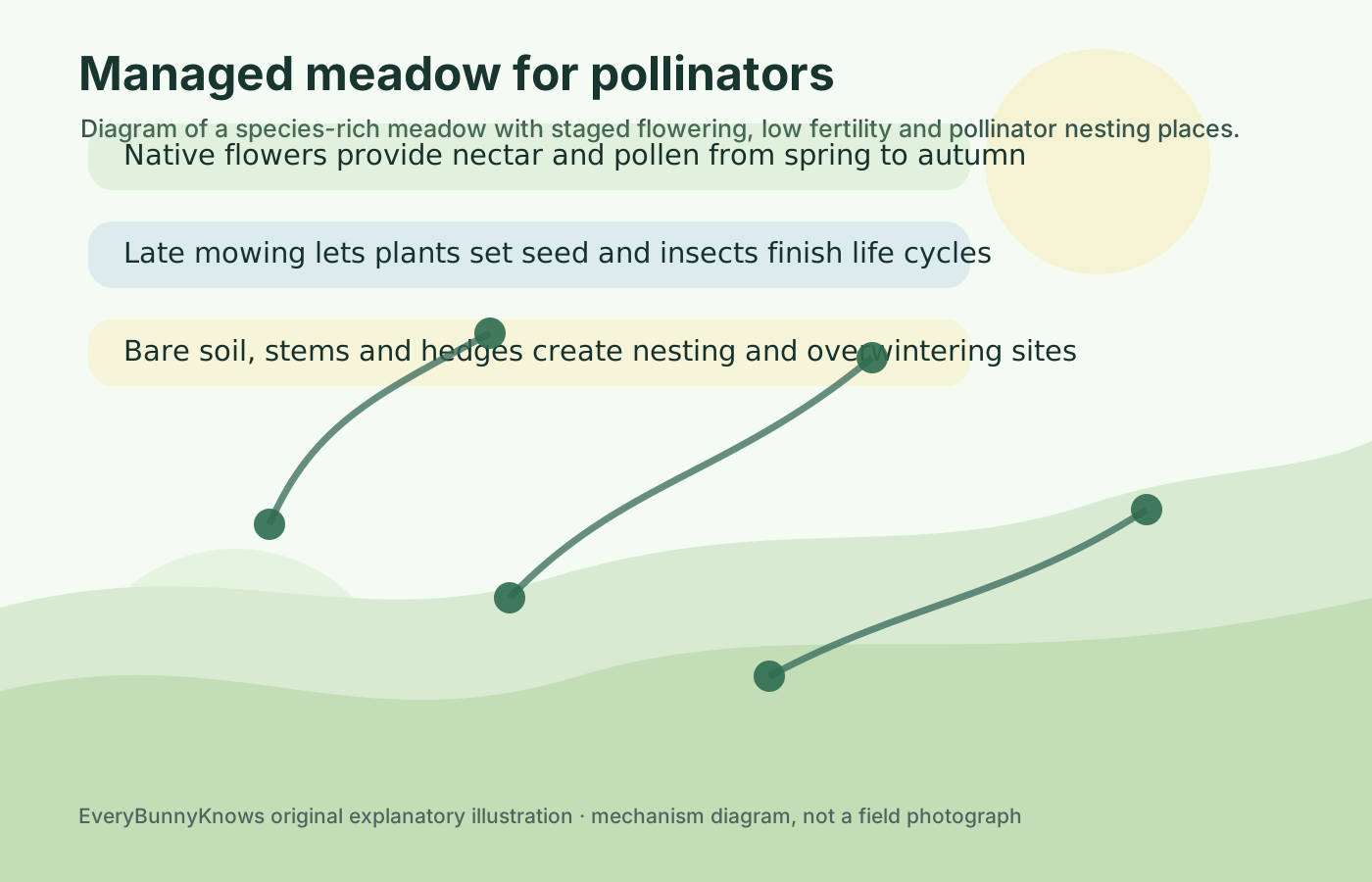
A returning meadow is not an abandoned lawn with prettier branding. It is a managed habitat built from low-fertility soil, native flowers, grasses, fungi, insects and careful timing. In much of Europe and North America, species-rich hay meadows declined as fields were fertilized, drained, reseeded or converted to intensive grass. Restoring them means reversing some of those pressures so that knapweed, oxeye daisy, red clover, bird’s-foot trefoil, yellow rattle and local grasses can share space instead of being smothered by a few fast-growing species.
For pollinators, the value is straightforward. Bees need pollen and nectar; butterflies need nectar and host plants for caterpillars; hoverflies often need flowers as adults and aphid-rich or wet microhabitats as larvae. A good meadow spreads bloom across the season, from early spring flowers to late summer seed heads, so insects are not fed for only one photogenic week. The meadow also needs structure: hollow stems, tussocks, bare sunny soil, hedgerows, damp hollows and quiet edges where insects can nest or overwinter.
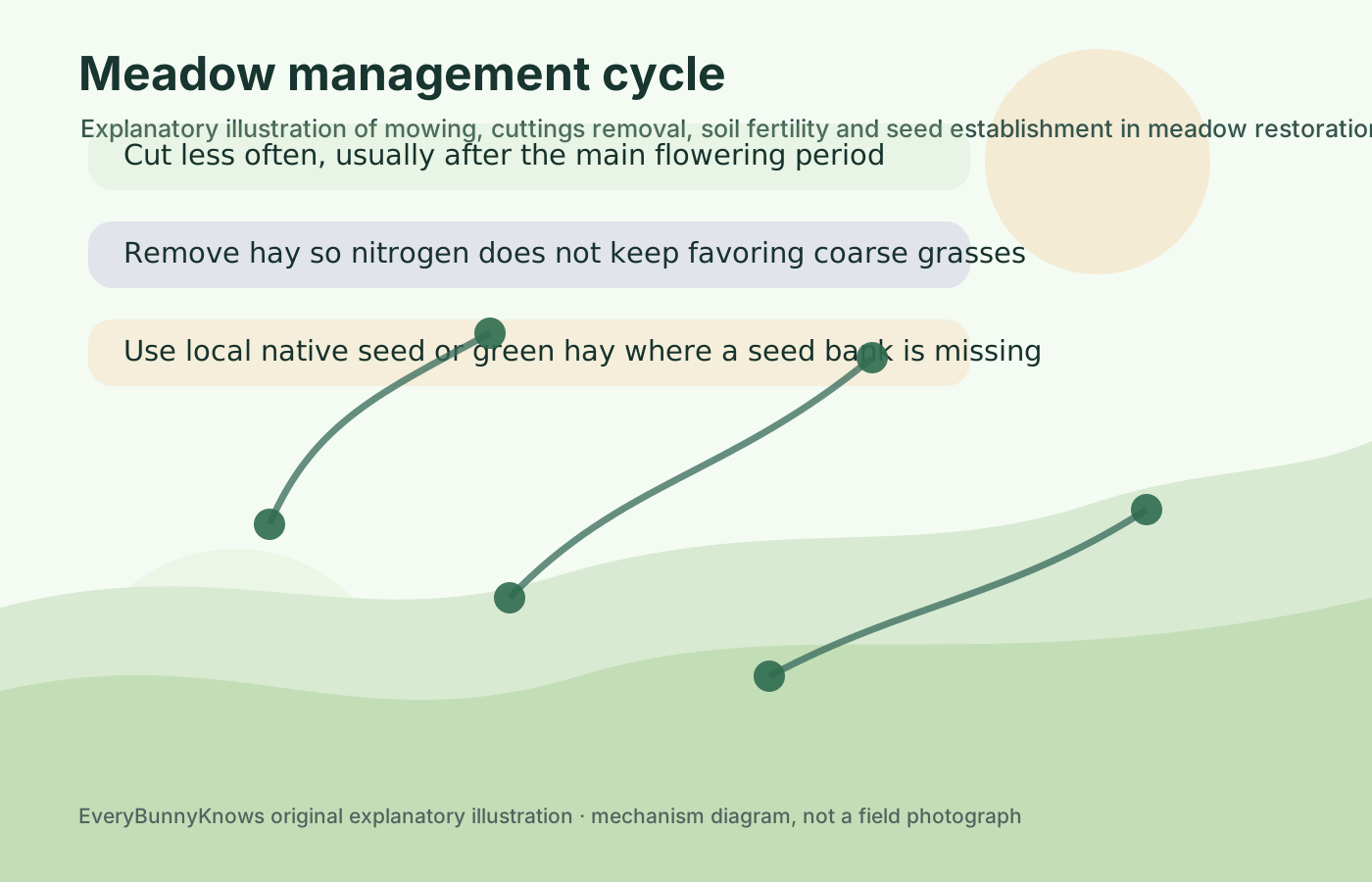
The mechanism begins with soil fertility. Many wildflowers lose when nitrogen is high, because vigorous grasses and docks grow tall and shade them out. That is why meadow restoration often uses repeated cutting and removal of hay, not mulching. Taking the cut material away slowly exports nutrients. On former arable land or improved pasture, managers may also disturb the surface lightly, sow a native seed mix, spread green hay from a nearby donor meadow or introduce yellow rattle, a semi-parasitic plant that can reduce grass dominance.
Care continues after the first bloom. Mowing too early can remove nectar before insects reproduce and can prevent flowers from setting seed. Mowing too late every year can allow coarse vegetation and scrub to take over. Many successful projects use a late-summer hay cut, remove the cuttings, and leave some uncut strips that rotate from year to year. In towns, this can look untidy to people used to short turf, so signs and visible paths help explain that the change is deliberate care rather than neglect.
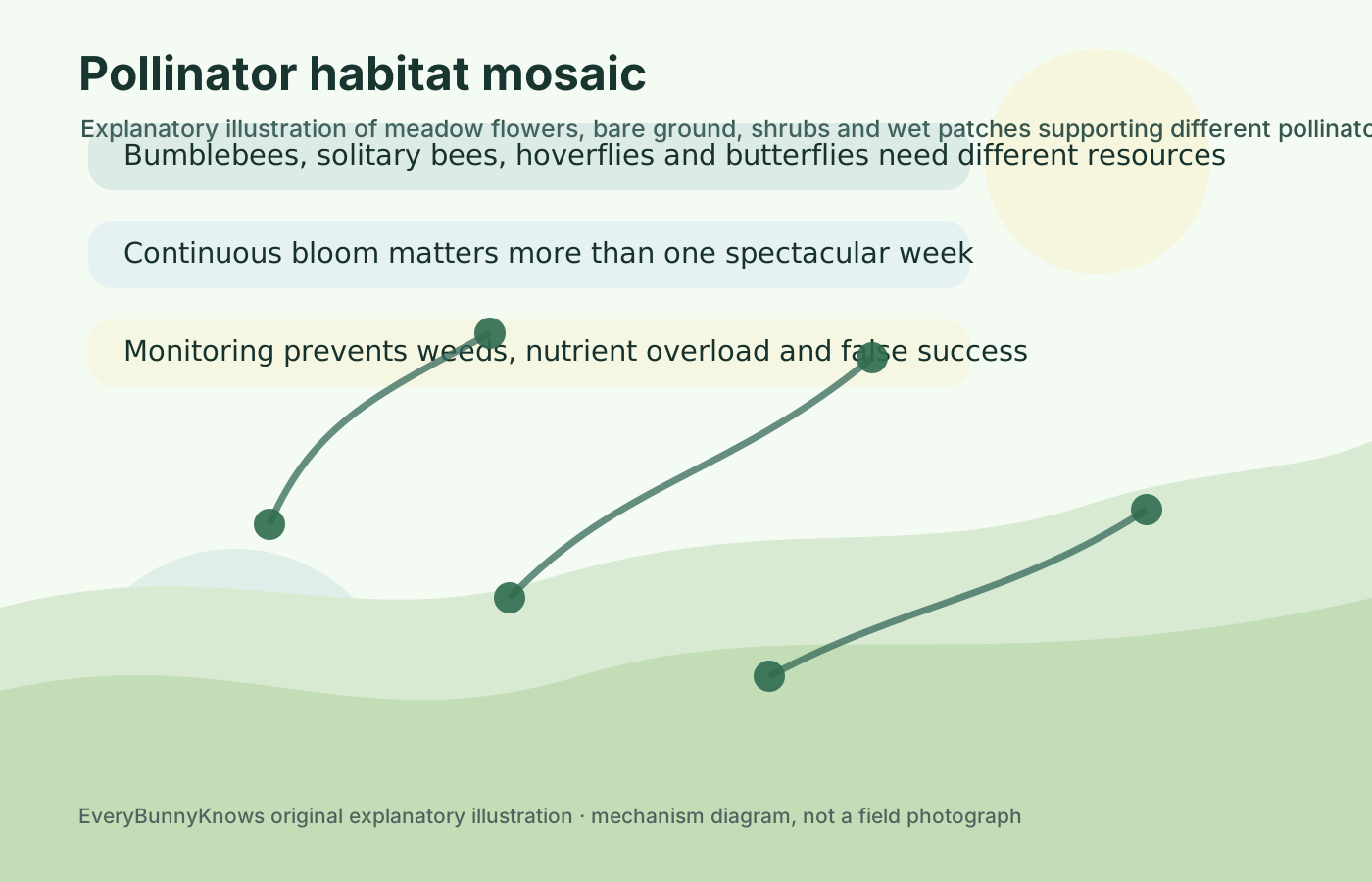
The evidence is encouraging but local. Studies of urban and agricultural flower strips show that native, diverse planting can increase visits by bees, hoverflies and butterflies, especially where surrounding landscapes lack flowers. Long-running meadow projects also show that plant communities can recover when nutrients fall and seed sources are nearby. Yet a meadow is not guaranteed by a packet of seed. Soil history, herbicide residues, invasive plants, deer pressure, drought, mowing equipment and nearby habitat all shape the outcome. Some rare grassland fungi and orchids may take far longer than common flowers to return.
That is why the most honest optimism is patient. A young meadow may spend its first year looking patchy while roots establish and annual weeds flare. By the third, fifth or tenth year, if it is cut, cleared and observed, the same ground can become cooler in summer, better at holding rain and richer in insects and birds. The lesson is small enough for a schoolyard and large enough for a farm margin: pollinator recovery depends less on a wild-looking aesthetic than on repeated choices that give flowers and insects time to complete their lives.