A Game Board in a Moroccan Bathhouse Turns Leisure Into Evidence
A board pattern reported from a medieval Moroccan bathhouse is a small find with a large social setting: it points to games, waiting, talk and shared rules inside the everyday architecture of the hammam.
Leo Sato ·
A board scratched or laid out in a medieval Moroccan bathhouse may sound like a footnote beside palaces, mosques and city walls. It is more intimate than that. A bathhouse was not only a place to wash. In the Islamic cities of North Africa, the hammam organized heat, water, waiting, conversation and neighborhood routine. A game board found in that setting turns leisure into archaeological evidence.
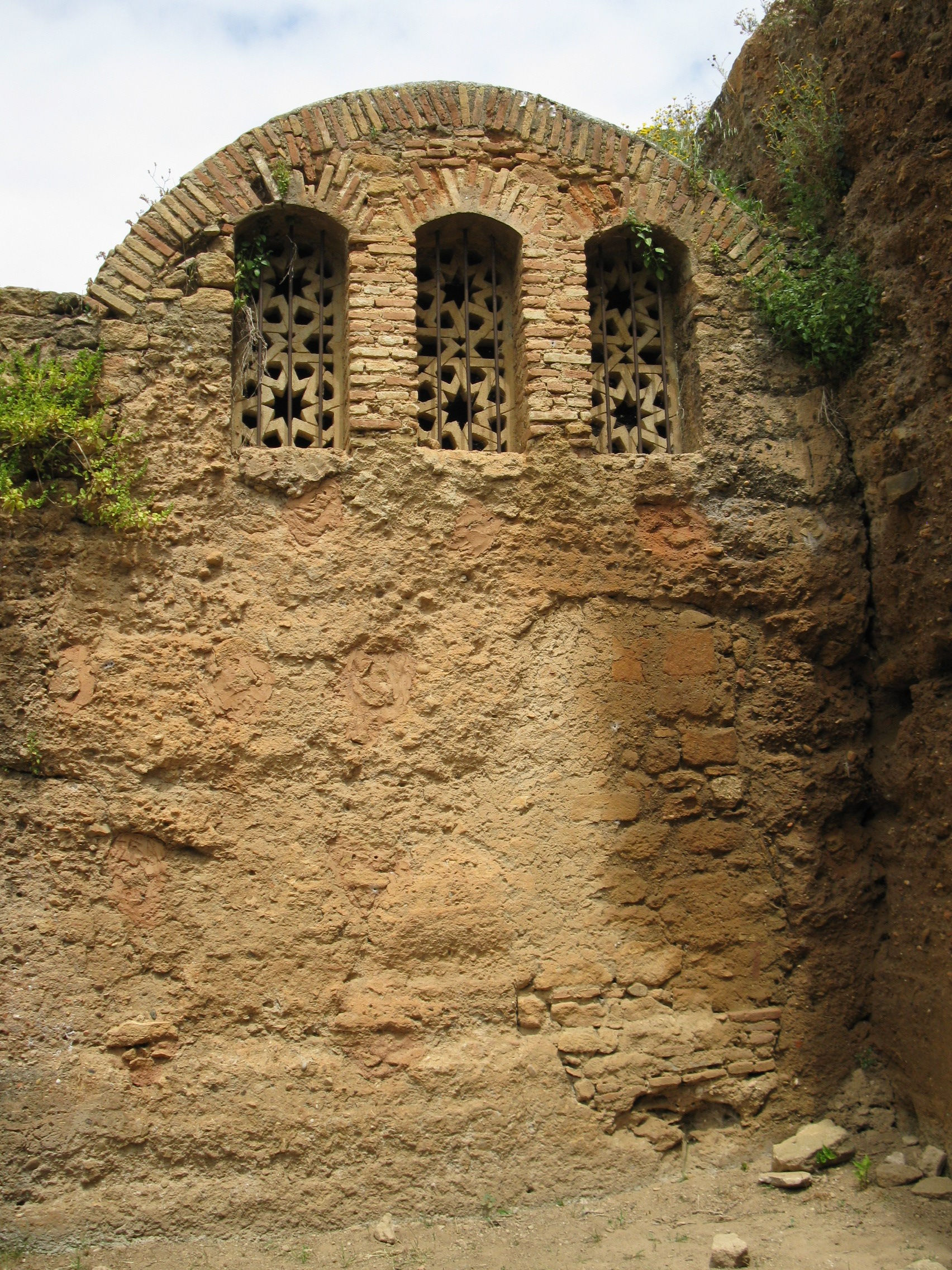
The important mechanism is simple: a pattern creates rules. Lines cut into stone, plaster or a portable object can turn an ordinary surface into a board for counters. The pieces might be pebbles, seeds, pottery sherds or coins. When archaeologists compare such patterns with known games such as alquerque or merels, also called nine men’s morris, they are asking whether the geometry matches a playable system rather than a random doodle.
That distinction matters because a game board is social technology. It requires at least two people who understand turns, moves, blocking, capture or alignment. It creates a small pocket of shared time. In a hammam, that time could come while waiting for a room, cooling down after heat, meeting neighbors or accompanying family members. The discovery therefore points to ordinary life: not only rulers and builders, but people passing time in a public building.
Medieval Morocco is the right setting for such caution and richness. Cities and market towns were connected to wider Islamic, Saharan and Mediterranean networks, but daily life was also made in local spaces: baths, streets, workshops, courtyards and fountains. The hammam belonged to health, cleanliness and ritual preparation, yet it also had a social rhythm. A board in such a place shows how play can leave marks where official texts might remain silent.
The find also helps correct a common imbalance in history. Games are sometimes treated as childish or marginal, but they preserve habits of counting, strategy, memory and sociability. They also travel well. Rules can move with merchants, pilgrims, craftspeople and families even when the boards are improvised from a few lines. A modest grid may therefore connect a Moroccan bathhouse to a much broader medieval world of shared play.
There are limits. Public reports available to automated checking give little detail about the exact grid, dating, material or associated finds, so the safest article does not name the game with certainty. A full excavation publication may refine the interpretation or change it. What can be said now is already worthwhile: the past was not only work, faith, trade and conflict. It also included pauses. In those pauses, people made rules, moved counters and turned architecture into companionship.
The board also reminds us how fragile the archaeology of play can be. Wooden boards rot, leather and cloth disappear, and loose counters are easy to mistake for ordinary stones unless their context is clear. Incised boards survive because someone used the building itself as the playing surface. That makes the bathhouse setting especially meaningful. The game was not hidden in a private chest; it was part of a shared room, a threshold, a bench or a floor where repeated presence could turn marks into a familiar invitation.