Mental disorders now carry the world’s largest disability burden. The response has to be public health, not blame
New global-burden estimates put mental disorders near 1.2 billion cases and among the leading causes of years lived with disability. The numbers are not a diagnosis for any reader; they are an argument for earlier support, safer services and less stigma.
Jonah Reed ·
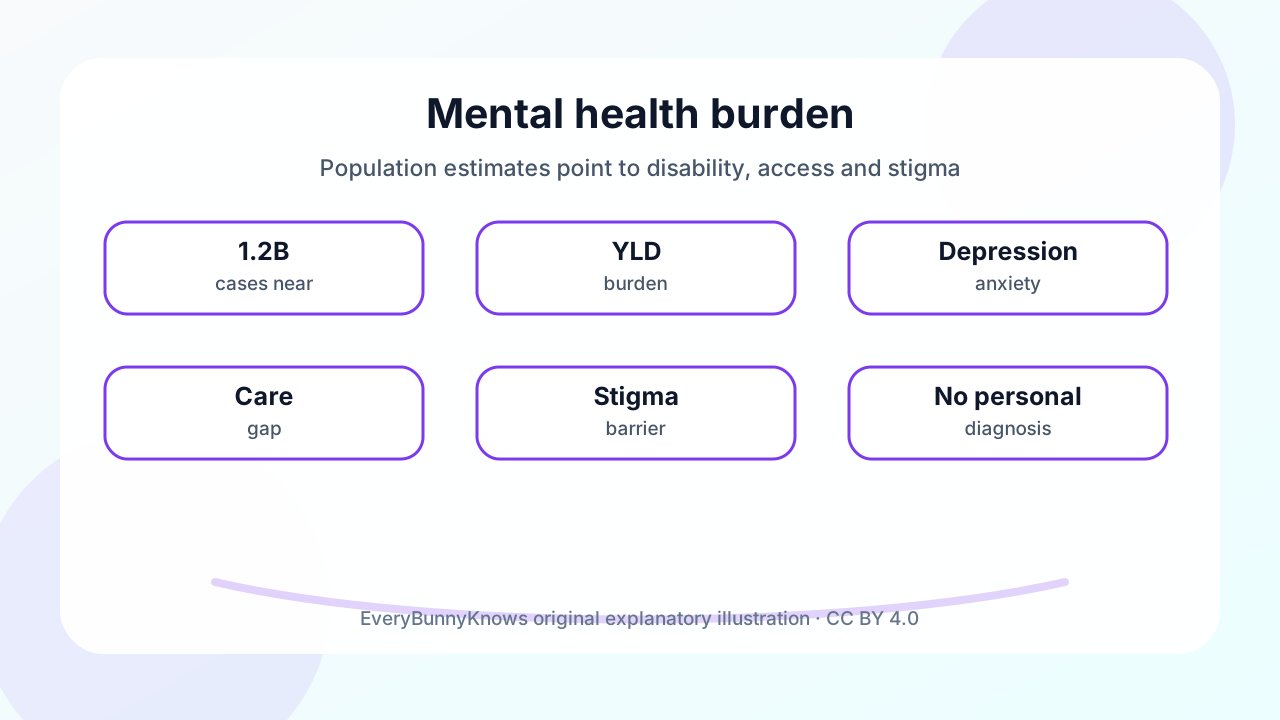
A global mental-health headline can sound abstract until the unit is disability: years in which people are alive, but daily life is narrowed by distress, impaired concentration, fear, low mood, trauma, psychosis or the social consequences of illness. Recent global-burden estimates place mental disorders near 1.2 billion cases worldwide and among the largest causes of years lived with disability. That scale is not a reason for panic. It is a reason to treat mental health as public health.
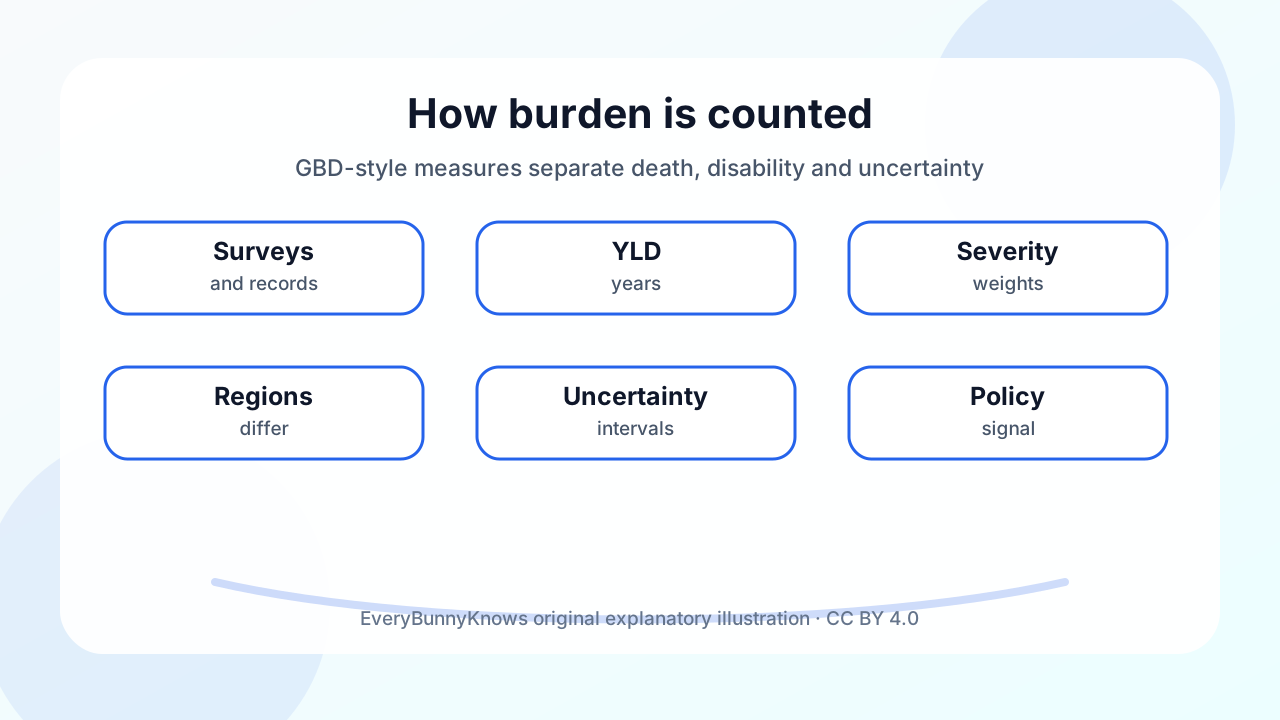
The measurement matters. Burden studies such as the Global Burden of Disease project combine survey data, health records, severity weights and statistical models to estimate prevalence and years lived with disability, or YLDs. Mental disorders usually do not dominate mortality tables in the way infections, cancers or cardiovascular disease can. They dominate a different ledger: the time people lose to disabling symptoms, interrupted schooling, unstable work, family strain and care that arrives late or not at all.
The World Health Organization has long warned that treatment gaps are large, especially for depression, anxiety, bipolar disorder, schizophrenia and substance-use disorders. The new numbers sharpen that warning without turning a population statistic into a diagnosis for any reader. A burden estimate cannot say what is happening inside one person’s life, and it cannot replace a clinician, crisis line or trusted local service when someone is in danger.
The mechanism behind the social burden is partly medical and partly structural. Symptoms can reduce sleep, attention, social trust and energy. Stigma can keep people silent. Cost, distance, workforce shortages and fragmented insurance can delay care. In schools and workplaces, a condition that is treatable or manageable can become disabling when support is absent or punishment comes first.
The limits are equally important. Global estimates carry uncertainty; diagnostic systems differ by country; some distress is undercounted where services are scarce; and not every sadness, fear or grief should be medicalized. Public-health language has to protect both truths: mental disorders can be serious, disabling health conditions, and ordinary human suffering should not be flattened into a label.
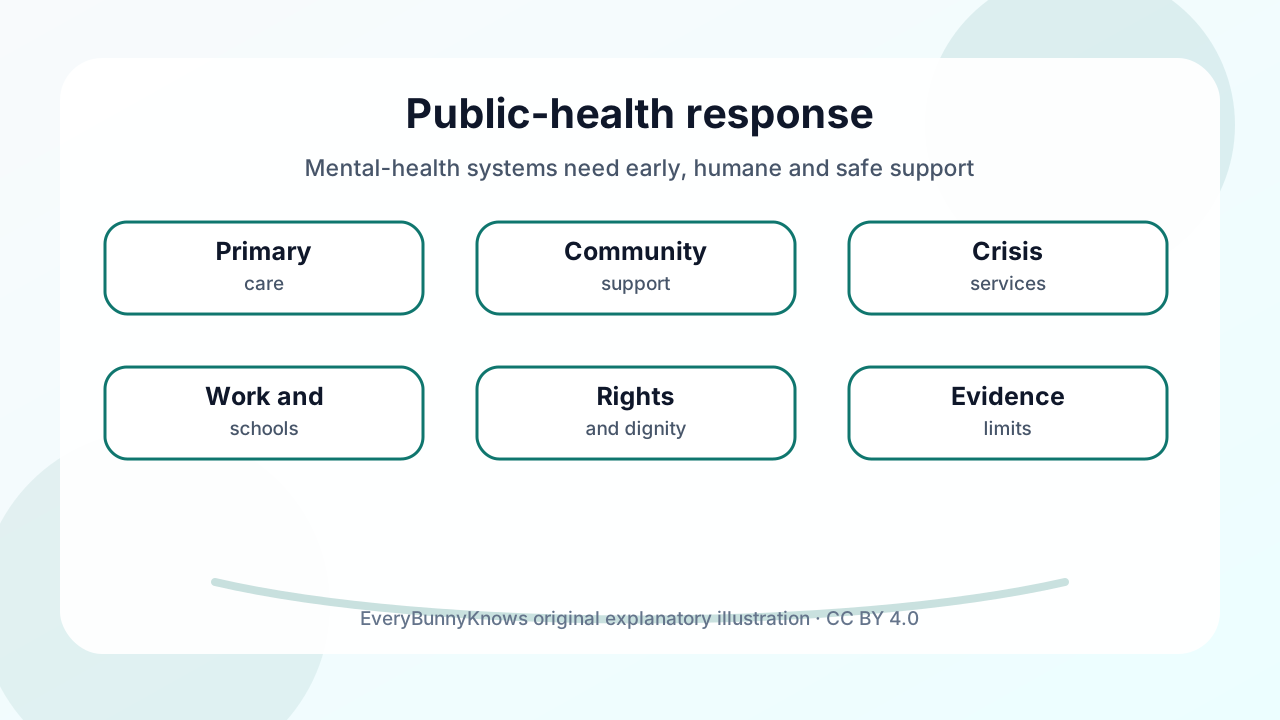
A useful response is therefore practical rather than dramatic. Governments can fund community mental-health teams, integrate screening and referral into primary care, protect crisis services, support schools, reduce poverty-related stressors and measure outcomes beyond hospital beds. Researchers can improve the picture by collecting comparable data in countries where mental illness is still hidden by shame, law or lack of services. Readers can take away a civic point, not personal medical advice: a billion-scale burden is a systems signal, and it deserves sustained budgets rather than annual awareness slogans. The hopeful part is that systems can change when disability, dignity and access are measured clearly enough to guide action.