Meteora, Greece: monasteries on stone pillars and the quiet paths below
Meteora’s monasteries make sense only with the rock beneath them: sandstone-and-conglomerate pillars, Orthodox monastic history, valley paths and visiting rules that turn a famous view into a lived landscape.
Noah Circuit ·
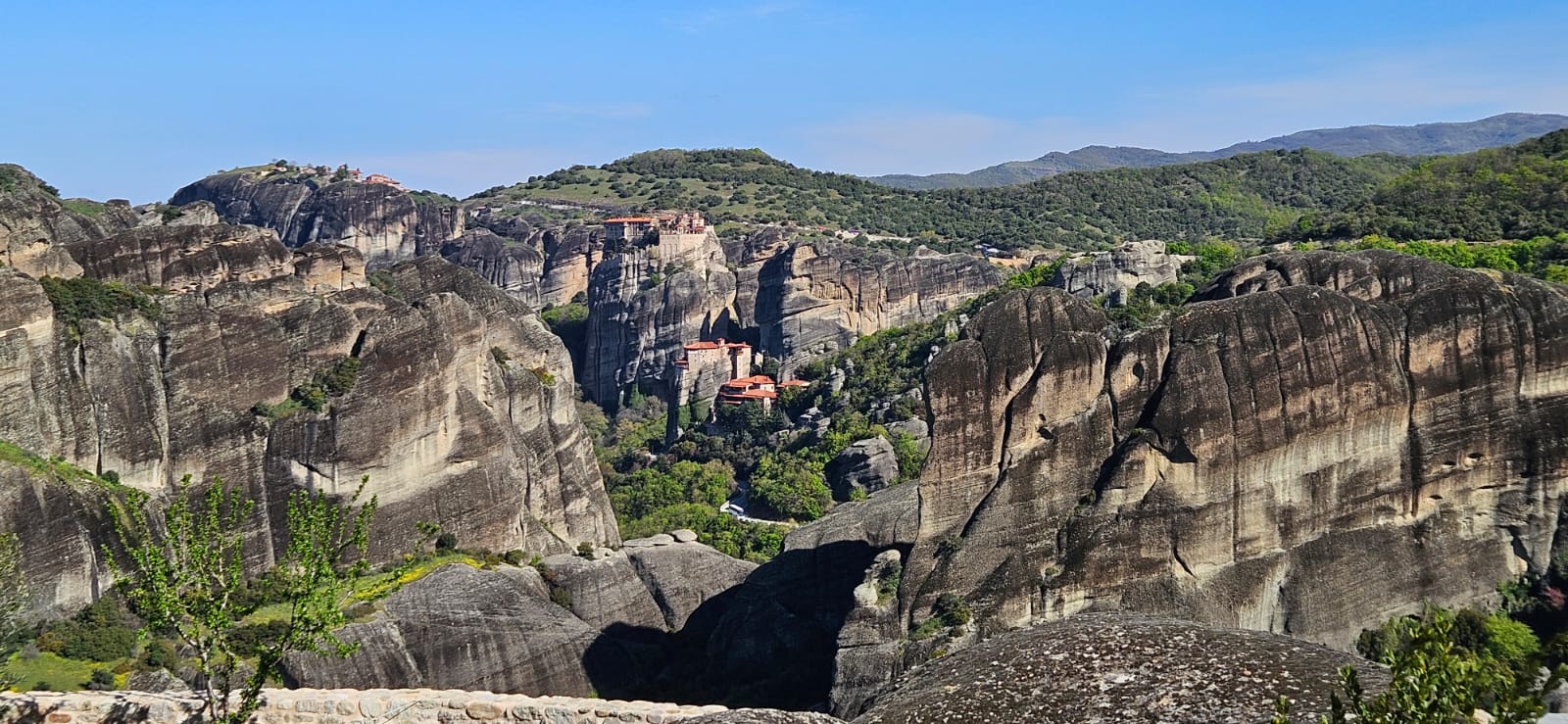
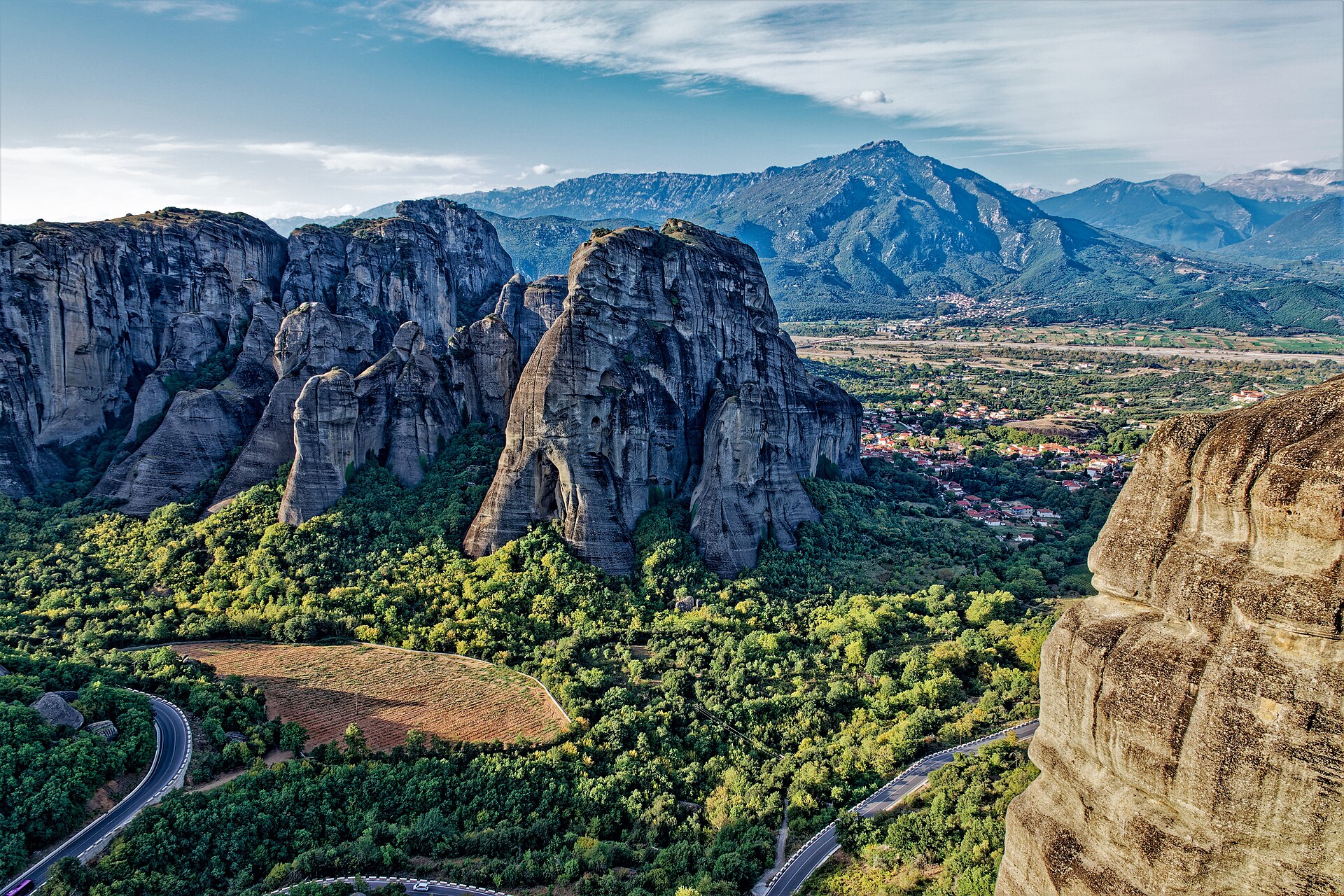
Meteora rises above the town of Kalambaka and the village of Kastraki in Thessaly, where stone pillars stand like a broken city of rock. The monasteries on top are famous, but the rock comes first. The towers are made of sandstone and conglomerate shaped by erosion over millions of years, and their vertical sides created places that were difficult to reach, easy to defend and well suited to withdrawal from ordinary noise.
UNESCO lists Meteora as both a cultural and natural World Heritage site because geology and monastic life cannot be separated here. Hermits used caves and ledges before organized monasteries developed from the 14th century onward. At their height, more monasteries existed than the six that remain active and visitable today. The buildings seem impossible from below, yet they follow a clear logic: height offered solitude, safety and a daily reminder that prayer required effort.
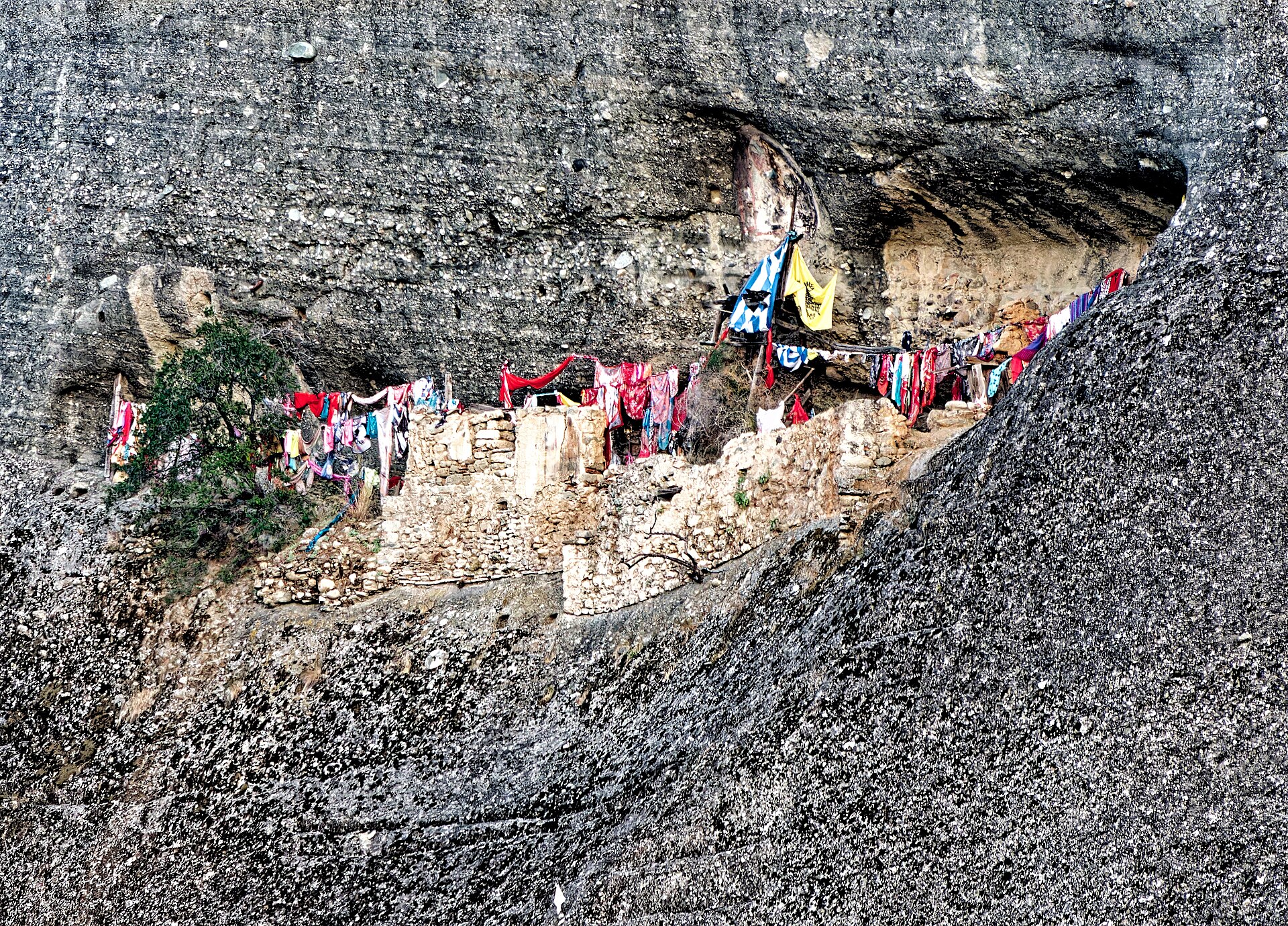
The practical details matter for visitors. Monasteries have opening days, dress rules and areas where photography is restricted. Some access now uses roads, bridges and stairways, but the setting still asks for patience. Entering a courtyard after climbing steps changes the famous view into a lived place of chapels, icons, kitchens, balconies and small museums. It is not only scenery; it is a working religious landscape that receives travellers.
Walking below the cliffs gives Meteora its missing half. Paths between Kastraki, Kalambaka and the monasteries pass oak, plane trees, herbs, rock faces and old routes once used before modern roads. On foot, the pillars stop being isolated monuments and become a system of shade, slope, sound and distance. Morning and late afternoon are usually kinder than midday, when heat and buses can flatten the experience.
Food anchors the place back in Thessaly. After the cliffs, a meal in Kalambaka or Kastraki might mean pies with greens or cheese, beans, lamb, grilled vegetables, honey, yogurt and local wine. The cooking is not the reason Meteora is protected, but it helps visitors slow down enough to notice the plain around the rocks and the villages that make daily life possible below the monasteries.
The order of visits can change the whole day. Starting with a path from Kastraki or Kalambaka gives the cliffs weight before the monastery interiors add icons, frescoes and balconies. Starting by car at the most famous viewpoints is easier, but it can make the rocks feel like isolated attractions. A slower sequence lets the landscape teach its own scale first, then lets the monasteries answer why people chose such demanding places for worship.
Meteora’s limit is its fame. Viewpoints can be crowded, drone rules and monastery rules must be respected, and a photograph from the road cannot explain why the place mattered to monks for centuries. The better approach is to combine one or two monastery visits with a walk and enough silence to see how the rock dictates movement. Meteora remains hopeful not because it escapes the modern world, but because it still teaches attention: to stone, to effort, to rules, and to paths that make wonder durable.