Move for health, not just for the scale, says new AHA physical-activity statement
An American Heart Association scientific statement reframes physical activity in obesity care: exercise alone rarely produces large weight loss, but it can improve blood pressure, insulin resistance, cholesterol and fitness even when the scale moves slowly.
Leo Sato ·
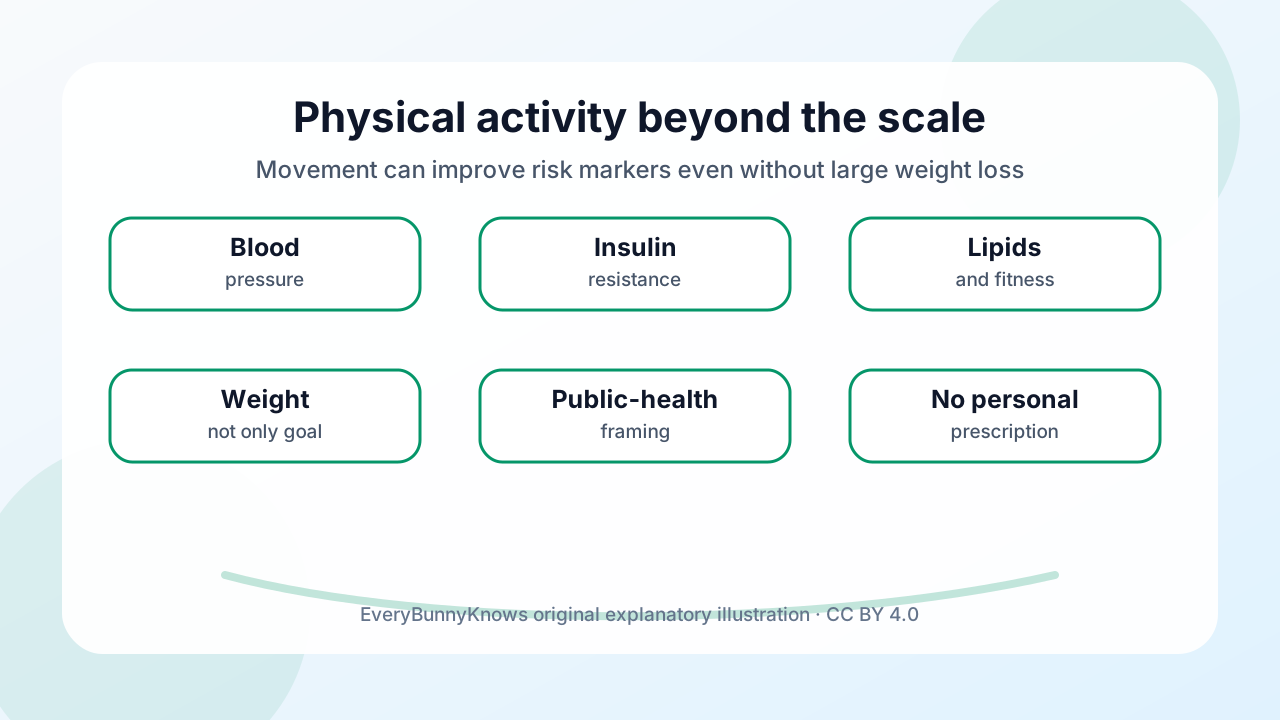
A new scientific statement from the American Heart Association gives a useful public-health correction to one of the most discouraging ideas in weight and health: if the number on the scale does not fall quickly, movement must not be working. The statement, published in Circulation and led by an expert writing group including Damon L. Swift and colleagues, says physical activity belongs at the center of comprehensive obesity care, but not because it reliably acts like a large weight-loss drug on its own.
The mechanism is broader. Aerobic activity, resistance training and less sitting can improve blood pressure, insulin resistance, cholesterol patterns, cardiorespiratory fitness and vascular function. Those changes matter because many people living with overweight or obesity carry cardiometabolic risks long before any dramatic change in body weight appears. In the statement’s wording, physical activity and exercise programs are unlikely by themselves to produce clinically meaningful weight loss for most adults unless activity levels are exceptionally high. That is not a failure of movement; it is a reminder that body weight is regulated by appetite, energy expenditure, environment, medication, sleep, stress and biology.
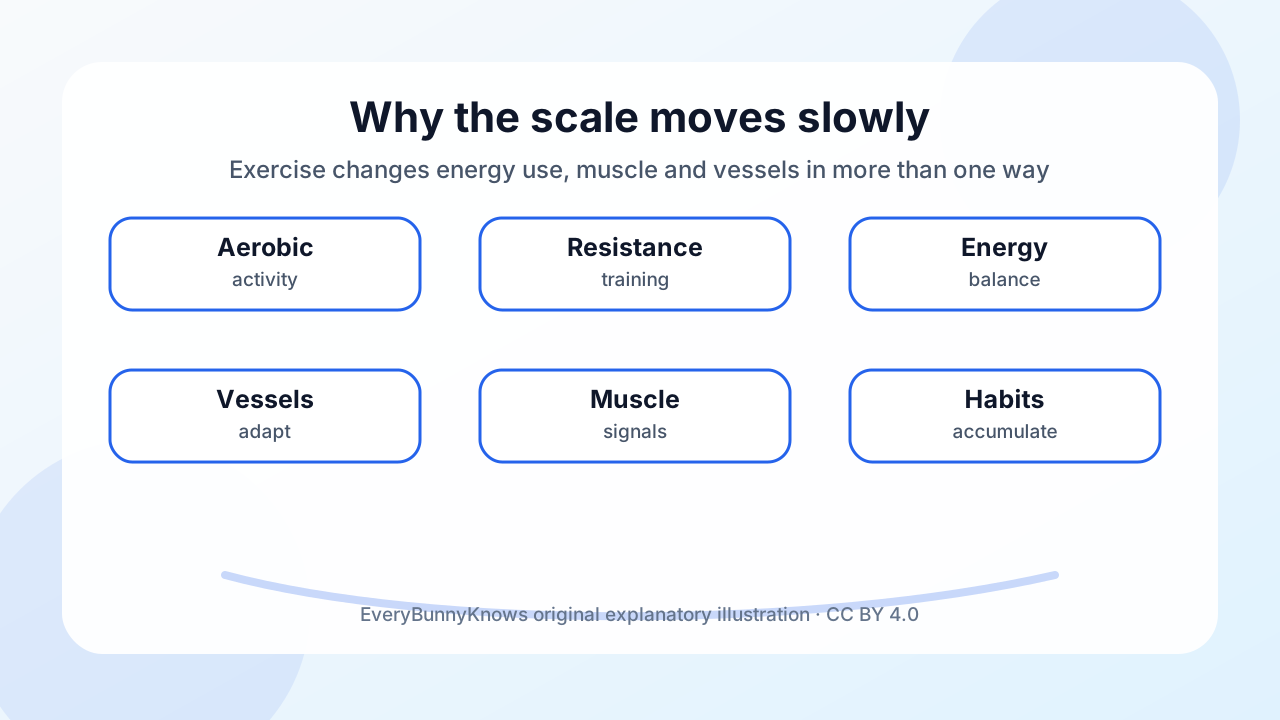
This distinction can make health communication kinder and more accurate. If exercise is sold only as a way to burn off kilograms, people may abandon it when the arithmetic disappoints. If it is explained as a cardiometabolic habit, the benefits become easier to see: walking farther without breathlessness, lower resting blood pressure, better glucose handling, stronger muscles for daily tasks, or a more sustainable routine after medication, dietary treatment or bariatric surgery.
The AHA statement also keeps the limits visible. It does not say that movement replaces nutrition support, anti-obesity medicines, surgery, sleep care, mental-health care or structural changes that make safe activity possible. It does not prescribe one workout to every reader. People with symptoms, chronic illness, pregnancy, injury or disability need individual clinical guidance; public-health writing should not pretend to be a personal exercise plan.
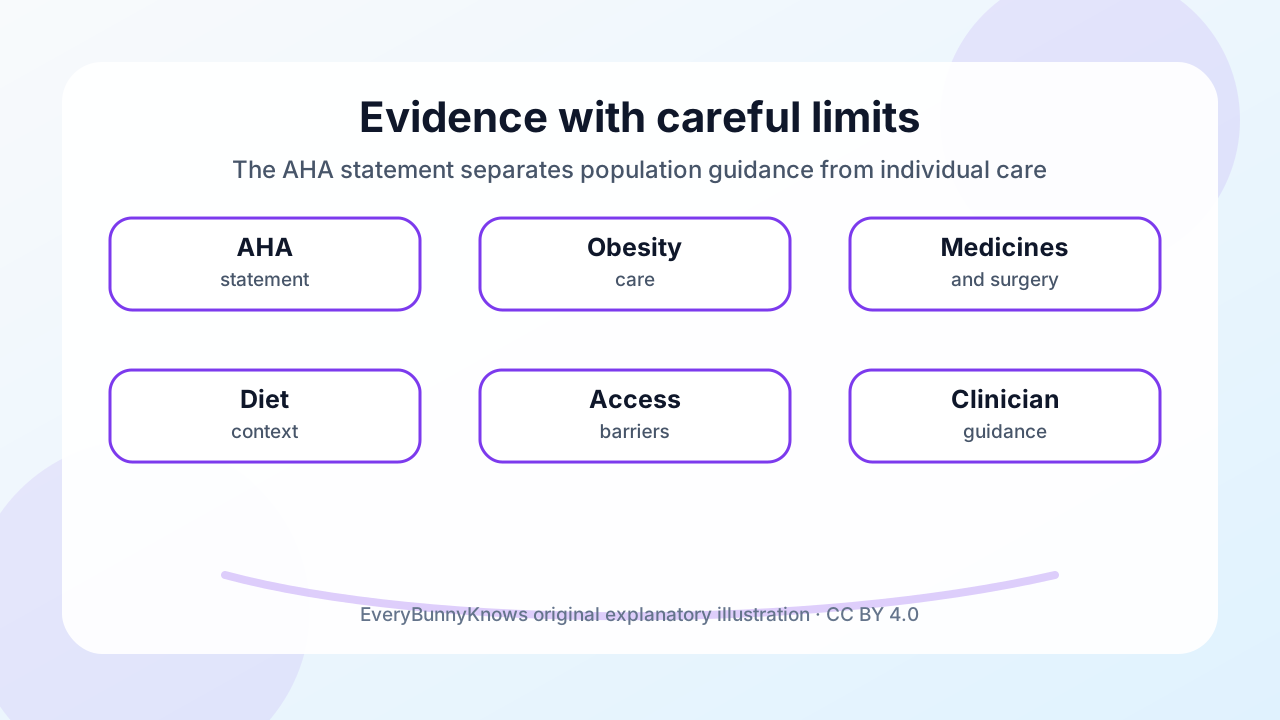
The social context is just as important as the physiology. A recommendation to “move more” lands very differently for someone with a safe park and flexible work schedule than for someone with pain, shift work, unsafe streets, caregiving duties or no affordable facility nearby. A serious public-health message therefore has to include access, adaptation and dignity, not just motivation.
The hopeful point is practical: health can improve before a scale delivers a satisfying story. For clinicians, that means measuring fitness, blood pressure, glucose and lipid risk alongside weight. For communities, it means designing streets, schools, workplaces and care systems where ordinary movement is easier to choose. And for readers, it means understanding movement as a health signal in its own right, not a moral test and not a promise of a specific weight outcome.