New Gulf Coast Plan Uses Ocean Technology to Trap Carbon Dioxide
A University of Houston coastal assessment treats the Gulf Coast as a test of marine carbon removal: useful infrastructure, powerful chemistry and safeguards that must be proven.
Hana Meridian ·
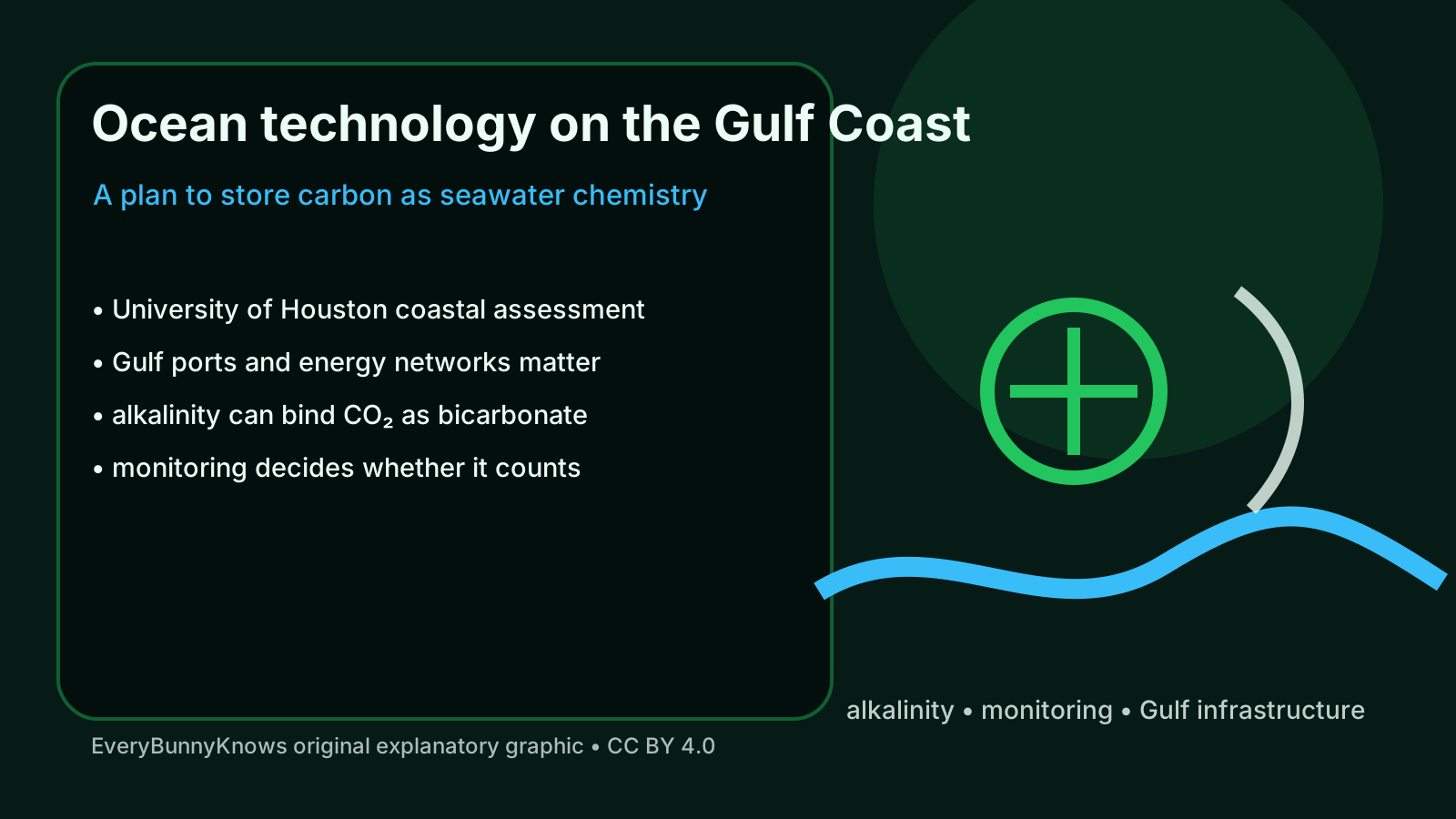
The Gulf Coast is often described through storms, oil, ports and wetlands. A new University of Houston plan adds another layer: could parts of this working coast help test ocean technology that traps carbon dioxide at meaningful scale in real coastal conditions? The idea is not to treat the Gulf of Mexico as a magic sponge. It is to examine whether coastal infrastructure, seawater chemistry, monitoring networks and industrial expertise can support marine carbon dioxide removal in a way that is measurable, safe and worth the energy it consumes.
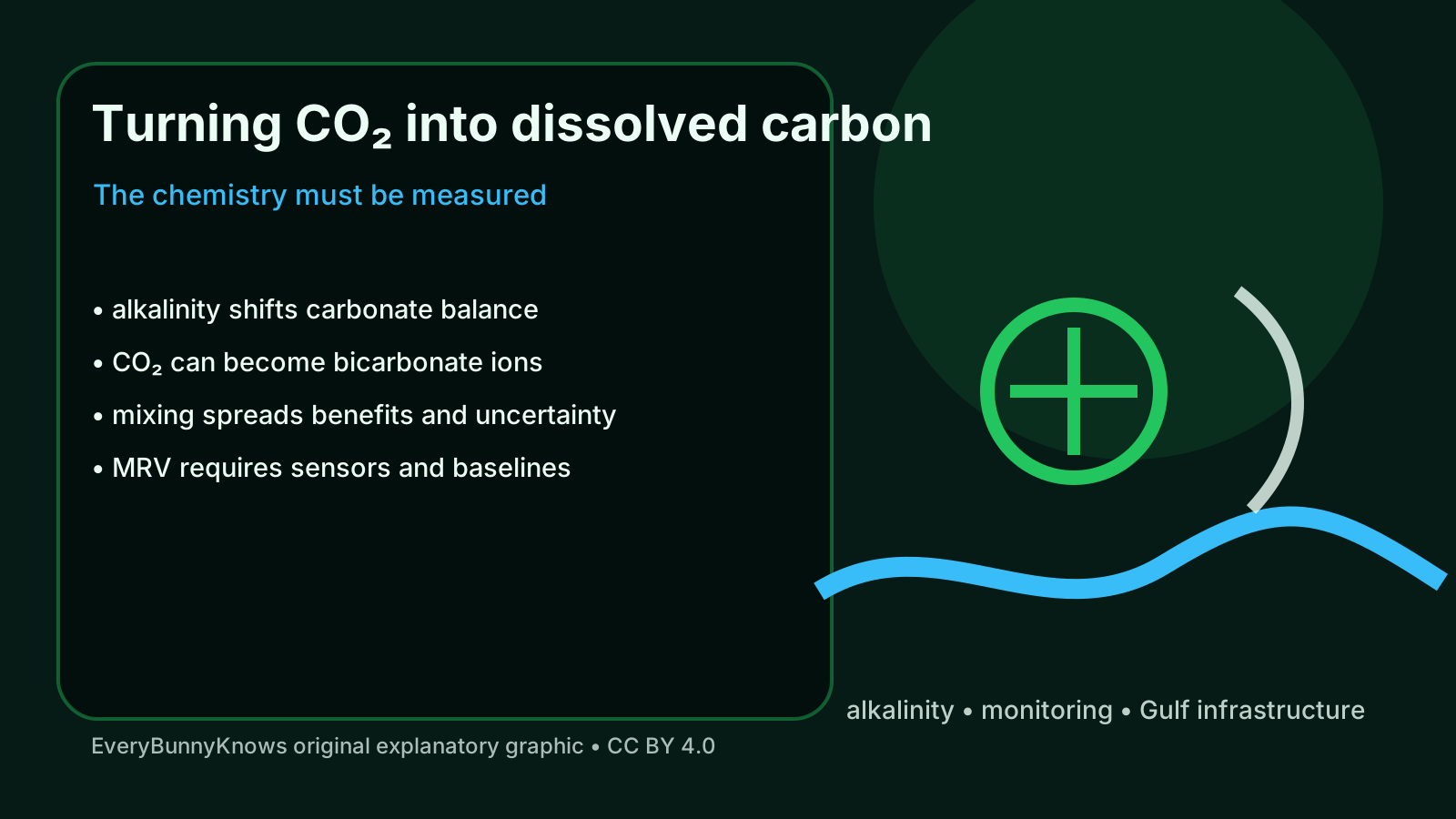
The basic chemistry is that the ocean already stores a vast amount of carbon as dissolved inorganic carbon: carbon dioxide, bicarbonate and carbonate ions. Some ocean carbon-removal approaches try to increase alkalinity, shifting the balance so more atmospheric CO2 can enter seawater and remain mainly as bicarbonate for long periods. Other approaches separate carbon from seawater directly and then store it. In both cases, the claim only counts if the additional removal is measured against a baseline and if the process does not simply move emissions from the sea to the power plant supplying the equipment.
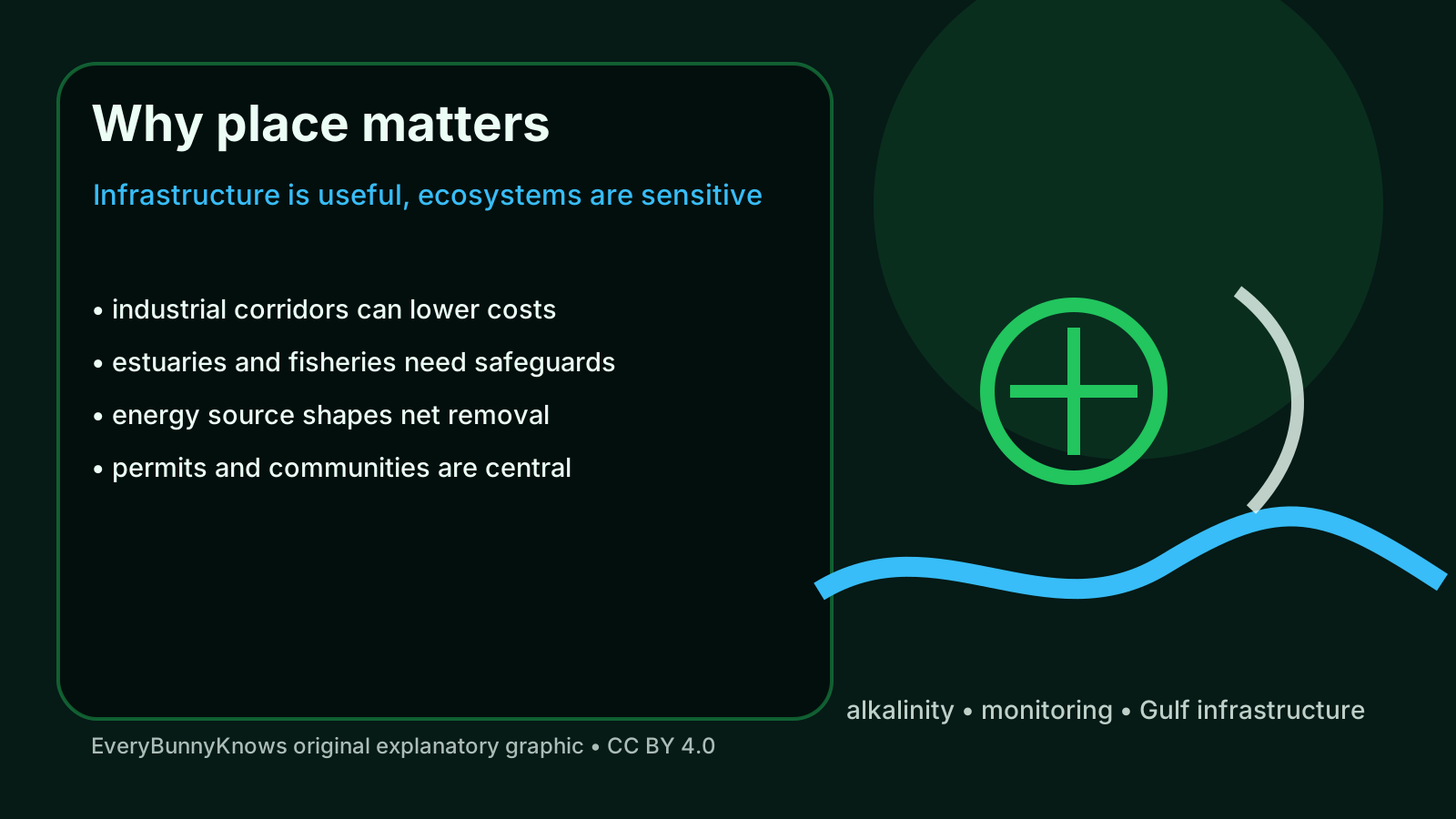
Place matters, which is why this is a geography story as much as a climate-technology story. The Gulf Coast has ports, pipelines, chemical plants, energy workers, research universities and offshore experience. Those assets can lower costs and make pilots easier to service. The same coast also has estuaries, fisheries, oyster grounds, marshes, environmental-justice communities and hurricane exposure. A technology that looks elegant in a laboratory must still survive permitting, storms, corrosion, community review and ecological monitoring.
The mechanism therefore includes governance. Researchers and planners have to decide where seawater would be taken in, how minerals or electricity would be supplied, what by-products would be returned, how pH and trace metals would be monitored, and who would verify that carbon stayed out of the atmosphere. Sensors, autonomous vehicles, moorings and coastal models can help, but they do not remove the need for transparent accounting. Marine carbon removal is only climate action if it is additional, durable and socially legitimate.
There are real limits. The National Academies and other scientific assessments describe ocean-based carbon dioxide removal as promising but immature. Ecological side effects, leakage, uncertain mixing, energy demand and monitoring difficulty remain major questions. A Gulf Coast plan should not be read as permission for continued fossil emissions. At best, carbon removal is a supplement for hard-to-eliminate emissions after rapid cuts, not a substitute for reducing pollution at the source.
The useful optimism is practical. If the Gulf Coast is evaluated carefully, it can teach whether ocean carbon technology belongs in the climate toolkit, where it should not be used, and what safeguards must come first. That knowledge is valuable even if some concepts fail. A good plan does not ask the ocean to hide a problem humans refuse to solve. It asks whether a specific coast, with all its infrastructure and vulnerability, can help remove some carbon while making the evidence visible enough for the public to trust.