Baby carriers are useful tools. Safety guidance has to be as clear as the straps
A Durham University review of slings and baby carriers found both everyday benefits and rare but serious risks when fit or positioning is wrong. The lesson is clearer public guidance, not fear or one-size-fits-all advice.
Tereza Field ·
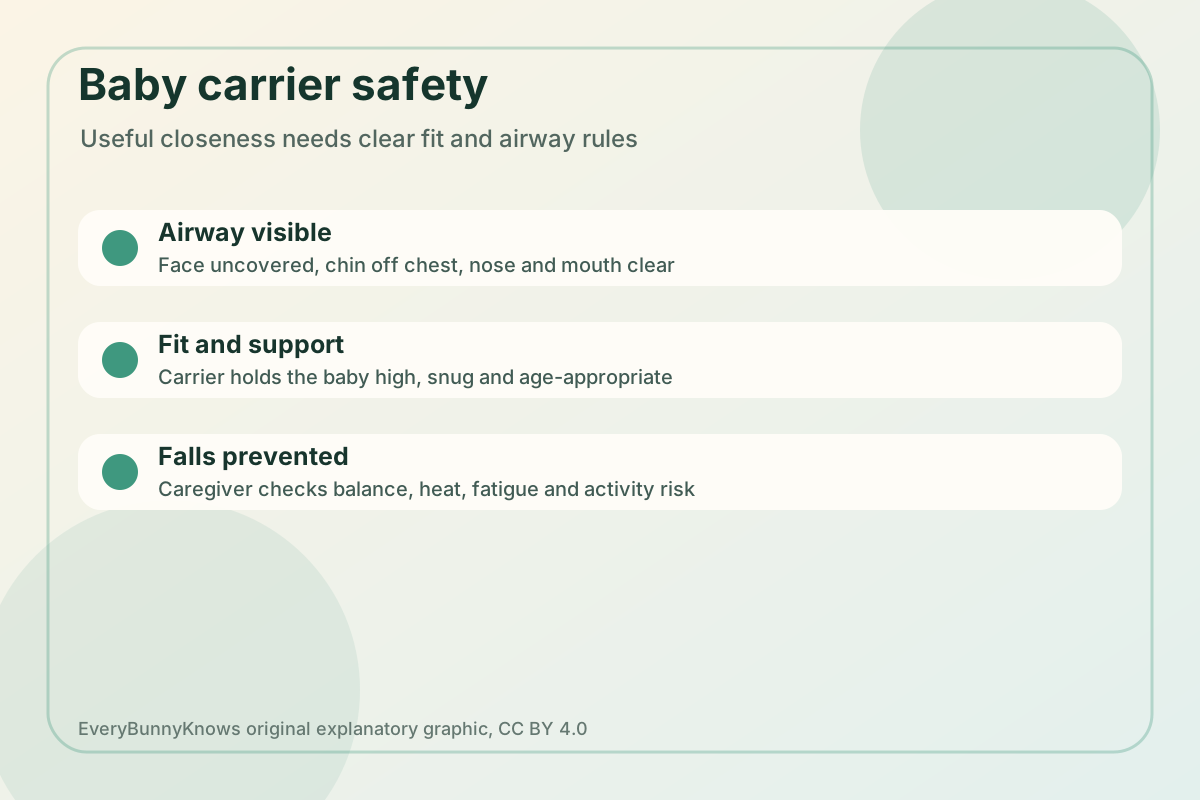
A baby carrier can be a practical piece of family equipment: it keeps an infant close, leaves an adult’s hands freer and may make feeding, soothing or moving through a busy day easier. A 2026 review in BMJ Paediatrics Open, led by Sophie R. Lovell-Kennedy and colleagues at Durham Infancy & Sleep Centre, argues that the public message needs to hold two truths together. Adult-worn slings and carriers can have benefits for babies and caregivers, and they also need clearer safety guidance because poor fit or positioning has been linked to rare deaths and injuries.
The review is useful because it refuses both panic and product hype. The team searched PubMed, Web of Science and CINAHL for studies from 2000 to 2024 and included 62 papers. Most studies were small, and much of the evidence came from North America, but the review also found work from Europe, Africa, Asia and Australia. Parents often used carriers because they wanted to respond to their baby while staying mobile. Reported benefits included closeness, convenience and caregiver confidence. Reported harms were less common, but serious: accidental infant deaths, mainly involving asphyxia, and injuries such as falls when a carrier was poorly fitted, wrongly positioned or used in a risky situation.
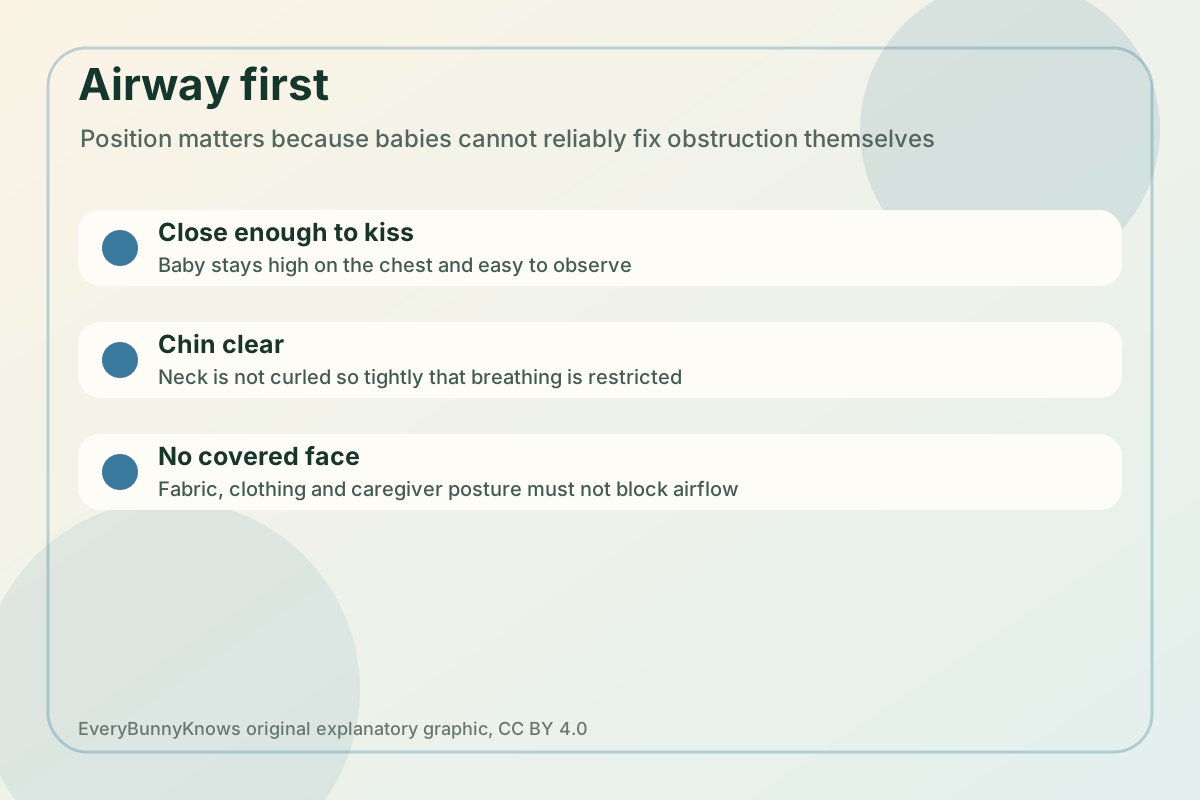
The mechanism is physical, not mysterious. Young babies have heavy heads, soft airways and limited ability to reposition themselves. If the chin is forced toward the chest, if fabric covers the face, if the baby sinks too low in a loose sling, or if the caregiver cannot see the baby’s breathing, a comforting tool can become dangerous. Falls are a second pathway: an adult bending, cooking, cycling, climbing, becoming drowsy or using a carrier that does not match the baby’s age and weight can turn a minor imbalance into an injury.
That is why safety advice should be concrete. Public-health organisations and babywearing educators often use simple principles: keep the baby close enough to kiss, keep the face visible, keep the chin clear of the chest, support the back and head according to developmental stage, and check that the carrier is snug but not compressing the body. Premature babies, very young infants, babies with respiratory illness or low muscle tone, and any child whose breathing looks unusual need extra caution and professional guidance. The same boundary applies to adult safety: back pain, poor balance, heat, loose fabric and distraction can change a normal errand into a risky setting. Good guidance should therefore describe when to stop as clearly as it describes how to start.
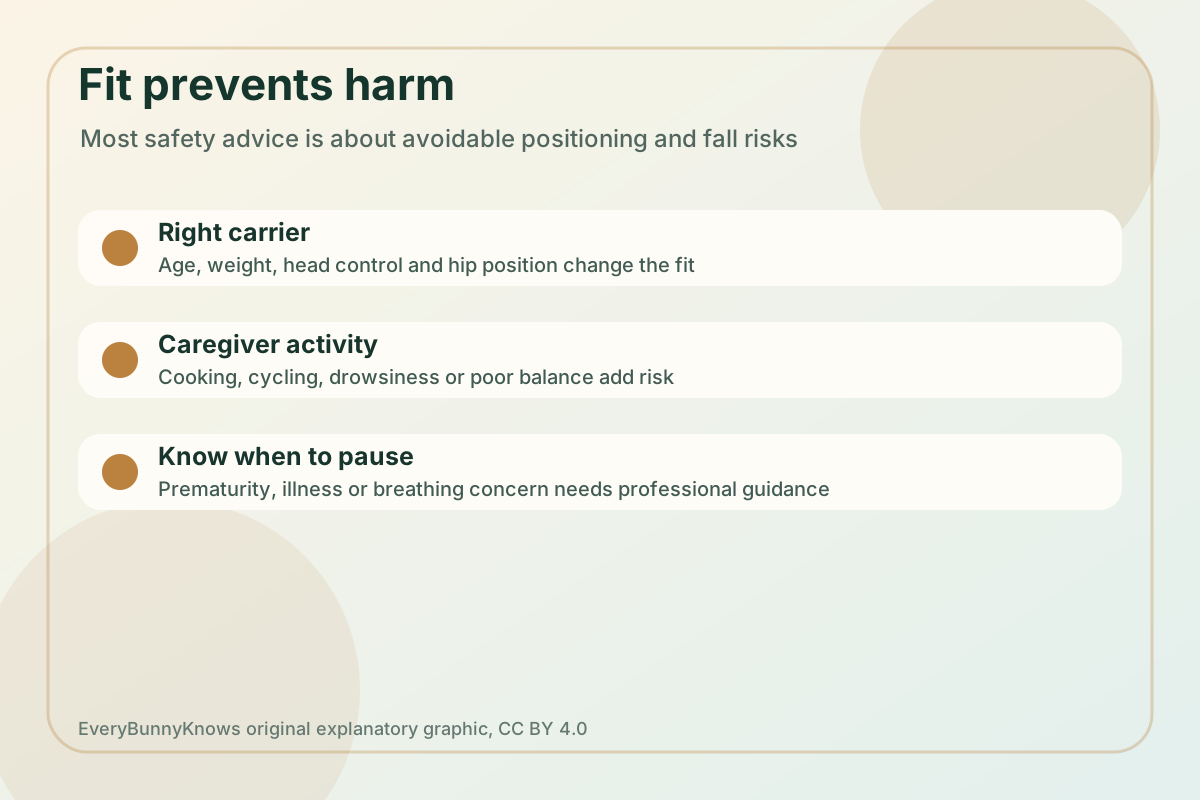
The limit is just as important as the advice. This review does not mean carriers are unsafe for every family, and it does not prove that one brand, wrapping style or checklist solves every situation. It also does not replace advice from a clinician, midwife, health visitor or trained babywearing specialist for a particular baby. What it supports is better information at the point of purchase, in maternity care and in community support: explain the airway, explain fit, explain falls, and make it easy for parents to ask for help before a problem occurs.