Solenostomus snuffleupagus: the hairy ghost pipefish that hid in plain sight
A newly described hairy ghost pipefish from the southwest Pacific shows why taxonomy still matters: without names, habitats, ranges and risks remain harder to see and protect.
Jonah Reed ·
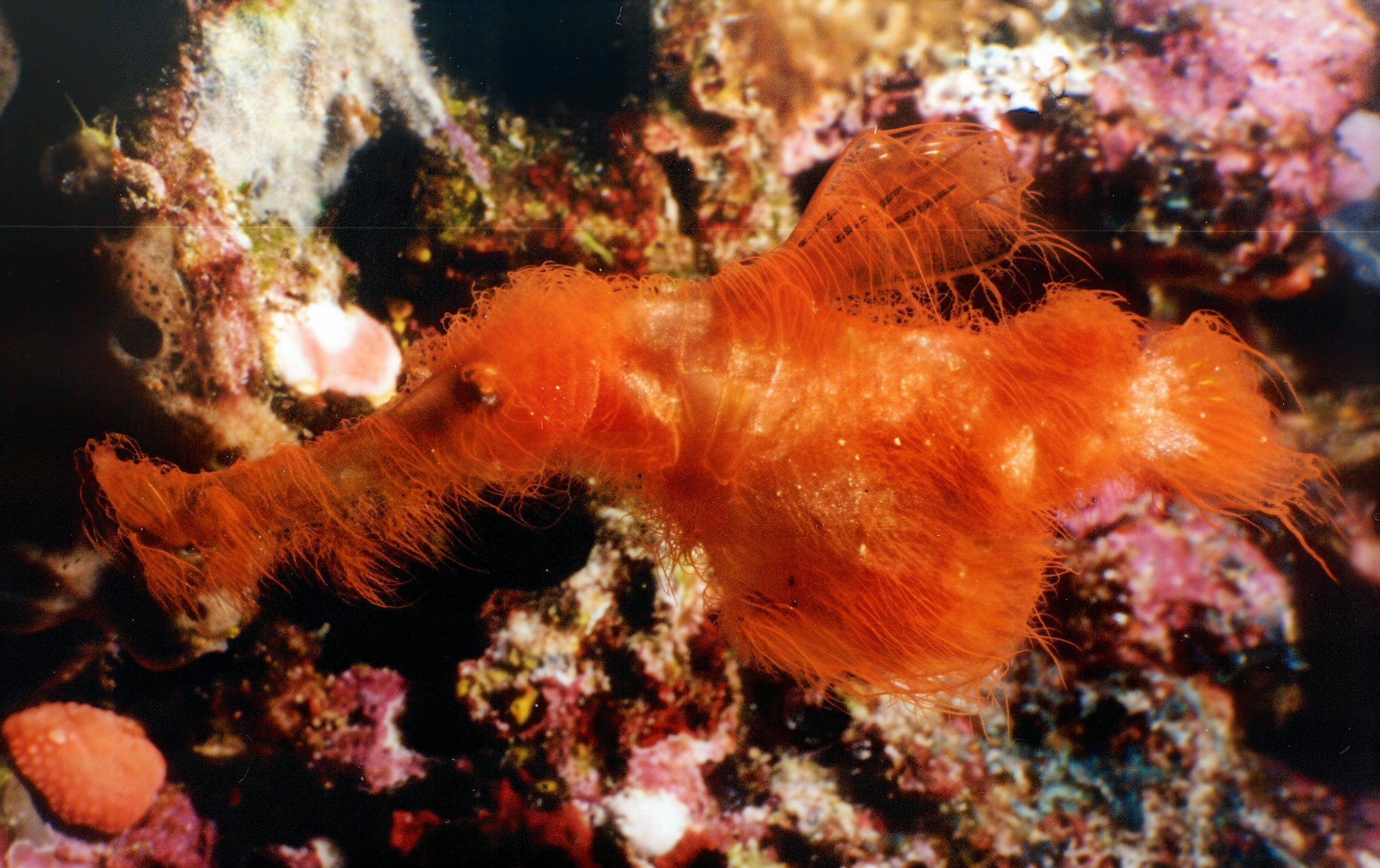
The new ghost pipefish did not arrive with the drama of a large predator or a coral reef bleaching event. It arrived as a small, hairy-looking fish that taxonomists could finally place with enough confidence to give it a name: Solenostomus snuffleupagus. The Sesame Street reference is easy to remember, and that is useful. But the more important story is how a creature that looks like drifting weed, sponge or debris can remain scientifically uncertain until morphology, photographs and comparison with close relatives are brought together.
Ghost pipefishes are masters of disappearing in plain sight. They are related to seahorses and pipefishes, but they have their own family, Solenostomidae, and a striking reproductive habit: females brood eggs in a pouch formed by enlarged pelvic fins. Many species hang nearly motionless among algae, corals, crinoids or loose plant material. That camouflage protects them from predators and from hurried human eyes. It also makes field records patchy, because a diver may miss the animal unless light, angle and patience all line up.
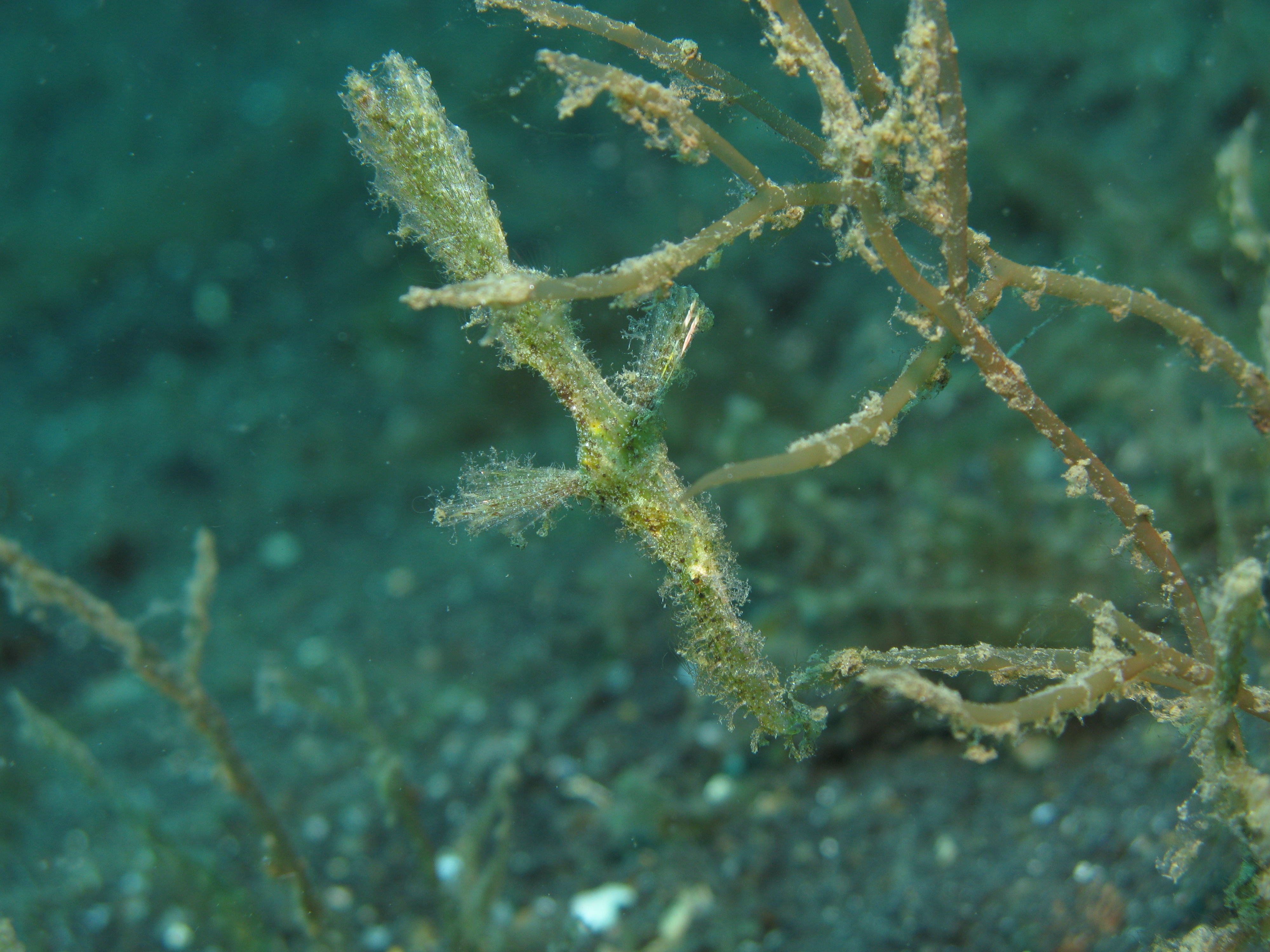
The 2026 Journal of Fish Biology paper described S. snuffleupagus as a hairy ghost pipefish from the southwest Pacific and compared it integratively with S. paegnius, a close-looking species. That word, integrative, matters. A new species is not created by a charming nickname. Researchers look at body proportions, snout shape, surface filaments, fin characters, colour, collection locality and, where possible, genetic or photographic evidence. The Sesame Street name helps the public remember the fish; the diagnosis is what lets other scientists recognize it.
The Australian angle is also a reminder of scale. Waters around Australia and the broader Coral Sea are among the most observed marine environments on Earth, yet they remain full of small, cryptic animals whose ranges, life cycles and habitat needs are poorly known. A fish that resembles a bit of fuzzy seaweed may occupy narrow microhabitats, appear seasonally, or be recorded mostly by expert divers and museum specialists. Until it is described, it can be confused with another species and disappear inside a broader label.
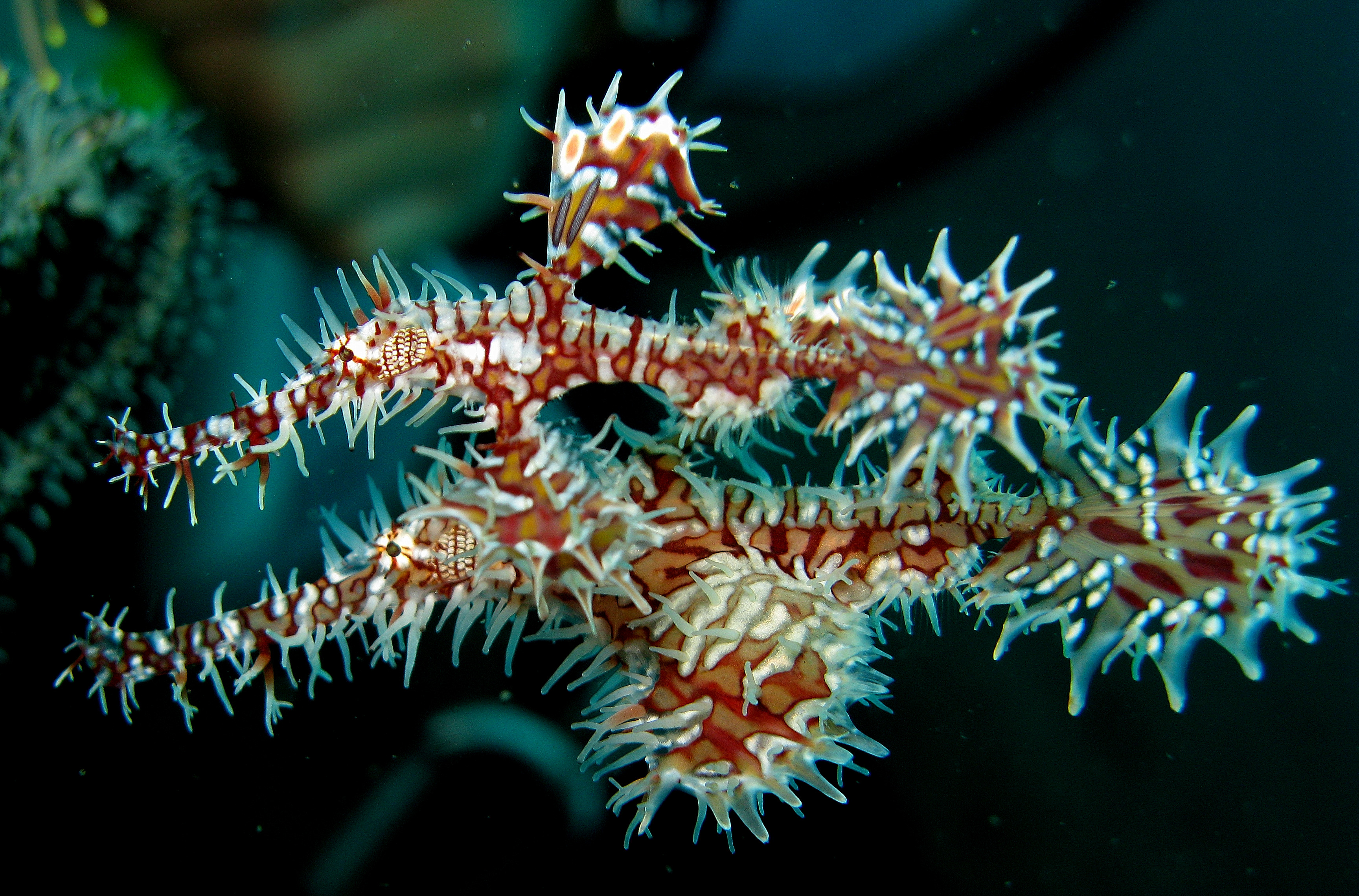
That is why taxonomy is conservation infrastructure. A named species can be entered into databases, compared across museums, searched in dive photographs, assessed for range and habitat, and eventually considered in marine planning. An unnamed form is harder to count and easier to ignore. The limits are just as important: a formal description does not automatically tell us population size, trend, tolerance to warming seas, or whether local threats are severe. For S. snuffleupagus, the honest next questions concern distribution, depth, preferred habitat, reproduction and how often it is being mistaken for other ghost pipefishes.
There is a gentle optimism here, not because one new name solves a reef crisis, but because careful attention still finds living detail in places we thought we knew. A playful species name can pull readers toward the animal. The lasting value comes when that attention turns into better records, better identification and a wider sense of responsibility for small marine lives that do not announce themselves.