A new single-cell proteomics tool gives heart-regeneration research a sharper map
CNIC researchers in Spain reported a way to characterize proteins in individual cardiomyocytes, helping scientists see which heart muscle cells carry repair-related signatures. It is a research-mapping advance, not a therapy for heart disease.
Sofia Lane ·
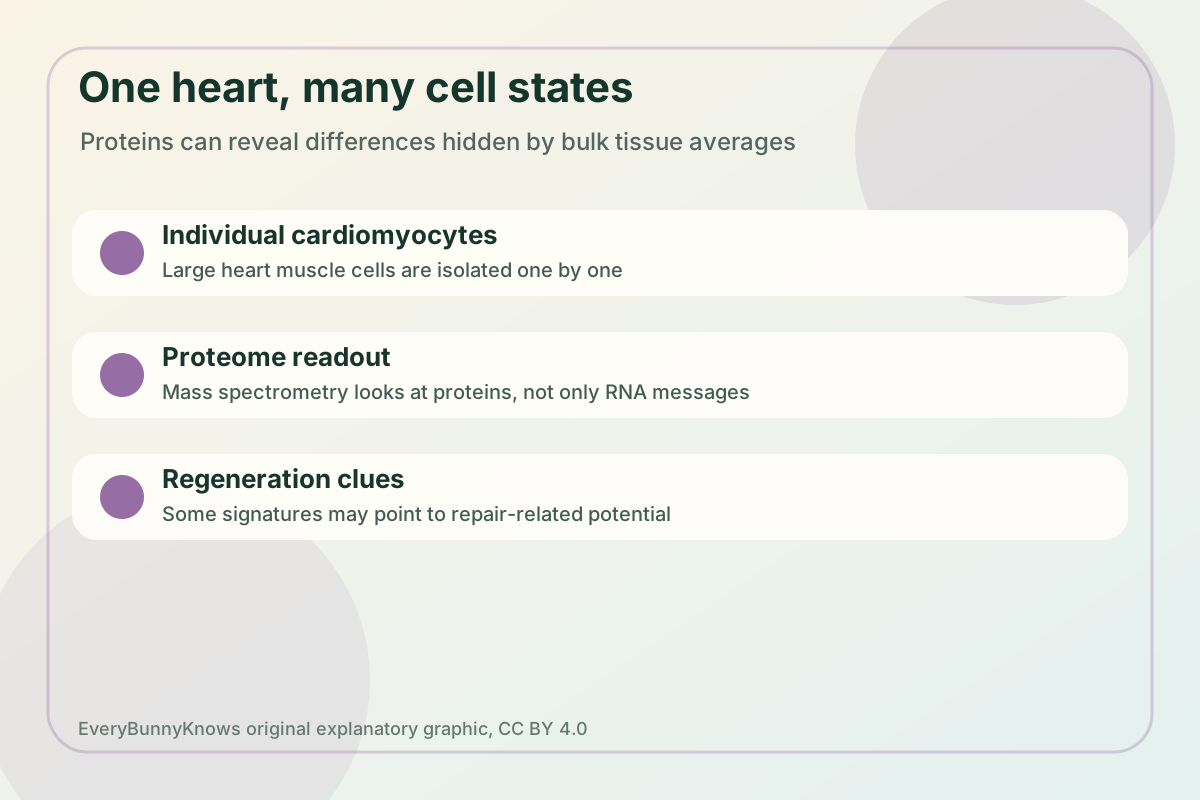
The adult human heart is an extraordinary pump, but a poor self-repair machine. After a heart attack, many damaged cardiomyocytes are replaced by scar rather than by new beating muscle. That is why a report from two teams at Spain’s Centro Nacional de Investigaciones Cardiovasculares, or CNIC, matters: they described a technology for characterizing the proteome of individual cardiomyocytes, giving researchers a finer way to see which heart muscle cells differ from their neighbors and which may carry signatures linked to regenerative potential.
The important word in this story is not cure, but resolution. Traditional tissue analysis can blend thousands or millions of cells into an average. Single-cell RNA methods reveal which genes are being transcribed, but RNA is still one step away from the proteins that build contractile machinery, control metabolism and execute cell behavior. Proteomics asks a more direct question: which proteins and protein patterns are actually present in a cell? For cardiomyocytes, that is technically difficult because they are large, structured cells packed with contractile proteins and mitochondria, not tidy little units made for easy measurement.
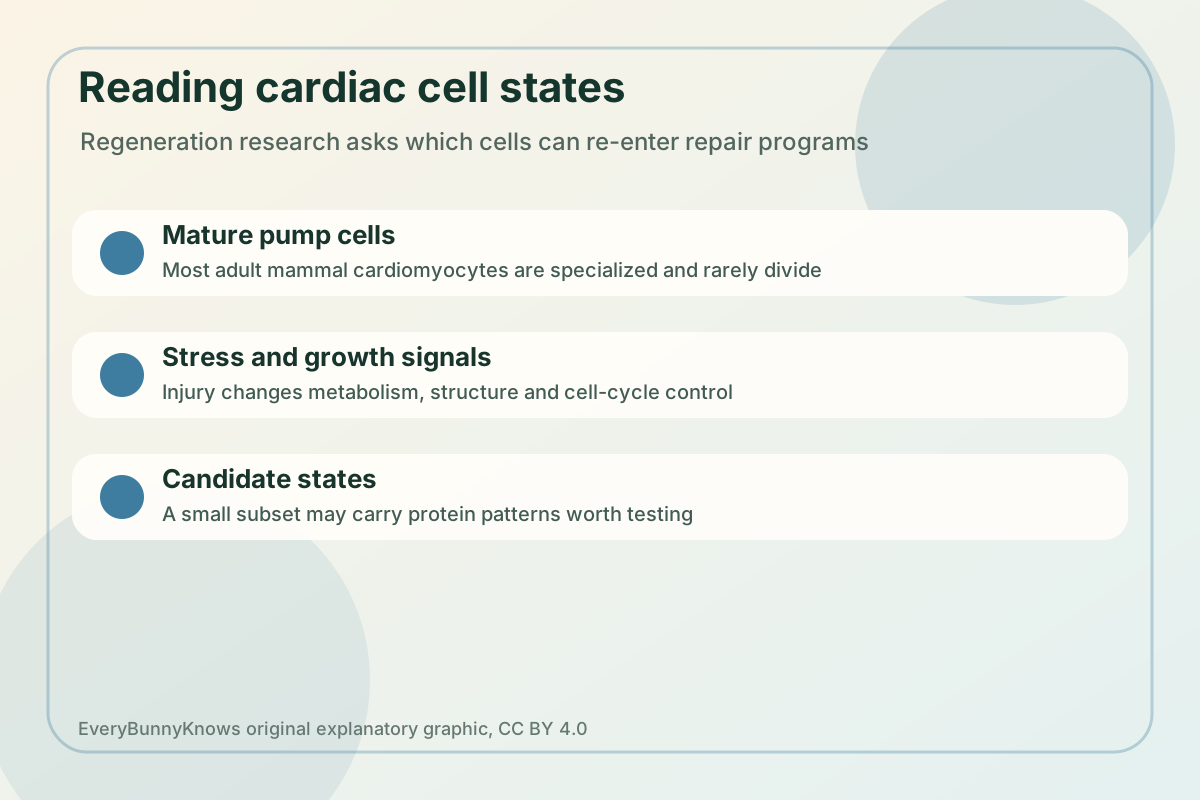
The mechanism is a better microscope for cell identity, even when no microscope image is involved. If researchers can isolate individual cardiomyocytes and read enough of their protein content, they can begin to distinguish cell states that bulk tissue would hide. Some cells may show protein programs associated with maturity, stress, metabolism, cell-cycle control, structural remodeling or communication with the surrounding tissue. In animals with stronger regenerative capacity, and in very young mammalian hearts, cardiomyocytes can behave differently from the mostly non-dividing adult cells familiar in human disease. A single-cell proteomic map can therefore suggest which states deserve functional testing.
That matters because heart regeneration has a long history of overinterpreted hope. Scientists have explored stem cells, reprogramming, immune signals, extracellular matrix, metabolism and cardiomyocyte proliferation. The central challenge remains: replacing lost heart muscle safely is not the same as identifying a promising cell signature. A heart must beat in coordinated rhythm, handle pressure, receive blood supply, integrate with nerves and avoid uncontrolled growth or arrhythmia. Any path from a protein map to a therapy would need validation in cells, animal models, human tissue and carefully designed clinical trials.
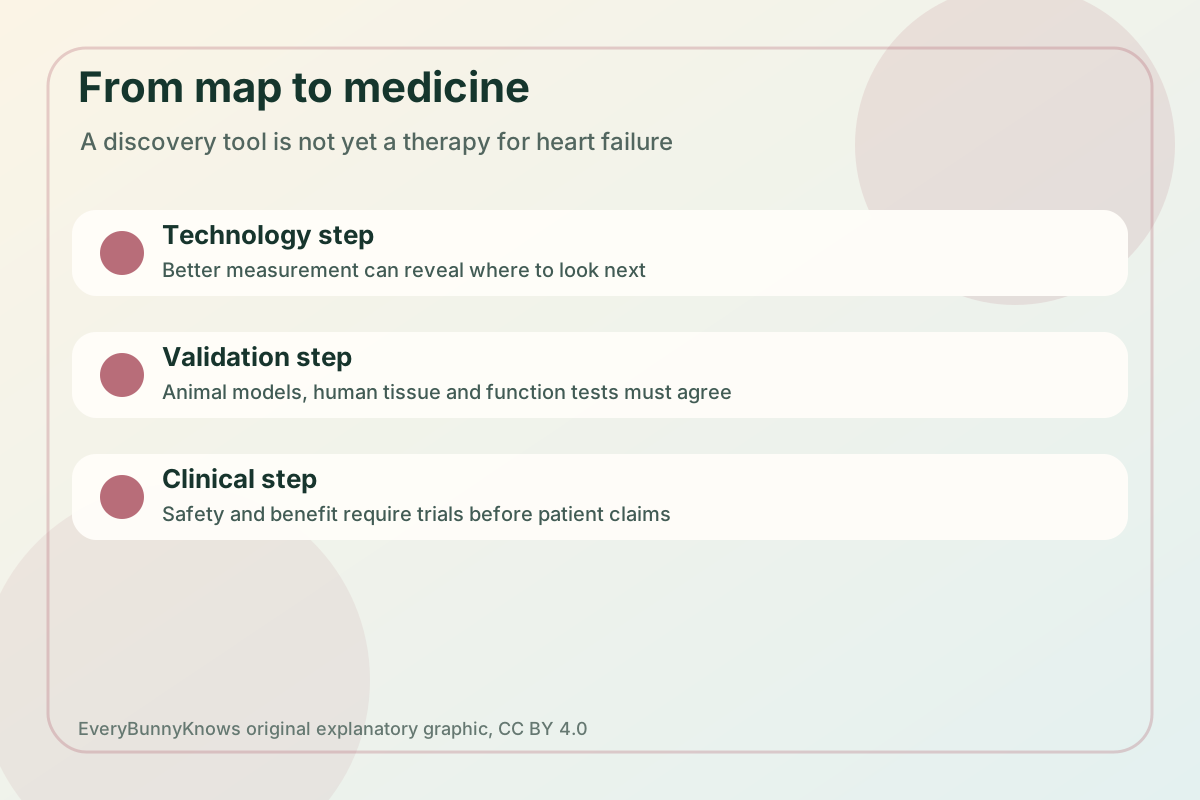
The new technology is therefore best understood as infrastructure for discovery. It can help researchers ask more precise questions: Which cardiomyocytes look younger or more plastic? Which protein networks change after injury? Are there rare cells that keep some proliferative capacity, or are apparent regenerative signals coming from stress states that would be harmful to amplify? Do protein patterns match what single-cell RNA maps predicted, or do they reveal a different layer of biology?
The limits protect the hope from becoming hype. The work does not mean that patients with heart failure can regenerate heart tissue on demand, and it does not point to a supplement, exercise routine or procedure someone should try. It is early biomedical mapping, likely to be most useful when combined with imaging, genetics, animal models and clinical samples. Still, better maps can change fields. When researchers can see individual heart muscle cells in protein-level detail, they gain a way to separate real repair biology from averages. The optimistic conclusion is disciplined: before medicine can rebuild a damaged heart, science has to know which cells might be capable of repair, which signals awaken them and which signals would be unsafe to touch.