Oysters Clean Up More Nitrogen Pollution Than We Thought
New work on restored oyster reefs adds a quieter climate-and-water lesson: shellfish are not only seafood or habitat, but living infrastructure that can filter, bury and transform excess nitrogen in coastal bays.
Simon Glass ·
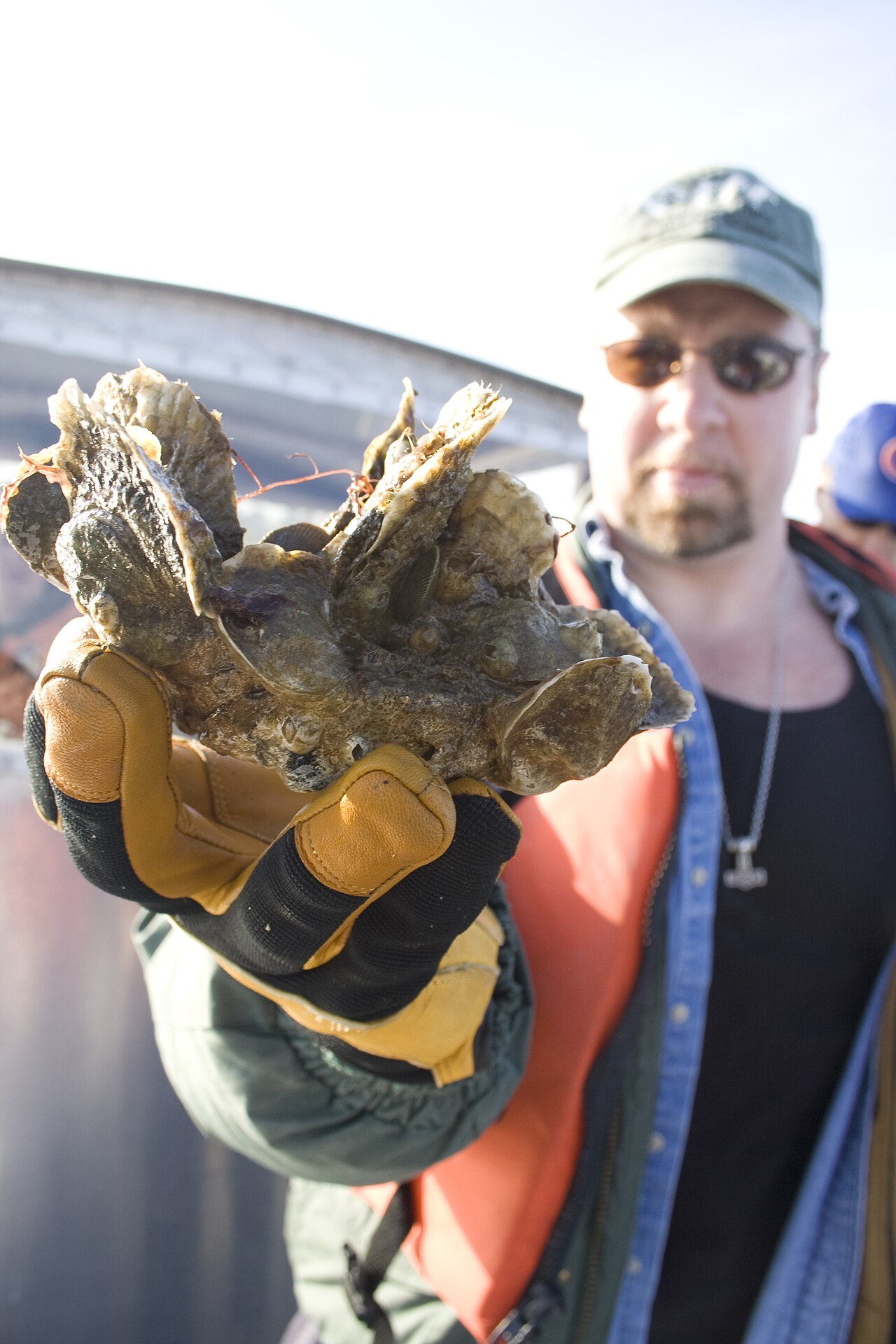
A restored oyster reef looks modest from the surface: a low, rough patch in shallow water, busy with shells, mud, crabs, fish and tides. Yet that roughness is exactly why scientists keep returning to oysters when they ask how coastal bays can recover from too much nitrogen. Research highlighted by Eos shows that oyster reefs may remove or lock away more nitrogen pollution than many managers had assumed, especially as reefs grow into complex three-dimensional habitat.
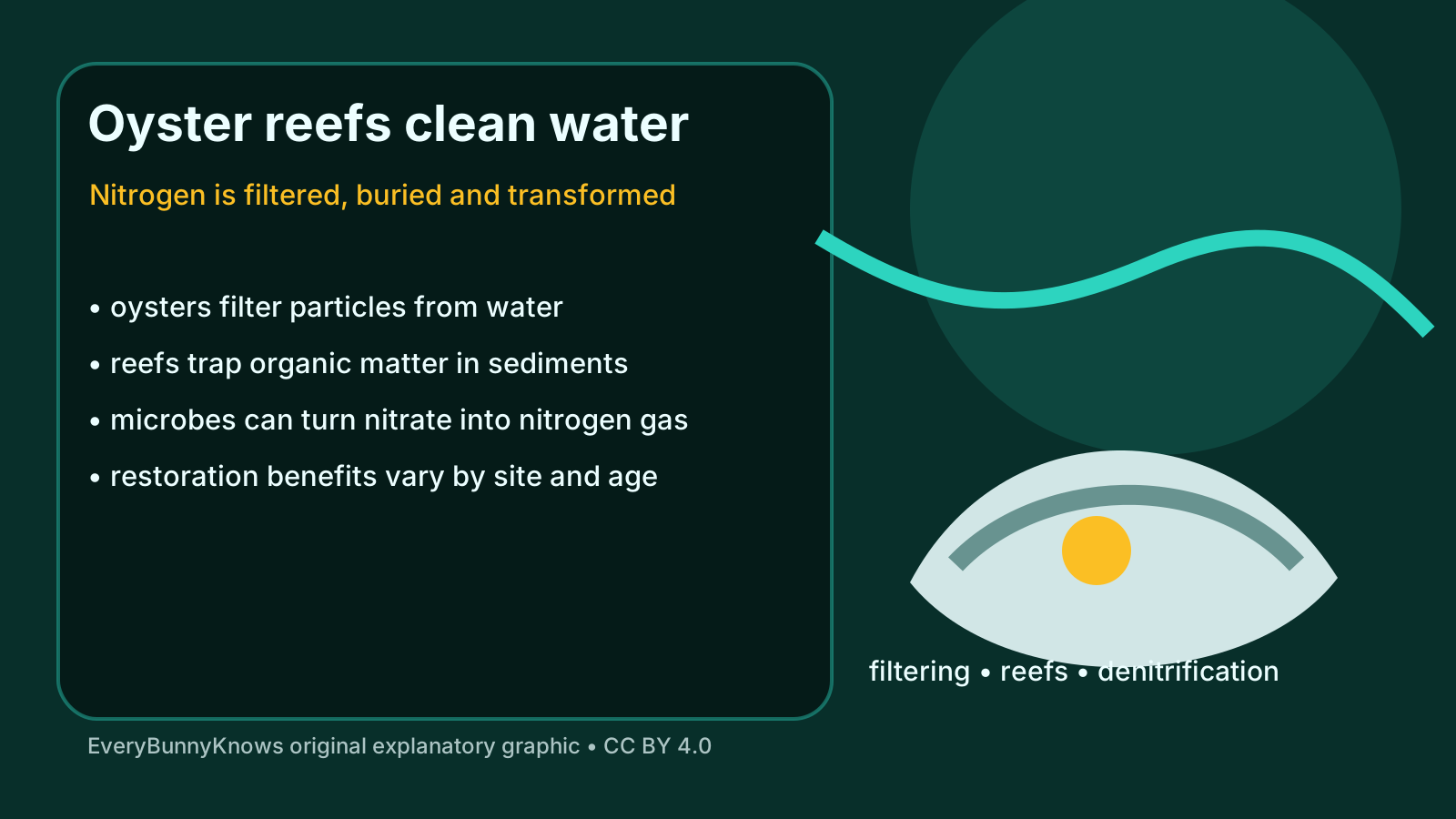
The problem begins far upstream. Fertilizer, wastewater and storm runoff carry reactive nitrogen into estuaries, where it can feed algal blooms, cloud the water and help create low-oxygen zones. Oysters intervene because they are living filters. A single animal pumps water across its gills, captures particles and releases compact waste that settles into the reef. Some of that material becomes buried in sediment; some feeds microbes that transform nitrate into harmless nitrogen gas through denitrification. The reef is therefore not simply a pile of shell. It is a biological and chemical landscape where water, mud and microbes meet.
The new value of the study is the measurement, not a romantic slogan about nature healing itself. Scientists have long known that oysters improve water clarity and create habitat. The harder question is how much nutrient removal can be counted, where it happens and how it changes as restored reefs age. A young reef with scattered shell may not behave like an older reef with crevices, sediment pockets and dense oyster clusters. Hydrodynamics matter too: a reef in a flushed channel, a quiet creek and a turbid bay will intercept different loads of particles and oxygen.
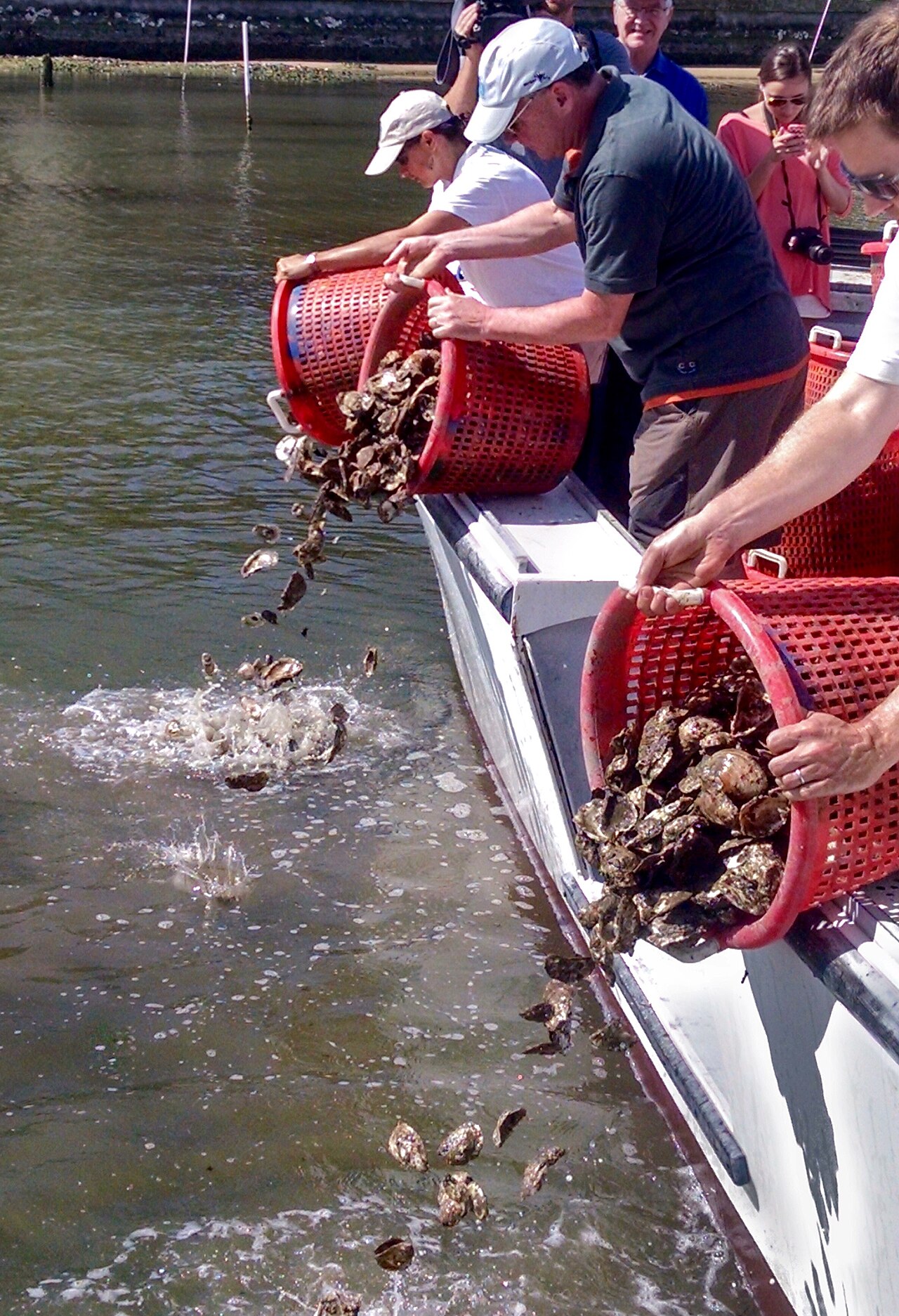
That geography is why the result matters for public decisions. If a coastal city or watershed group can estimate nitrogen removal more accurately, oyster restoration can be compared with upgrades to wastewater plants, fertilizer controls, wetland projects and stormwater systems. The point is not to choose oysters instead of regulation. It is to understand how living infrastructure can complement engineered infrastructure, especially in places where reefs also protect shorelines, support fisheries and rebuild lost habitat.
The limits are just as important. Oysters cannot clean a bay if harvest, disease, heat stress, acidification, sediment, poor water quality or lack of suitable bottom prevents reefs from surviving. Nitrogen buried in sediment can be disturbed, and denitrification rates vary with temperature, oxygen and organic matter. Restoration also needs local consent, careful siting and long-term monitoring; dropping shell in the wrong place is not restoration.
Still, the hopeful lesson is concrete. Centuries of overharvesting and coastal change erased much of the world’s oyster reef habitat, but rebuilding some of it can return services people can measure: clearer water, more habitat and a better accounting of nutrient pollution. The humble oyster reef turns a diffuse problem into a place on the map, a structure in the water and a set of chemical pathways that managers can test. That is how a shellfish becomes geography: it links farms, sewers, tides, sediments and public choices in one living filter.