Phu Quoc: pepper farms, fish sauce and forest on Vietnam’s island edge
Phu Quoc is more than beach resort scenery: its pepper gardens, fish-sauce houses, national park and rapid tourism growth reveal how a Vietnamese island balances land, sea and pressure.
Mira Vale ·
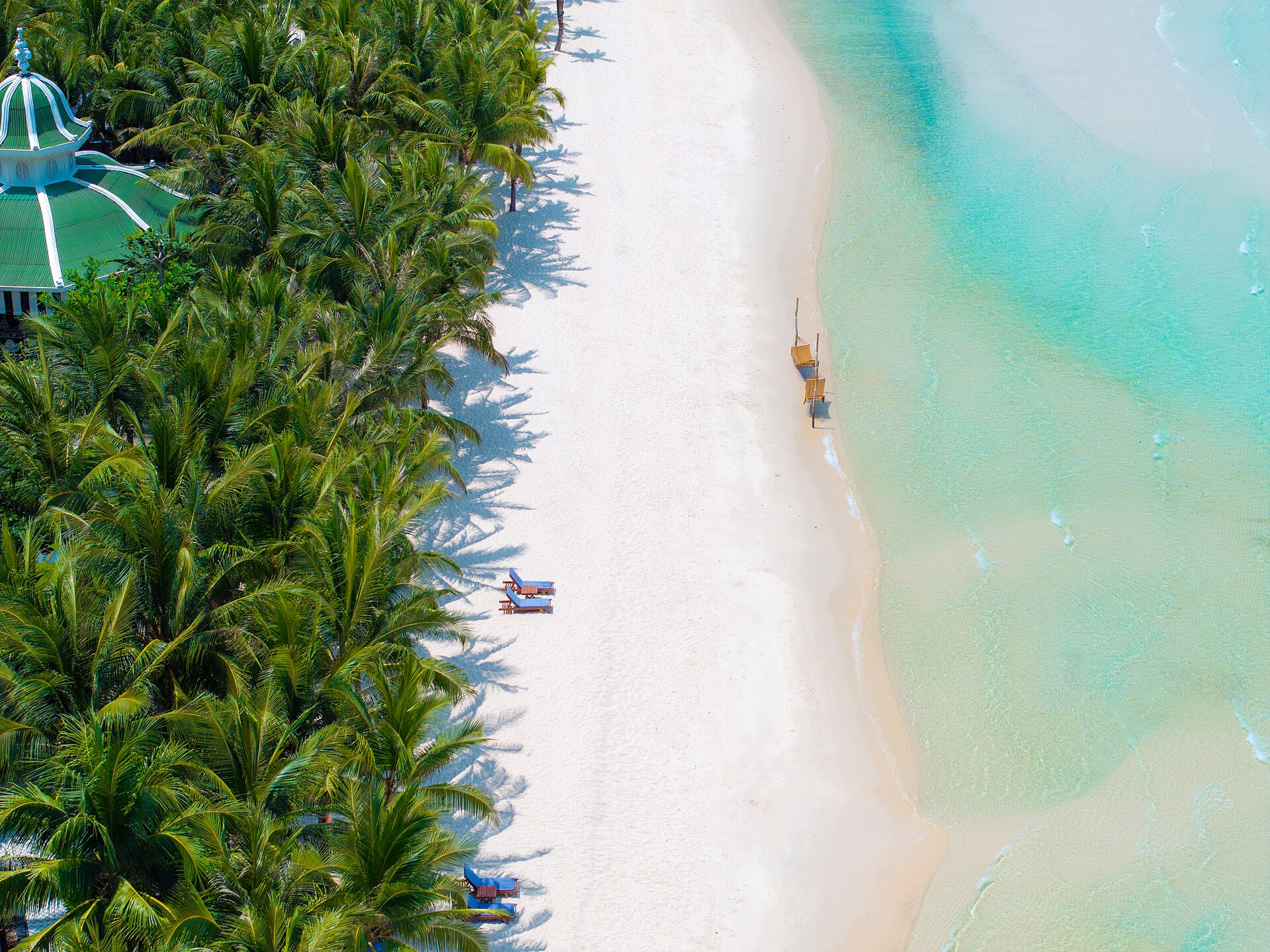
Phu Quoc sits in the Gulf of Thailand, off Vietnam’s Kien Giang coast and closer to Cambodia than to much of mainland Vietnam. That geography explains why the island feels both open and self-contained. Visitors usually arrive for beaches, but the more durable story is inland and in the harbour towns: black-pepper gardens, fish-sauce houses, forested hills and roads that show how quickly tourism can remake an island. Vietnam promotes Phu Quoc as a major resort destination, yet the island’s character still depends on older food trades and on the protection of its remaining forest.
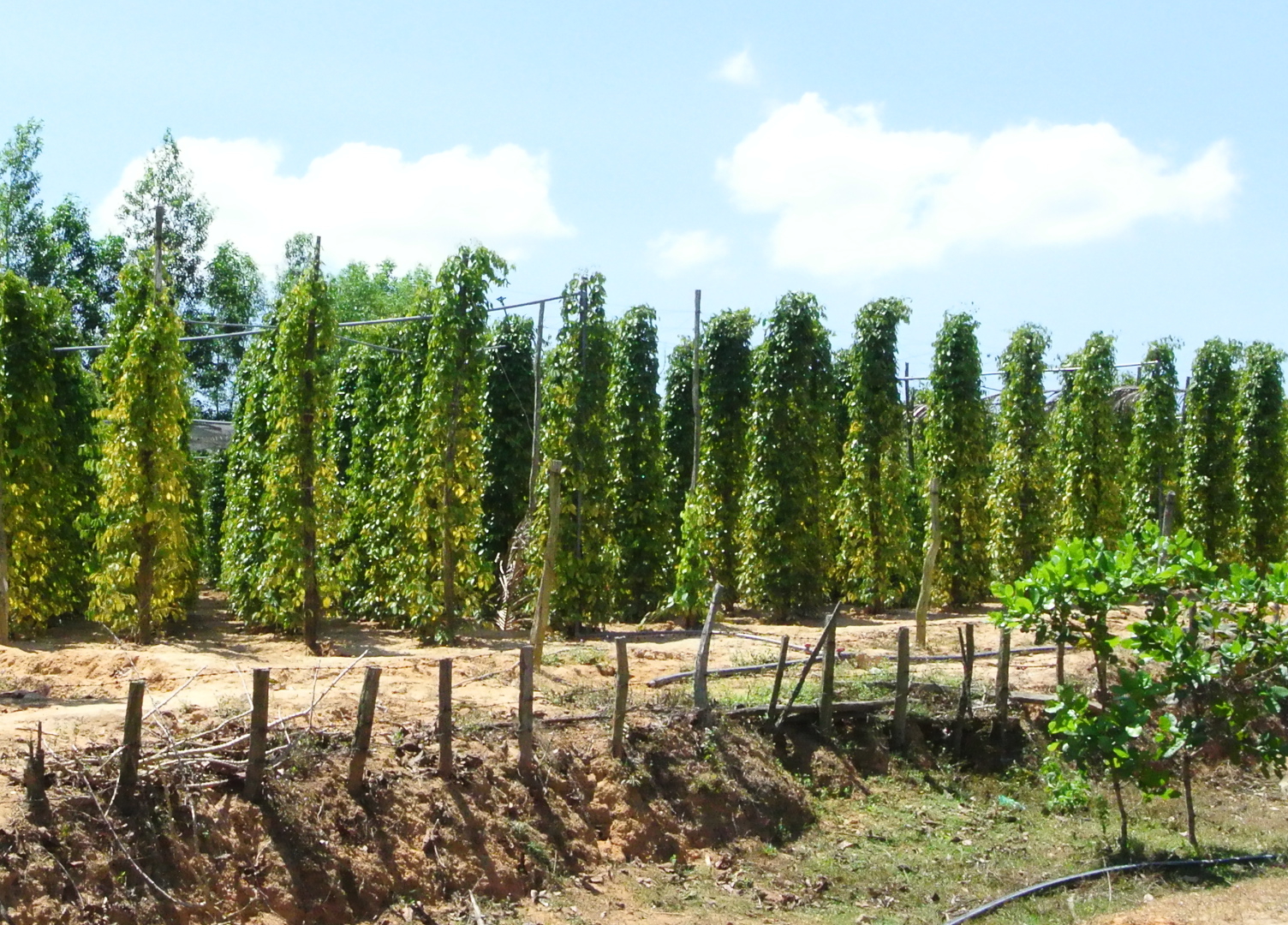
Pepper is a good first lens because it turns a postcard island into farmland. Vines need support posts, drainage, sun, disease control and patient harvesting; the result is one of the local products most closely associated with Phu Quoc. A pepper garden also changes the visitor’s map. The island is no longer only a coast road between beaches, but a working interior of red soil, wells, shade, family labour and drying. Buying pepper responsibly means asking where it was grown and how it was processed, not only whether the packaging looks rustic.
Fish sauce works by a different mechanism. Small fish, especially anchovies, are layered with salt and left to ferment slowly in large wooden barrels, producing a savoury liquid that is valuable because time, salinity and careful handling convert a simple catch into a staple ingredient. Phu Quoc fish sauce is protected by geographical-indication rules, so the name is meant to point to origin and method rather than to a generic bottle. A good visit to a sauce house should explain barrels, salt ratios, ageing and quality grades; it should also make clear that a strong smell is not a gimmick but part of fermentation.
The forest adds the third layer. Phu Quoc National Park covers the northern and upland part of the island and protects tropical forest, streams and habitat that tourism brochures often leave in the background. Beaches draw the eye, but clean water, shade, erosion control and biodiversity depend on the land behind them. Forest roads also show the island’s scale: one turn can move the view from resort frontage to canopy, pepper vines, small settlements and hills.
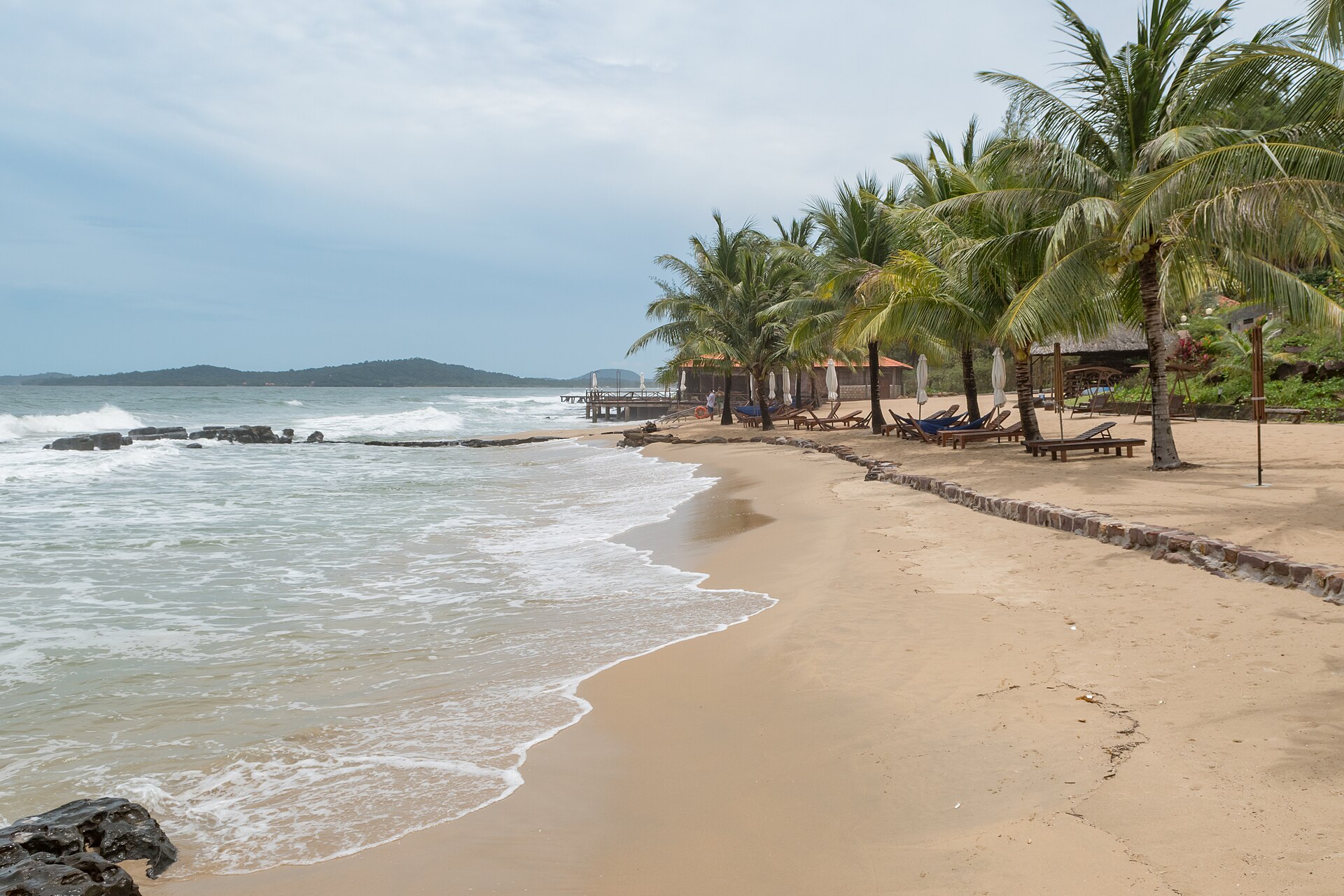
The marine edge is just as important. Reefs, seagrass, fishing boats and the An Thoi islands explain why the sea is a working place as well as a swimming backdrop. Snorkelling and boat tours can be worthwhile, but they carry limits: anchors, sunscreen, plastic waste, overfishing and careless feeding all damage the very life visitors want to see. The best operators explain where boats may go, what guests should not touch and how rubbish returns to shore.
The limits are visible. Construction, waste, traffic and reef pressure can outrun local services when arrivals grow faster than planning. Not every “eco” tour is ecological, and not every beach is quiet outside a carefully framed photograph. A better visit asks specific questions: where did the fish sauce come from, how is a pepper farm managed, which parts of the park are open, and how does a hotel handle water and waste. Phu Quoc’s appeal is real, but it is strongest when the island is treated as a working landscape as well as a holiday coast.