The Public Libraries That Became Engines of Hope
Public libraries became engines of hope by turning books, heat, archives, internet access and trusted help into a civic service open beyond the market.
Tereza Field ·
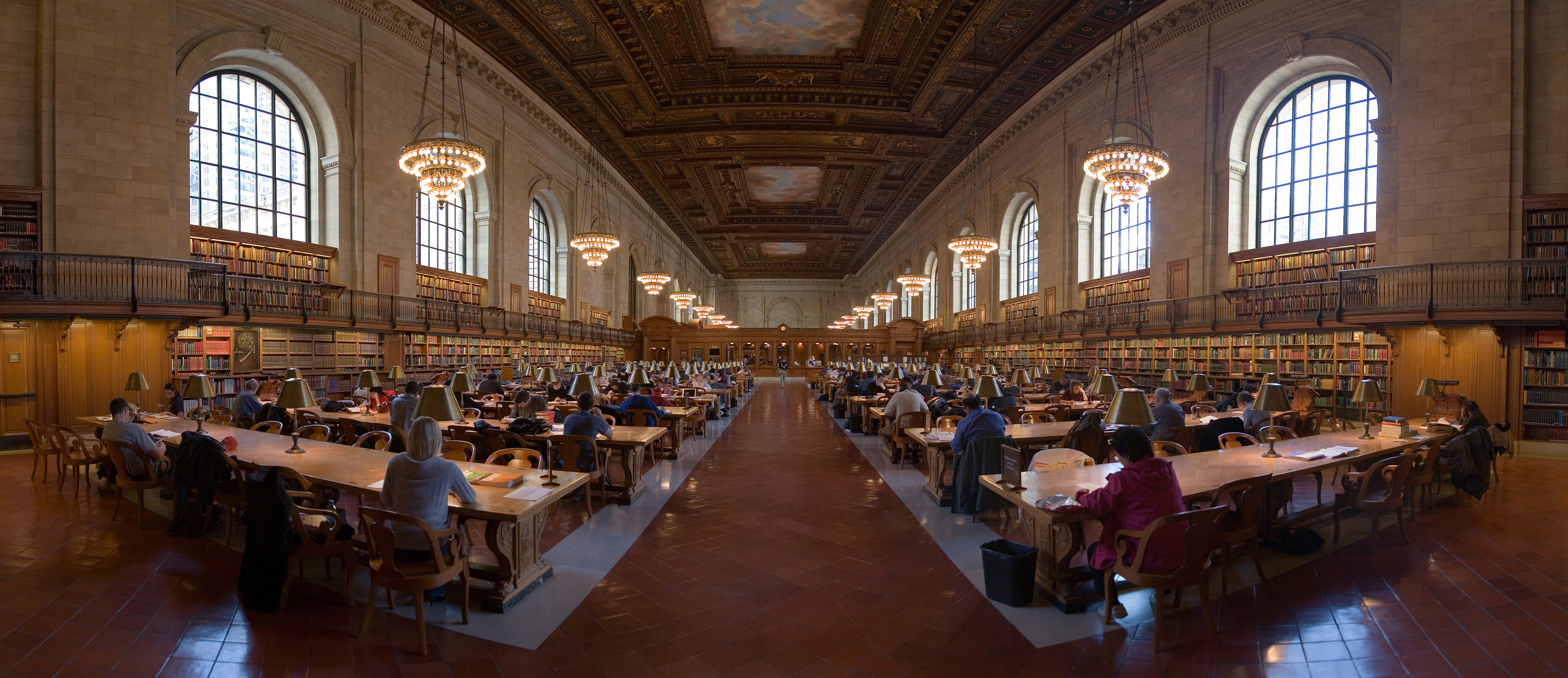
Public libraries became engines of hope because they made knowledge a civic service instead of a private luxury. A public library is more than a room with shelves. It is a promise that reading, memory, study, internet access, warmth, quiet and skilled help should not depend entirely on income. The idea has older roots in monastery, university and subscription libraries, but the modern public library took shape when towns, reformers and taxpayers began to treat literacy as infrastructure.
One important turning point was the British Public Libraries Act of 1850, which allowed local authorities to fund free public libraries from local rates. In the United States, the Boston Public Library opened in the 1850s with the bold language of being “free to all,” and later Andrew Carnegie’s philanthropy helped build more than 2,500 libraries around the world. Carnegie buildings were not perfect monuments to equality: communities still faced segregation, gender barriers, class prejudice and decisions about who was welcome. Yet the model changed expectations. A town could be judged by whether ordinary people had a place to learn.
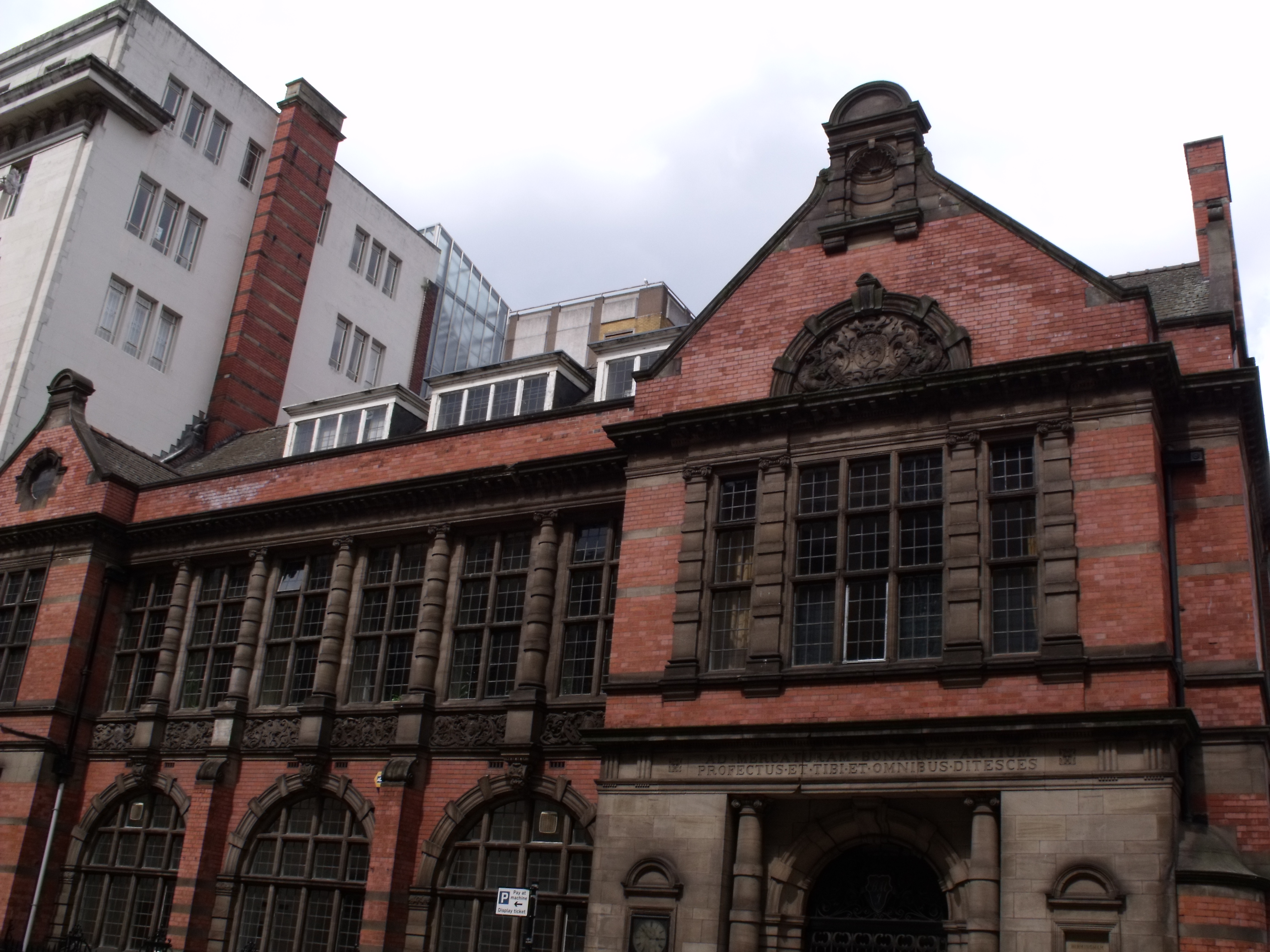
The mechanism of hope is practical access. A child finds books that are not in the home. An immigrant practises a new language. A worker uses a computer to apply for a job or benefits. A parent attends story time and meets other parents. A researcher opens a local archive. A person without a quiet room finds a desk, light and a librarian who is trained to help without selling attention. None of these services sounds dramatic alone; together they reduce the distance between curiosity and action.
Modern libraries expanded that mechanism rather than replacing it. The International Federation of Library Associations and UNESCO describe the public library as a local gateway to knowledge, culture and lifelong learning. In many countries, libraries now lend Wi-Fi hotspots, teach digital skills, host tax-help sessions, support homework, preserve community history and offer safe indoor space during heat, cold or crisis. The book remains central, but the deeper service is navigation: helping people move through information without being trapped by advertising, misinformation or bureaucracy.
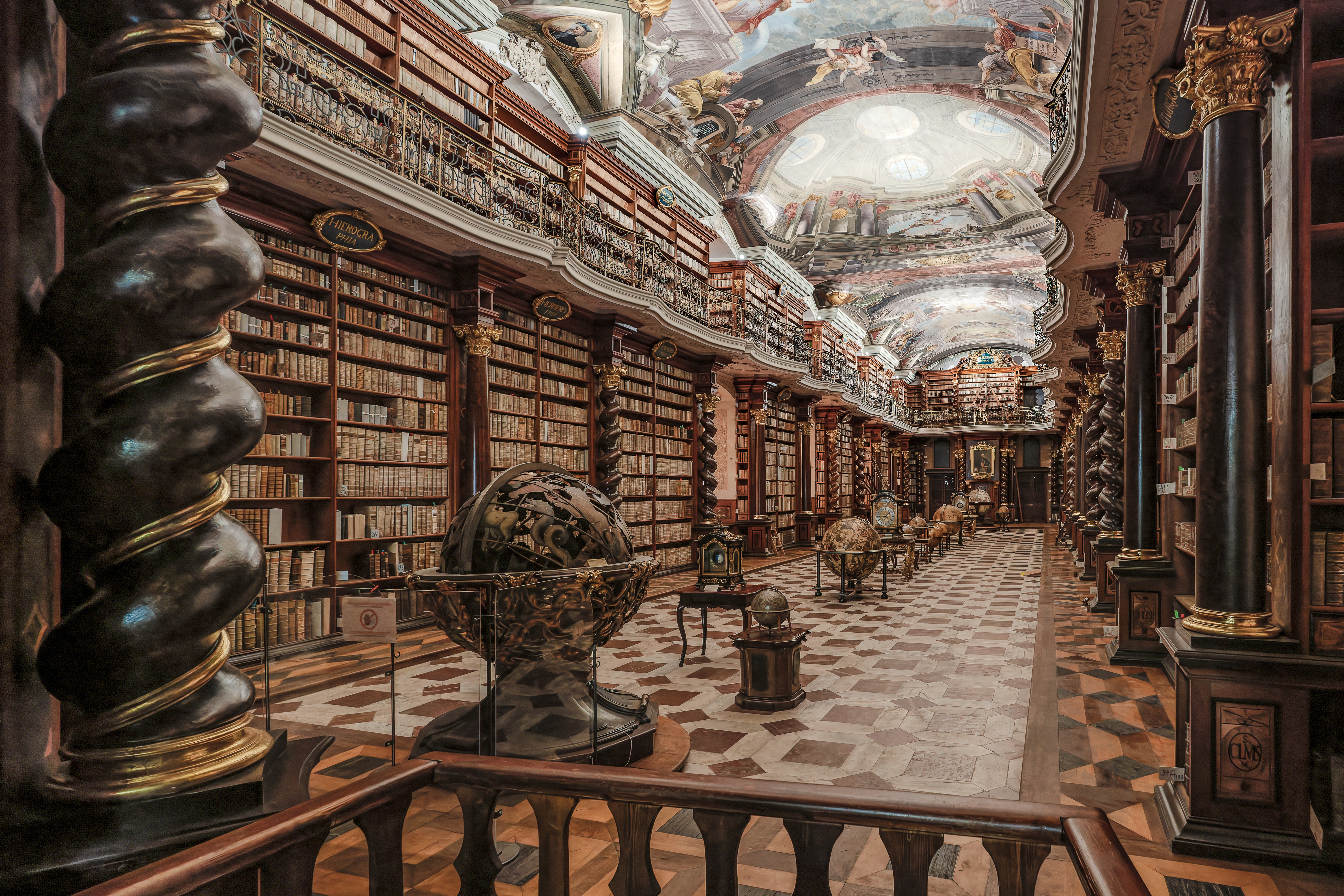
The history also explains why librarianship is a profession rather than a hobby. Cataloguing, children’s services, reader privacy, preservation and reference work turn a collection into public infrastructure. A room full of books can be impressive; a library becomes hopeful when people can actually find, borrow, question and return without embarrassment.
The limits deserve honesty. Libraries can be underfunded, politically pressured or asked to solve homelessness, loneliness and digital exclusion without enough staff. Opening hours, rural transport, disability access and language coverage decide whether a library is truly public. Collections also reflect choices; a shelf can include or exclude a community’s memory. Hope becomes durable only when budgets, professional freedom and local trust support the building.
That is why public libraries still matter in a century of search engines. The internet provides speed, but it does not automatically provide reliability, privacy, patience or belonging. A good library turns a city’s or town’s confidence into something visible: tables, catalogues, children’s corners, archives, chargers, story hours and people whose job is to help. Its optimism is not sentimental. It is built each day by keeping the door open, the collection honest and the service shared.