Raja Ampat: reefs, village homestays and sago food in Indonesia’s blue archipelago
Raja Ampat is not just a turquoise postcard: its reefs, Papuan villages, boat distances and sago-based food explain why low-impact travel matters here.
Ada Brooks ·
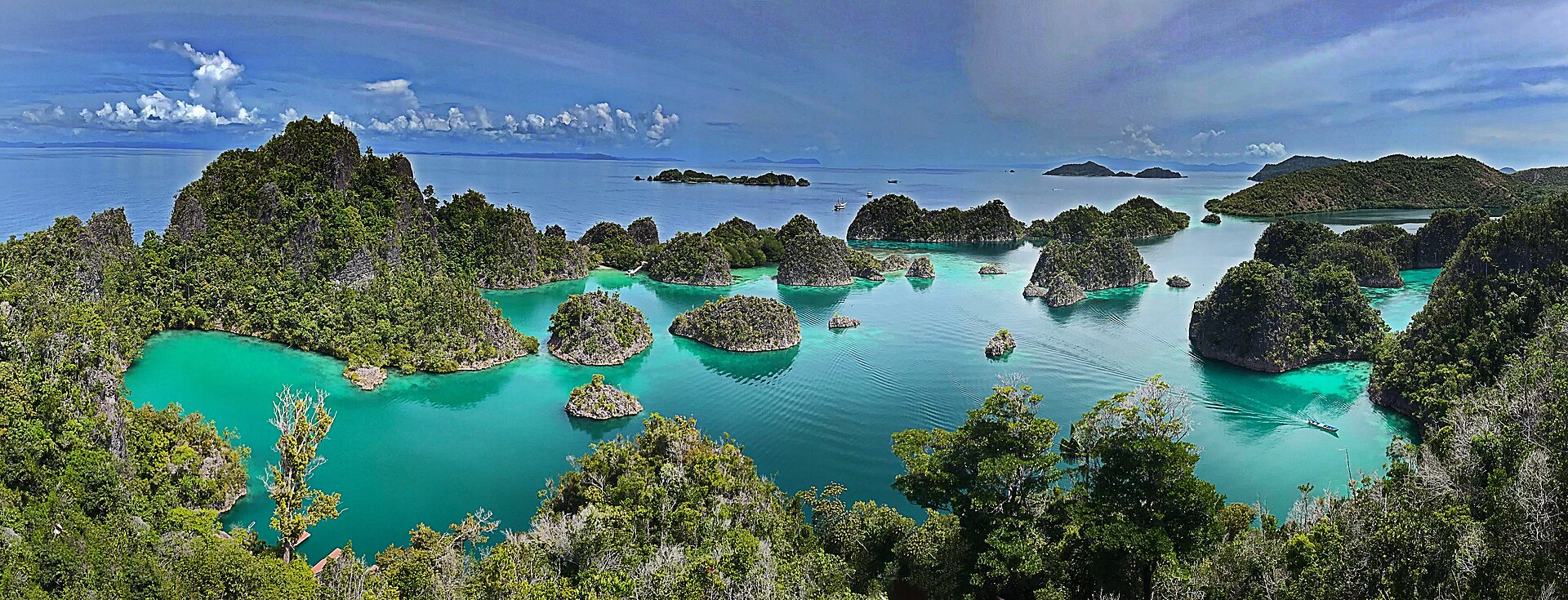
Raja Ampat lies off the northwest tip of New Guinea, where hundreds of small islands, limestone islets and reef channels turn the sea into the main road. The name is often sold through one image — blue water around green karst — but the place is better understood as a remote Papuan seascape where coral, villages, boats and food are tied together. UNESCO lists the Raja Ampat Islands as part of Indonesia’s tentative World Heritage work, and conservation groups describe the wider Bird’s Head Seascape as one of the world’s richest coral-reef regions. For a traveller, that means beauty comes with logistics and responsibility, not only with a camera.
The reef is the mechanism behind much of the trip. Coral builds habitat for fish, protects coasts and attracts snorkellers and divers, but it is also fragile: fins, anchors, sunscreen choices, careless waste and badly timed boat traffic can damage what visitors came to see. The best island days therefore start with practical respect — using local guides, entering the water gently, keeping distance from coral and wildlife, and accepting that some sites may be closed or unsuitable in rough weather.
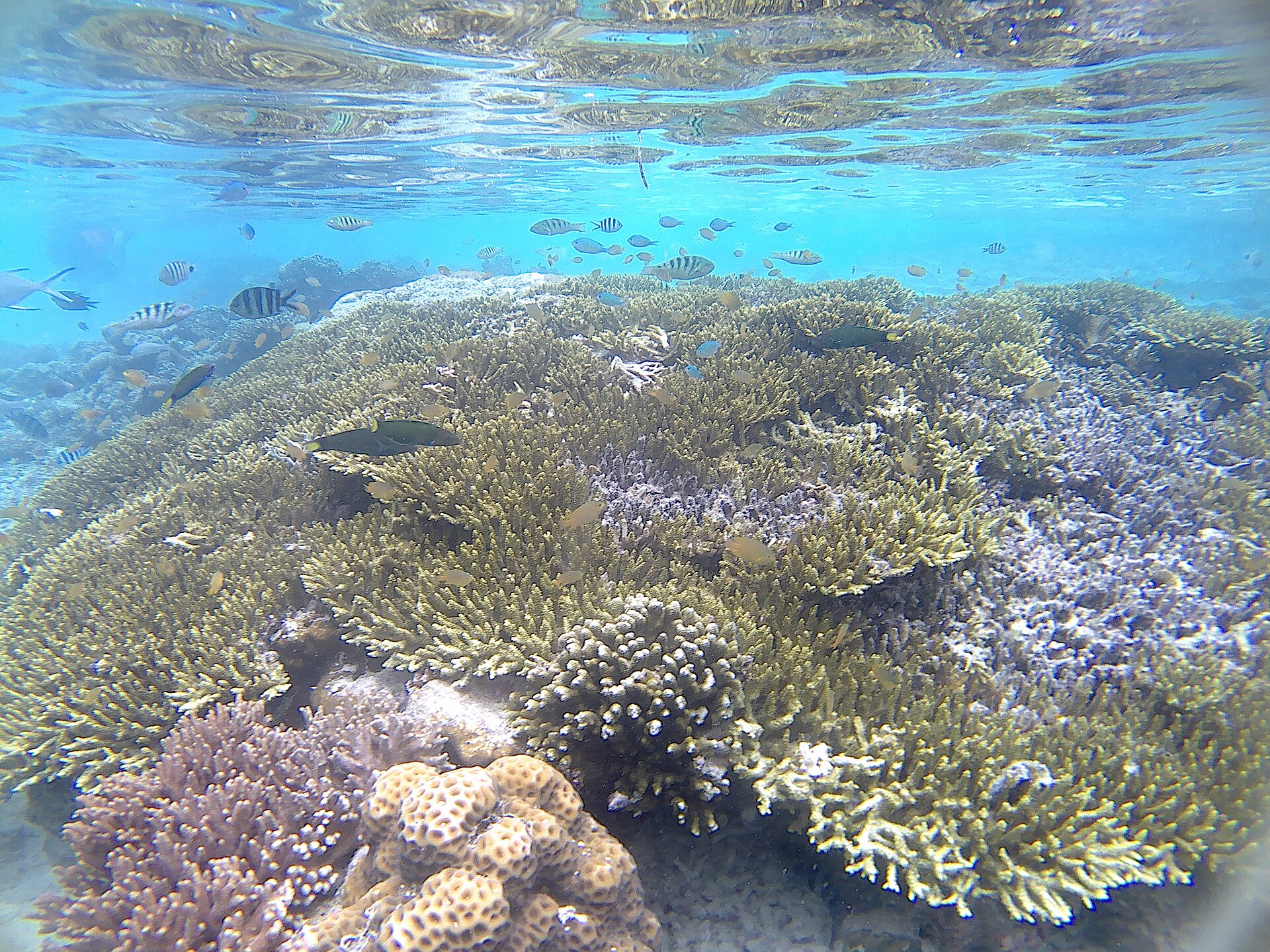 *Coral below Arborek pier makes Raja Ampat’s marine wealth visible at village scale. Credit: Coral at Arborek Island pier, Raja Ampat; Akbar raf/Wikimedia Commons, CC BY-SA 4.0.*
Village homestays change the scale of Raja Ampat. Staying in a simple over-water bungalow or beach hut usually means eating what the host can source, planning boat transfers carefully and understanding that electricity, fresh water and internet may be limited. That is not a flaw in the experience; it is part of the geography. Distances between islands are real, fuel is expensive, and a missed connection can matter more than a delayed café order in a city.
Food makes the archipelago less abstract. Grilled fish, sambal, coconut, bananas and rice appear often, but sago also belongs to Papuan food culture. Papeda — a glossy sago porridge commonly eaten with fish and yellow soup in eastern Indonesia — reminds visitors that this is not Bali with different scenery. The staple comes from palms, forests and local knowledge, so a meal can explain land as well as sea.
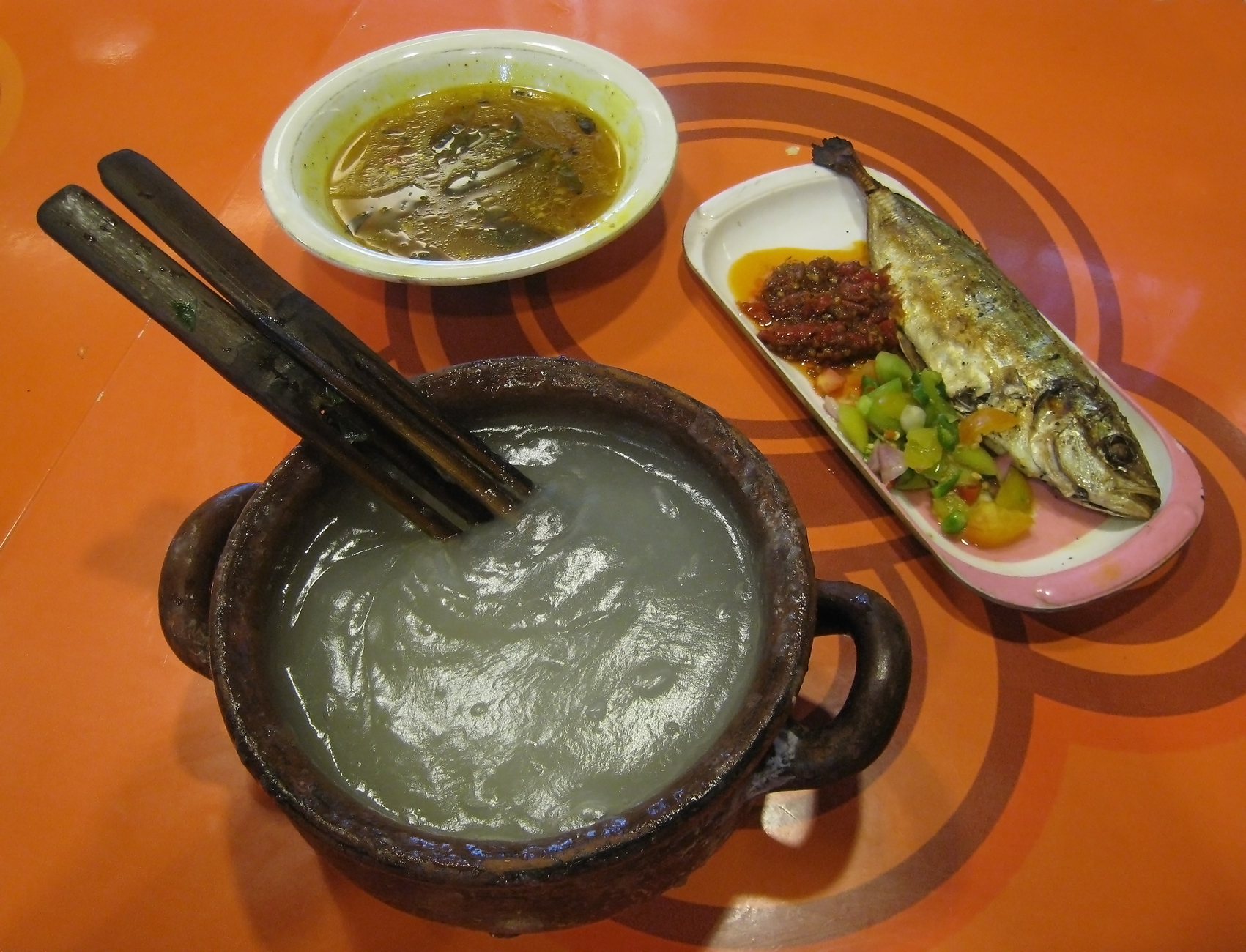 *Papeda, a sago porridge eaten with fish and yellow soup, connects Raja Ampat travel to the wider food culture of Papua and eastern Indonesia. Credit: Papeda with yellow soup and grilled fish; Gunawan Kartapranata/Wikimedia Commons, CC BY-SA 3.0.*
Raja Ampat’s limit is the same thing that makes it precious: it is difficult to reach and easy to harm. Tourism can support village income and conservation when money stays locally and rules are followed; it can also produce waste, reef pressure and unequal benefits. A better visit is slower and more specific: fewer boat hops, more nights in one village, reef-safe habits, and curiosity about Papuan food and everyday life. The reward is a truer blue — not an empty paradise, but a living archipelago whose beauty depends on people choosing carefully.