Released Goldfish Can Transform Freshwater Ecosystems
Goldfish are hardy carp, not harmless decorations. Once released, they can stir sediments, uproot plants, eat small animals and shift a pond or lake toward cloudy, less diverse water.
Matyáš Král ·
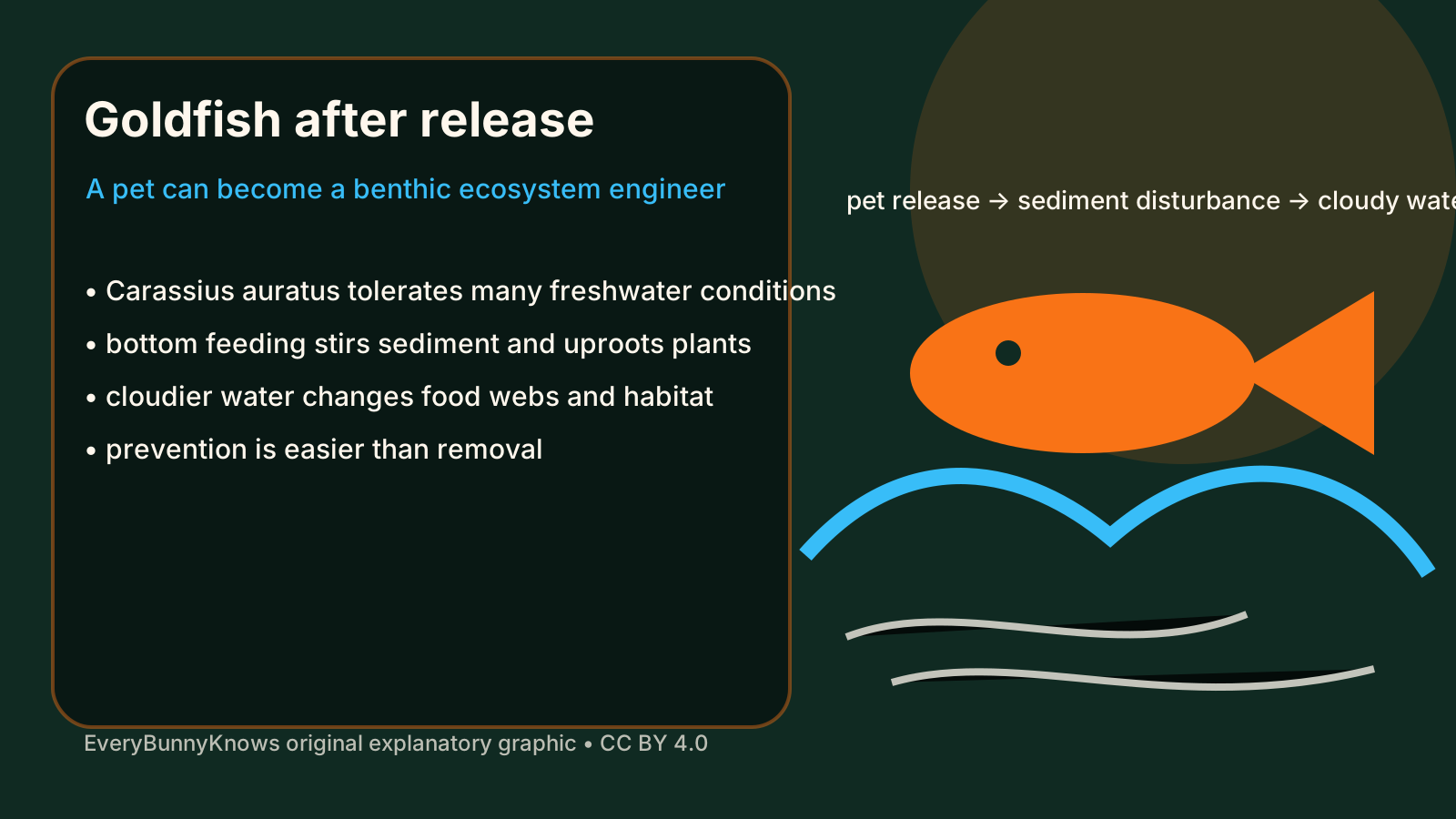
A goldfish in a bowl looks like one of the least threatening animals in a house. In a pond, lake or slow river, the same animal can become part of a much larger ecological problem. Released goldfish are domestic forms of Carassius auratus, a hardy carp species with a long history of human transport. When unwanted pets are dumped outdoors, they do not simply “go free.” In the right freshwater habitat, they can survive winter, grow large, reproduce and behave like ecosystem engineers.
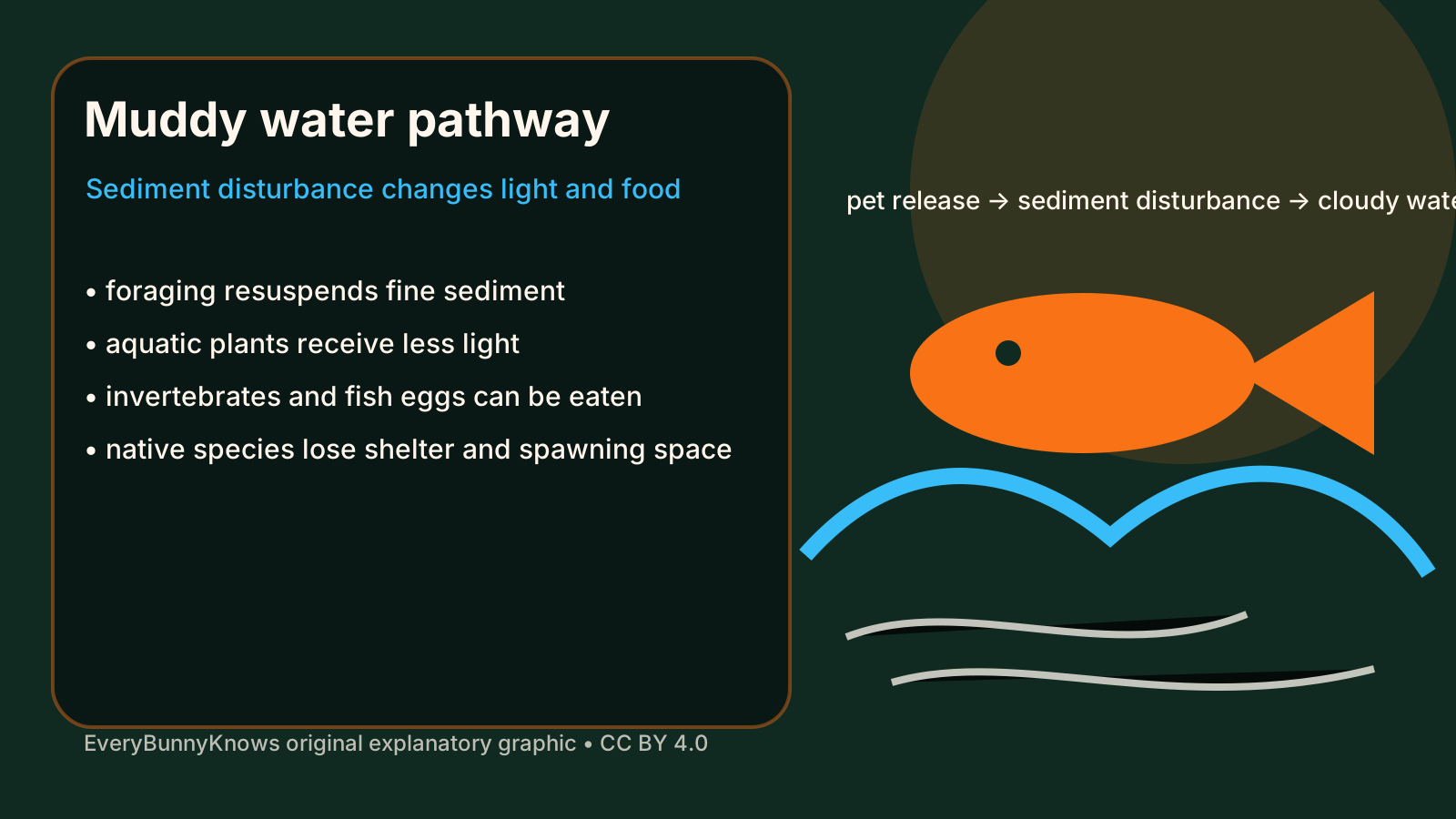
The mechanism begins at the bottom. Goldfish feed by rooting through sediment for insect larvae, crustaceans, plant fragments and other food. That foraging can resuspend fine particles, uproot aquatic plants and make clear water more turbid. Cloudier water blocks light, which weakens submerged vegetation. When plants decline, small fish and invertebrates lose shelter and spawning surfaces, algae can gain an advantage, and the whole food web may shift toward a murkier state.
Goldfish can also eat eggs, larvae and small invertebrates directly, putting pressure on native fish, amphibians and aquatic insects. They tolerate a wide range of temperatures and low-oxygen conditions, which helps them persist in urban ponds and degraded waters where more sensitive species struggle. In connected waterways, a few released fish can become a source population for ditches, wetlands or lakes downstream. The familiar orange color may even disappear as wild generations become duller, making populations harder for the public to notice.
The invasive-ecology lesson is not that goldfish are uniquely villainous. It is that a species bred for captivity carries traits that can become powerful outside captivity: omnivory, bottom feeding, high tolerance, flexible reproduction and close association with people. Once those traits meet a vulnerable habitat, the effect can be larger than the animal’s size suggests. A pond that loses its plant beds may become warmer, cloudier and less hospitable to native species, even if no single goldfish looks dramatic.
There are limits to the evidence. Not every released pet establishes a population, and damage depends on climate, predators, water depth, nutrients, plant communities and whether the water body is isolated or connected. Some studies examine small experimental ponds, others monitor established invasions, and results should be read in that context. Turbidity or plant loss can also have other causes, including runoff, carp, geese or algal blooms. Goldfish are one part of a broader freshwater-management puzzle.
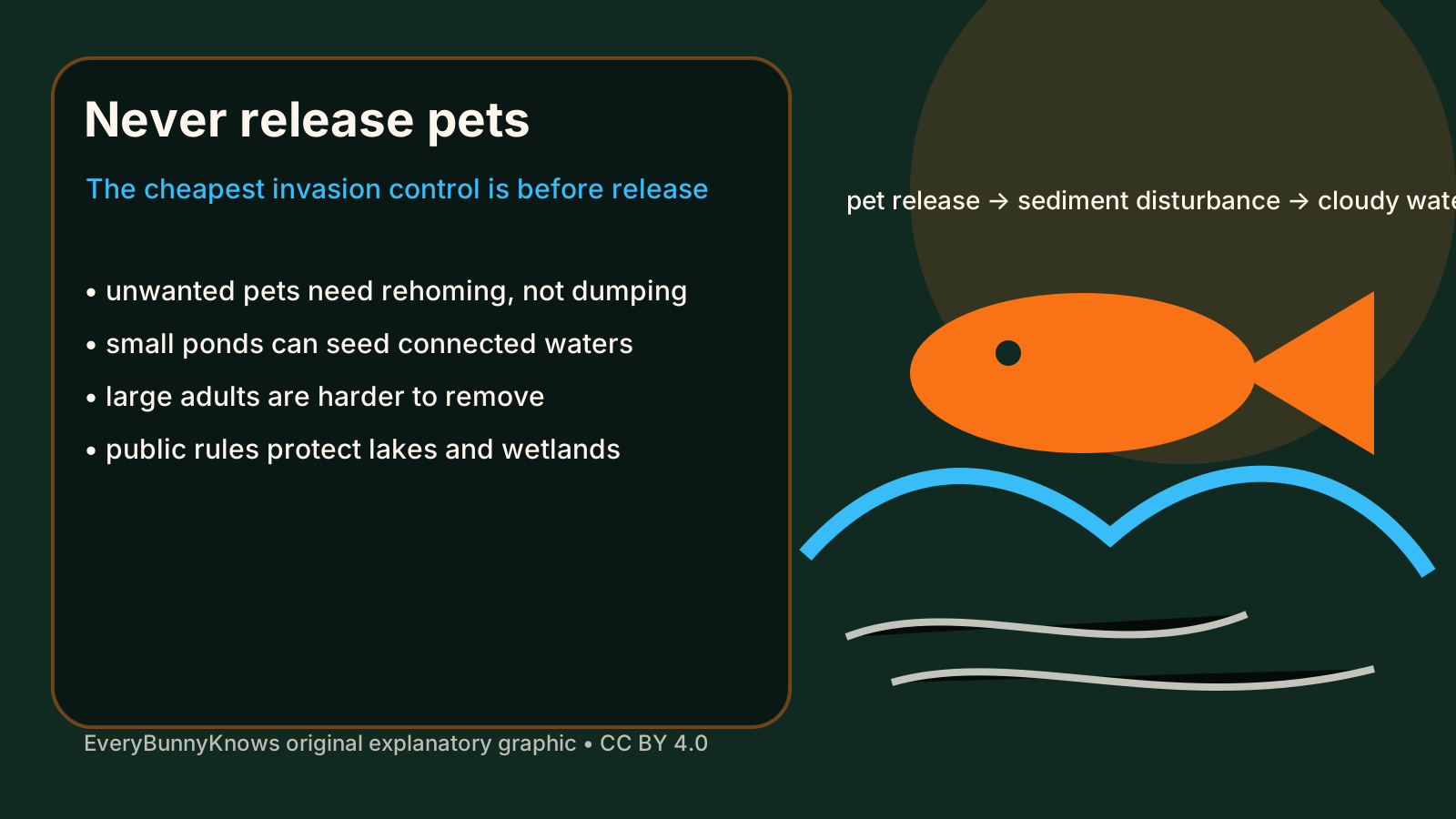
That puzzle is hard to solve after release. Removing fish from a pond can require trapping, netting, draining or chemical treatment, all of which can disturb the very habitat managers are trying to protect. Prevention is therefore the most humane and effective tool. Aquarium owners can return fish to retailers where programs exist, contact local animal shelters or aquarium clubs, or ask municipal authorities for disposal guidance. Releasing a pet into a stream, stormwater pond or park lake should never be treated as kindness.
The hopeful part is that this is a preventable invasion pathway. A clear public rule—do not dump aquarium animals or plants—protects much more than a single pond. It protects aquatic vegetation, amphibian nurseries, native fish spawning areas and the quiet clarity of water that lets a freshwater ecosystem feed and shelter itself.