Water Reservoirs at ʿAydhab Reveal the Infrastructure Behind Red Sea Trade
Excavations at the medieval Red Sea port of ʿAydhab uncovered a lime-plastered reservoir system, buildings and imported ceramics that show how water management supported pilgrims and Indian Ocean trade.
Felix Arden ·
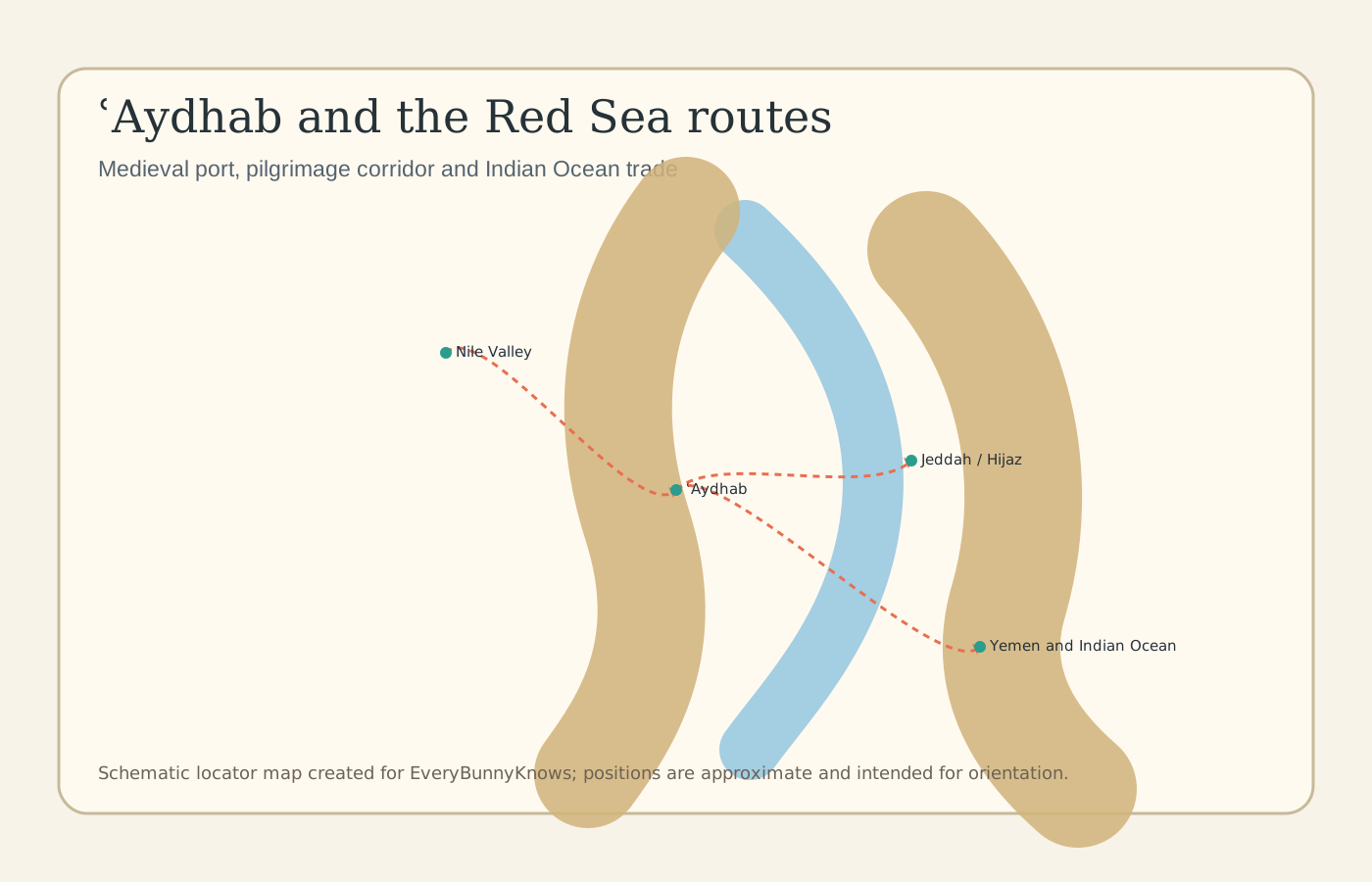
At ʿAydhab, on Egypt’s Red Sea coast, archaeology has turned a basic question into the center of the story: how did a port in an arid landscape keep enough water for ships, merchants and pilgrims? The answer emerging from recent excavations is a planned storage system rather than a lucky well. Archaeology Magazine, citing Ahram Online, reported a series of reservoirs at the historic port, including a central tank about fifty feet long built from sandstone and locally sourced coral blocks and lined with waterproof lime plaster.
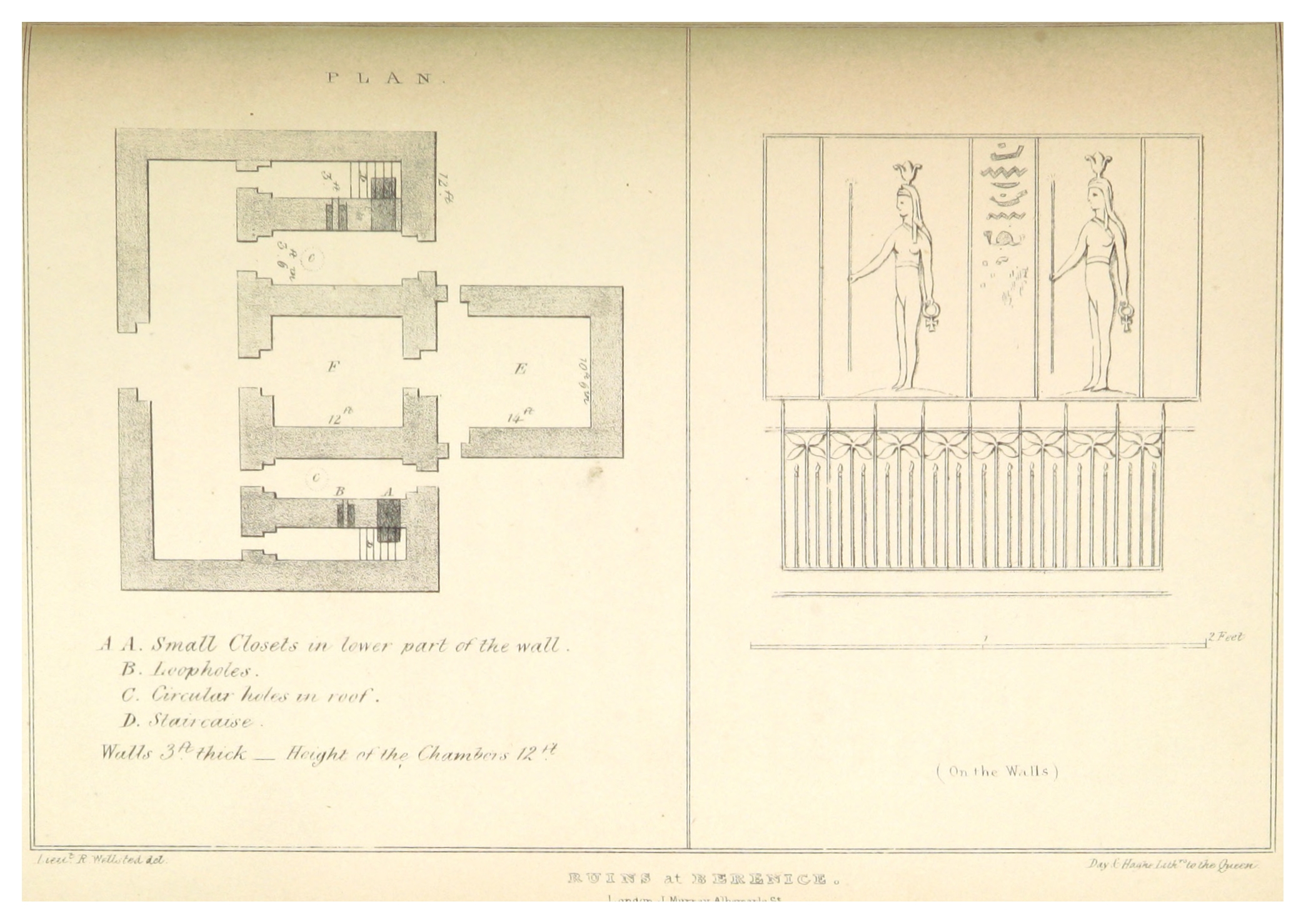
That construction detail matters. Lime plaster is not decoration; it is the technology that keeps stored water from leaking away through porous stone. Coral blocks and sandstone also show builders using materials available near the coast. In a desert port, a reservoir was therefore an operating system. It could turn seasonal supply, hauled water or collected runoff into a usable reserve for people arriving by caravan and leaving by ship.
The public reports place the reservoirs inside a larger urban setting. Excavators also found traces of residential buildings, watchtowers and service facilities. Together, those features make ʿAydhab look less like a dot on a map and more like a managed hinge between inland routes and the sea. Sherif Fathy, Egypt’s minister of tourism and antiquities, described the installations as sophisticated infrastructure that supported both trade and the movement of pilgrims.
The pilgrimage connection is especially important. Historical accounts identify ʿAydhab as a route through which travelers from Egypt and North Africa could reach the Red Sea crossings toward the Hijaz. Hisham El-Leithy of Egypt’s Supreme Council of Antiquities also linked the port to trade routes reaching India, Yemen and East Africa. Water storage was the unglamorous requirement behind those wide horizons.
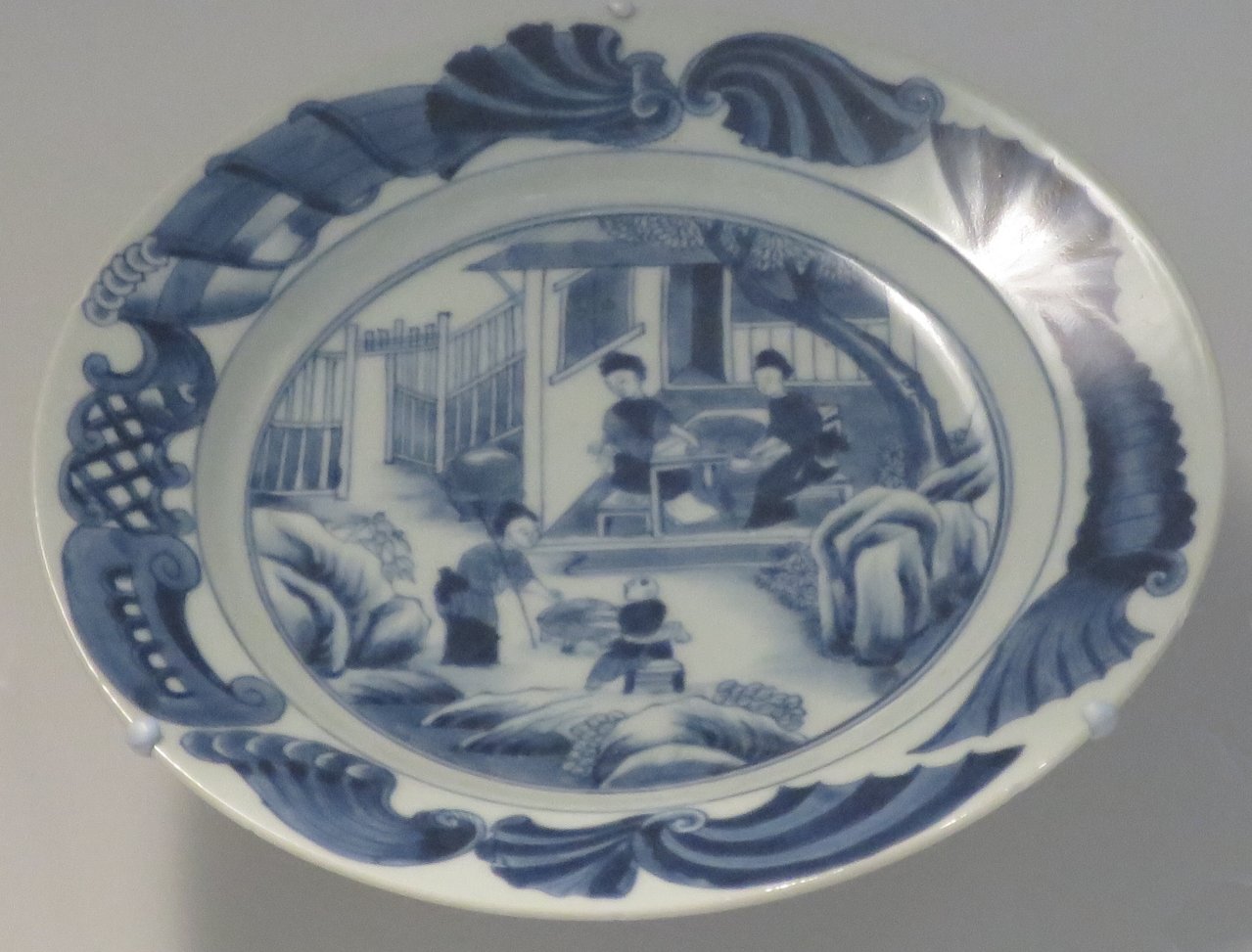
The small finds strengthen that picture. Imported Chinese porcelain and green-glazed pottery dated to the Fatimid period, A.D. 969–1171, suggest that goods and tastes moved through the port along with people. Ceramics are useful because they survive when wood, cloth and food do not. A sherd can point to trade, status, repair, table habits and chronology, especially when it appears beside buildings and water systems.
There are limits. The public summary does not give a full site plan, absolute dates for every reservoir, or a complete account of the excavation sequence. It also should not make ʿAydhab stand for every Red Sea port. Different harbors solved water, taxation and security in different ways. The hopeful lesson is more precise: by documenting ordinary infrastructure, archaeologists can recover the practical intelligence that made medieval mobility possible. A tank lined with lime plaster may be quieter than a gold object, but it explains how a desert coast became a working corridor between Africa, Arabia and the Indian Ocean.