When Rising Seas Can Turn Mangrove Carbon into a Climate Risk
Mangroves bury large stores of blue carbon, but sea-level rise can overwhelm roots, peat and sediment supply; once forests drown or erode, some of that stored carbon can return to the atmosphere and coastal water.
Noah Circuit ·
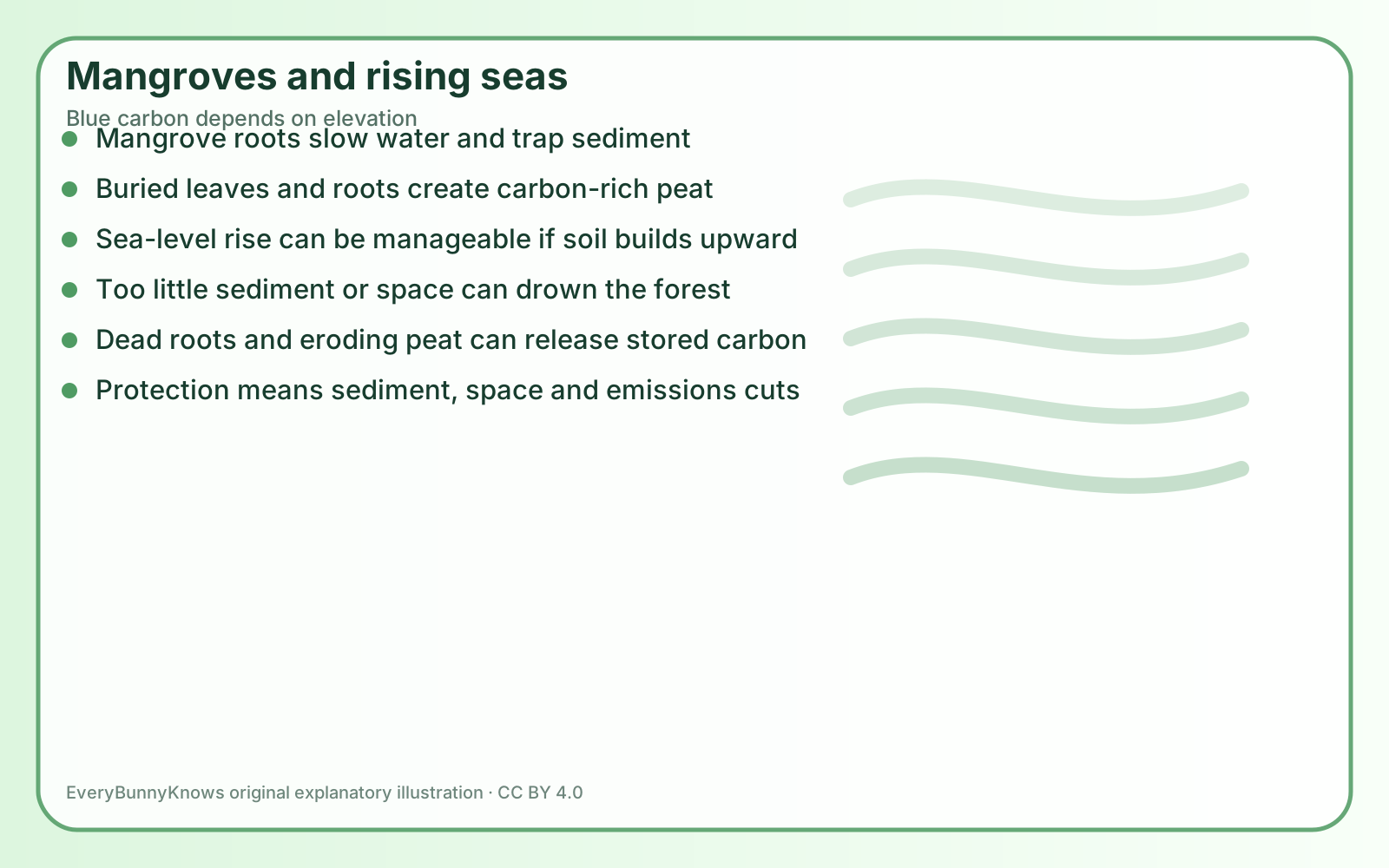
Mangrove forests are often described as climate allies, and the description is deserved. Along tropical and subtropical coasts, their roots slow waves, catch sediment and bury leaves, wood and root material in oxygen-poor mud. That buried organic matter is blue carbon: carbon stored in coastal ecosystems rather than in the open atmosphere. The warning from recent sea-level research is not that mangroves have stopped being valuable. It is that their value depends on a delicate vertical race between living roots, trapped sediment and the rising sea.
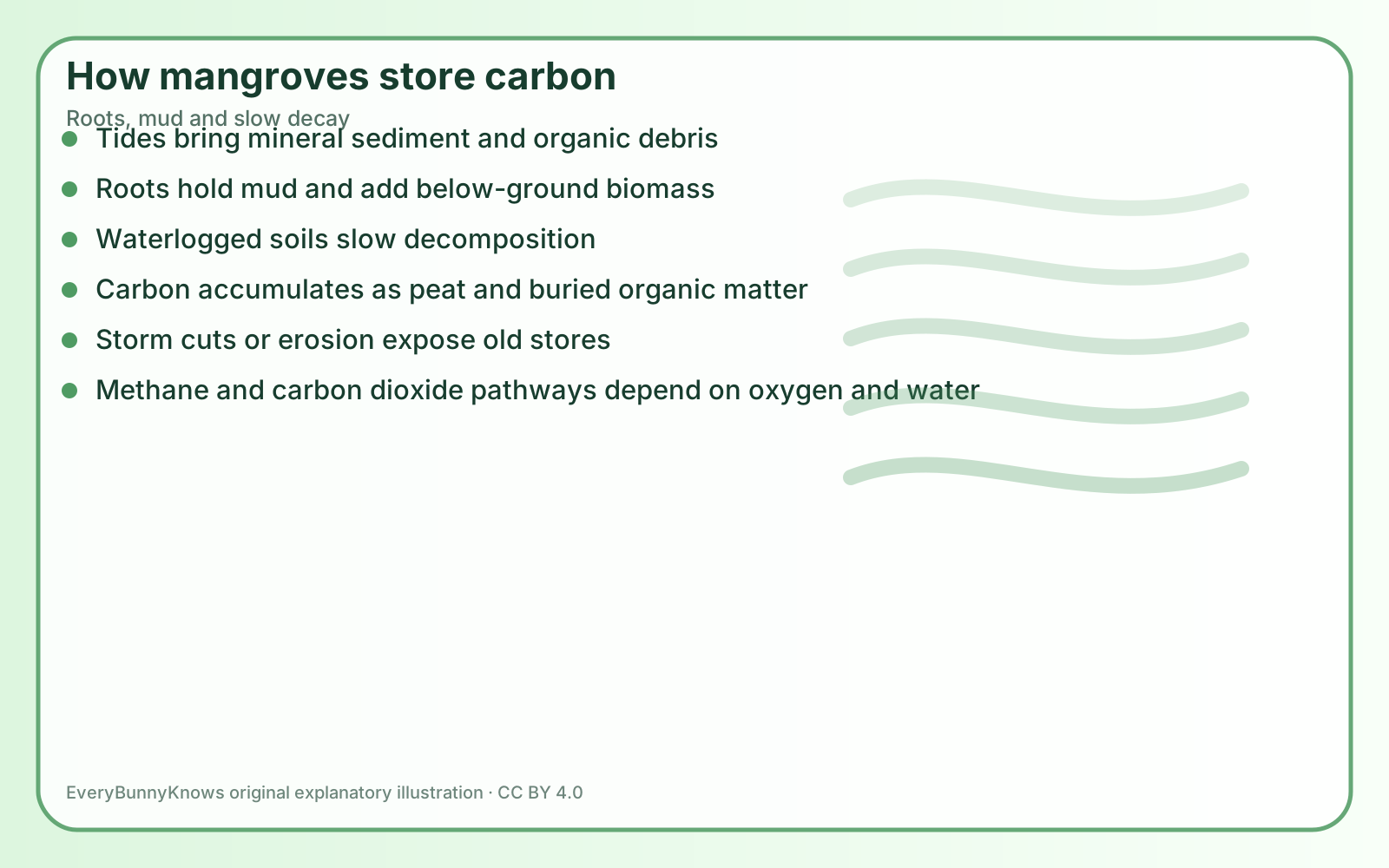
A healthy mangrove does more than occupy land; it helps make land. Tides carry mineral sediment and organic debris into the forest. Prop roots, pneumatophores and dense root mats slow the water enough for particles to settle. New roots grow into the mud, old roots die, and waterlogged soils slow decomposition. Over years and centuries this can build peat and raise the forest floor. That is why some mangrove coastlines can keep pace with modest relative sea-level rise.
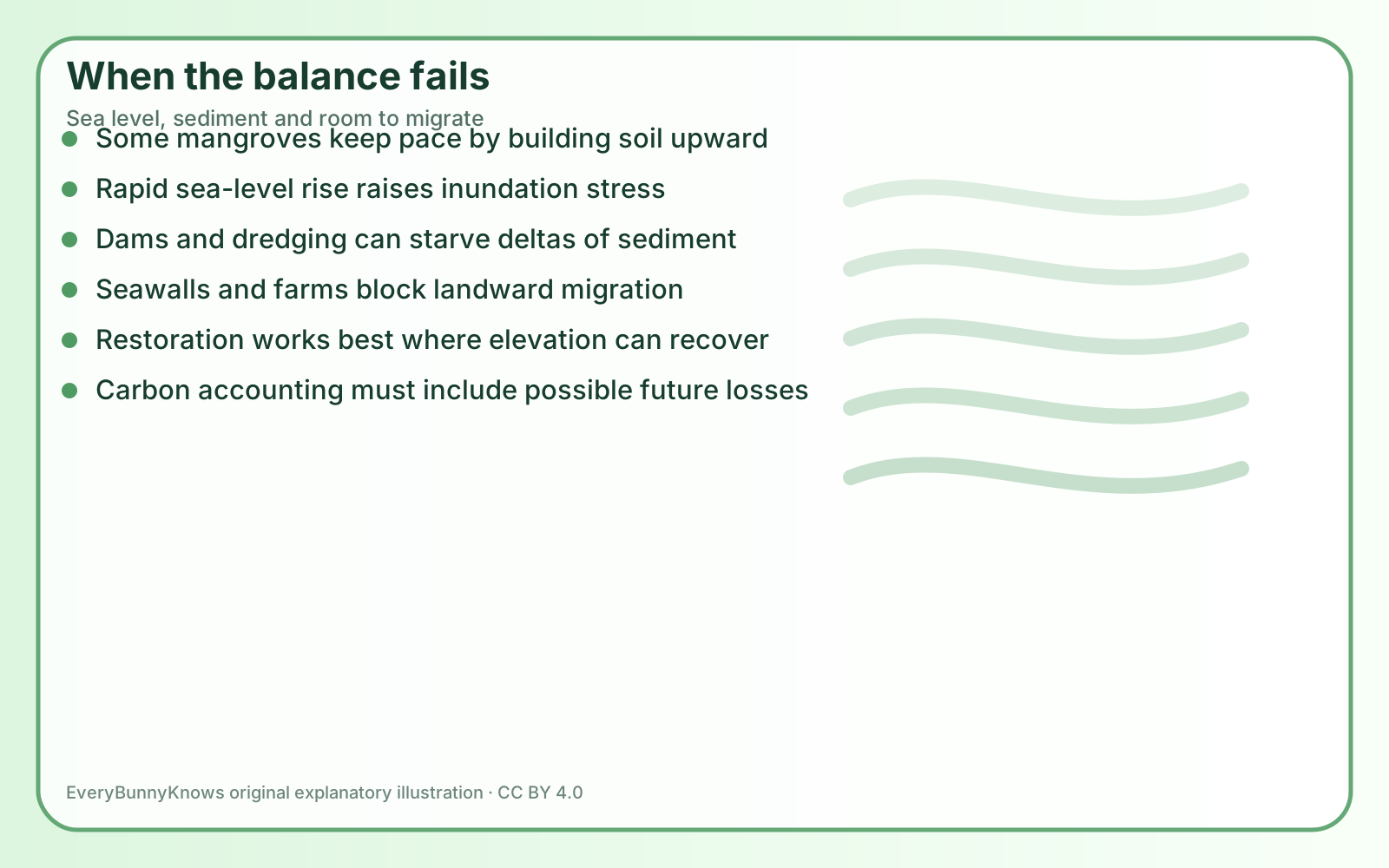
The problem begins when the pace changes. Global sea level is rising as oceans warm and land ice melts, and many deltas also sink because of groundwater pumping, sediment compaction or reduced river sediment. If the water rises faster than the mangrove platform can build upward, trees spend too much time inundated. Roots lose oxygen, seedlings fail to establish, and the forest edge can retreat or collapse into open water. In that state mangroves may store less new carbon and, where old peat is eroded or decomposes, may release part of what was previously locked away.
This does not mean every mangrove forest faces the same future. Geography decides much of the outcome. A muddy delta with steady sediment supply, gentle slopes and room for the forest to migrate inland has more options than a narrow coast trapped between deepening water and a seawall. Storms can deliver sediment that helps elevation, or they can tear away peat. River dams can starve a coast of mud. Shrimp ponds, roads and resorts can block the landward movement that would otherwise let mangroves follow the tide.
The carbon accounting is also more complex than a simple sink-or-source label. Waterlogged soils can emit methane in some settings, while saline conditions may suppress it. Disturbance can expose old organic layers to oxygen, but the timing and amount depend on soil type, tidal flushing, temperature and the fate of eroded material. Researchers therefore use field cores, elevation tables, remote sensing and models to ask a practical question: under which sea-level pathways do mangroves continue building soil, and under which pathways do they become vulnerable carbon stores?
For coastal communities, the useful lesson is precise. Protecting mangroves is not only planting seedlings on a shoreline. It means keeping rivers connected to sediment, avoiding hard barriers where landward migration is possible, restoring hydrology in abandoned ponds, and reducing the emissions that drive long-term sea-level rise. Mangroves can remain powerful allies, but only if policy treats them as living landforms rather than decorative strips of green at the water’s edge. The hopeful part is that many of the needed choices are local and visible: space, mud, water flow and time.