What a Robotic Kestrel Teaches Drones About Gusts
Wind-tunnel experiments with a bird-inspired robot show why vertical gusts can be so destabilizing for small aircraft. The lesson for drones is not to copy feathers literally, but to combine airframe shape, fast sensing and conservative control.
Lucia Wren ·
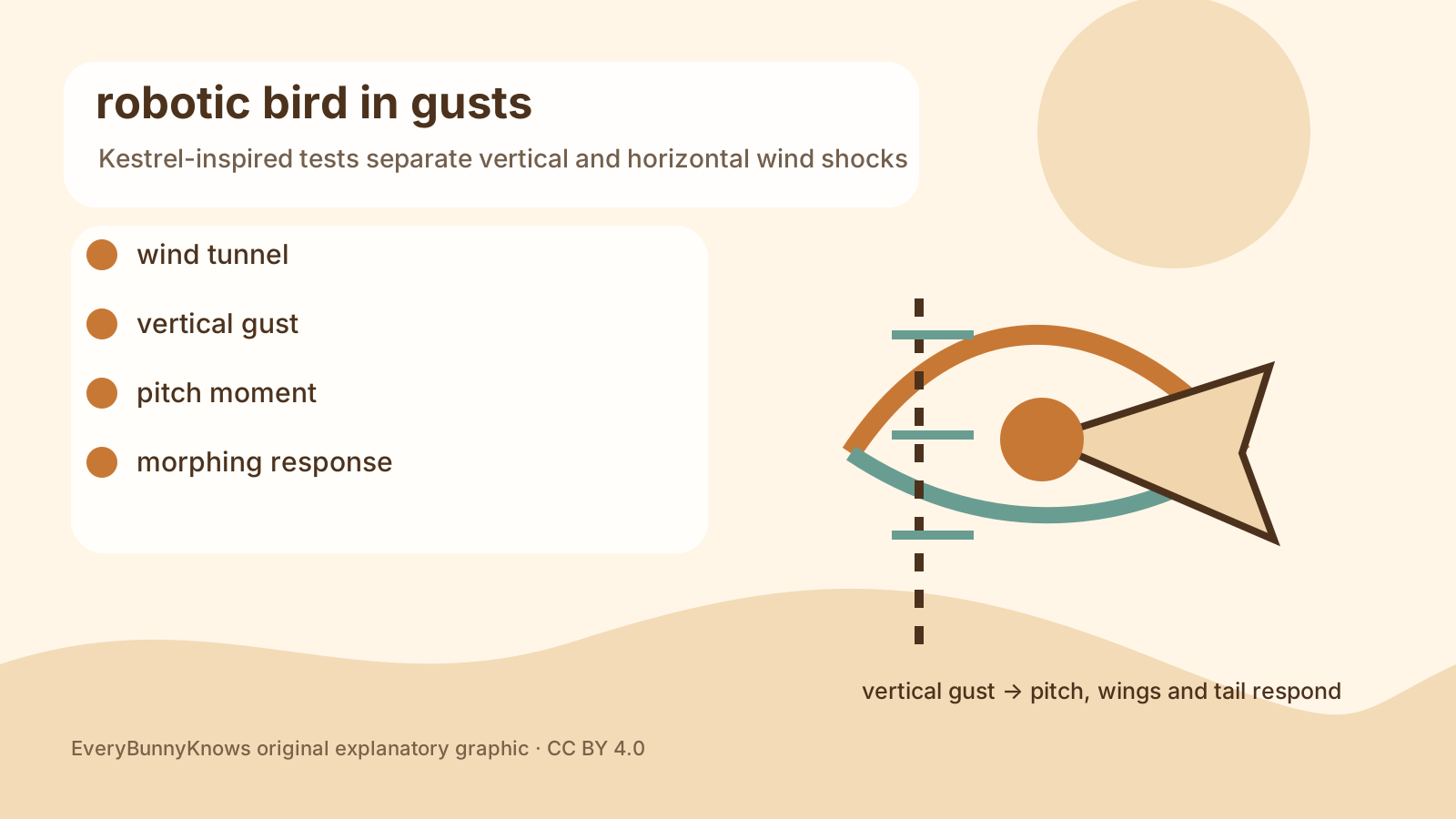
Small drones are light for a reason: every extra gram shortens flight time. The same lightness makes them easy for wind to shove around. A robotic bird inspired by the Australian kestrel, tested in a wind tunnel and reported in 2026, turns that everyday nuisance into an engineering question. When a gust comes from below or above, how does a flying body keep its nose, wings and tail from turning the disturbance into a loss of control?
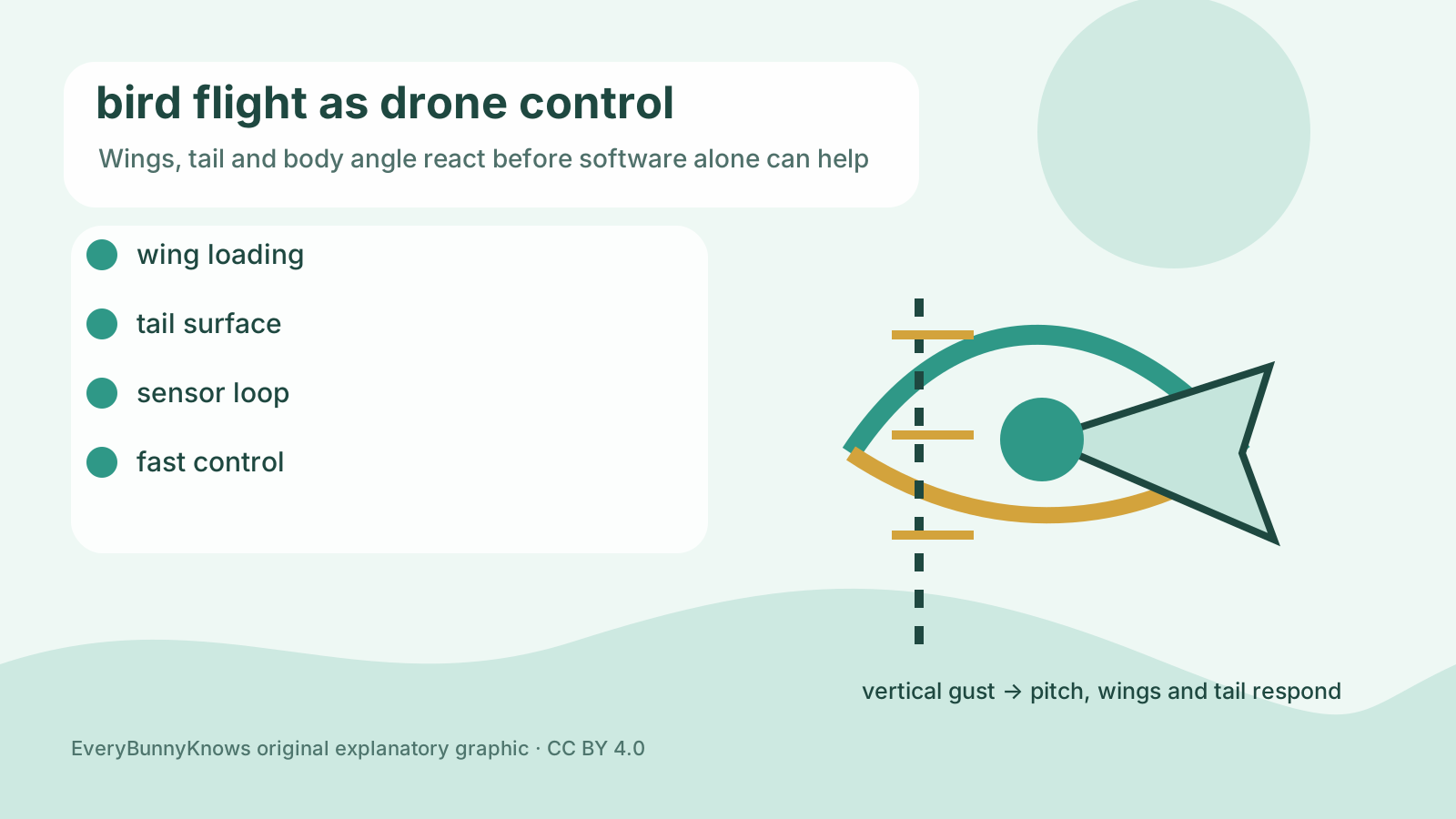
The mechanism is aerodynamic torque. A horizontal headwind or tailwind changes the airspeed over the wings. A vertical gust changes the angle at which the air meets the body. For a bird or drone with broad wings, that sudden angle change can create a pitching moment: the nose wants to rise or drop. If the vehicle is small, the disturbance can be comparable to its normal control authority. If it reacts late, the autopilot may spend precious battery and distance correcting a motion the airframe could have softened.
Birds solve part of the problem with bodies, not only brains. A kestrel can change wing sweep, tail spread, feather angle and posture while sensing flow across its body. The robotic bird is useful because it lets engineers test pieces of that strategy one by one. A repeatable wind-tunnel gust can strike a model with controlled wing and tail positions, while sensors record lift, drag and pitching forces. That is cleaner than filming a wild bird in weather, and more informative than treating a drone as a rigid box with propellers.
The likely drone lesson is not that future quadcopters need feathers. It is that stability can be distributed. A vehicle can be shaped so a gust naturally produces a restoring response, equipped with small movable surfaces that unload the motors, and controlled by software that recognizes vertical gusts quickly instead of averaging them into ordinary turbulence. Fixed-wing inspection drones, delivery aircraft, environmental monitors and search robots may benefit more than indoor toy drones because they spend longer in real wind.
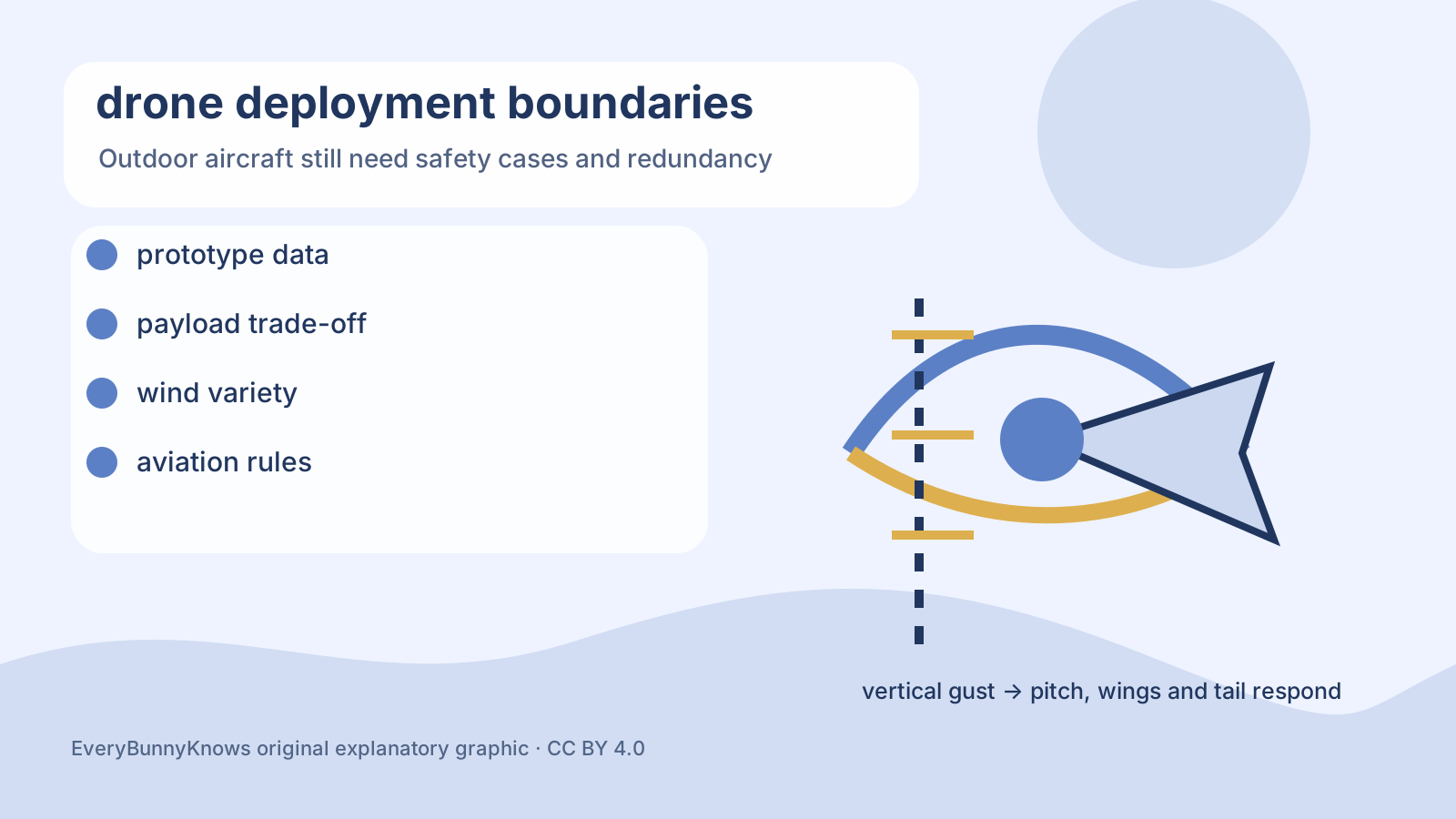
The maturity is still experimental. Wind tunnels simplify the atmosphere: gusts are repeatable, the model is instrumented, and the danger is low. A city street, coast or fire zone adds thermals, buildings, rain, dust, GPS loss, birds, people and legal limits. Morphing surfaces add hinges, actuators, maintenance and failure modes. A kestrel-inspired design must also carry cameras, radios and batteries without becoming too heavy to justify itself.
One useful measurement is energy after the gust. If a more birdlike airframe recovers with less motor thrust, it can extend range or reserve power for emergencies. If it needs delicate moving parts that fail after dust, ice or vibration, the gain disappears. The engineering test is therefore a whole-flight budget, not a beautiful wing in isolation.
That is why the cautious promise is better than the hype. Wind is one of the reasons small drones struggle to become reliable working tools outside calm demonstration days. If bird-inspired tests help designers identify which body shapes reduce dangerous pitch loads, drones can become safer without relying only on bigger batteries and faster motors. The next step is outdoor testing that measures recovery distance, energy use and failure behavior when gusts arrive from several directions, not a claim that a robot bird has solved flight.