A Sámi Burial at Lake Kitka Reveals a Life of Movement, Not a Static Past
DNA and isotope work on a man buried near Lake Kitka around the turn of the seventeenth century links him to Sámi ancestry while showing childhood and adult movements across northern landscapes.
Ada Brooks ·
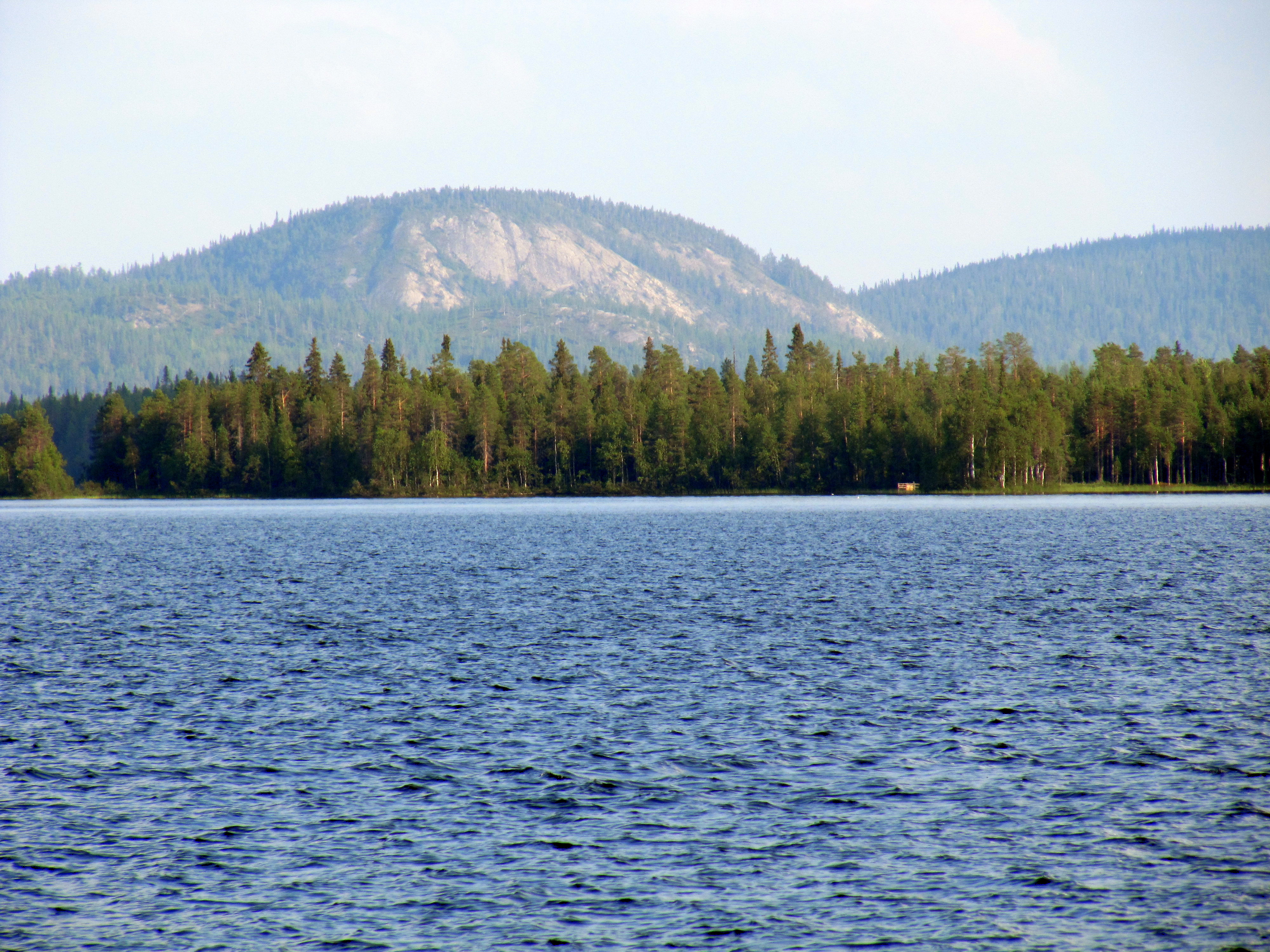
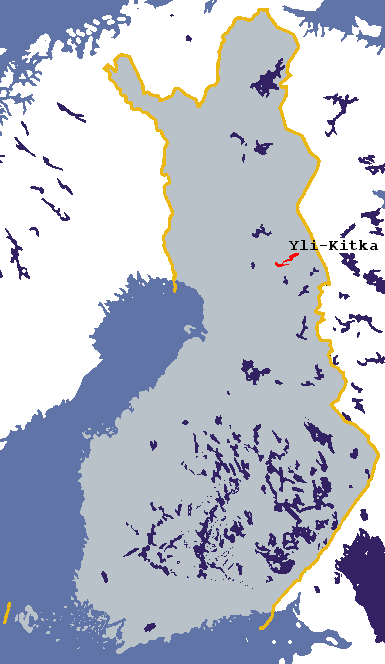
A burial near Lake Kitka in Kuusamo, northern Finland, could easily have been reduced to a label: “Sámi grave,” “early modern Finland,” or “DNA result.” The study behind the new evaluation is more interesting because it resists that flattening. Researchers including Sanni Peltola and Ulla Nordfors examined the remains of a man about forty years old, found in the 1970s and dated to the turn of the sixteenth and seventeenth centuries. Their result is not a simple origin story, but a biography assembled from bones, teeth, genes and landscape.
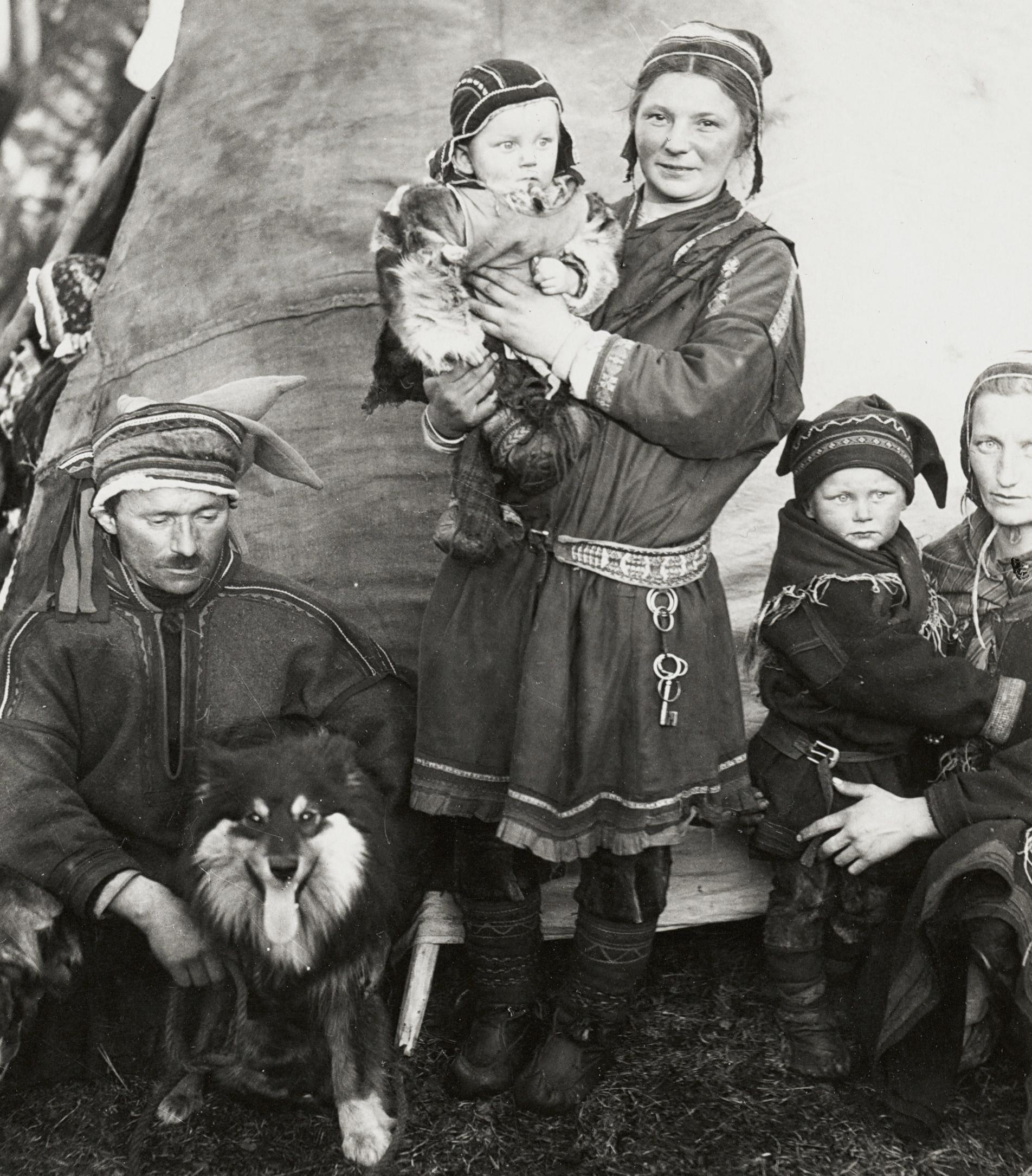
The genetic evidence links the man clearly with present-day and historical Sámi populations. In Finland, the study reports his strongest identity-by-descent connections with people in the northeastern part of modern Lapland. That matters because the Kemi Sámi world of northern Finland was later transformed by settlement, language loss and assimilation into the Finnish-speaking population. One burial cannot restore a vanished language community, but it can give that history a human scale.
The isotope evidence adds movement. Teeth form at different stages of childhood and keep chemical traces of food and drinking water. In this case, the signals suggest a childhood diet that included land animals, freshwater fish and marine resources, then a period in late childhood or adolescence when the water signature pointed to volcanic bedrock — possibly Iceland, according to the researchers. Later in life, the man ate more marine foods and relatively little freshwater fish, which would be surprising for someone living long-term beside Lake Kitka.
That is the mechanism of the discovery: DNA can speak about relatedness, while isotopes can speak about diet and place. Neither is a magic passport stamp. Ancient DNA is compared with modern and historical reference groups; isotopes narrow possibilities by geology, water and food webs. Together, however, they show that the Kitka individual was not simply “from here” or “from elsewhere.” He likely had genetic roots around the northeastern borderlands of Finland, but his life included wider movement before he was buried at Kitka.
The ethical context is important. Sámi history has often been described from outside, through administrative categories or older research that imagined static communities and fixed roles. Nordfors’s point, quoted in Archaeology Magazine, is that the results do not match those older images. Mobility, trade, seasonal work, family ties and social responsibilities could produce lives that crossed distances far larger than a modern reader might expect from a single inland grave.
The burial also shows why respectful archaeology is more than extraction. The strongest reading comes from combining laboratory evidence with local history and from stating uncertainty plainly. A tooth can preserve a childhood water signal, but communities and descendants shape the questions that should be asked about such remains. For readers, that is the value of the Kitka case: it turns a remote grave into a careful lesson in how identity, movement and landscape can be studied without pretending that a laboratory result contains the whole person.
There are limits. The study concerns one individual, not every Sámi person in early modern Fennoscandia. Isotope maps can suggest regions but not reconstruct a day-by-day route, and the possible Iceland connection should be read as a plausible interpretation of a water signal rather than a diary entry. The hopeful part is methodological and respectful: when genetics, isotopes, archaeology and Sámi historical context are read carefully together, a grave becomes less of a specimen and more of a person whose life complicates the map.