Primate teeth may rewrite the story of humanity’s “oldest habit”
A 2025 study of 531 wild primates found tooth-groove-like lesions but no clear abfraction lesions, complicating old claims that ancient human grooves prove tooth-picking.
Tereza Field ·
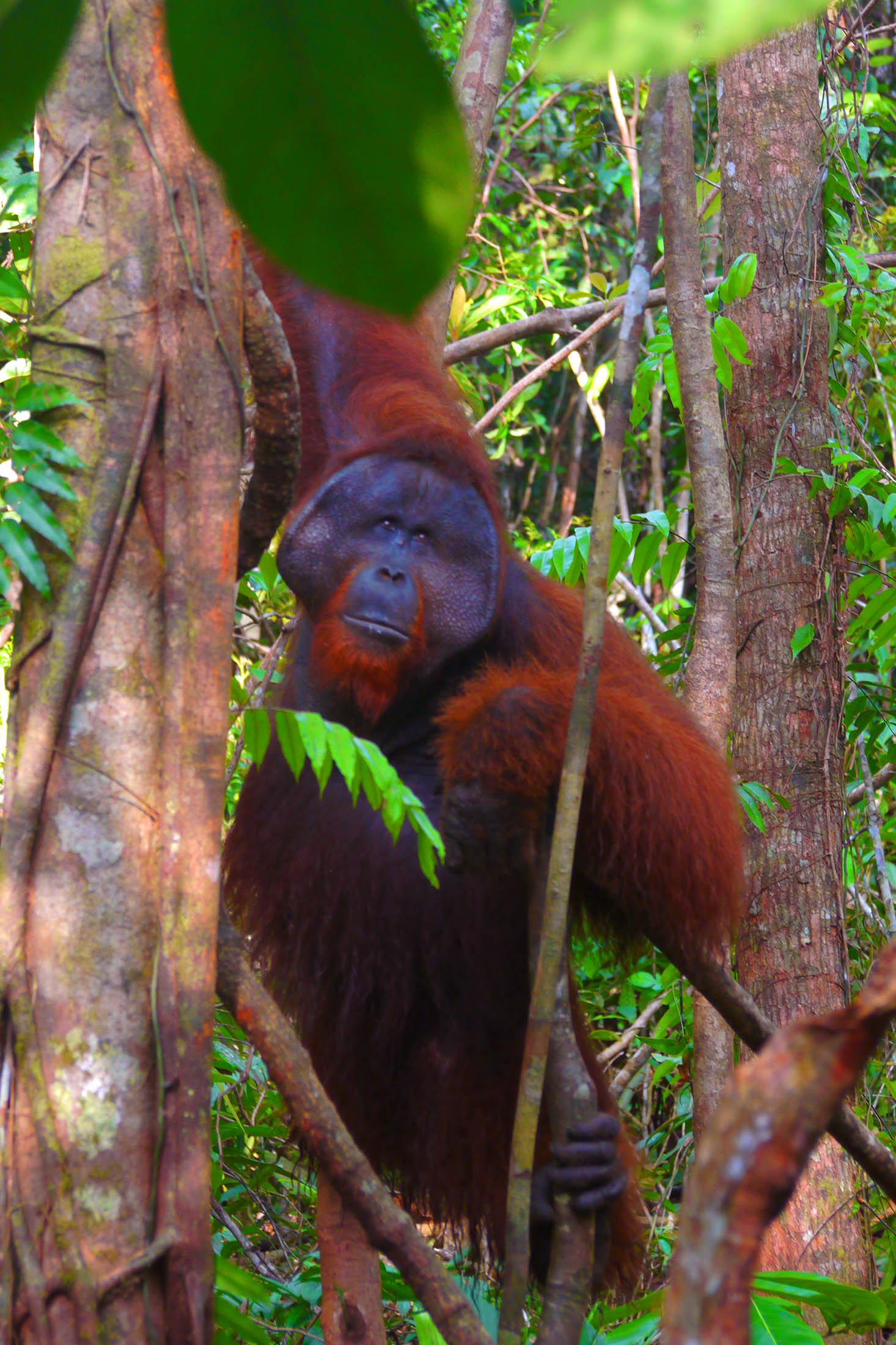
For decades, narrow grooves on ancient human teeth have tempted researchers to tell a simple story: people were cleaning their teeth with toothpicks far back in prehistory. A 2025 study in the American Journal of Biological Anthropology makes that story more interesting and less certain. Ian Towle and colleagues examined 531 wild primates from 27 living and extinct anthropoid taxa and found that some non-human primates can develop tooth-groove-like lesions too. The finding does not prove ancient people never used toothpicks. It shows that a groove alone is not enough to identify one of humanity’s oldest habits.
The team focused on non-carious cervical lesions, a dental category that means tissue has been lost near the neck of the tooth without being caused by decay. In humans, archaeologists and dentists often discuss two especially relevant forms. “Toothpick grooves” are localized, often U-shaped marks with striations that look as if something abrasive repeatedly rubbed the tooth. Abfraction lesions are deeper, V-shaped notches near the gumline that are common in modern clinical dentistry and have been linked to complex combinations of stress, abrasion and erosion. The question was whether similar marks appear in wild primates that do not visit dentists, buy toothbrushes or follow modern diets.
The sample was large for this kind of comparative work: 531 individuals, 27 taxa and a mix of living and fossil anthropoid primates. The researchers used macroscopic examination and imaging methods including stereoscopic microscopy, confocal laser microscopy, handheld digital microscopy and three-dimensional tissue-loss analysis. They identified non-carious cervical lesions in 21 individuals, or about four percent of the sample. Those lesions were not randomly identical. Some were localized U-shaped defects with internal parallel striations, consistent with regular contact with abrasive materials. Others were smoother, shallower areas of tissue loss along the gumline, possibly involving several processes including acid erosion.
That matters because archaeology often works from small marks. A stone tool can be read through its edge wear; a bone through cut marks; a tooth through scratches, pits and grooves. But a mark is not the same thing as a behavior until researchers test other ways it could form. If wild primates can produce groove-like lesions without human toothpicks, then ancient human teeth need a more cautious reading. A groove may still be evidence of habitual probing or cleaning when its shape, location, microscopic striations and archaeological context all fit. It should not be treated as automatic proof by itself.
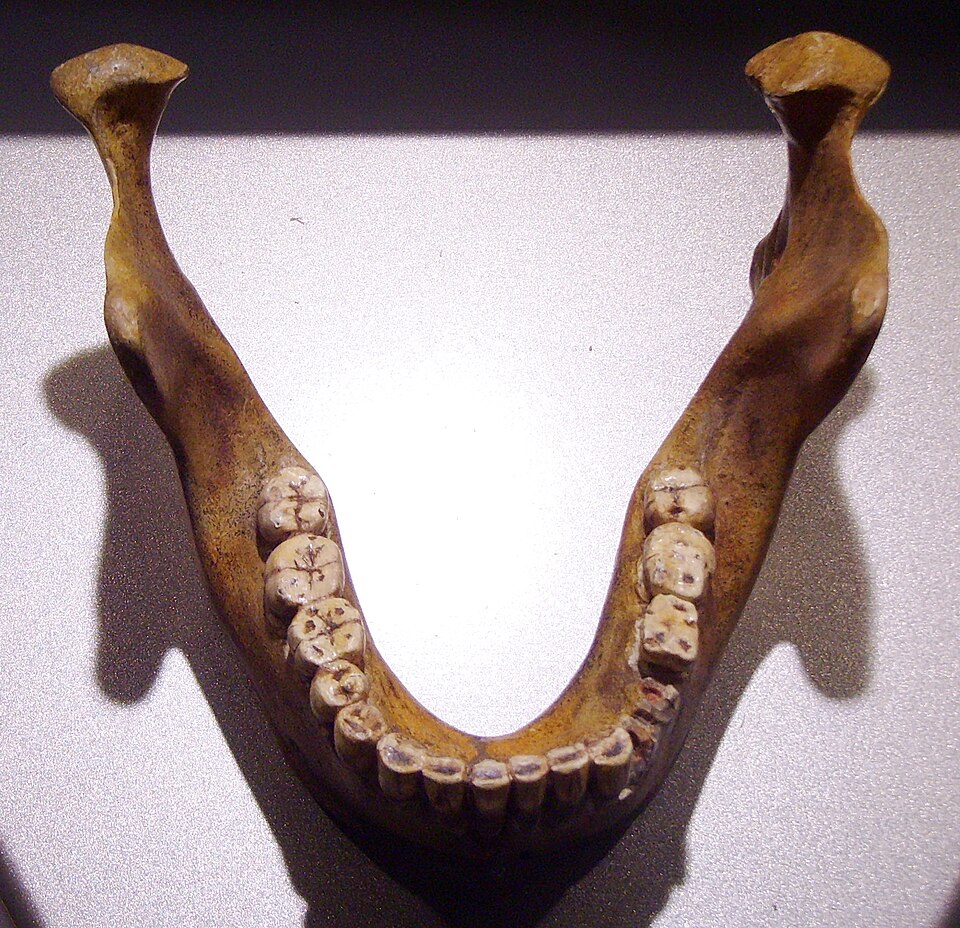
The study’s other result is almost the mirror image. The authors did not find abfraction lesions in the wild-primate sample. That absence supports the view that abfraction, at least in its common modern form, may be tied to contemporary human conditions rather than being a simple universal feature of primate teeth. Modern diets, oral hygiene tools, dental treatments, bruxism, acidic exposure and longer tooth retention may all play roles, but the point is not to blame one cause. The point is that living primates provide a baseline. Without that baseline, researchers risk turning modern assumptions into ancient facts.
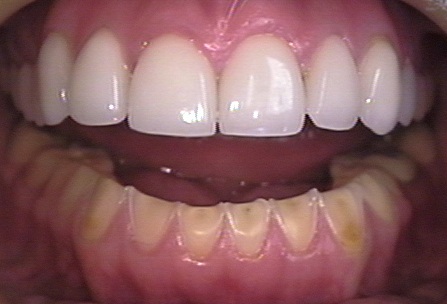
There are limits. Museum and fossil samples are uneven, tooth surfaces preserve differently, and a four-percent prevalence of lesions in wild primates does not explain every groove found in human fossils. The study also does not deny that people have used sticks, fibers or other tools in their mouths for a very long time. It narrows the claim. The strongest interpretations will combine groove shape, microwear, residue, tooth position, population patterns and cultural context rather than leaning on one impressive-looking mark.
The practical lesson is scientific: a familiar human-origin story became better because researchers looked sideways, toward other primates. By asking what non-human teeth can do under natural conditions, the study gives archaeologists a cleaner comparison for reading ancient human mouths. It replaces a tidy anecdote with a better method. That may sound less dramatic than “the oldest habit,” but it is more useful. It lets future discoveries say not just that a groove exists, but why that groove is most likely there.