Turning red lettuce green exposed a hidden plant-chemistry trade-off
University of Tsukuba researchers used genome editing to reduce anthocyanin pigment in red leaf lettuce, revealing how carbon flow through the phenylpropanoid pathway can shift other health-relevant polyphenols while the plant still grows.
Tomáš Hare ·
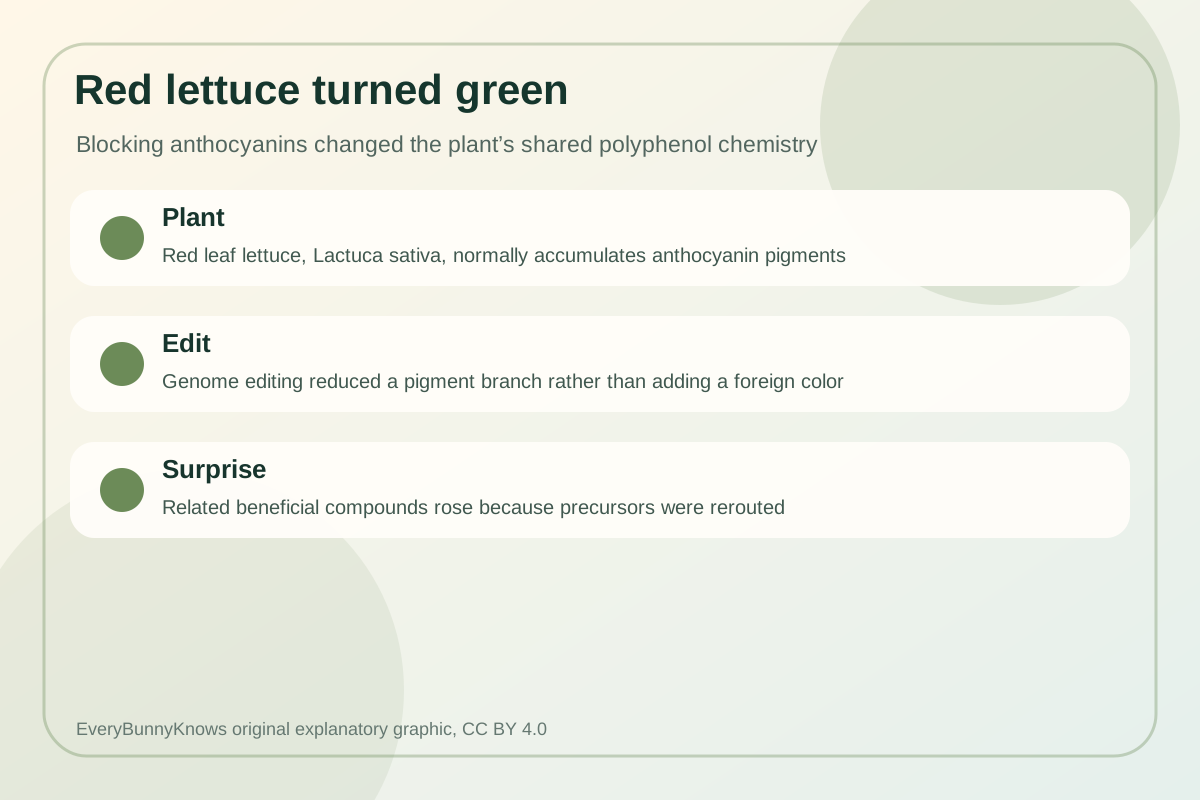
Red leaf lettuce is red because its cells make anthocyanins, a family of polyphenol pigments that also help plants handle light and stress. Researchers at the University of Tsukuba asked a simple-looking question with a deeper biochemical answer: what happens if the red branch of that pathway is blocked? Using genome editing in red leaf lettuce, Lactuca sativa, they produced green-looking plants and found that the change did not merely remove color. Other health-relevant plant compounds accumulated, revealing a trade-off inside the plant’s chemical budget.
The exact plant matters. Lettuce is not a passive salad leaf; it is a living crop that routes carbon, nitrogen and energy through pathways used for growth, defense, light response and flavor. Anthocyanins sit within the phenylpropanoid and flavonoid network, which also produces phenolic acids and related polyphenols. When one branch slows, precursor molecules and enzyme capacity can become available to other branches. That is the likely reason the edited lettuce could lose red pigment while increasing some other compounds rather than simply becoming a weaker plant.
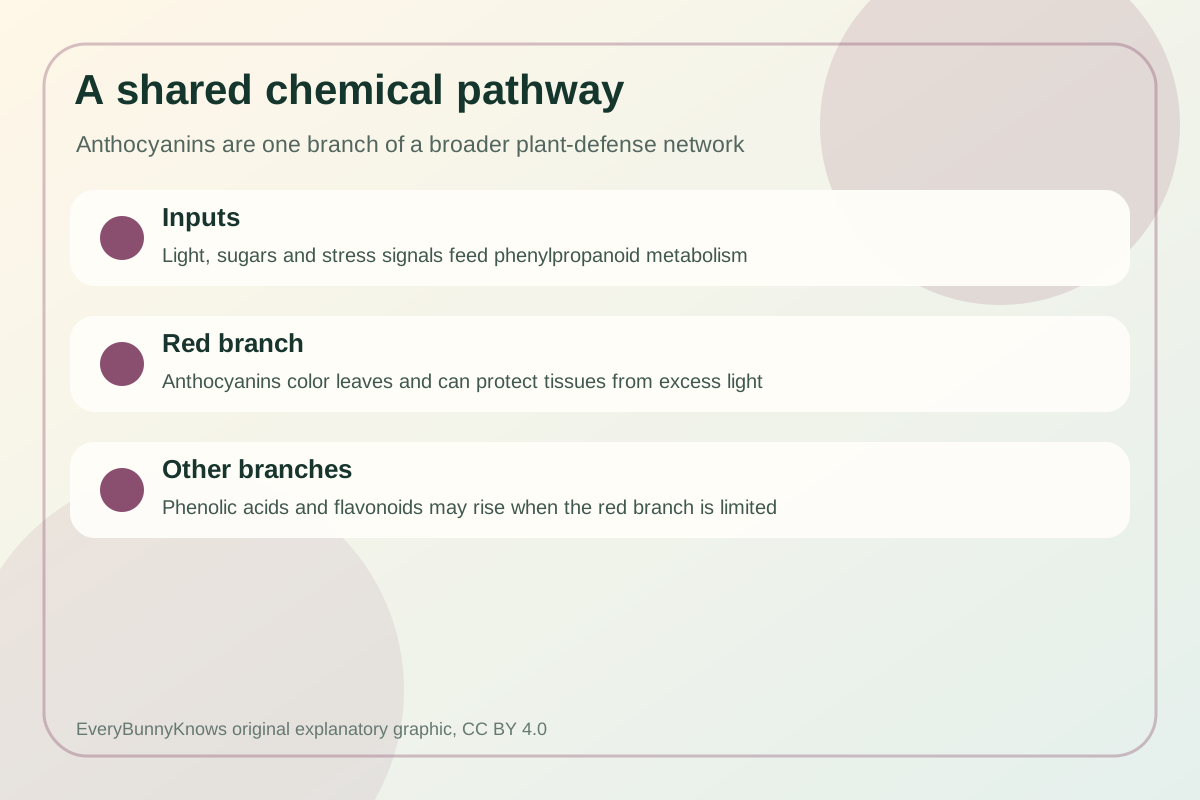
The mechanism is metabolic rerouting, not cosmetic dyeing. Genome editing changed the plant’s own instructions for pigment production. By interrupting anthocyanin synthesis, the researchers created a test of where biochemical traffic goes when the obvious red destination is partly closed. The result is useful because it turns color into a visible marker for invisible chemistry. A green edited leaf can tell scientists that a pathway has shifted, while lab measurements show which molecules rose or fell.
This does not mean red lettuce is bad or green edited lettuce is automatically healthier. Anthocyanins themselves are valuable plant compounds, and human nutrition depends on dose, digestion, the rest of the diet, variety, farming conditions and whether a crop is actually grown and regulated for food. The study is strongest as plant science: it shows that the same pathway can be tuned and that crop traits such as color, stress response and phytochemical profile are connected.
It also explains why the visible phenotype is useful in a laboratory. A red-to-green shift can be checked by eye before the chemistry is quantified, helping researchers select plants for deeper metabolite analysis. That makes lettuce a convenient model crop for asking how a small genetic change ripples through a leaf.
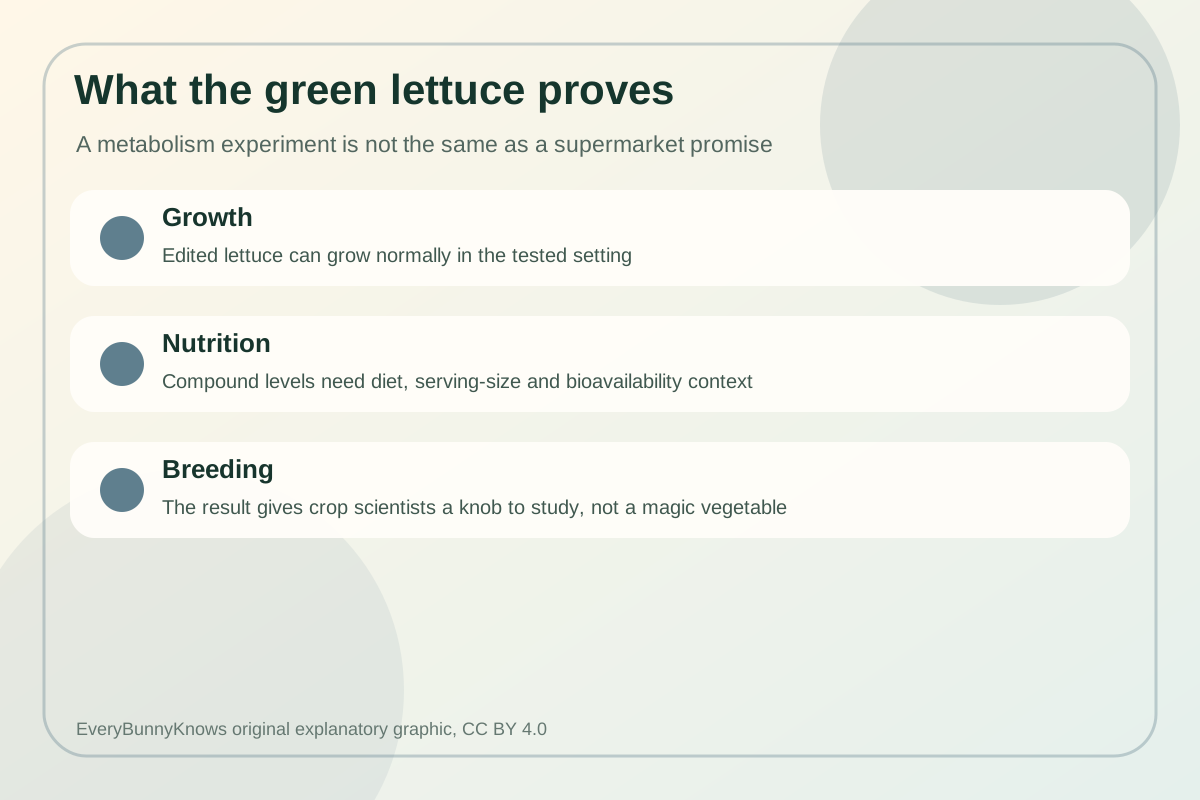
The limits are also practical. Controlled edited lines may behave differently under field light, heat, pests and storage. A compound that rises in a leaf is not automatically absorbed by people in a meaningful amount. Red pigments can protect plants from bright light, so reducing them could have trade-offs under some conditions. Crop breeders would need to test yield, taste, resilience, stability and public acceptance before treating the finding as a food innovation.
The hopeful lesson is precise. Plants are not fixed ingredient lists; they are biochemical systems with switches, queues and competing uses for the same materials. By turning red lettuce green, researchers made one of those switches visible. The work gives breeders and plant biologists a cleaner way to ask how leafy vegetables allocate chemistry, and it reminds readers that color on a plate is often a clue to a much larger conversation inside the leaf.