Scilla and Chianalea: Clear Water, Swordfish Boats and the Strait of Myth
At the northern edge of the Strait of Messina, Scilla turns a small waterfront into a layered Calabrian story: Chianalea houses on the water, swordfish boats, Ruffo Castle, fast currents and the long shadow of Scylla and Charybdis.
Mira Vale ·
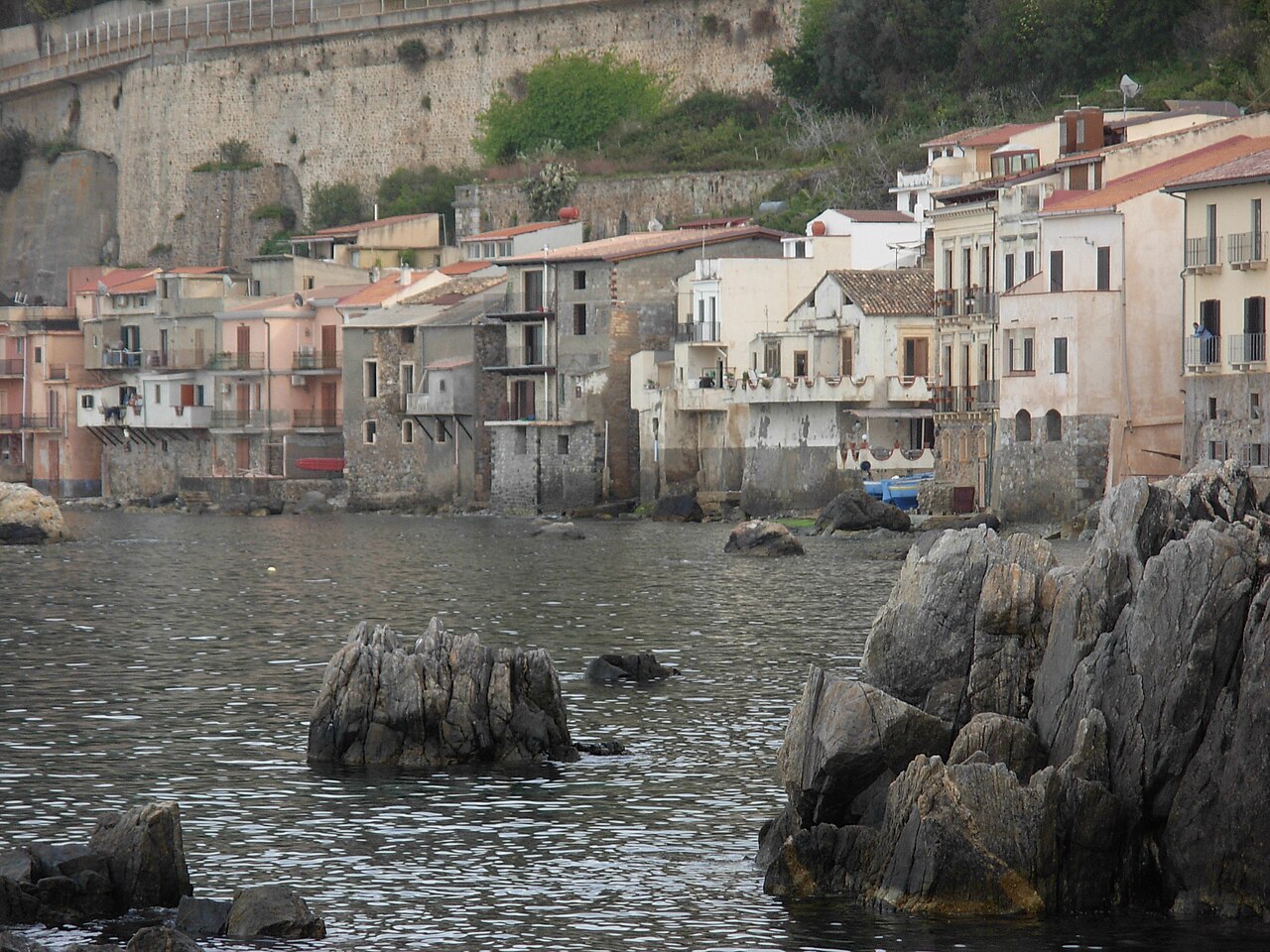
Scilla stands where Calabria narrows toward Sicily and the Strait of Messina turns the sea into a corridor. The old fishing quarter of Chianalea is the place to understand it first: houses seem to rest directly on the water, small boats pull in below balconies, and the Ruffo Castle watches the coast from the rock above. The village is compact, but its setting is unusually layered. In a few hundred metres, visitors meet geology, fishing, myth, local food and the practical reality of a sea passage that has never been entirely gentle.
The physical mechanism is the strait itself. The water between Calabria and Sicily is narrow, deep and shaped by opposing tidal phases, winds and seabed forms that can produce strong currents and visible turbulence. This is not a sheltered bay. Ferries, fishing boats and migrating species all have to negotiate a moving threshold between the Tyrrhenian and Ionian seas, and that movement explains why the view feels alive even when the waterfront is quiet. Clear water here is part of the attraction for swimmers, photographers and small boats, but it is also conditional: light, season, wind and current decide whether the sea looks transparent or restless.
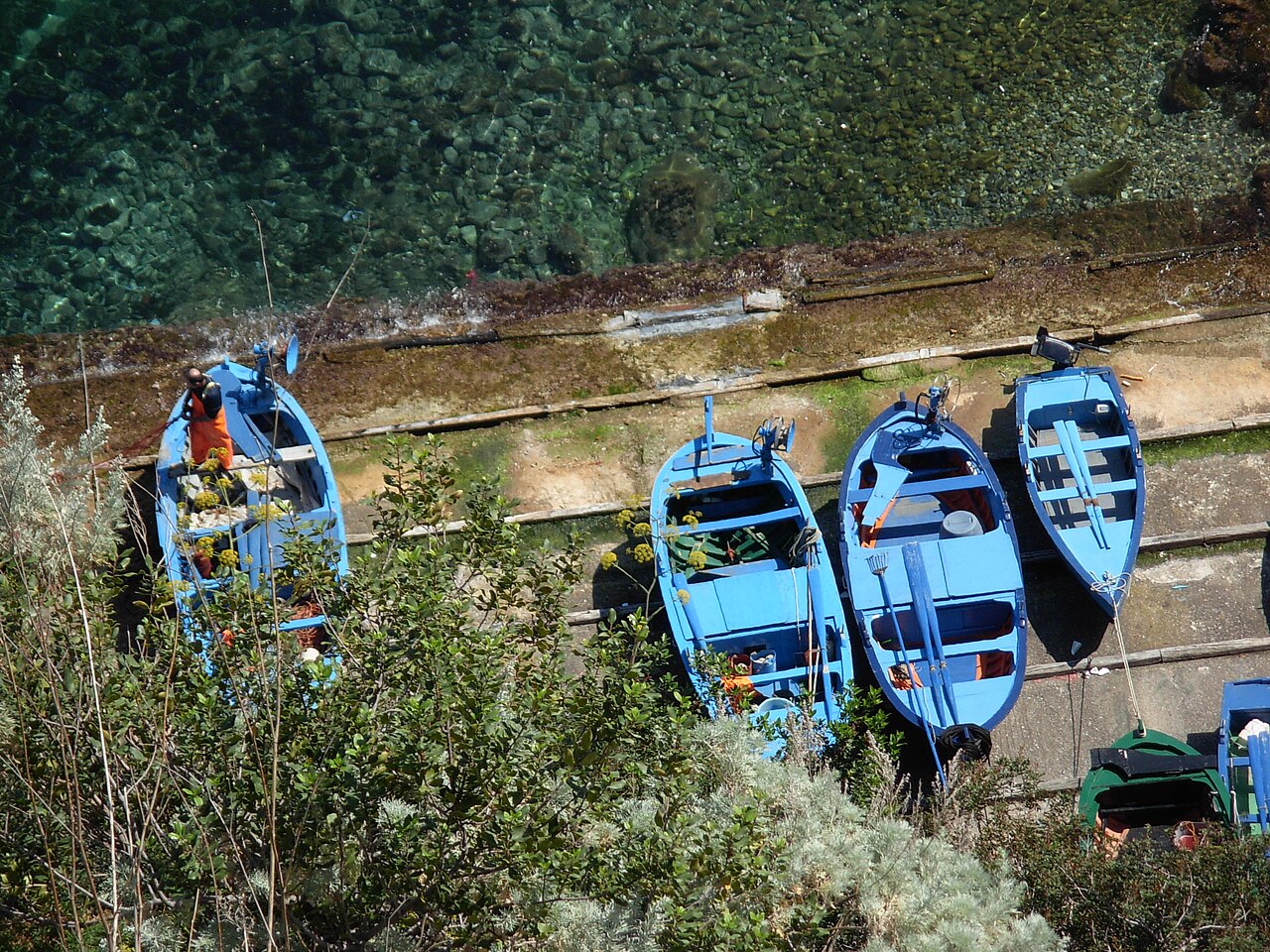
Local fishermen adapted to those conditions over generations. The most distinctive image is the swordfish boat, traditionally fitted with a high lookout mast and a long forward platform so the crew can spot and approach fish in the strait. The method is demanding, seasonal and tied to knowledge of behaviour, weather and water. Today it is also cultural memory. Swordfish on a menu may feel like a travel cliché, but the boats show a more serious fact: Chianalea’s beauty was built by work as much as by scenery.
That work has limits. Mediterranean swordfish is a managed species, and responsible consumption depends on season, legality, size rules and traceability rather than on romance. A careful traveller should ask what is local, avoid treating every fish dish as automatically sustainable and remember that small fishing cultures operate inside wider pressures from markets, regulation and changing seas. It also helps to look beyond the headline fish: anchovies, squid, seasonal vegetables, bergamot and simple pasta dishes often tell Calabria’s daily food story more quietly. The point is not to make lunch anxious; it is to keep admiration honest.
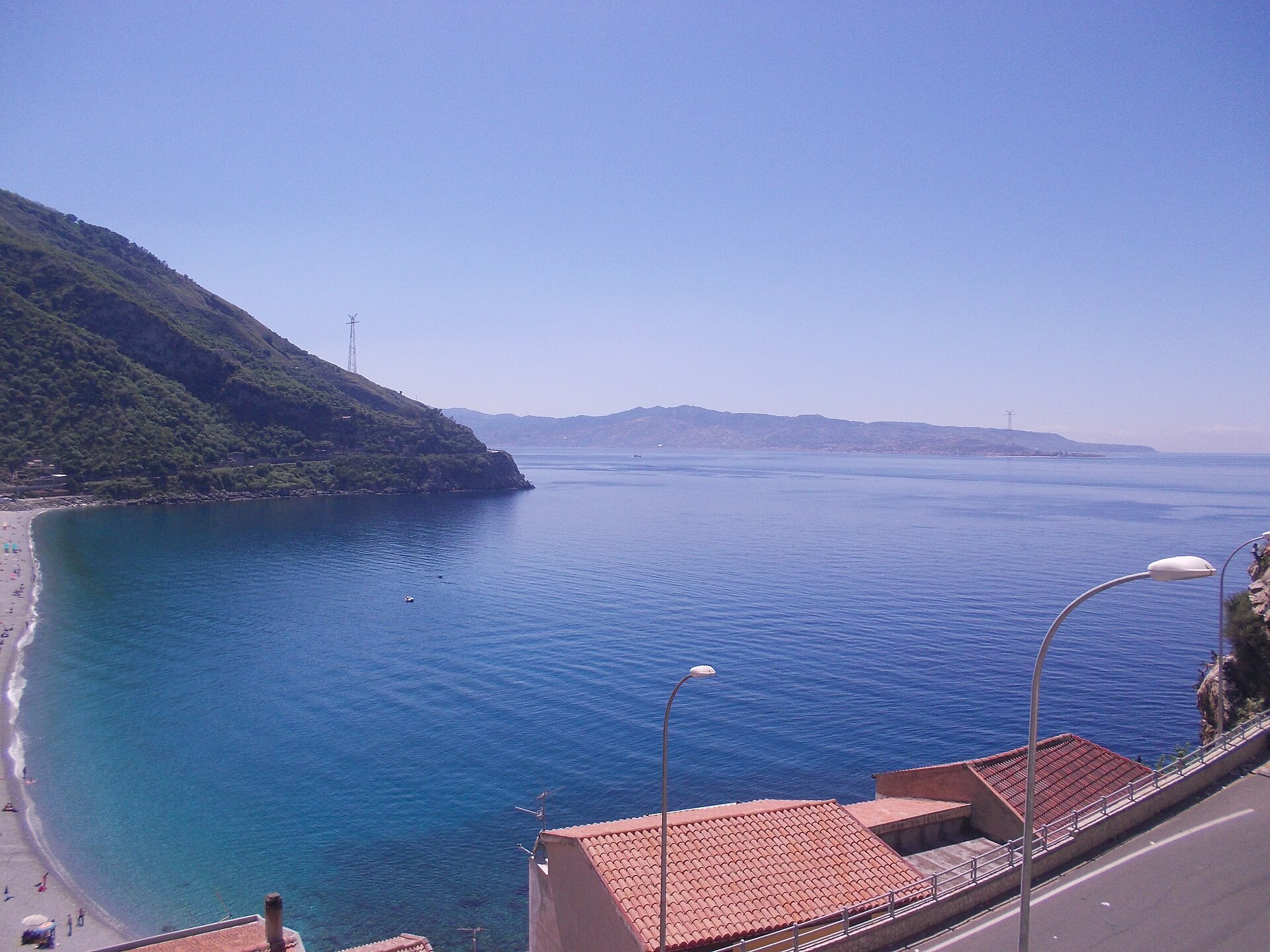
Scilla’s name adds another layer. Ancient writers placed the monster Scylla near this dangerous passage opposite Charybdis, turning a real navigational fear into myth. You do not need to read the Odyssey as a map to feel why the story stuck. A narrow sea, fast water, a castle rock and Sicily visible across the channel are enough to make imagination attach. The myth works best when it is understood as cultural memory of risk rather than as a tourist trick.
A good visit stays small-scale. Walk Chianalea early or near sunset, climb toward the castle for the strait view, look across to Sicily, eat fish only when it is explained honestly, and remember that working waterfronts are not stage sets. Summer weekends can crowd the lanes and make parking difficult, while winter weather can change the sea quickly. Scilla is hopeful because it remains legible: the houses, boats, current and stories still explain one another without pretending the village is untouched by modern tourism.