Scottish island wrens show evolution at work in miniature
Wrens on St Kilda, Fair Isle and other Scottish islands are larger and locally distinctive, showing how isolation, weather and small populations can push evolution without proving a new species yet.
Jonah Reed ·
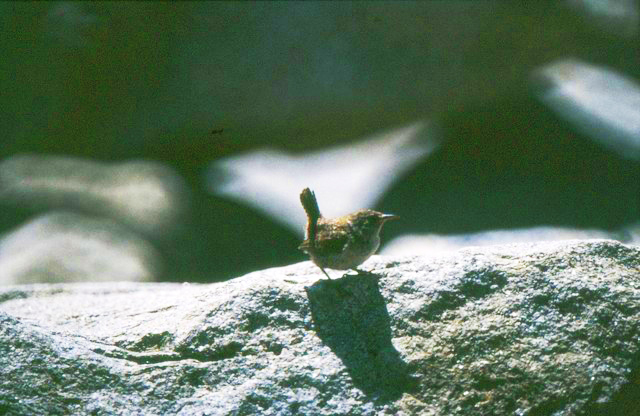
A wren is the sort of bird that makes evolution feel improbable. It is tiny, brown, loud for its size and easy to file away as a familiar garden or woodland presence. On remote Scottish islands, however, the Eurasian wren, Troglodytes troglodytes, becomes a sharper lesson. St Kilda, Fair Isle and other isolated islands hold birds that can be larger, heavier and locally distinctive enough to make researchers ask whether speciation is beginning in front of us.
The phrase “island gigantism” needs careful handling. It does not mean that wrens are becoming giant birds. It means that an island population may shift toward a larger body size than its mainland relatives. In small songbirds, even a few grams matter. Larger bodies can help with heat balance in cool, windy places; stronger bills or legs may fit local food and weather; and founder effects can amplify traits when only a small number of birds establish or maintain a population. Isolation then limits gene flow, so differences are not constantly diluted by migrants.

St Kilda’s wren has long been recognised as a distinctive island form, often treated as Troglodytes troglodytes hirtensis. Its story is bound to a severe Atlantic archipelago rather than to a simple curiosity cabinet. The birds live with wind, salt, limited woodland, stone walls, seabird cliffs and a small geographic range. Other Scottish islands offer parallel but not identical experiments. Each population carries the history of arrival, survival, storms, breeding, occasional dispersal and human land use.
The mechanism behind possible divergence is a stack of pressures rather than a single switch. Natural selection can favour bodies suited to local climate and resources. Genetic drift can move small populations in unusual directions by chance. Sexual selection can affect song, territory and mate choice. If island birds become different enough in body, voice, behaviour or genes, they may mate less readily with outsiders. That is the road toward speciation, but it is a road, not a declaration.
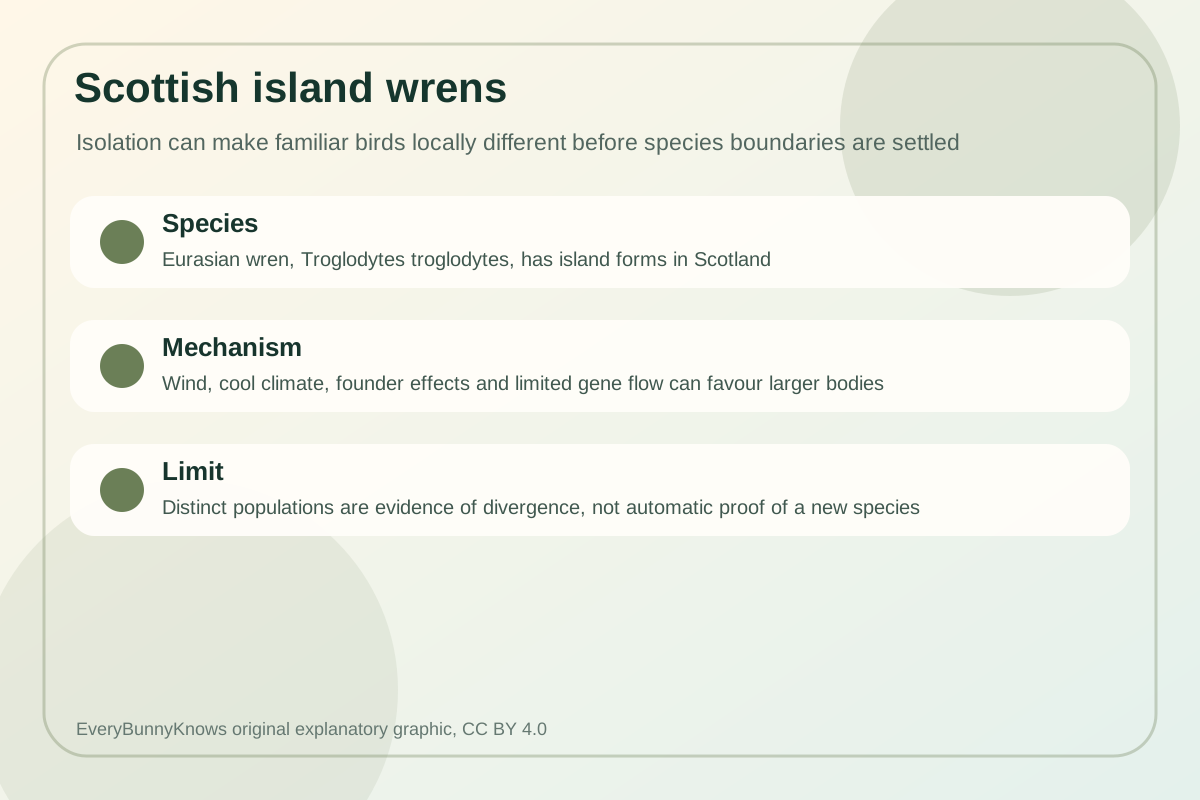
The limits are important because headlines can run ahead of biology. A named subspecies is not automatically a species. Larger average size does not prove reproductive isolation. Four island populations do not tell us every route by which wrens evolve. Researchers need measurements across seasons and ages, genetic comparisons, song analyses, breeding evidence and a sense of how often birds move between islands and mainland. Climate change may also shift the pressures that made large island bodies useful.
For readers, the value of the Scottish wrens is that they make evolution visible without turning it into spectacle. A bird that weighs little more than a coin can carry the mark of geography. The same species can behave like a set of local experiments when sea, weather and distance keep populations partly apart. Whether these wrens eventually become separate species or remain distinctive island forms, they show that biodiversity is not only a list of rare animals. It is the continuing process by which ordinary lives become locally tuned, generation after generation, to the places that hold them.