Self-Heal: The Common Purple Flower with a Surprisingly Medical Name
Prunella vulgaris carries the old name self-heal, but the safest modern story separates meadow botany, wound-herb folklore, plant chemistry and evidence limits.
Felix Arden ·
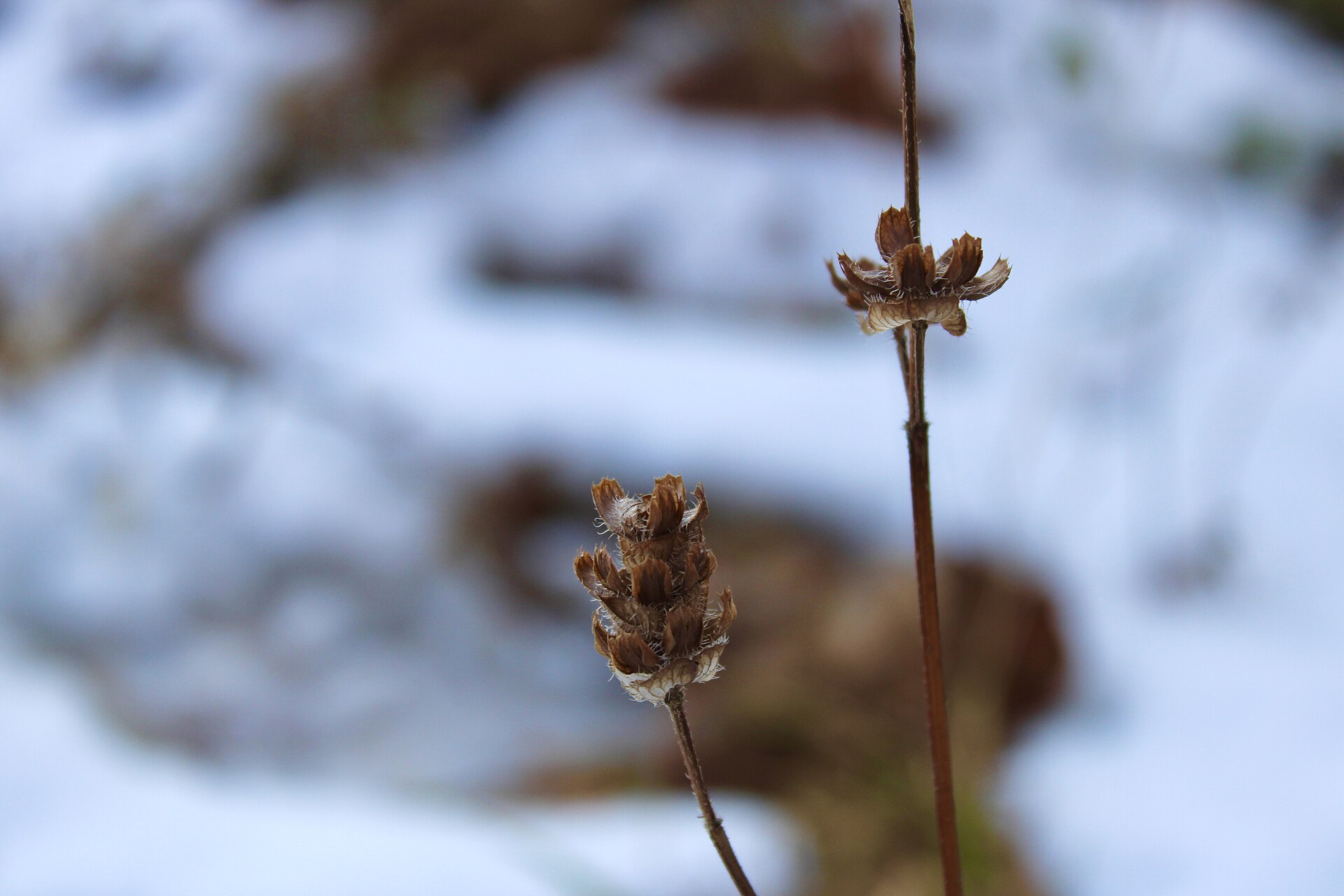
Self-heal is one of those plant names that sounds like a promise. Prunella vulgaris is common in lawns, meadows, path edges and open grasslands across much of Europe and beyond, including the Czech flora recorded by Pladias. Its purple flower heads sit low to the ground and are easy to pass with a mower or a shoe. The old English name, like the Czech černohlávek obecný, carries cultural memory: people noticed the plant, named it, and folded it into wound and throat traditions long before modern pharmacology existed.
The mechanism worth explaining is not self-repair by magic. Plants make chemical mixtures because they live under pressure from sunlight, fungi, insects, grazing and competition. Reviews of Prunella vulgaris describe groups such as rosmarinic acid, triterpenoids, flavonoids and polysaccharides, and laboratory studies have examined antioxidant, anti-inflammatory, antiviral or immune-related effects under controlled conditions. Those experiments can be useful starting points, but a petri dish, cell line or animal model is not the same as a proven treatment for a person with an infection, wound, autoimmune disease or cancer.
Historical use belongs in the story because it explains the name. European and Asian traditions used Prunella species in different preparations, often around sore throats, wounds or “heat” concepts in traditional medical systems. A good modern article can respect that record while refusing to oversell it. Names such as self-heal and heal-all are evidence of human attention, not evidence that a plant product is safe, standardized or effective for a specific diagnosis.
Safety is the boundary that makes the article useful. Wild plants can be misidentified, sprayed, contaminated by roads or pets, or mixed into products with variable strength. Herbal products can interact with medicines, complicate pregnancy or surgery, trigger allergies, delay proper care or differ sharply from the plant described in a paper. Skin wounds, fever, severe sore throat, breathing trouble, persistent pain, immune suppression and chronic disease are clinical situations, not opportunities to test a poetic common name.
A careful reader should also notice what kind of evidence is missing. Many herbal-review papers collect chemistry and preliminary biological activity, but fewer provide large, blinded, well-controlled human trials with standardized products and patient-important outcomes. That gap does not make the plant uninteresting. It simply means the responsible sentence is narrower: self-heal is a common species with a memorable medical name and studied compounds, not a stand-alone therapy.
For photo editors, the visual lesson is similar. A close flower photograph or botanical plate can help readers identify what tradition was talking about; a safety diagram helps keep the interpretation honest. Neither image should imply that a lawn plant has been transformed into a regulated medicine.
Self-heal is still worth noticing. It feeds pollinators, survives in ordinary grassland and links everyday botany with the history of medicine. Its purple heads ask a better question than “does this cure?” They ask how folk names arise, how plant chemistry is studied, how ecological roles and cultural memory overlap, and how to keep curiosity from becoming unsafe advice. That is a richer kind of healing: not a claim about what the flower will do for you, but a clearer way to read the living world around your feet.