When semaphore hills spoke in light
Before electric telegraph wires, optical semaphore lines turned ridges and towers into a fast state communications network — powerful, fragile and deeply human.
Tereza Field ·
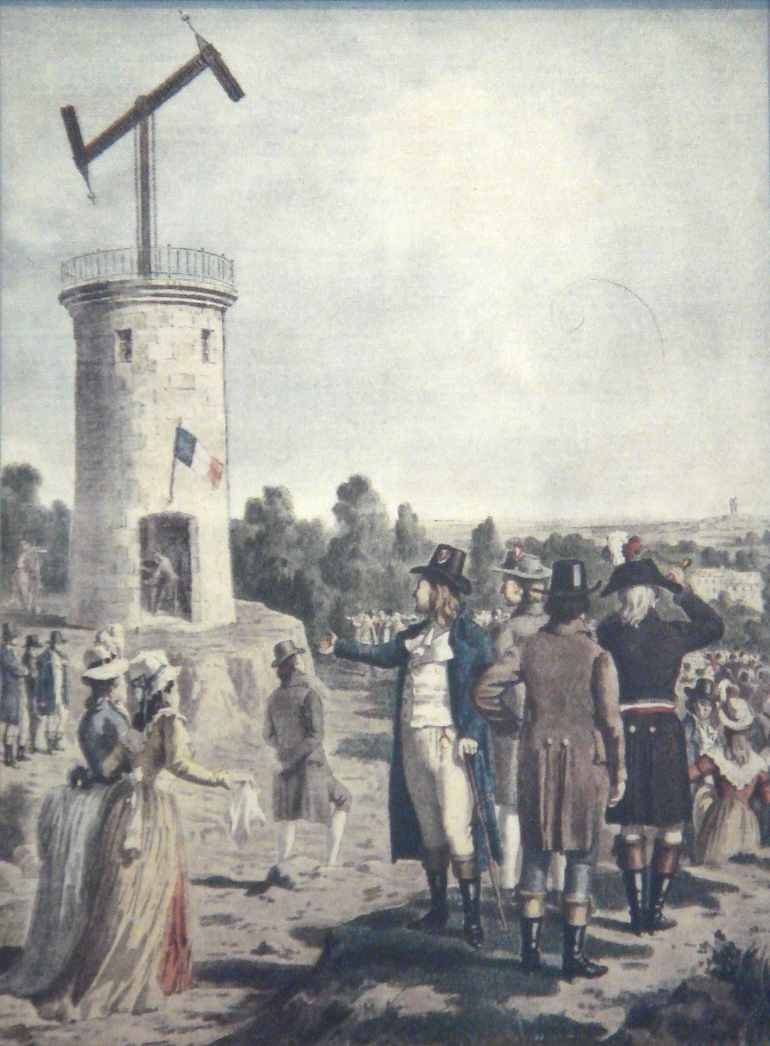
Before telegraph wires made messages electric, parts of Europe built a communication system out of hills, towers and disciplined eyes. The optical telegraph most closely associated with Claude Chappe appeared during the French Revolution and expanded under the French state. Its promise was startling: if the weather was clear and the operators were ready, a message could cross long distances far faster than a horseman carrying a sealed letter. The landscape itself became a line of sight.
A Chappe station usually used moving arms or panels mounted high enough to be seen from the next station through a telescope. Operators watched one neighbour, set their own signal to match the coded instruction, and passed the message onward. The code did not require every station keeper to know the full political content. They copied positions, logged traffic and maintained rhythm. That separation between signal and meaning made the system faster and more secure, but it also made trust and training essential. One tired operator, one foggy valley or one broken mechanism could slow the chain.
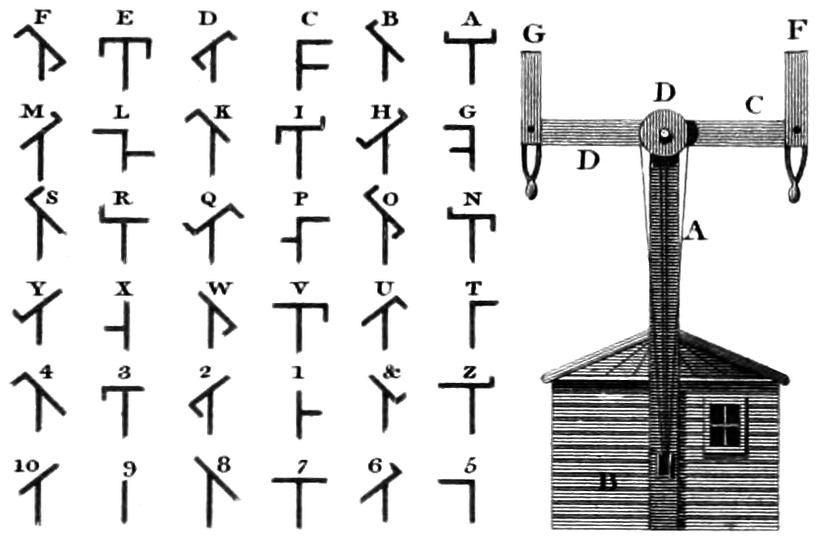
The power of the system lay in its infrastructure. Towers had to be placed where sightlines worked, often on ridges, church towers or purpose-built stations. Routes linked political centres, military frontiers and ports. In France, the Paris–Lille line of the 1790s became the famous proof that optical telegraphy could serve a modern state. News that once travelled at the speed of roads could now move at the speed of attention. Governments used that advantage for military, administrative and diplomatic information, while ordinary citizens usually remained outside the code.
Optical telegraphy was not a quaint prelude to the real thing; it solved a real problem with the materials available. It used geometry, standardised signs, telescopes, clocks, notebooks and hierarchy. It also had strict limits. It could not work through darkness, heavy rain or dense fog. It required expensive maintenance and a line of staffed stations. It moved official messages well, but it did not create a cheap public network. When electric telegraphy spread in the nineteenth century, wires did not merely improve the old system. They changed who could send information, when messages could move and how communication could be priced.
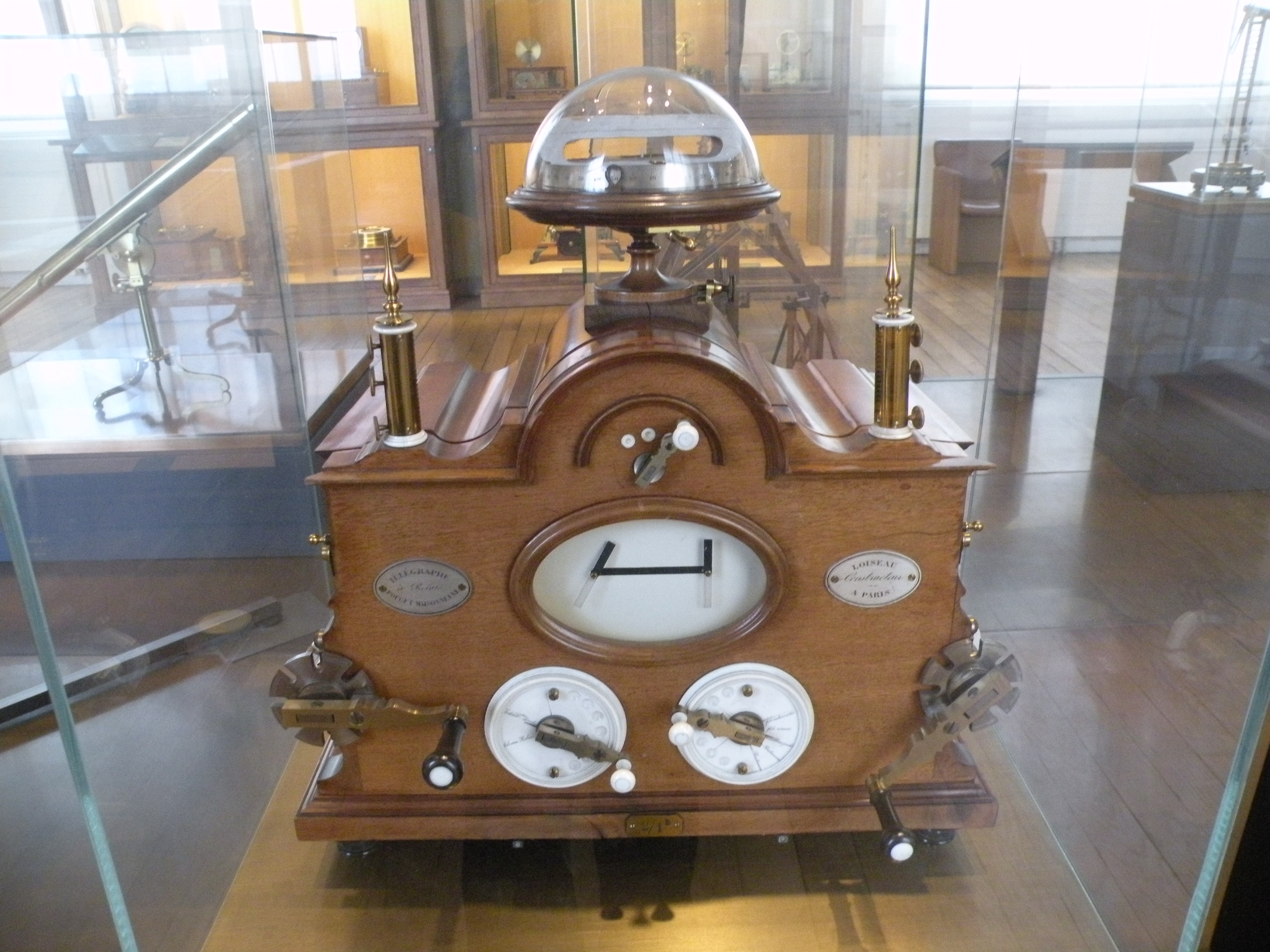
The semaphore hills still matter because they reveal a familiar pattern. Communication revolutions are not only inventions; they are agreements about standards, labour and authority. The Chappe network made distance feel newly manageable, yet it depended on human bodies standing in weather and watching carefully. Its optimism was practical, not magical. A clear signal on a hill could compress a country, but only for a society willing to build the towers, pay the operators and decide whose messages deserved such speed.