Short daily home dialysis may protect the ordinary movement that kidney treatment can steal
The STEP-HD cohort followed 152 people in France and Belgium for 12 months and found steadier step counts, less sedentary time, more sleep and shorter recovery with short daily home dialysis than with conventional in-center hemodialysis. The result supports patient-centered modality discussions, not do-it-yourself treatment choices.
Owen Pike ·
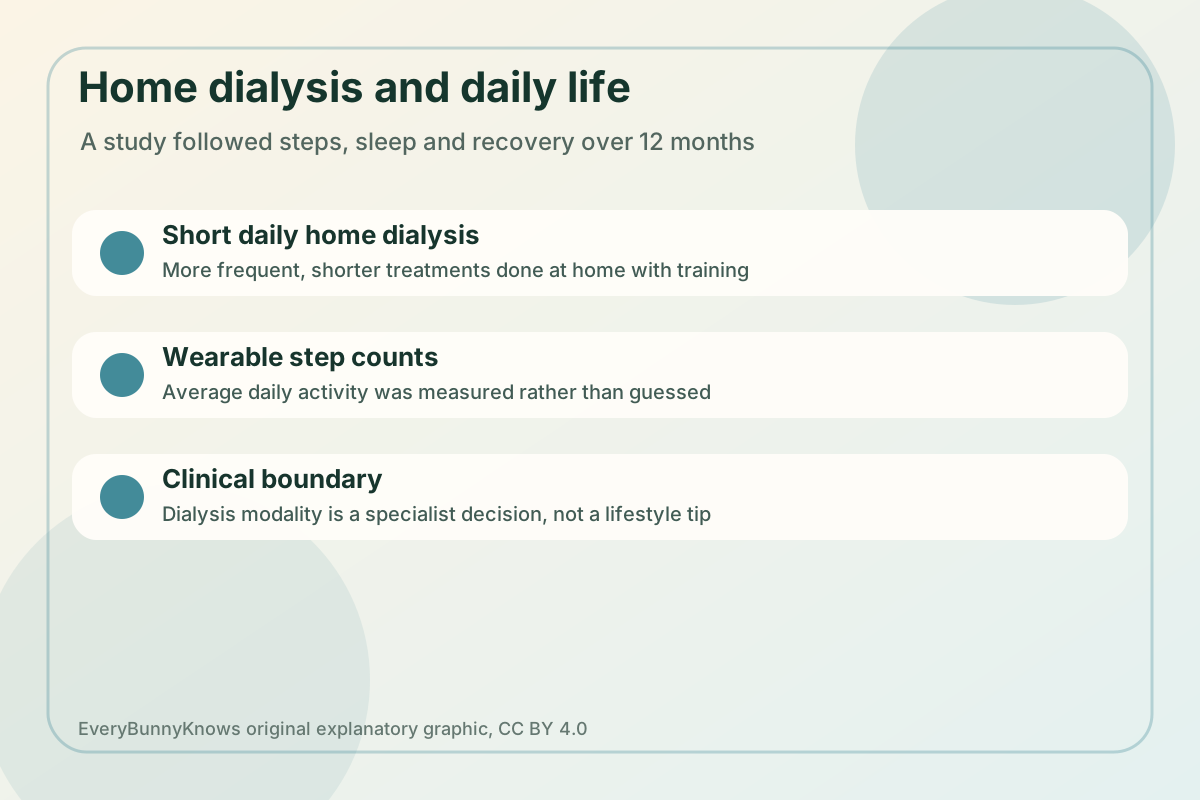
Dialysis is often described by machines, membranes and laboratory values, but people living with kidney failure also measure treatment in ordinary units: whether they can walk to the shop, sleep through enough of the night, recover before the next obligation, or plan a day that is not entirely organized around fatigue. A 2026 Kidney360 study called STEP-HD looked at that daily-life layer. It compared short daily home dialysis with conventional in-center hemodialysis and asked whether the treatment rhythm was associated with physical activity, sleep and recovery over a year.
The STEP-HD study is valuable because it measured ordinary life directly. The Self-convecTive Evaluation of short daily home dialysis on Physical Activity was a multicenter, prospective observational cohort in France and Belgium. It enrolled 152 people: 82 using short daily home dialysis and 70 receiving in-center hemodialysis. Its primary outcome was average daily step count recorded with wearable activity trackers. Secondary outcomes included sleep, sedentary time, recovery after dialysis, treatment burden, quality of life and laboratory measures.
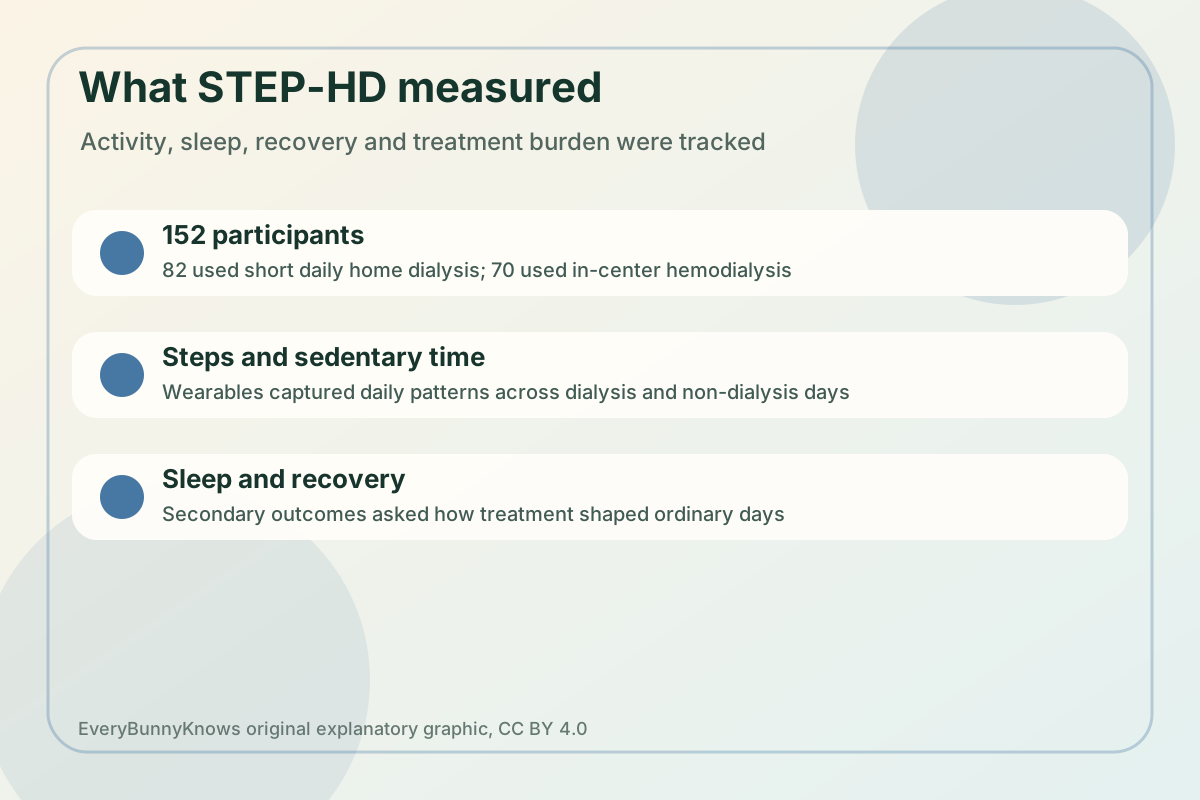
The reported pattern was striking but should be read carefully. At baseline, people in the short-daily home group had higher activity levels, about 6,673 steps per day compared with 4,768 in the in-center group, and that difference persisted during follow-up. In-center patients showed a drop in physical activity on dialysis days, while home-dialysis patients maintained more stable patterns. Sleep duration was reported as greater with short daily home dialysis, sedentary time stayed lower, and recovery time after treatment tended to be shorter, around 60 minutes compared with 120 minutes. Laboratory findings also suggested lower predialysis beta-2 microglobulin and preserved nutritional markers, while anemia and metabolic control were similar.
The mechanism is not that home dialysis magically builds fitness. It is about time, physiology and control over schedule. Conventional in-center hemodialysis usually concentrates treatment into fewer, longer sessions and requires travel, waiting, connection, disconnection and recovery inside a fixed clinic timetable. Short daily home dialysis spreads clearance and fluid removal across more frequent, shorter sessions. For some patients, that may mean less abrupt fluid shifting, less post-dialysis exhaustion and more flexibility to place treatment around meals, rest and family routines. If recovery is shorter, the next hours of the day can become usable rather than lost.
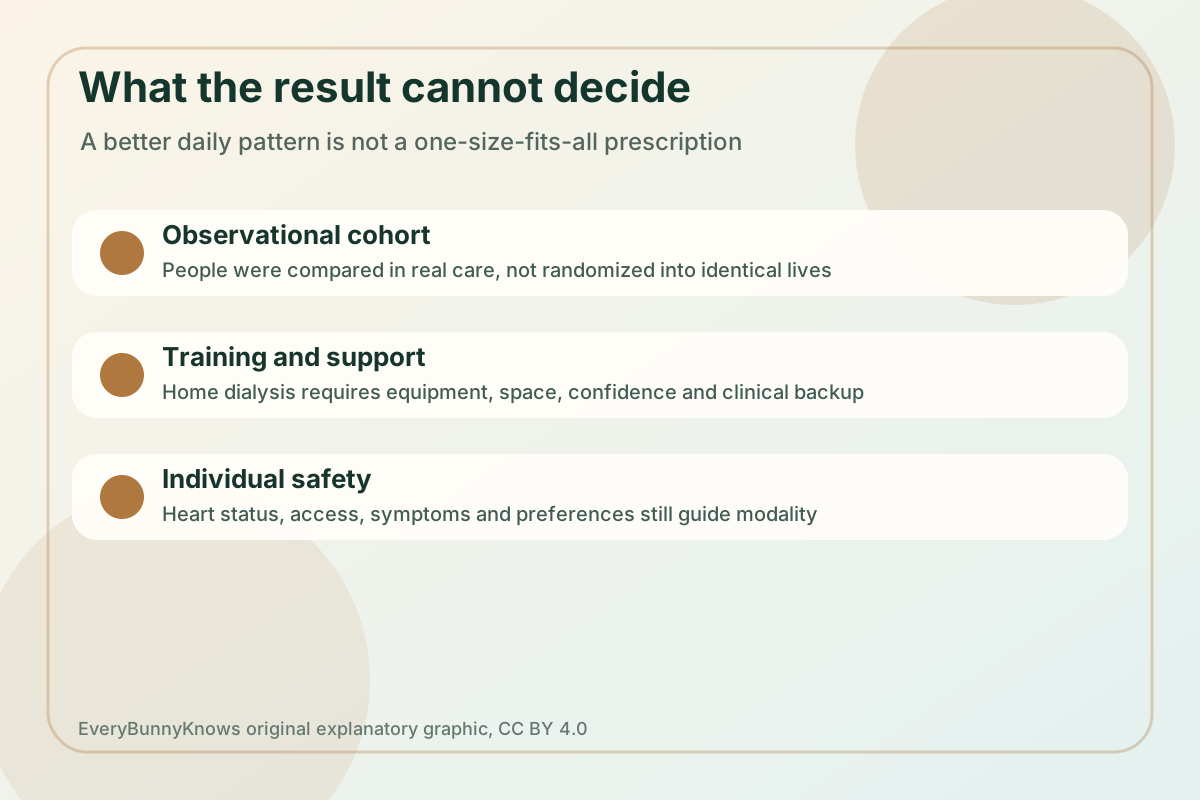
The limits are essential. STEP-HD was observational, not a randomized trial that assigned identical patients to different lives. People able to do home dialysis may differ in support, confidence, housing, work patterns, health status or motivation from people treated in a center. Wearable step counts are stronger than impressions, but they still sit inside real-world choices. The study therefore supports a patient-centered discussion about modalities; it does not prove that every person on dialysis would become more active at home, or that anyone should change treatment without a nephrology team.
The clinical boundary is plain: dialysis modality is a medical decision involving vascular access, heart status, symptoms, infection risk, training, home space, caregiver support, emergency planning and personal preference. Some people prefer or need in-center care; others may value home-based control if it is safe and supported. The hopeful message is narrower and more useful than a slogan. Kidney care can judge success not only by chemistry before the next session, but by whether treatment leaves people with enough sleep, recovery and movement to keep participating in their own lives.