The Small Radios Connecting Disaster Zones Faster
When mobile networks are overloaded or damaged, handheld radios, portable repeaters and mesh nodes can restore a basic communication layer if teams have spectrum, power and practice before the disaster.
Noah Circuit ·
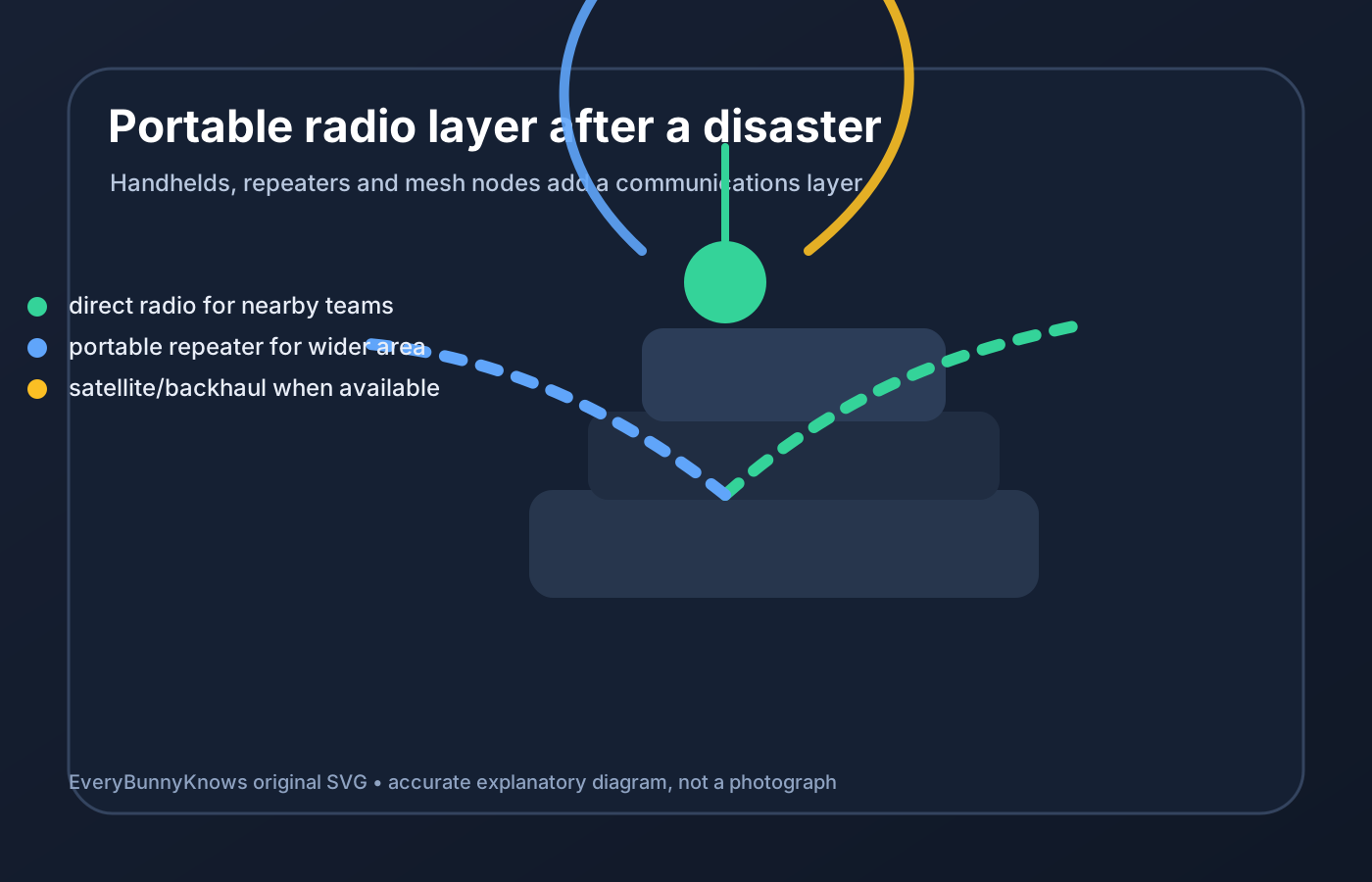
A disaster zone does not need perfect communications first. It needs enough communications to keep people from working blind. When mobile towers lose power, backhaul is cut, fibre is flooded or thousands of phones compete for the same surviving cells, small radios can give responders a separate layer. Handheld VHF or UHF sets, portable repeaters, satellite-linked gateways and temporary mesh nodes do not replace public networks. They buy time, coverage and coordination while the larger system is being repaired.
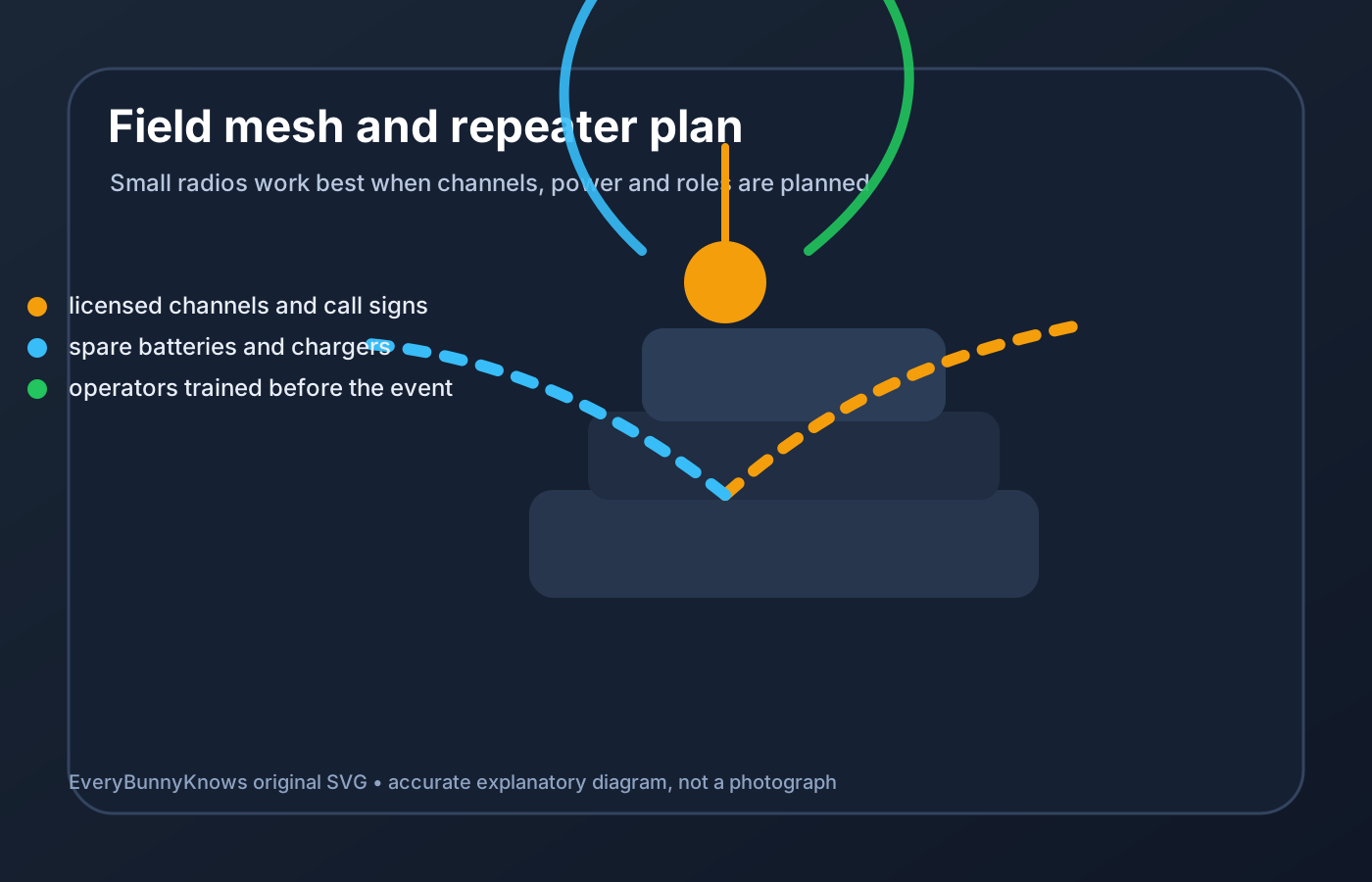
The mechanism depends on distance and relaying. Two handheld radios can talk directly when terrain, buildings and power allow it. A repeater placed on a hill, vehicle, roof or mast listens on one channel and retransmits on another, extending the area that teams can cover. A mesh node adds a different idea: each node can pass packets for another, so a message may hop around a blockage. In practice, emergency communications often combine several layers: voice for immediate coordination, short data messages for forms or locations, satellite or microwave for backhaul, and ordinary mobile service when it returns.
International Telecommunication Union guidance treats telecommunications as part of disaster preparedness, not a gadget problem after impact. FEMA's auxiliary-communications material makes a similar point in the United States: volunteers, public-safety agencies and emergency managers need agreed channels, roles, credentials and procedures before an incident. Amateur-radio groups can help, but they work best when integrated into official plans rather than appearing as improvised heroes at the gate.
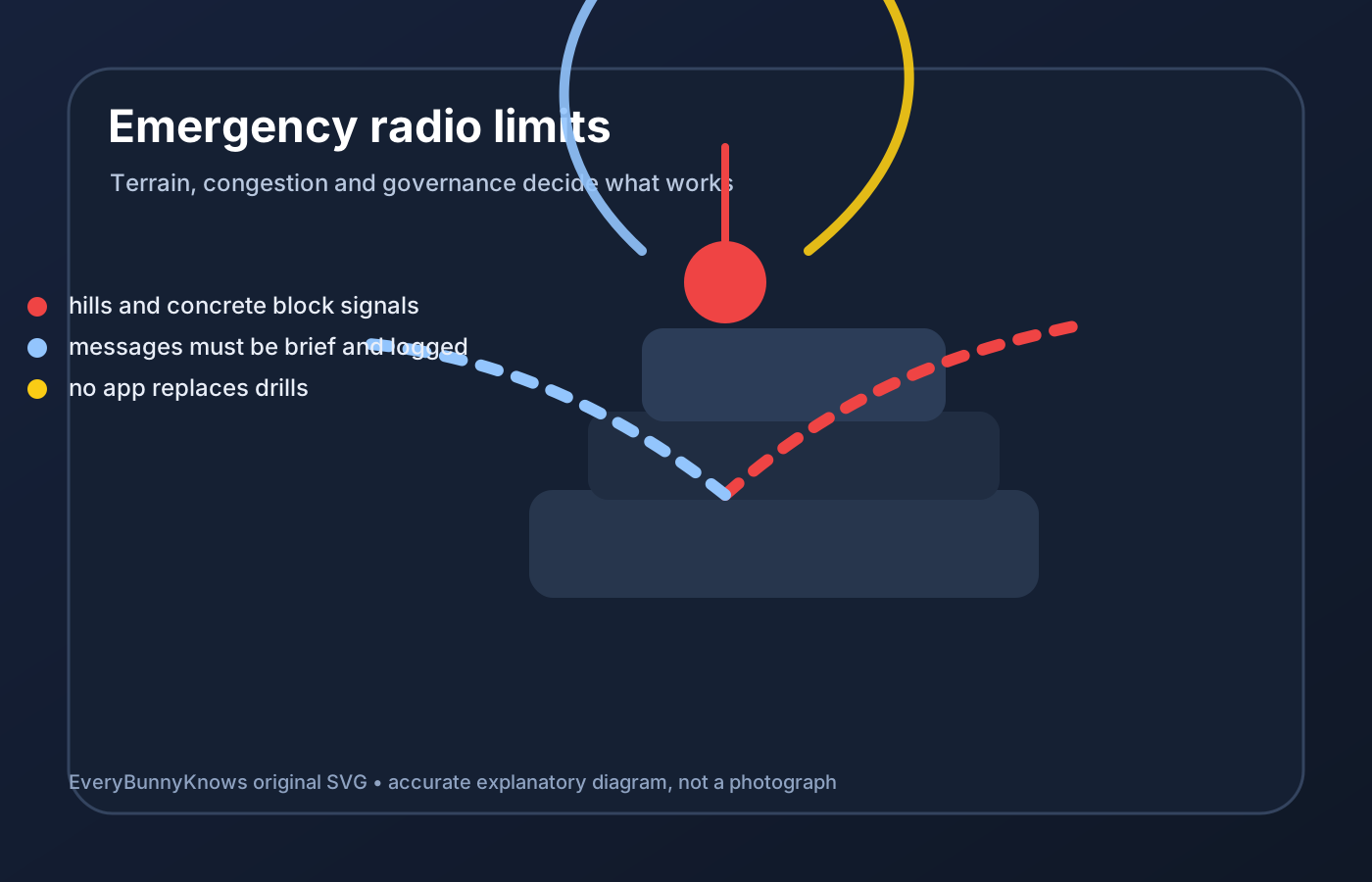
The technology is mature, but deployment is local. A 5-watt handheld can be excellent across open ground and frustrating in a concrete valley. A mesh node may pass useful text or position packets but will not carry the traffic people expect from a normal broadband network. Batteries, chargers, solar panels and spare antennas matter as much as the radio itself. So do paper message forms, call signs, plain-language protocols and a way to log what was said.
There are legal and safety limits. Licensed public-safety channels, aviation channels, maritime channels and amateur bands have different rules. Encryption, medical privacy and command authority cannot be solved by simply handing out devices. Uncoordinated radios can jam the people who most need the channel. A responsible plan therefore names who may transmit, what channel is used for which task, how messages are prioritized and how the system is tested.
Training is the difference between equipment and capacity. Operators need to know the antenna, the battery, the channel plan, the local terrain and the message format before roads are blocked. A radio cache that has not been charged, inventoried or drilled can become another box in a warehouse. A modest system that has been exercised with shelters, utilities and emergency managers can be faster than a more elaborate system nobody has practiced.
The hopeful part is the humility of a backup that has been drilled. Small radios can connect a shelter to an operations centre, a search team to a medic, or a water crew to a generator team before the phone network is fully back. In disaster response, resilience is often a short clear sentence heard by the right person at the right time.