Sound waves make high-quality espresso coffee without the energy
UNSW Sydney researchers used ultrasound to make espresso-strength coffee with room-temperature water, showing how acoustic cavitation and mixing can speed extraction while leaving café-scale reliability to future tests.
Sofia Lane ·
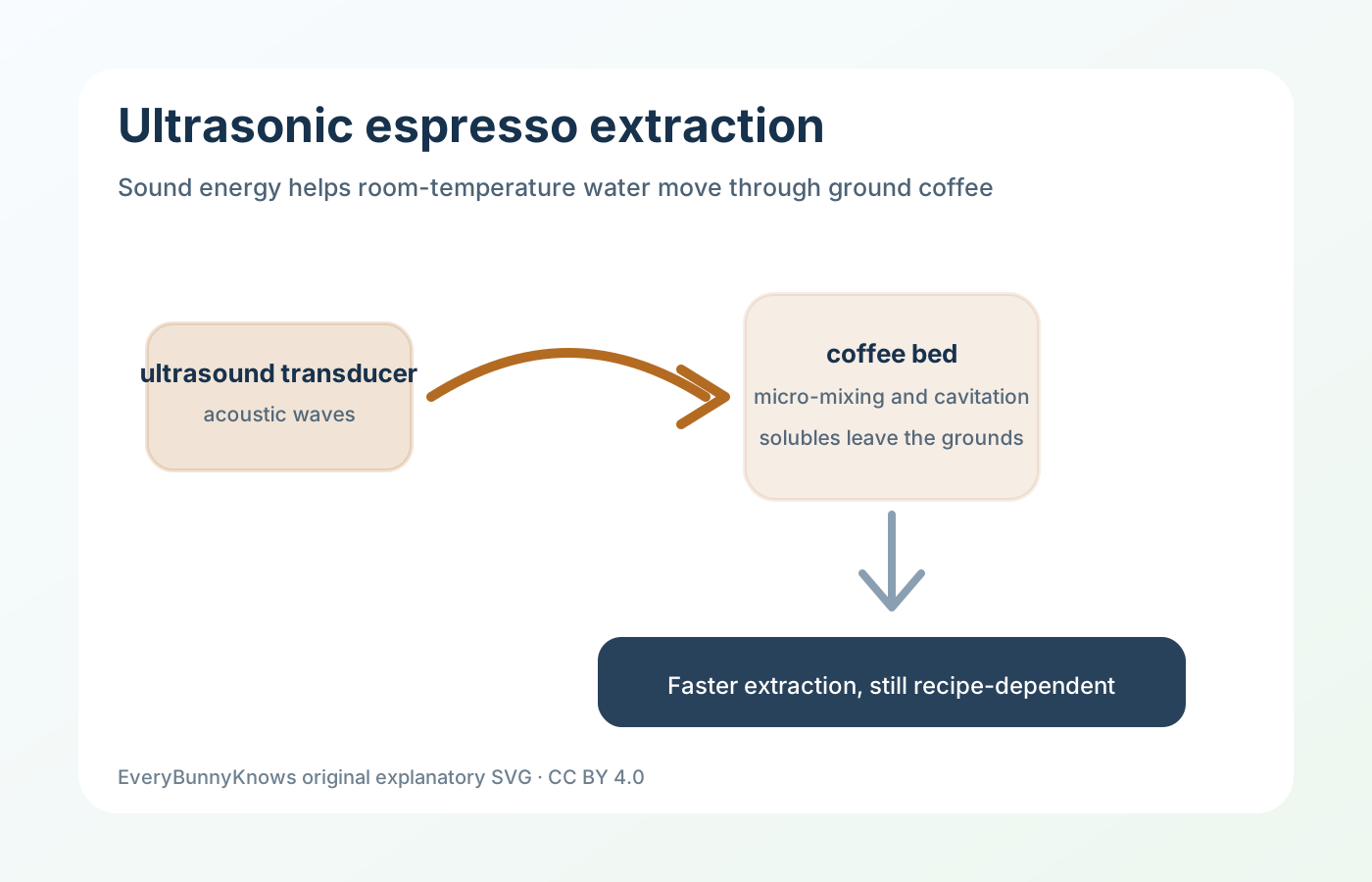
UNSW Sydney researchers have shown a strikingly everyday use for ultrasound: espresso-strength coffee made with room-temperature water. Instead of heating water to the usual brewing range and forcing it through a puck under pressure, the experiment uses high-frequency sound to push energy into the liquid and the coffee bed. The result is not a magic cup that ignores chemistry. It is a food-engineering demonstration of how acoustic waves can speed extraction.
Ultrasound works by making pressure rise and fall very rapidly in the liquid. Those cycles create micro-mixing and, at sufficient intensity, cavitation: tiny bubbles that form, collapse and disturb nearby surfaces. Around ground coffee, that agitation refreshes the thin layer of water touching each particle and helps soluble compounds move out of the grounds. Temperature still affects flavour, oils and aroma, but sound gives water another way to reach and carry the material that makes coffee taste like coffee.
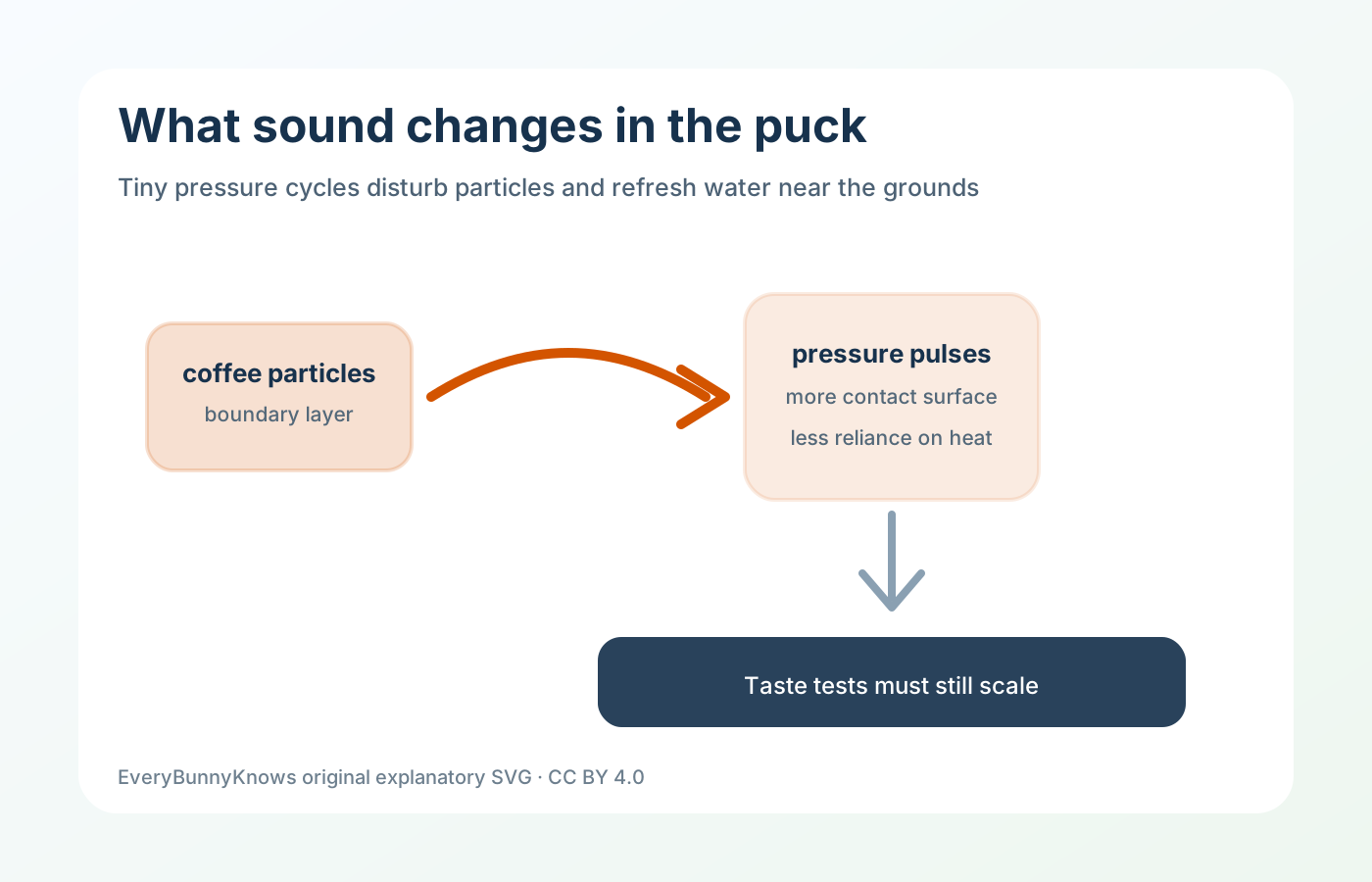
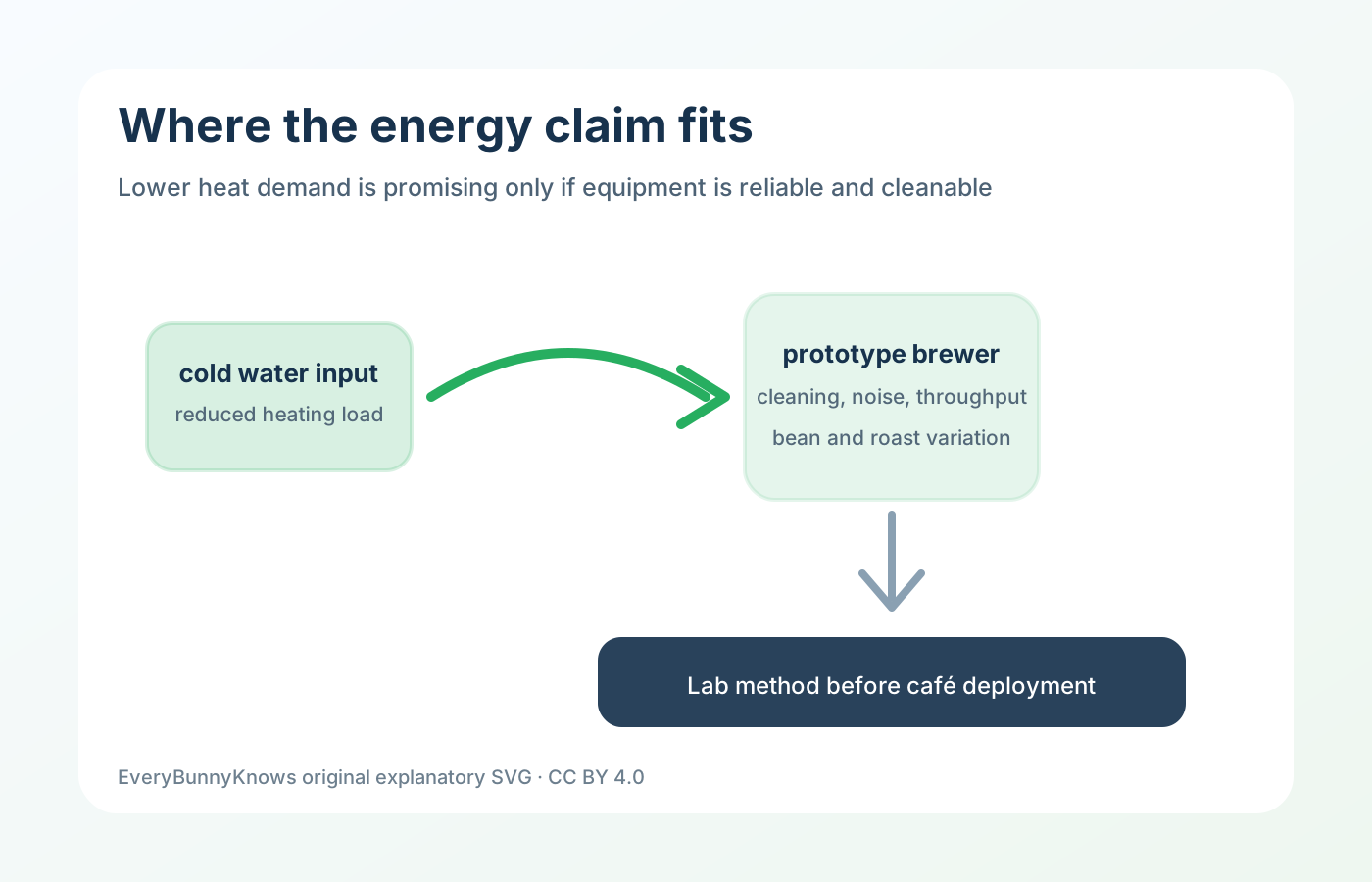
The energy claim is interesting because cafés and food factories spend a lot of heat moving water through recipes. If a process can produce a concentrated coffee extract with less heating, it may reduce one part of that energy demand. The most plausible early use may be industrial or ready-to-drink coffee concentrates, where flavour targets can be controlled and equipment can be built around one process rather than every barista's routine.
The practical question is not whether ultrasound can extract coffee; the study shows that it can. The question is whether the method is delicious, repeatable, cleanable, quiet, affordable and fast enough across beans, roast levels, grind sizes and recipes. Espresso is also judged by texture, crema, aroma and consumer expectation, not only by dissolved solids. A prototype that works in a lab still has to survive scale, maintenance and taste panels.
That makes the story useful rather than gimmicky. Sound waves are already used in extraction, cleaning and food processing; coffee simply gives readers a familiar cup in which to see the physics. If the technology matures, it may first change how concentrated coffee ingredients are made. If it reaches cafés, it will be because the cup tastes right as well as because the energy balance looks better.
The chemistry of coffee also sets useful boundaries. Bitter compounds, acids, sugars, aromatic molecules and oils do not all extract at the same rate, and heat changes perception as well as solubility. A cold ultrasonic process therefore needs its own recipe rather than copying a hot espresso recipe with the temperature removed. Researchers can compare dissolved solids, extraction yield and sensory panels, but drinkers will judge balance and mouthfeel.
For technology, the machine around the process may matter as much as the physics. A commercial system would need transducers that survive daily use, food-safe surfaces, predictable cleaning, acceptable noise and a workflow that does not slow service. Those are mundane constraints, yet they decide whether an energy-saving idea becomes useful equipment or remains an elegant laboratory cup.
For readers, the practical test is whether the mechanism changes decisions. A credible technology story should say what has been measured, what still belongs to prototypes, and which real-world system would have to change before the idea matters outside a paper. That discipline keeps optimism useful: it points to next experiments, standards, operators and costs instead of treating a promising result as a finished product.