Tropea and the Coast of the Gods: Calabria’s Cliff-Top Window on Clear Water
Tropea is not a secret beach trick but a compact Calabrian geography lesson: a cliff-top old town, Santa Maria dell’Isola, Tyrrhenian water, Capo Vaticano and the sweet red onion that carries the town’s name.
Noah Circuit ·
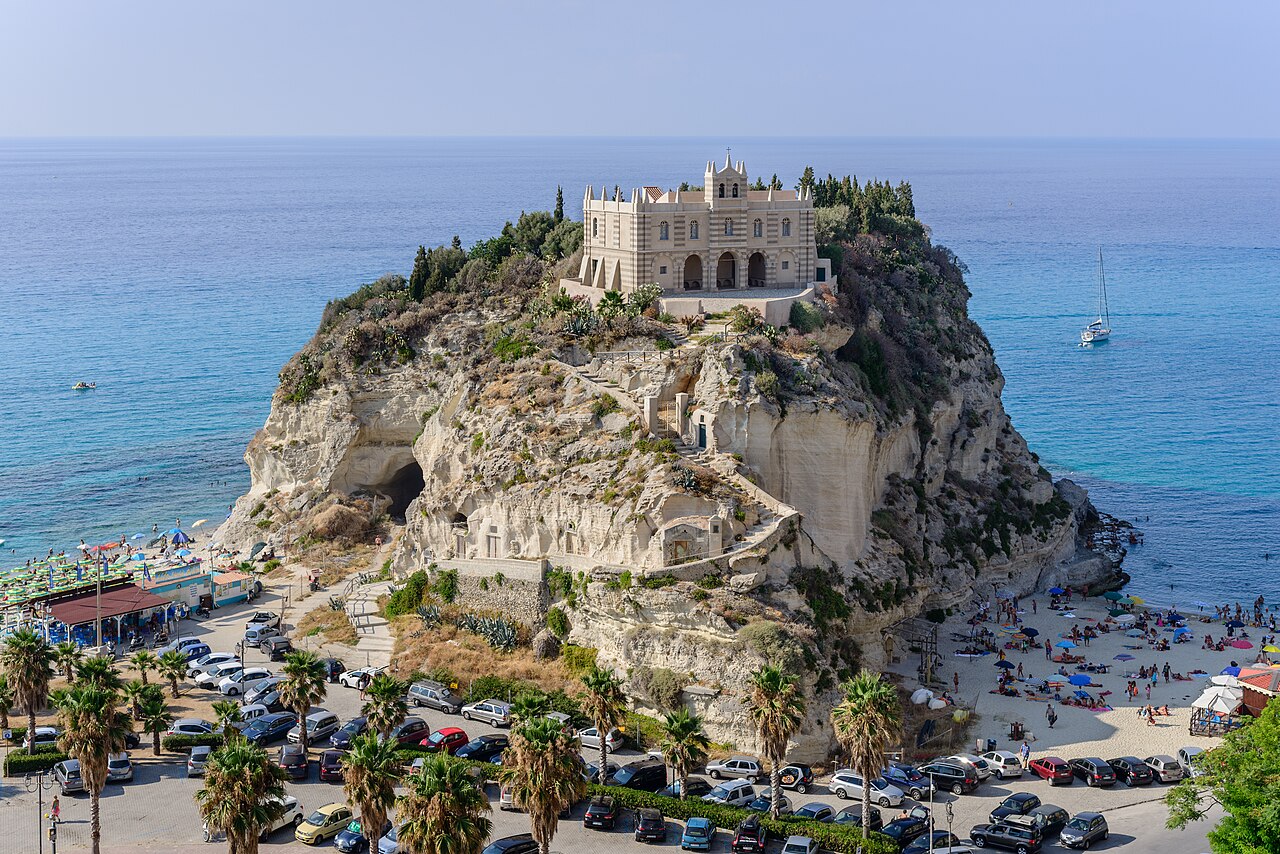
Tropea looks theatrical because the old town sits on a high sandstone cliff above the Tyrrhenian Sea. From the lanes around the cathedral and palazzi, stairways descend to pale beaches and to Santa Maria dell’Isola, the sanctuary on the rocky rise below the historic centre. The famous blue water is not a secret so much as a piece of geography: a compact town, a sharp drop to the shore and a coast facing west toward open light and the Aeolian Islands on clear days.
The stretch is often called the Coast of the Gods, a marketing name that nevertheless points to a real concentration of coastal forms around Tropea, Parghelia, Zambrone, Ricadi and Capo Vaticano. Cliffs, small beaches, coves and viewpoints sit close together, so movement is vertical as much as horizontal. You can look down from the town, walk to the beach, climb back for a church interior, then take a bus, boat or car toward Capo Vaticano for wider views of bays and rock. That closeness is the mechanism of the place: landscape, architecture and daily life remain in one frame.
Tropea’s old centre keeps the coast from feeling like a resort strip. Churches, narrow streets, balconies, small squares and evening passeggiata connect the beach to a working Calabrian town. The cliff itself is part of the story. Soft sedimentary rock, marine erosion and human building choices create the dramatic edge, but they also require maintenance, drainage and respect for barriers. A beautiful viewpoint is still infrastructure; paths, stairs and railings are there because the geography is powerful, not because it is tame.
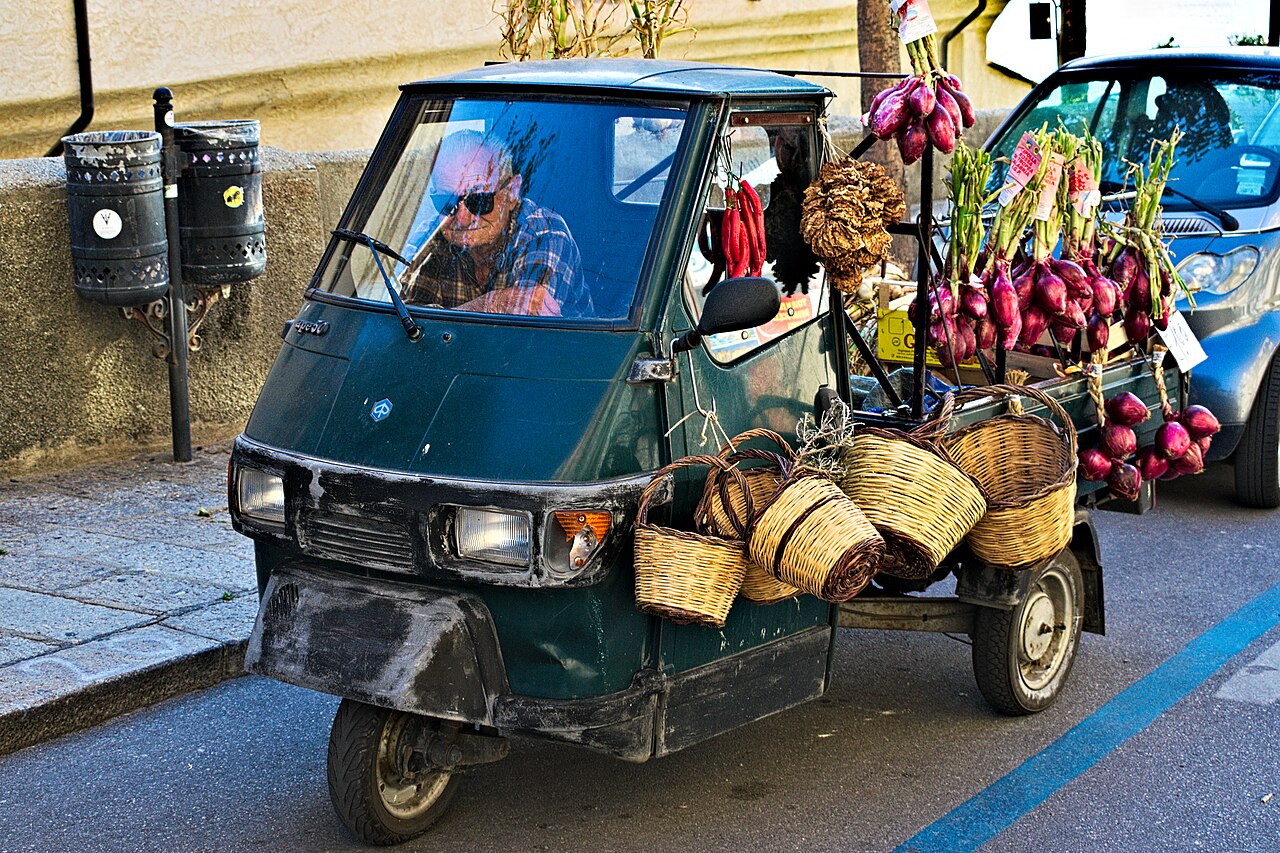
Food gives the town an equally specific inland connection. The red onion of Tropea, protected as Cipolla Rossa di Tropea Calabria IGP, is valued for sweetness and crunch rather than harsh heat. It grows in defined coastal and inland areas of Calabria, where soil, climate, seed selection and curing methods help produce its familiar elongated bulbs. The onion appears raw in salads, cooked into jams, tucked into pasta, served with tuna or used to balance richer local flavours such as nduja from nearby Spilinga.
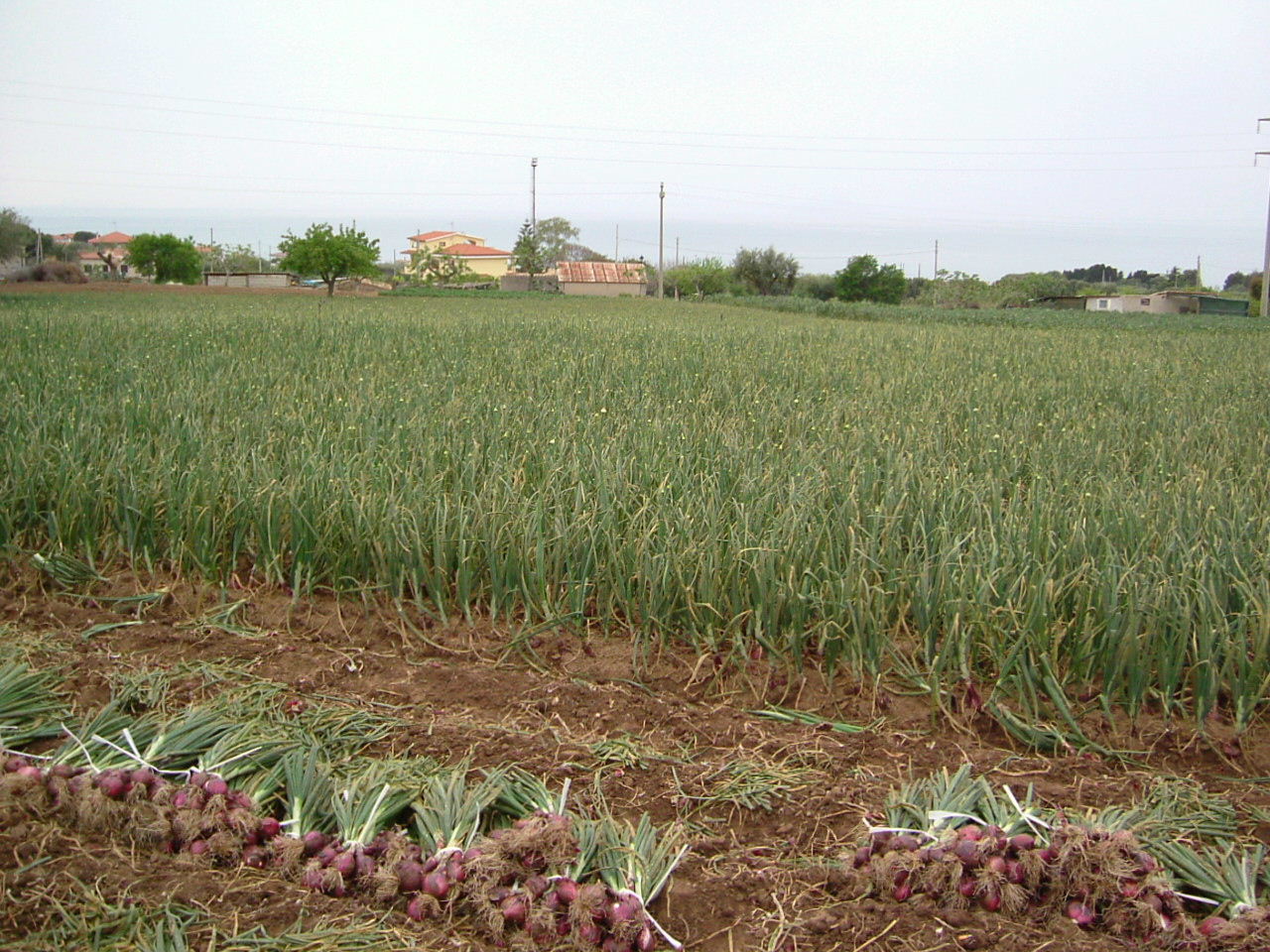
That matters for travellers because it changes how you read a meal. A plate beside the sea is not only seafood and a view; it is also farms, markets, protected names and a regional economy trying to keep value attached to place. Even the simplest picnic can become a map: bread from town, onion from nearby fields, oil, tomatoes and fish from a coast where agriculture and water sit very close together. The best version of Tropea therefore includes both beach time and food literacy: ask whether the onion is local, notice when menus treat it as more than a garnish, and leave space for simple dishes that do not need theatrical presentation.
The limits are easy to miss in photographs. In August the same small scale that makes Tropea intimate can mean hot alleys, crowded stairs, full beaches and expensive rooms. The water is clearest when weather, currents and human pressure cooperate; no coast is magically immune to litter, sewage problems or careless boating. A wiser visit comes in shoulder season, starts early, respects sanctuary and cliff paths, and spends more than one photo stop in town. Tropea’s gift is not secrecy. It is how much Calabria fits between a church rock, a sweet onion field and the sea.