Statue Bases at Cyprus’ Frangissa Sanctuary Reveal How Apollo Was Remade
More than twenty statue bases found in situ at the Sanctuary of Apollo at Frangissa in central Cyprus turn an old 1885 discovery into fresh evidence for votive display, rebuilding and ritual memory around 480 BCE.
Mira Vale ·
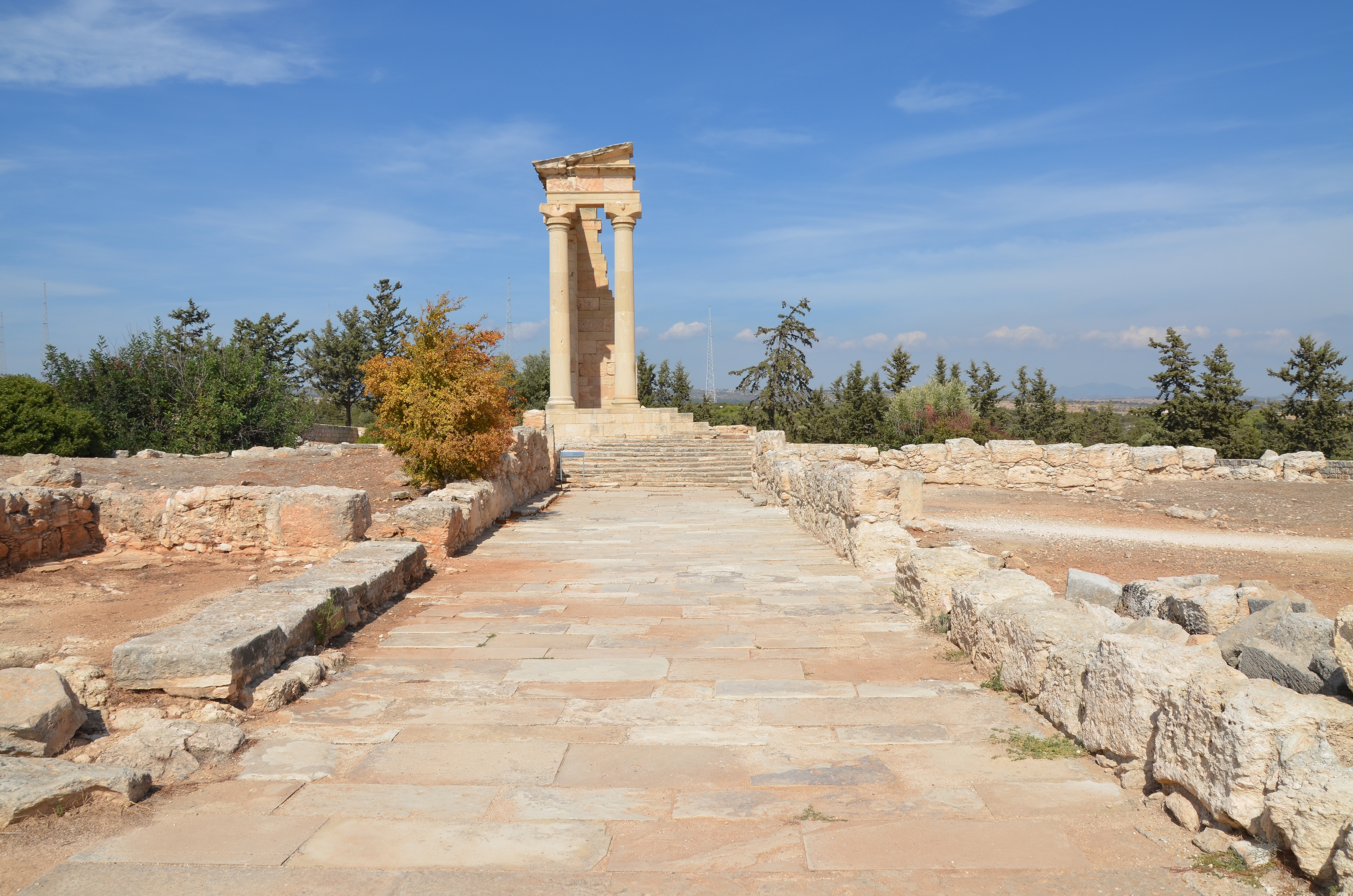
At the Sanctuary of Apollo at Frangissa in central Cyprus, archaeologists have found evidence that is easy to overlook and hard to replace: more than twenty statue bases still close to where ancient worshippers saw them. The report, citing work by Matthias Recke of the University of Frankfurt and Philipp Kobusch of the University of Rostock, matters because bases are not empty leftovers. They can show how a sanctuary arranged bodies, offerings, donors and sacred movement.
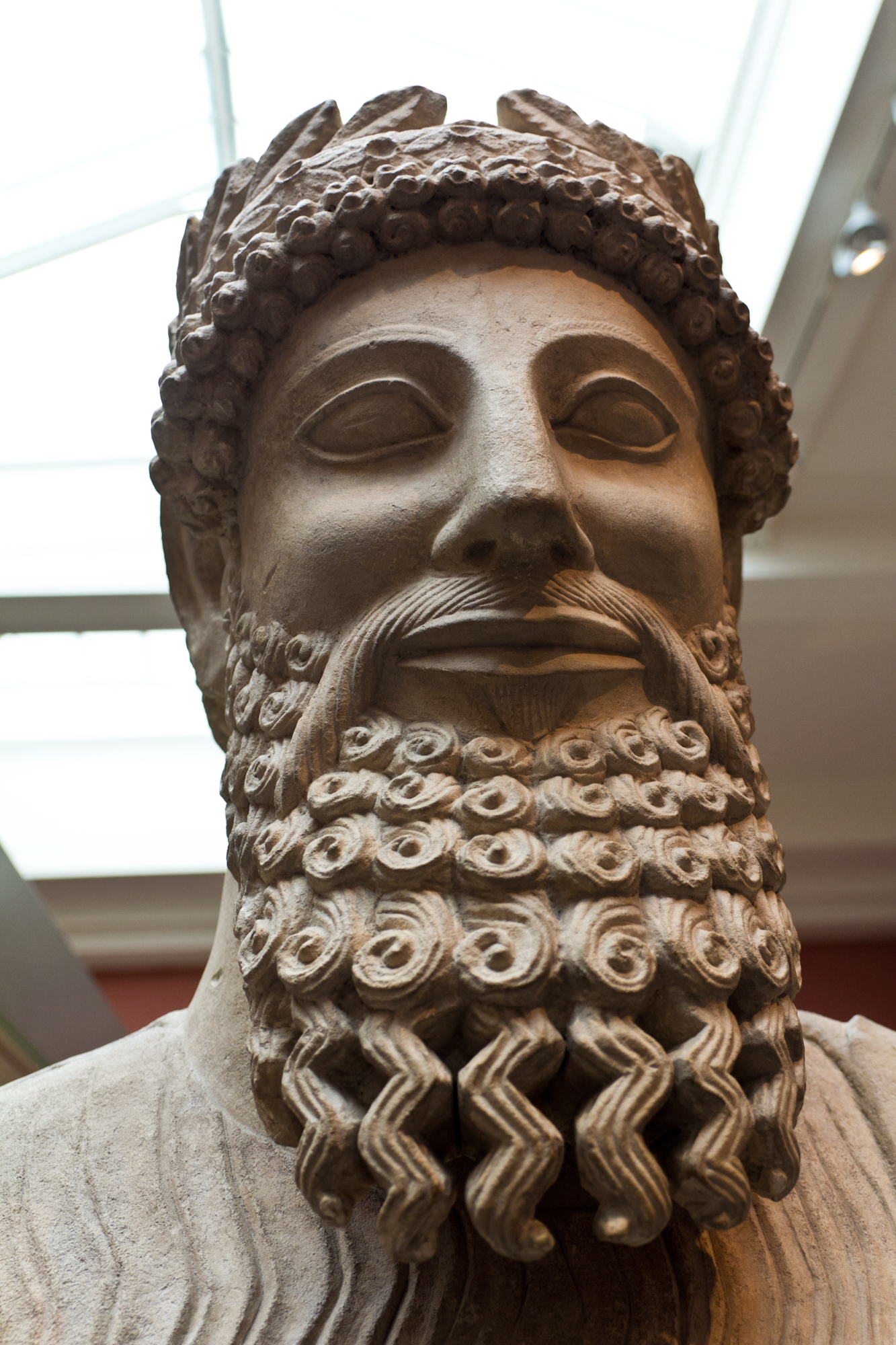
Frangissa had already been known to archaeology. The sanctuary was discovered in 1885, when many bases for votive statues came to light. Then the site was reburied, and some of the material ended up in the fill. The new work is important because the bases were found beneath that nineteenth-century backfill and remain close together in their original positions. Some still hold limestone or terracotta feet, a small detail that turns a stone block into evidence for the statue that once stood on it.
The mechanism is spatial. A loose statue in a museum can tell us about style, costume, stone, clay or workshop. A base in place can tell us where the statue stood, how close it was to other offerings, whether it faced an entrance or an altar, and how a visitor’s path through the sanctuary may have unfolded. When more than twenty bases survive together, the arrangement becomes a map of religious behaviour rather than a catalogue of isolated objects.
The reported leveling layer around 480 BCE adds another layer of history. It suggests that the sanctuary was not frozen in time. It was reorganized, resurfaced or remodeled, and earlier offerings may have been covered while still remaining part of the sacred memory of the place. That is a familiar pattern in many ancient sanctuaries: renewal does not always mean erasure. Sometimes the old sacred landscape is buried, stabilized and built into the next phase.
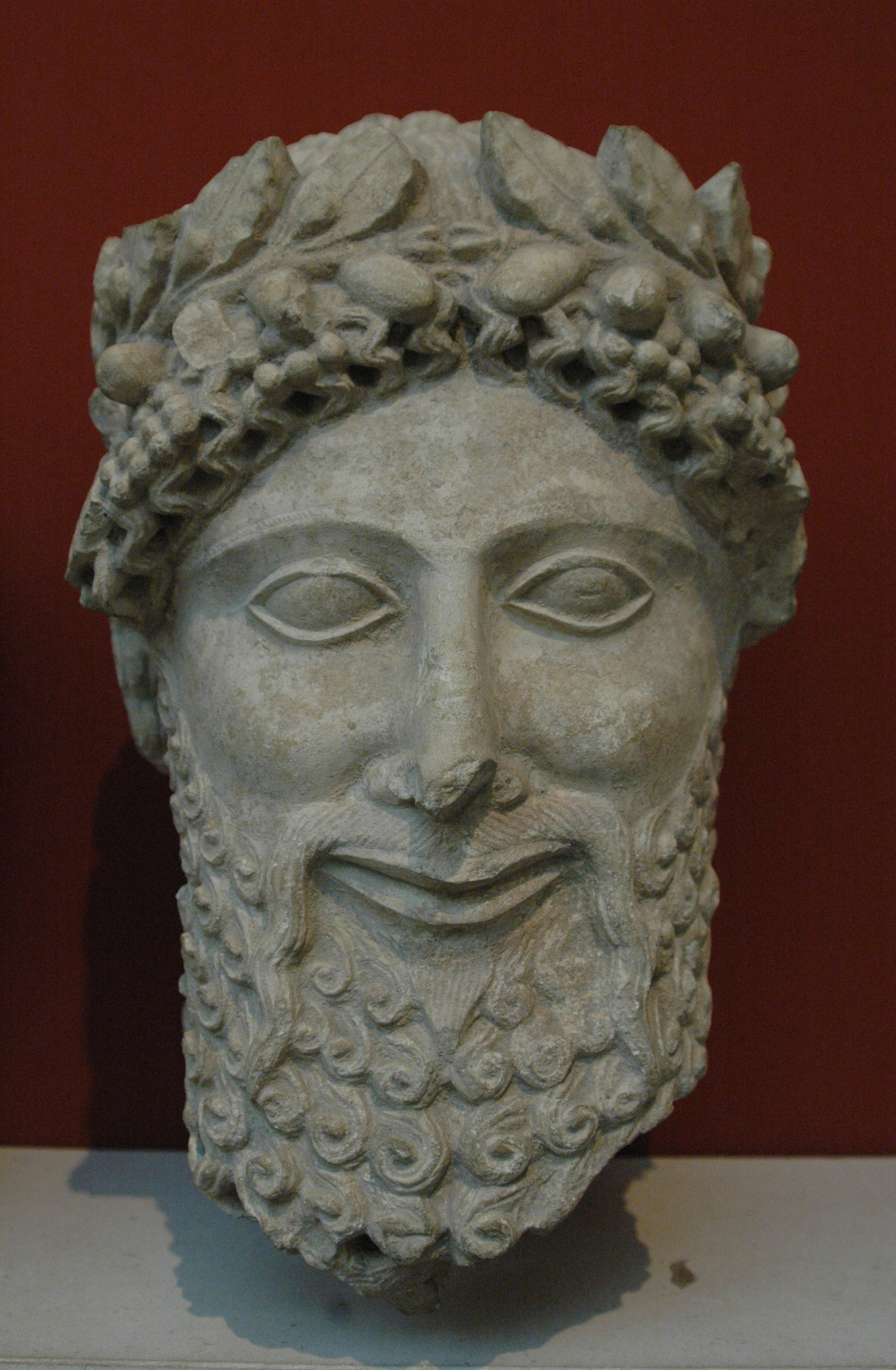
Cyprus gives the discovery a wider context. The island sat between Aegean, Levantine, Anatolian and Egyptian worlds, and its sanctuaries often mixed local traditions with Greek divine names and eastern Mediterranean forms. Apollo on Cyprus was not simply a copy of a mainland Greek cult. Local epithets, materials, donors and workshops shaped how worship looked on the ground. Frangissa therefore helps historians ask how communities in central Cyprus used images to negotiate status, piety and belonging.
There are limits to what has been announced so far. A news report is not the same as a final excavation monograph. The dates, sequence, inscriptions if any, statue types and full plan will need detailed publication. Because no clearly free-use image of the new Frangissa bases was available for this repair, the images here use accurate Cypriot Apollo sanctuary comparanda and a Cyprus Apollo sanctuary landscape rather than pretending to show the unpublished find itself.
Even with those cautions, the discovery is valuable. It reminds readers that archaeology often advances through context, not spectacle. A statue base may look modest beside a carved head, but in the ground it can preserve relationships: who offered, where the offering stood, how the sanctuary changed and what later builders chose to cover rather than destroy.
The next step is patient interpretation. As the excavators evaluate the remodeling of the sanctuary, Frangissa may become less a rediscovered nineteenth-century site than a case study in how ancient Cypriots made sacred space visible, rearranged it and left enough of its grammar for modern archaeologists to read.