Sundu Waterfall in Sündü, Azerbaijan
A small waterfall near Sündü in Azerbaijan’s Gobustan region is best understood through dryland geography: rock, slope, seasonal water and local access make the place meaningful.
Tomáš Hare ·
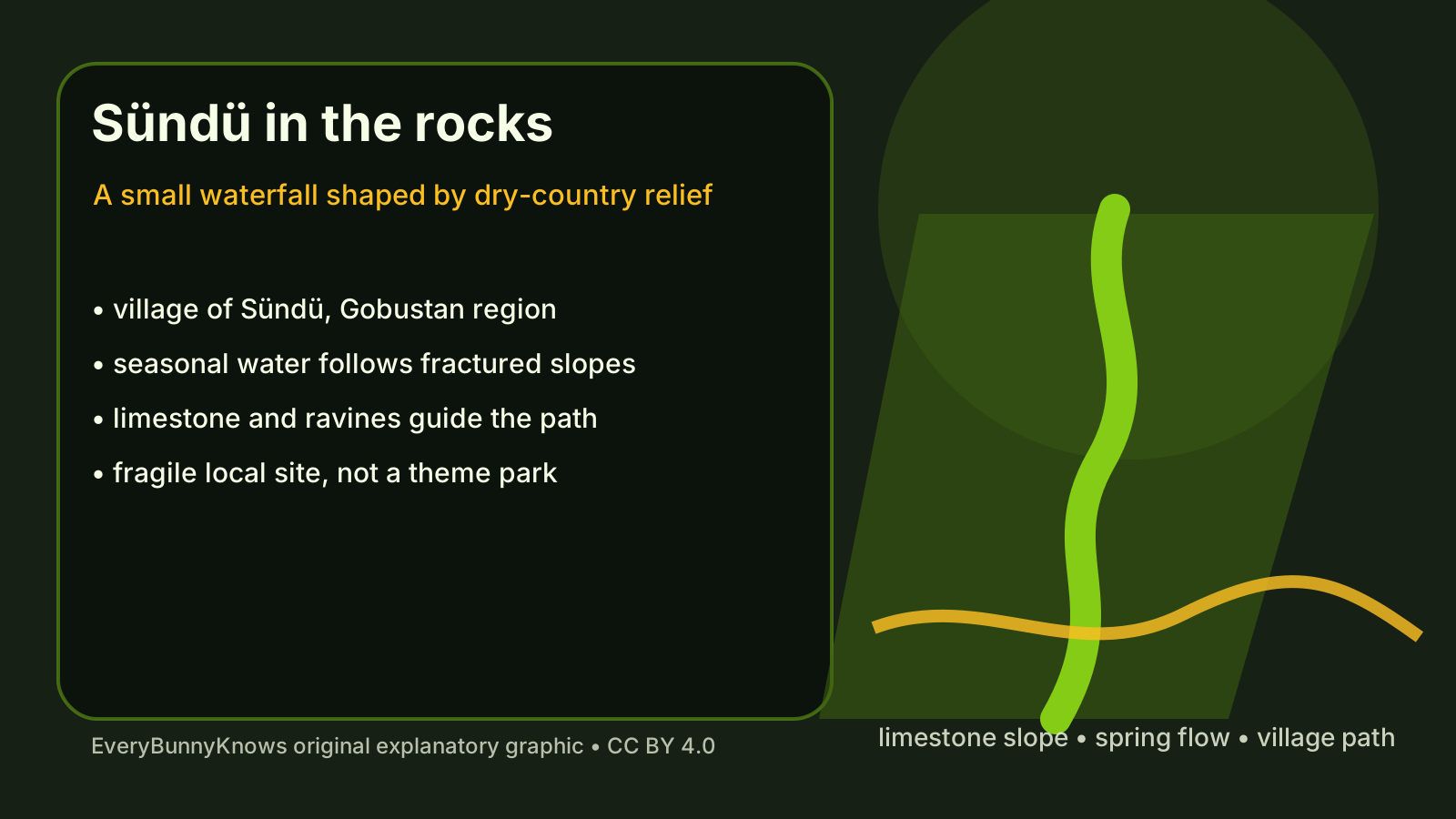
Sündü waterfall is not the kind of place that can be understood by borrowing a photograph of a famous cascade in Laos or Nepal. It is a small local waterfall associated with the village of Sündü in Azerbaijan’s Gobustan region, west and southwest of Baku in a landscape of dry hills, ravines, limestone, mud-volcano country and settlements tied to difficult water. Its value is not spectacle at continental scale. Its value is that it makes the geography of a dry place visible in one concentrated drop.
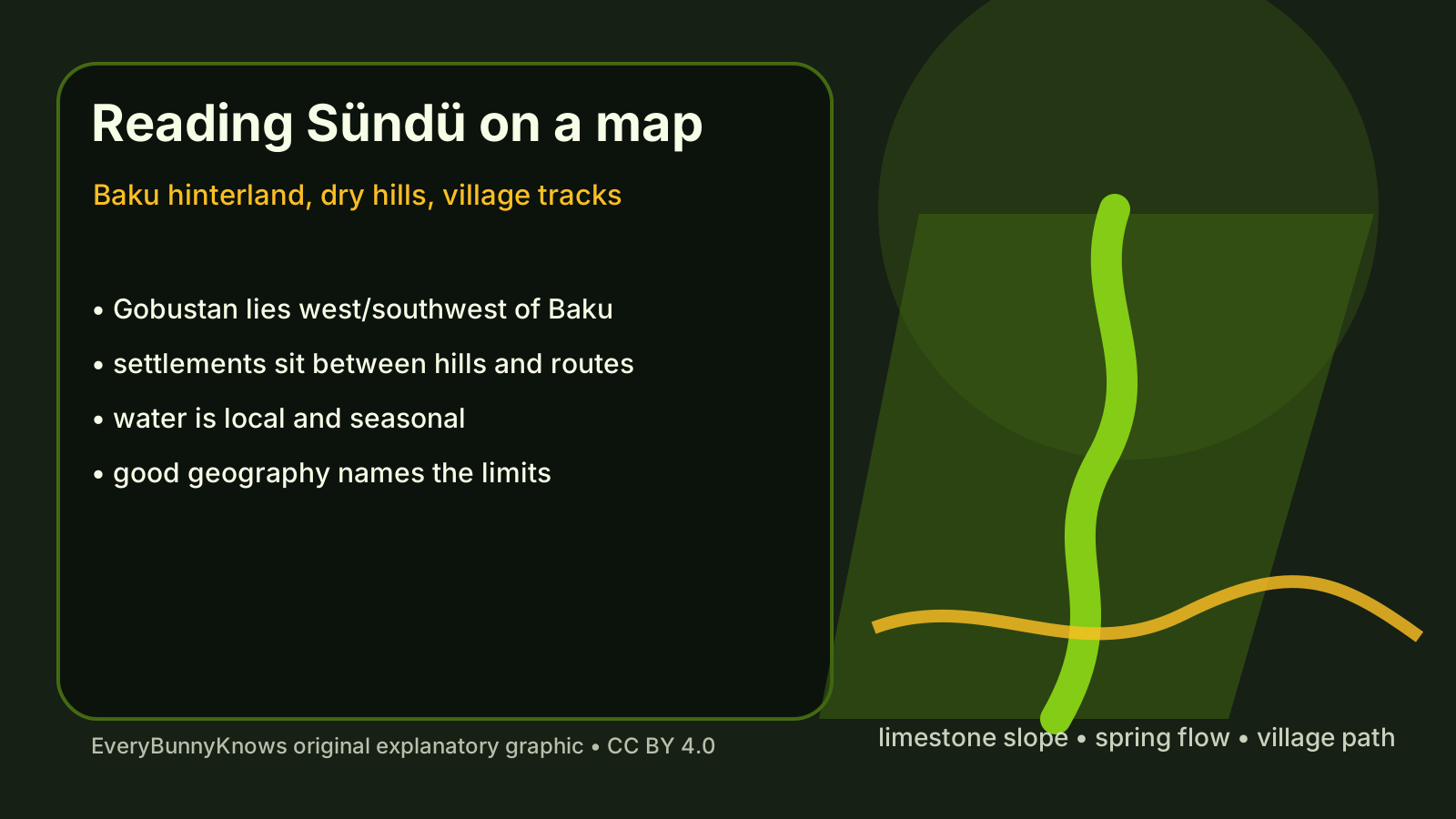
The mechanism is simple but easy to miss. In semi-arid terrain, water does not need to be abundant to shape attention. Rain, springs or seepage can follow fractures and softer layers in the rock until a small channel reaches a sharper step. Gravity does the visible work, but geology chooses the line. The same hillside may look quiet for much of the year, then become animated after wet weather or during a stronger flow season. That is why a modest waterfall can matter locally: it reveals where water finds weakness, shade and sound in a landscape otherwise read as dry.
Sündü also belongs to a human map. Villages in the Gobustan hinterland sit between routes, grazing land, cultivated patches and stony slopes. A visitor looking for the waterfall is not only looking for a point on a tourist map; they are moving through a lived landscape where tracks, weather, local knowledge and respect for private or fragile ground matter. Good geography therefore avoids making the site sound like a packaged attraction with guaranteed flow, railings and services. It is better described as a small natural feature whose experience depends on season, access and care.
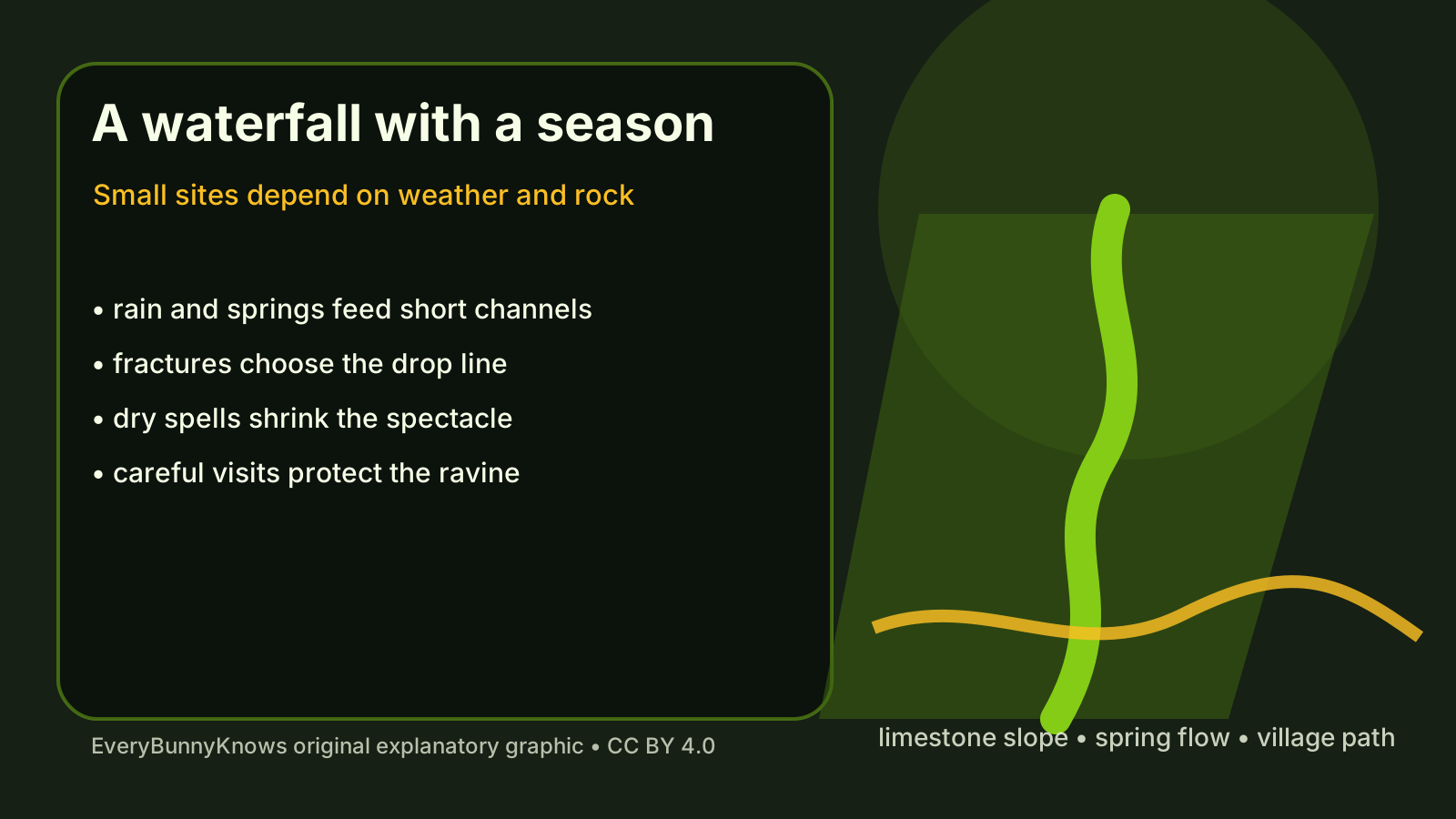
The wider context is Gobustan’s remarkable mix of dryland forms. The region is known internationally for rock art and mud volcanoes, but those famous labels should not flatten everything else. Ravines, folds, eroded slopes and short watercourses help explain why small destinations appear in places that look empty from a highway. A waterfall here is not an isolated postcard. It is a clue to how rare water, rock structure and village geography interact.
There are important limits. Public information and freely licensed exact photographs of Sündü waterfall are limited, and flow conditions can vary. Articles that illustrate it with unrelated giant waterfalls mislead readers even if the pictures are beautiful. The safest visual approach is to use clearly labelled original explanatory graphics rather than pretend that an image from another country shows Azerbaijan. Visitors should also treat local advice, weather, footwear, litter and erosion as part of the trip, not as afterthoughts.
The hopeful lesson is modest and useful. Geography can make small places larger without exaggerating them. Sündü waterfall asks the reader to notice the relationship among water, stone, village and season. That relationship is also a practical guide: ask locally, avoid wet-weather hazards, do not treat fragile slopes as a backdrop for careless shortcuts, and accept that a small waterfall may be quiet in a dry spell. In a dry landscape, a small fall is not a lesser version of a world-famous cascade. It is a precise local event: water taking the route the land allows.