Pets, Health Routines and the Care That Goes Both Ways
Pets can support movement, routine and companionship, but the health effect depends on care, housing, costs, allergies and realistic expectations.
Ivy Stone ·
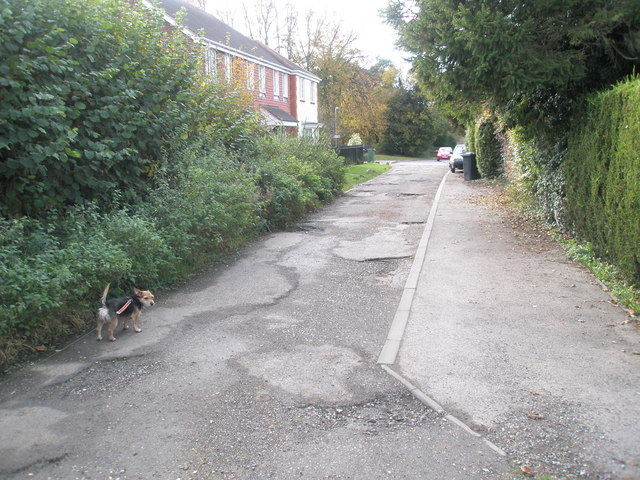
A pet is not a medicine, a therapist or a guaranteed cure for loneliness. That caution matters. Yet dogs, cats and other companion animals can change daily life in measurable ways: they structure time, invite movement, create touch and attention, and make a home feel socially alive. The healthiest way to describe the benefit is not magic, but relationship plus routine.
The U.S. Centers for Disease Control and Prevention summarizes several possible benefits of pet ownership, including increased opportunities for exercise and outdoor activity, lower feelings of loneliness for some people and social connection through animals. The careful wording is important: pets create opportunities, but people still need time, housing, money and support to use those opportunities well.
Dogs are especially linked with movement because they need walks. A daily walking routine can add moderate activity, sunlight and contact with neighbors. The effect is not automatic; a dog that cannot be walked safely, an owner with pain, or a neighborhood without safe sidewalks changes the result. The benefit depends on environment as much as affection.
Companionship works through attention and predictability. Feeding, grooming and play create repeated moments of care. For children, this can teach responsibility when adults guide it realistically. For older adults, an animal can add routine and a reason to get up, while still requiring backup plans for veterinary care, travel and emergencies.
Health research is mixed, which is why honest writing should avoid overclaiming. Some studies associate pet ownership with lower blood pressure or better cardiovascular indicators; others find that the benefits depend on socioeconomic factors, age and the kind of pet relationship. Pets are part of a life system, not a simple intervention.
Responsible care protects both sides of the relationship. Vaccination, parasite prevention, spaying or neutering when appropriate, enrichment, training and humane end-of-life decisions all matter. The most positive pet story is not ownership as decoration, but a household making room for another living creature’s needs.
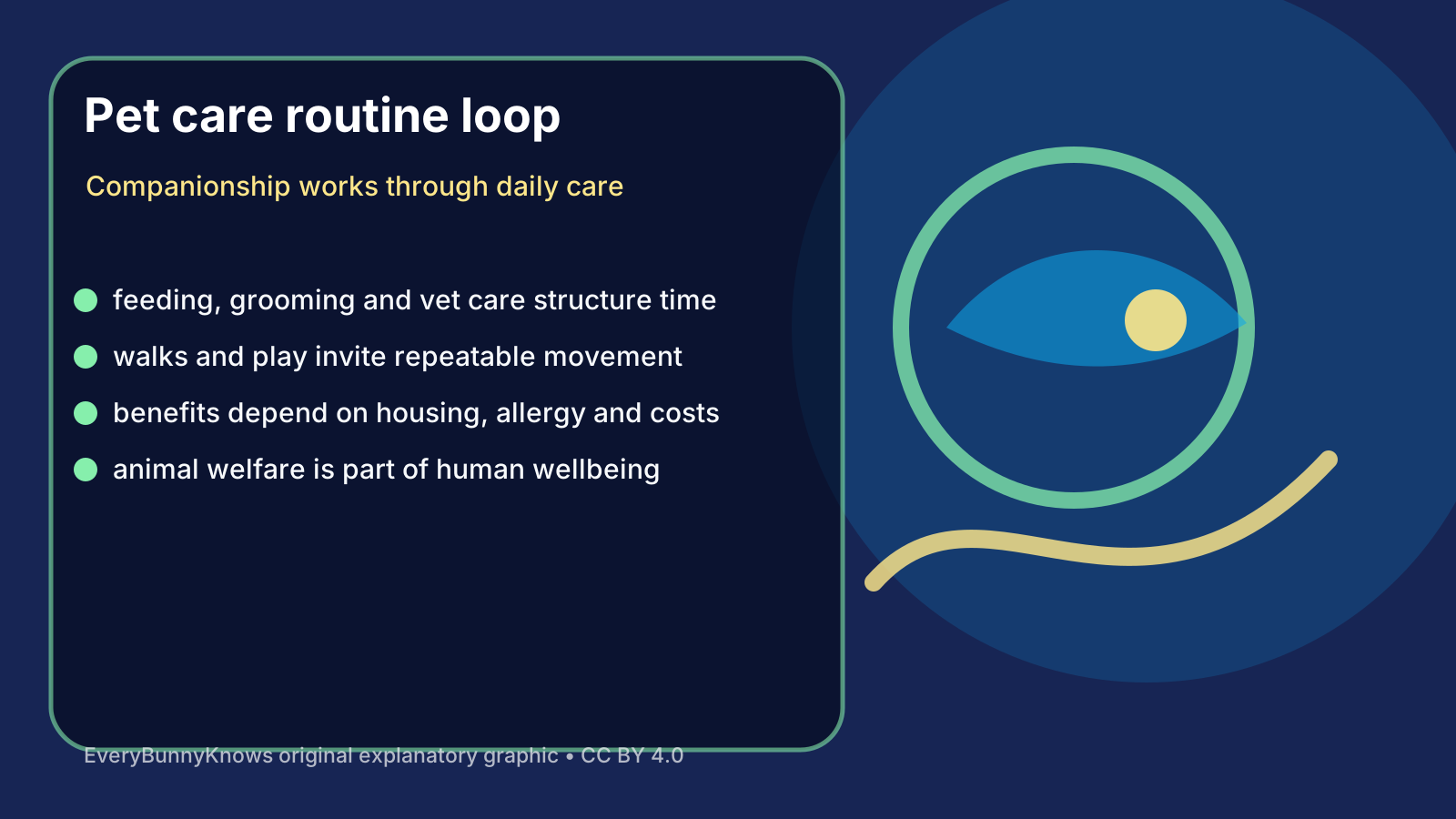
The strongest mechanism is routine. A dog has to go outside, a cat needs food and litter care, a rabbit needs hay and clean housing, and these repeated tasks can anchor a day. The American Heart Association has noted associations between dog ownership and more walking, while researchers at the University of Liverpool and the University of Western Australia have studied how pets shape neighbourhood contact. For older adults, predictable care can also make time feel structured.
Companionship works through behaviour, not sentiment alone. Touch can lower stress for some people, play interrupts rumination, and caring for another living creature creates small obligations that survive a bad mood. Children may learn observation by noticing appetite, gait, breathing and body language. Veterinary care adds another health layer: vaccines, parasite prevention, dental checks and weight management protect the animal and sometimes the household too.
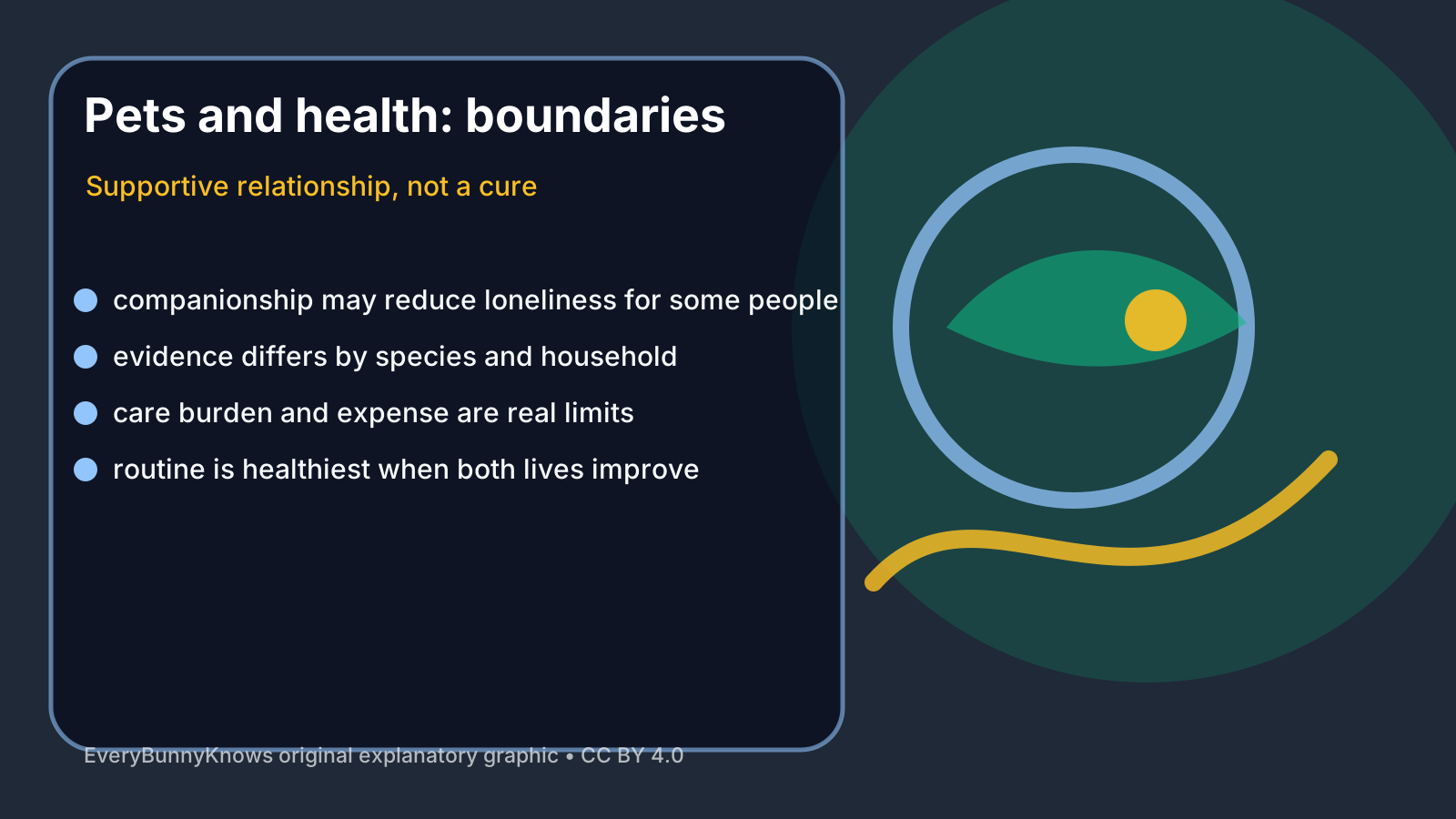
The limits are important. Pets are not a treatment plan for depression, loneliness or heart disease, and a puppy can worsen sleep before it improves anyone’s routine. Allergies, bites, zoonotic infections, rental rules and veterinary bills can be serious. The World Organisation for Animal Health and local veterinarians emphasize responsible ownership because welfare is mutual: the human benefit is ethical only when the animal’s needs for space, food, exercise, social contact and medical care are met.
The numbers are modest but useful. A 30-minute walk once or twice a day is not a cure, yet it changes exposure to daylight, joints, balance and casual conversation. In shelters run by groups such as the RSPCA or Humane Society of the United States, matching an animal to a household is as important as affection: an elderly cat, a calm adult dog and a high-energy border collie create very different routines. Good adoption counselling prevents returns and protects trust.