The Disappearing Sea at the Heart of the West
As the Great Salt Lake shrinks, exposed lakebed, rising salinity and threatened wetlands show why a terminal lake is part of the West’s public health and ecological infrastructure.
Matyáš Král ·
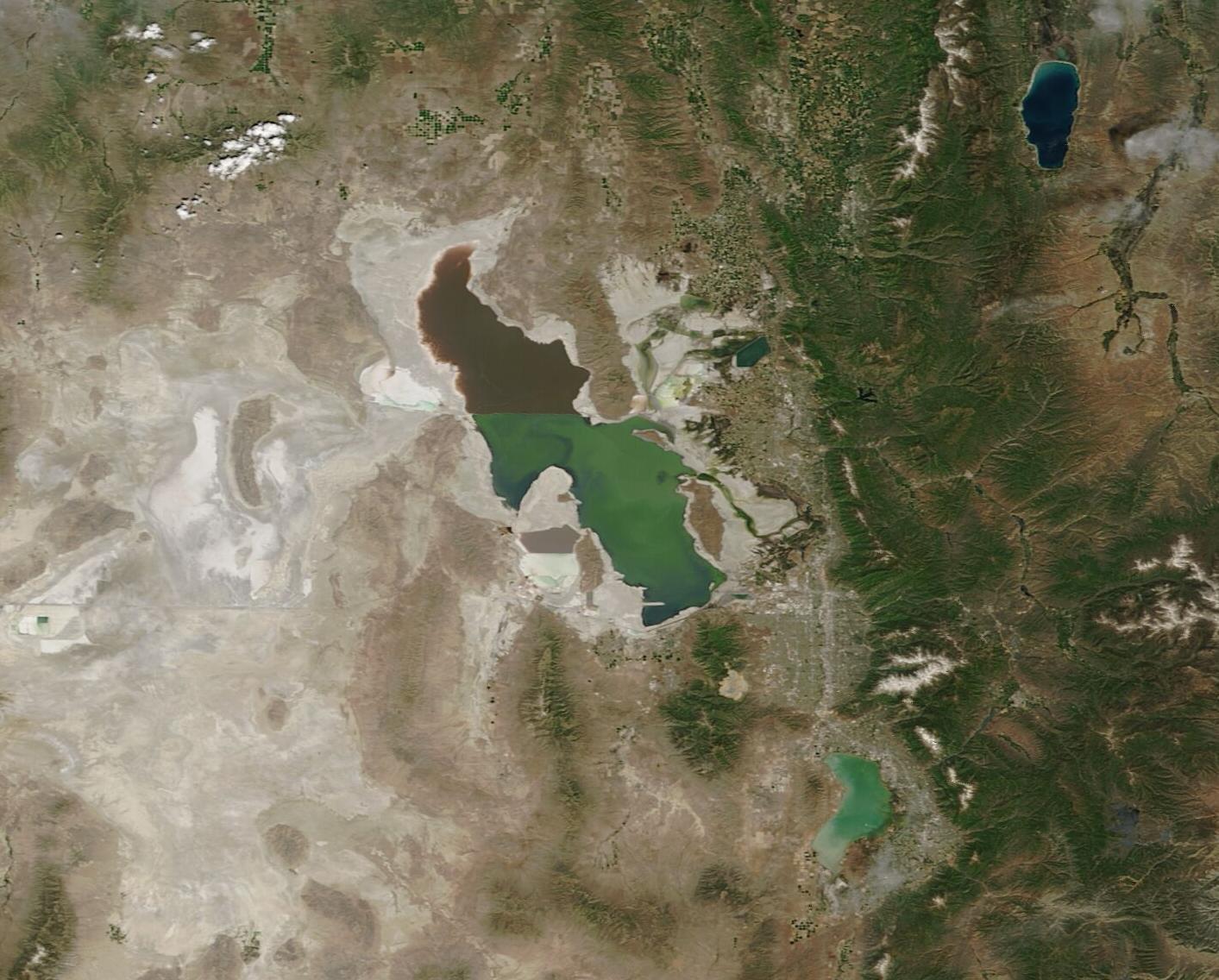
The Great Salt Lake looks open and timeless from the shore, but it is one of the most sensitive water systems in North America. It has no river flowing out of it. Snowmelt and rivers bring water and minerals in; desert sun removes water by evaporation; salt and other dissolved minerals stay behind. Utah Geological Survey material describes a lake that can change visibly from year to year, with historic water-level swings of more than 20 feet moving the shoreline by as much as 20 miles.
That natural restlessness is now being pushed by human demand. Farms, cities and industries across the watershed use water before it can reach the lake, while hotter and drier years increase evaporation and stress the mountain snowpack that feeds the Bear, Weber and Jordan river systems. In 2022 the lake fell to a modern record low. The retreat exposed wide areas of lakebed and turned a famous blue landmark into a public-health, wildlife and economic warning.
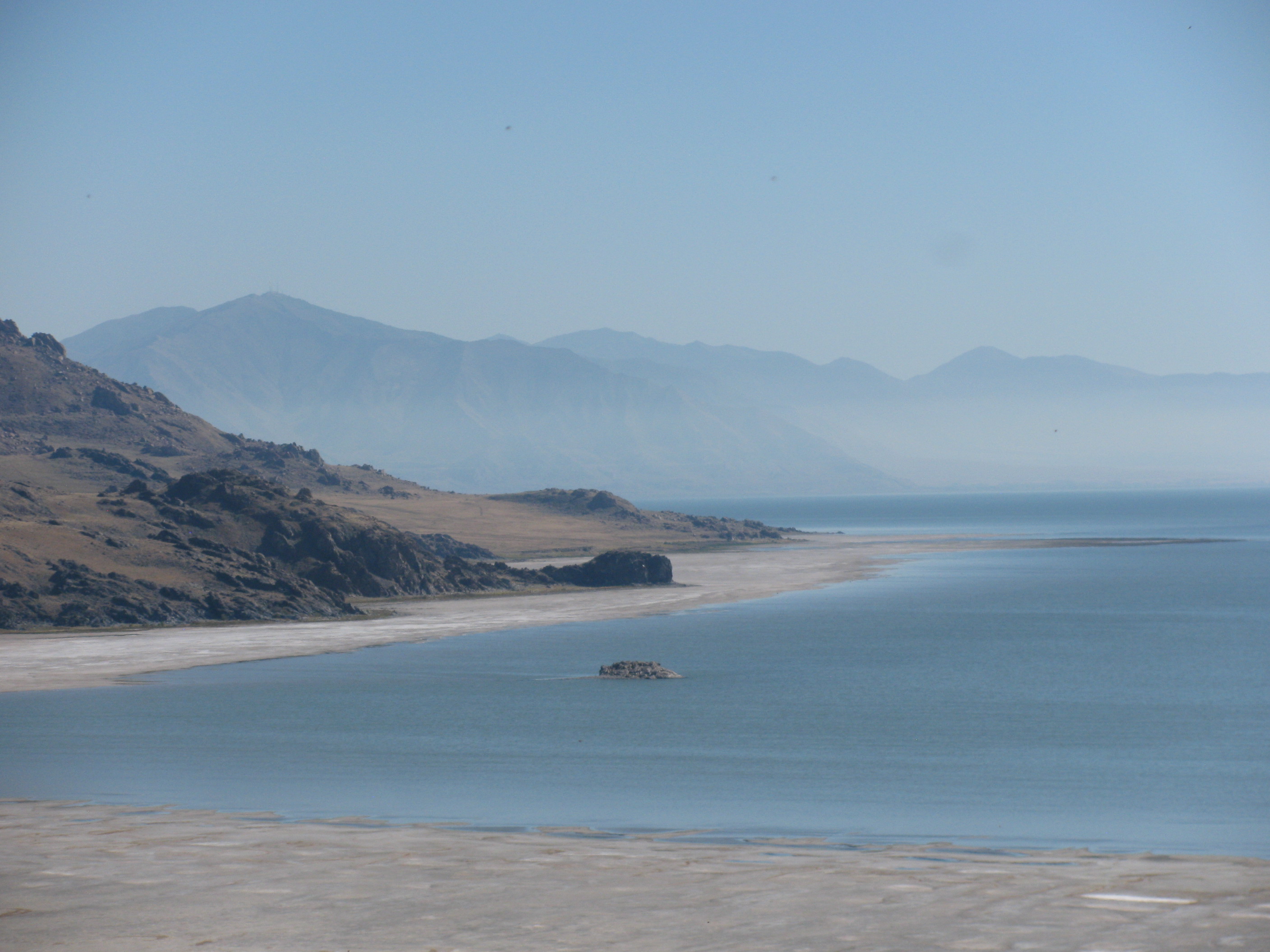
The danger is not only that a landscape becomes less beautiful. Exposed lakebed can become dust, and dust from saline lakebeds may carry fine particles and naturally occurring metals into nearby communities. Salt Lake City sits close enough that the lake is part of the region's air, not just its scenery. A shrinking lake also concentrates salinity. That matters because the lake's food web is simple but globally important: brine flies, brine shrimp and microbial life support millions of migratory birds that use the lake and its wetlands as a stopover in the interior West.
The brine-shrimp industry depends on a lake that is salty, but not too salty. Birds depend on wetlands that are wet at the right time of year. Mineral companies, recreation, hunting, tourism and the identity of northern Utah all depend on the same basic fact: a terminal lake needs enough inflow to balance what the sky takes away. When that balance fails, the consequences spread far beyond the waterline.
The hopeful part is that the problem is visible and measurable. Utah now tracks lake levels closely, and public discussion has shifted from treating the lake as empty space to treating it as shared infrastructure. Conservation leases, water-right changes, agricultural efficiency, wetland protection and municipal water savings can all help, especially when they return real water to the system rather than simply moving use elsewhere.
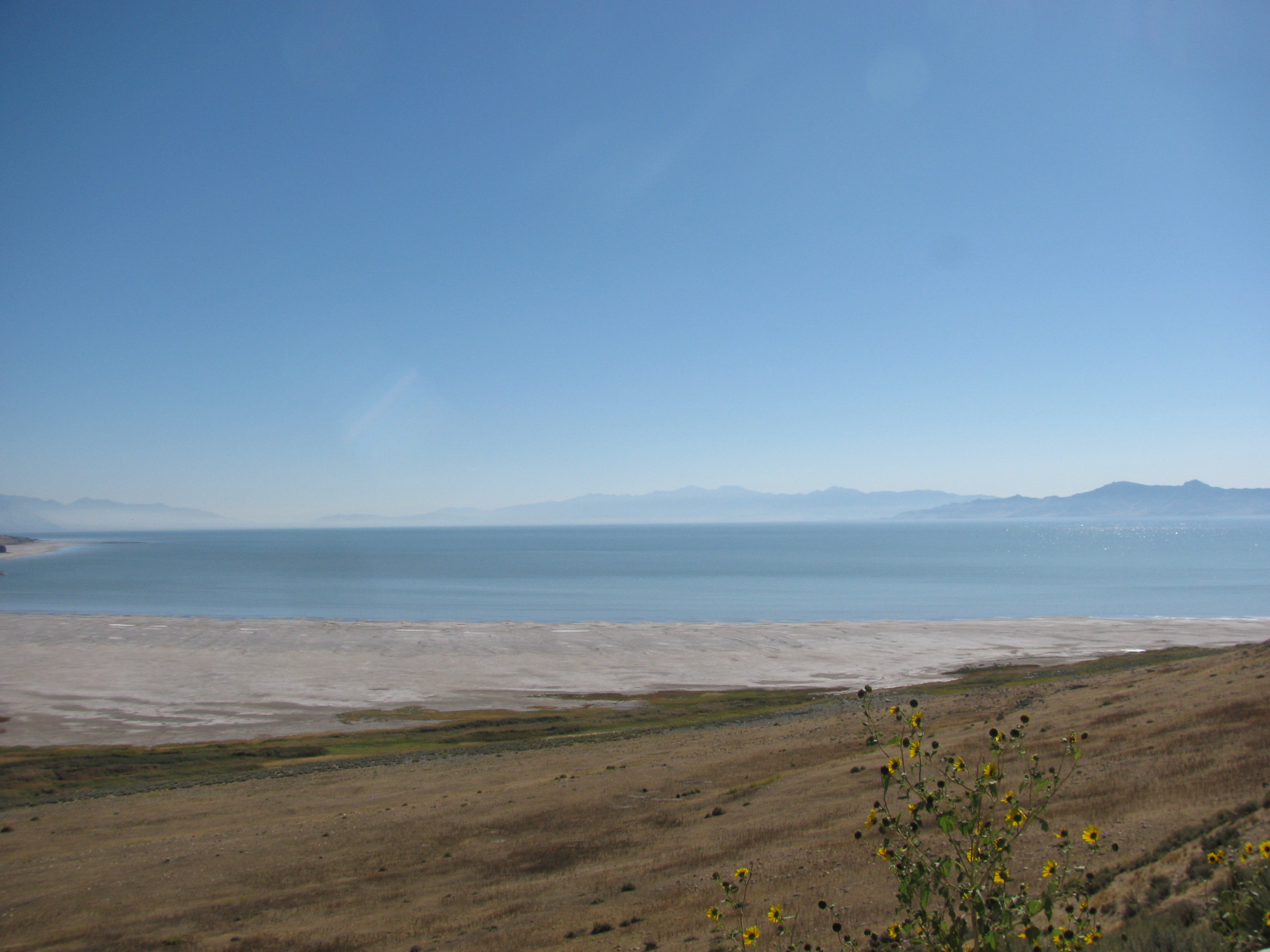
The Great Salt Lake will never be a static postcard. It rises after strong snow years and falls through dry cycles. But the lesson of the disappearing sea is not resignation; it is precision. A city can grow beside a terminal lake only if it counts the water honestly, leaves enough for the ecosystem that made the city possible, and remembers that in the desert, absence can travel as dust.