The Dodecanese: Where Greece Meets the Anatolian Shore
Formed by deep history and the currents of the Aegean, the Dodecanese islands are a living lesson in the porous nature of borders, a place where Europe looks directly into the eyes of Asia.
Lucia Wren ·
The call to prayer from the minaret in Kaş carries clearly across the water, a thin, haunting ribbon of sound winding through the harbour of Kastellorizo. It is a distance of little more than a mile, a space traversed for millennia by fishermen, traders, pirates, and pilgrims. From the Kastro, the crumbling Crusader castle that watches over the town, you can see the cars moving along the Turkish coastal highway. At night, you can watch the lights of the Turkish town twinkle into existence as the sun melts behind the hills of Lycia, a coastline that feels close enough to touch. This is the Dodecanese, the southeastern edge of Greece and of Europe, an archipelago whose identity is defined not by separation but by proximity.
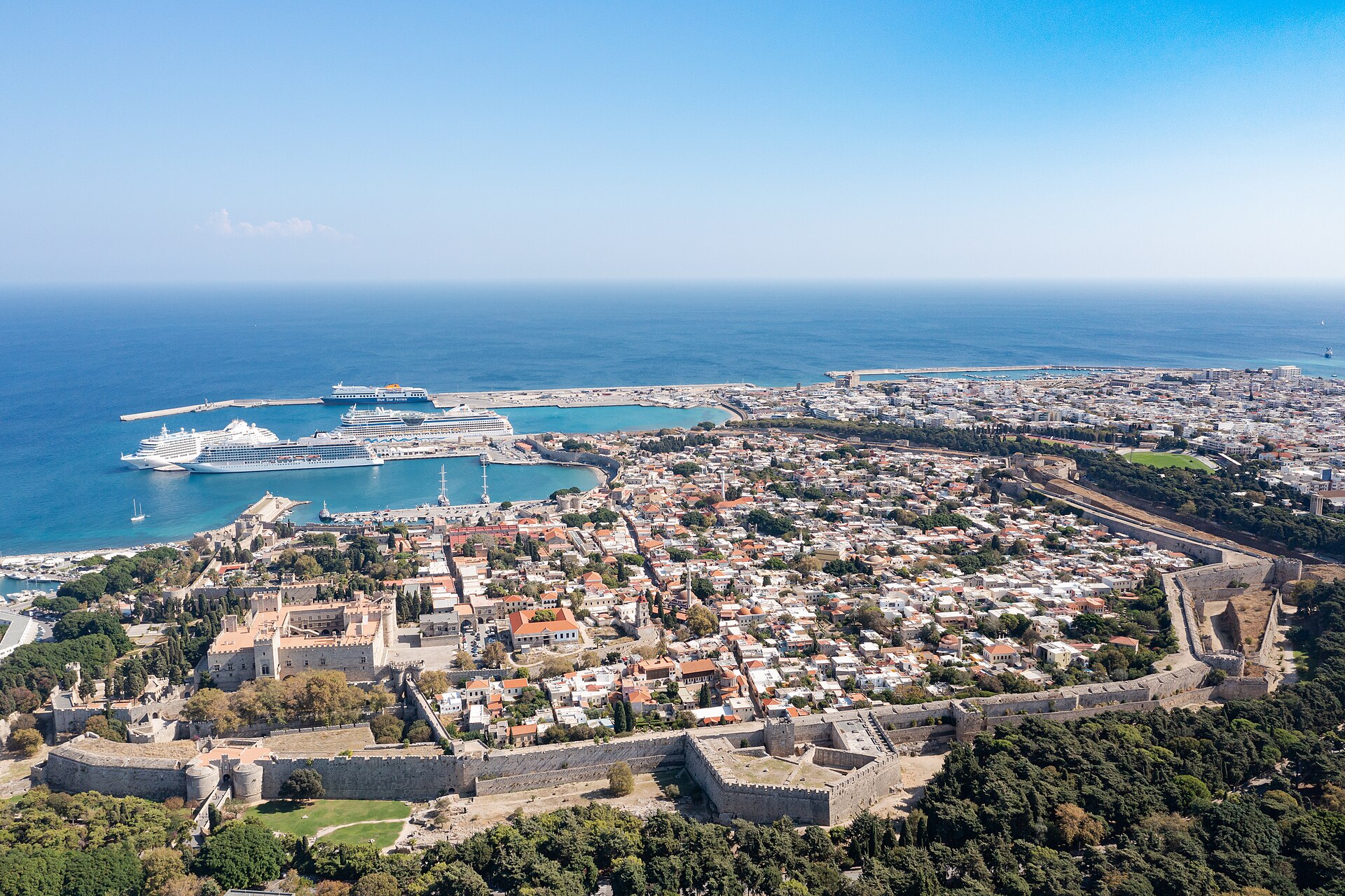
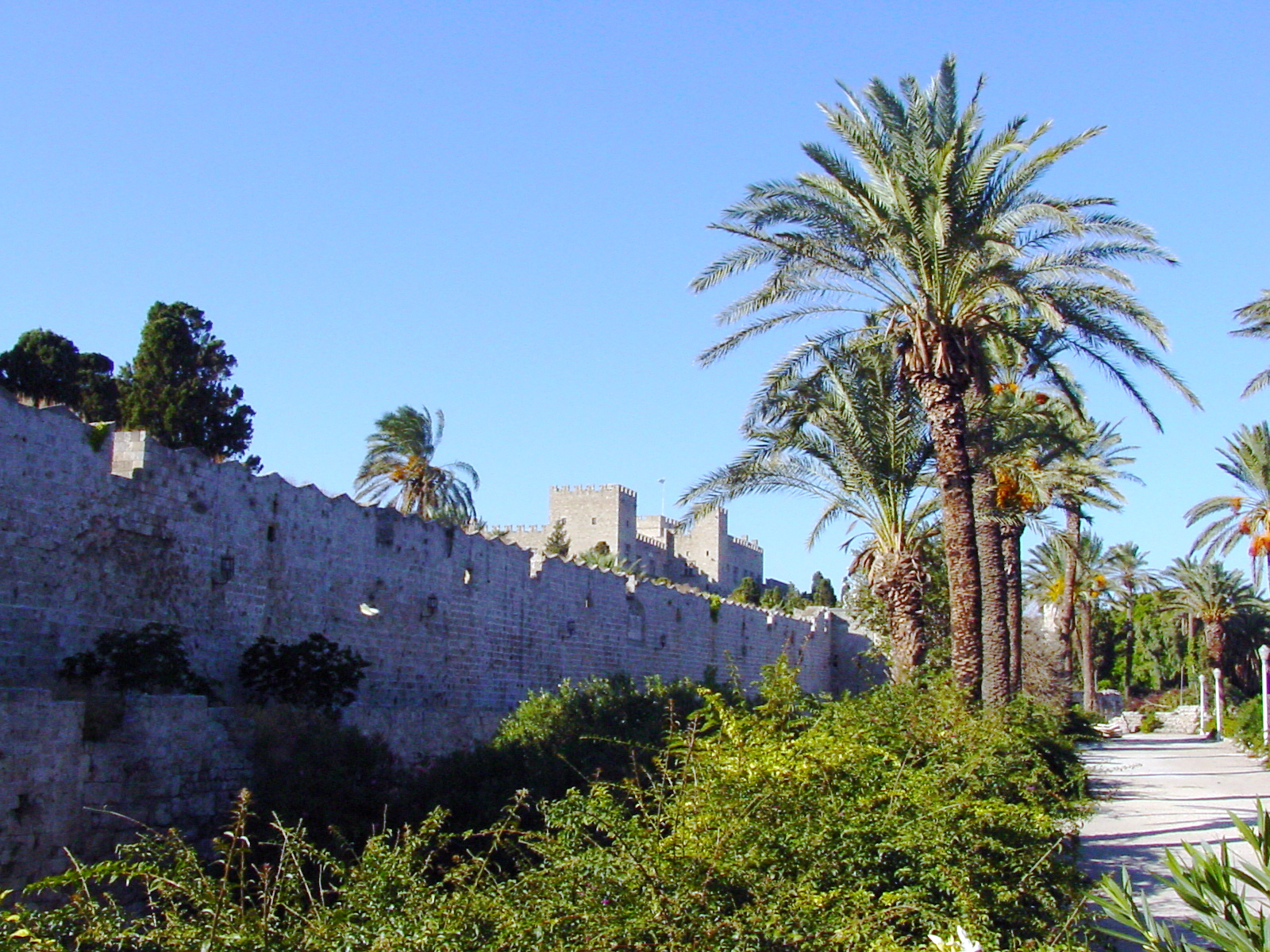
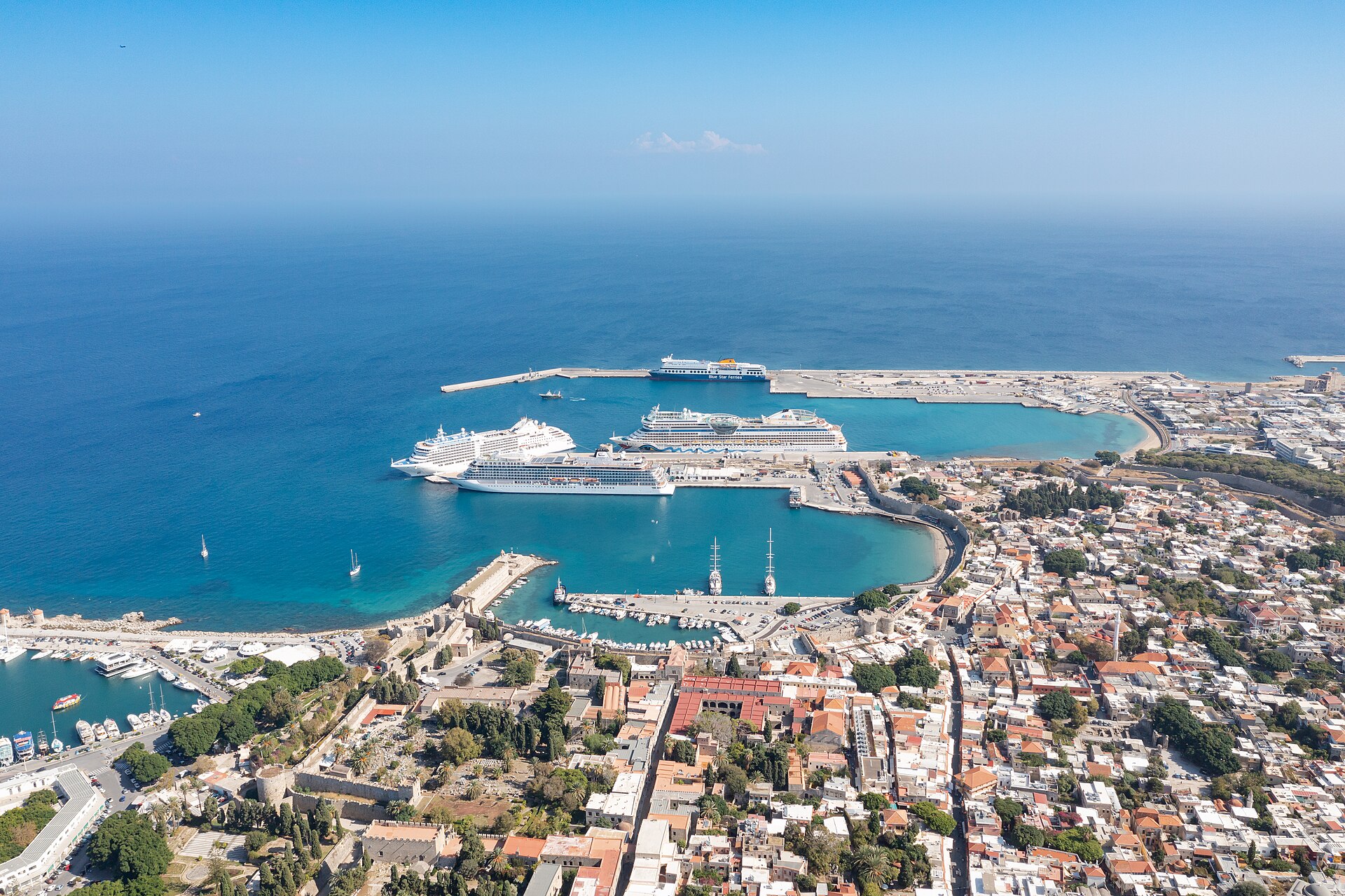 The name itself, meaning “the twelve islands,” is a modern administrative convenience that belies a far more complex reality. For centuries, these islands—Rhodes, Kos, Patmos, Symi, and their smaller siblings—were not a periphery but a important center. They were a bridge, a place of exchange and collision between the Greek world and the Anatolian mainland. Their story is written in the stones of their towns, in the faces of their people, and in the very taste of their food. The deep, turquoise water of the Aegean was not a border but a highway, connecting the Dorians, the Romans, the Knights of Saint John, the Ottomans, and the Italians who all left their indelible marks. To walk through the Old Town of Rhodes is to walk through layers of time compressed into a single, fortified city. The Street of the Knights, a perfectly preserved medieval artery of sandstone inns where the langues of the Order of Saint John once resided, feels like a piece of Western Europe dropped into the Aegean. Yet, a few steps away, the Sokratous thoroughfare buzzes with the energy of a bazaar. The dome and minaret of the Mosque of Suleiman the Magnificent punctuate the skyline, a legacy of the nearly four hundred years of Ottoman rule. Here, Gothic arches stand near Turkish hammams, and Byzantine chapels are tucked away behind stone walls that held back Ottoman cannons. The influence is not just architectural. In a side-street taverna, the scent of cumin and cinnamon mingles with oregano and lemon. The menu offers Greek standards alongside dishes that whisper of Anatolia: lamb cooked with apricots, pastries drenched in honeyed syrup, and vegetables stuffed with spiced rice and pine nuts. This culinary fusion is the quiet, daily evidence of a shared history, a time when the movement of people and ideas across this narrow strait of sea was the norm, not the exception. Each island tells a different chapter of the same story. Symi’s spectacular harbour, Gialos, is a theatrical amphitheater of neoclassical mansions painted in shades of ochre, terracotta, and indigo, cascading down the hillside to the water’s edge. These were the homes of wealthy sponge merchants, mariners whose trade connected them as much to the coast of Africa as to Athens. The island’s wealth was built on the sea, and its fortunes rose and fell with the currents of Mediterranean commerce.
 Further south, the tiny island of Kastellorizo, or Megisti, feels like a beautiful afterthought. As Greece’s easternmost inhabited point, it is evidence of resilience. The magnificent waterfront mansions, some restored to their former glory, others standing as elegant, hollowed-out shells, speak of a more prosperous past when the island’s ships sailed to Alexandria and Constantinople. Today, it is a place of profound tranquility, a community living in the constant, quiet presence of its enormous neighbour. The daily ferry from Rhodes is a lifeline, but the view of Turkey is a constant reminder of a different and more immediate connection. Then there is Patmos, an island with a different energy altogether. Quieter, more reserved, its identity is shaped by the monumental Monastery of Saint John the Theologian that crowns the hilltop Chora. This fortified monastery, founded in the 11th century, looks more like a formidable castle than a place of worship. Below it, the Cave of the Apocalypse, where tradition holds that John of Patmos received his visions, remains a site of profound spiritual significance. Patmos became a beacon of Orthodox Christianity, a center of learning and pilgrimage that drew its power from faith while navigating the political realities of life under Ottoman and, later, Italian rule. Between these larger, more famous islands lies a constellation of smaller ones, each with its own distinct character. Leros, with its deep, protected bays, bears the heavy architectural stamp of the Italian occupation of the 1930s, a bizarre and specific collection of Rationalist buildings that seem utterly alien to the Aegean landscape. Nisyros, a sleepy, volcanic island, invites visitors to walk into the crater of its dormant volcano, a primal field of sulfurous steam and bubbling mud pits. Life here is slower, tied to the seasons and the rhythms of the fishing boats. The Dodecanese challenge our modern obsession with clean lines on a map. They are a reminder that for most of human history, culture was fluid, spread by the sail and the oar. The people of these islands have always been navigators, not just of the sea but of complex identities. They are fiercely Greek, yet their heritage is a rich history woven with threads from Venice, Genoa, the hills of Anatolia, and the deserts of North Africa. To understand this place is to understand the sea’s power to connect as much as to divide. It is to see a Crusader fortress and an Ottoman mosque not as contradictions, but as two parts of a single, epic story. From a boat crossing the water between Rhodes and the Turkish port of Marmaris, a journey of less than an hour, the two coastlines appear as mirror images, green hills meeting the same blue sea. In the Dodecanese, you are always looking across, always aware of the other shore, a place that is not a foreign land, but a neighbour.