The Glacier's Slow Farewell
In a Swiss valley, the retreat of a glacier is not just a scientific data point, but a profound and unsettling transformation of a way of life that has endured for centuries.
Marco Linden ·
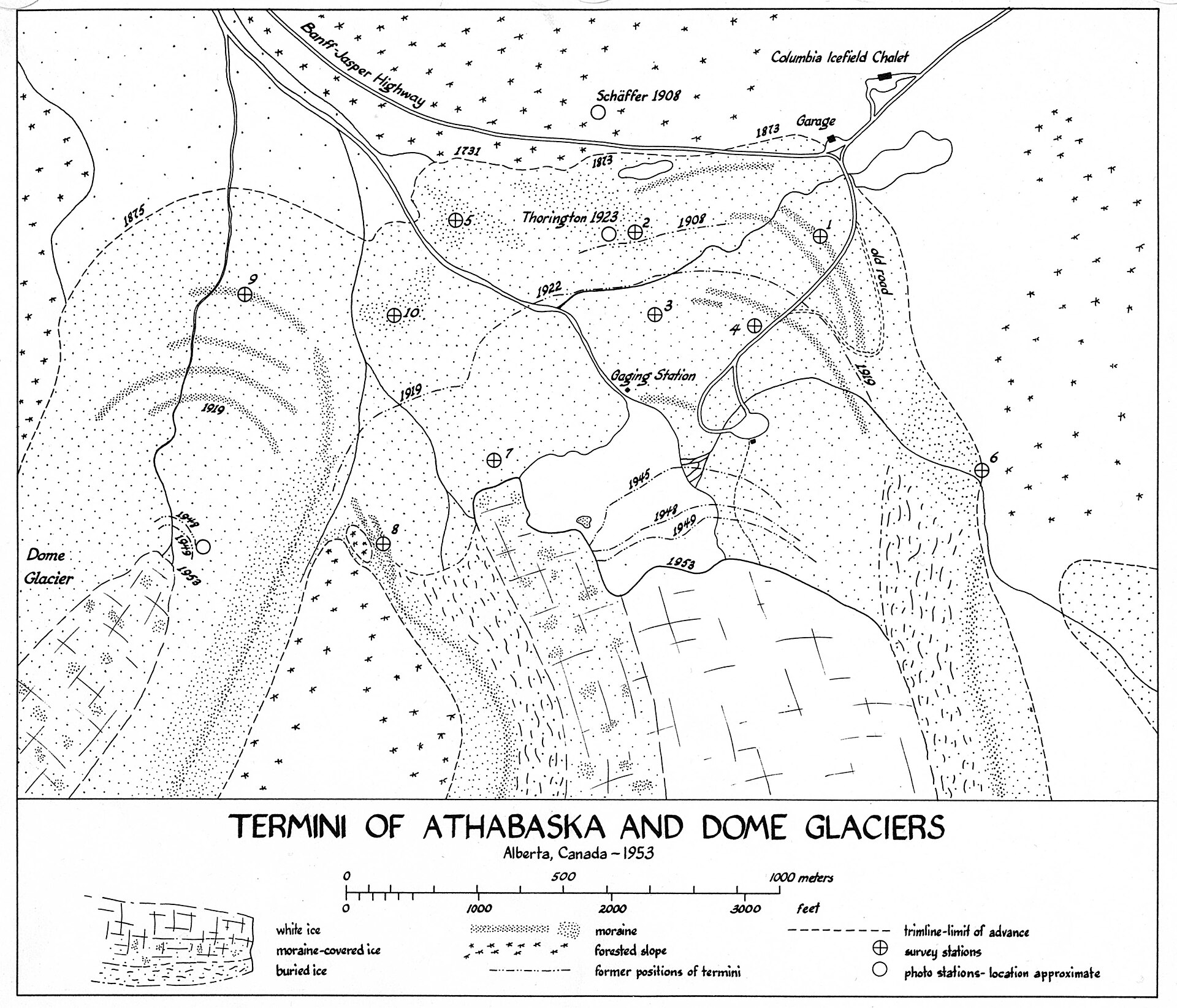
The Aletsch Glacier has always been the heart of the valley. For centuries, it has been a source of water, a regulator of temperature, and a presence on the horizon, a vast river of ice that defined the landscape and the lives of the people who lived in its shadow. But the heart is faltering. The Aletsch, the largest glacier in the Alps, is melting at an unprecedented rate. Each year, its snout retreats further up the valley, leaving behind a scarred field of moraine and freshly exposed rock. To stand at its edge is to witness a geological event unfolding in human time, a slow-motion farewell that is both beautiful and terrifying.
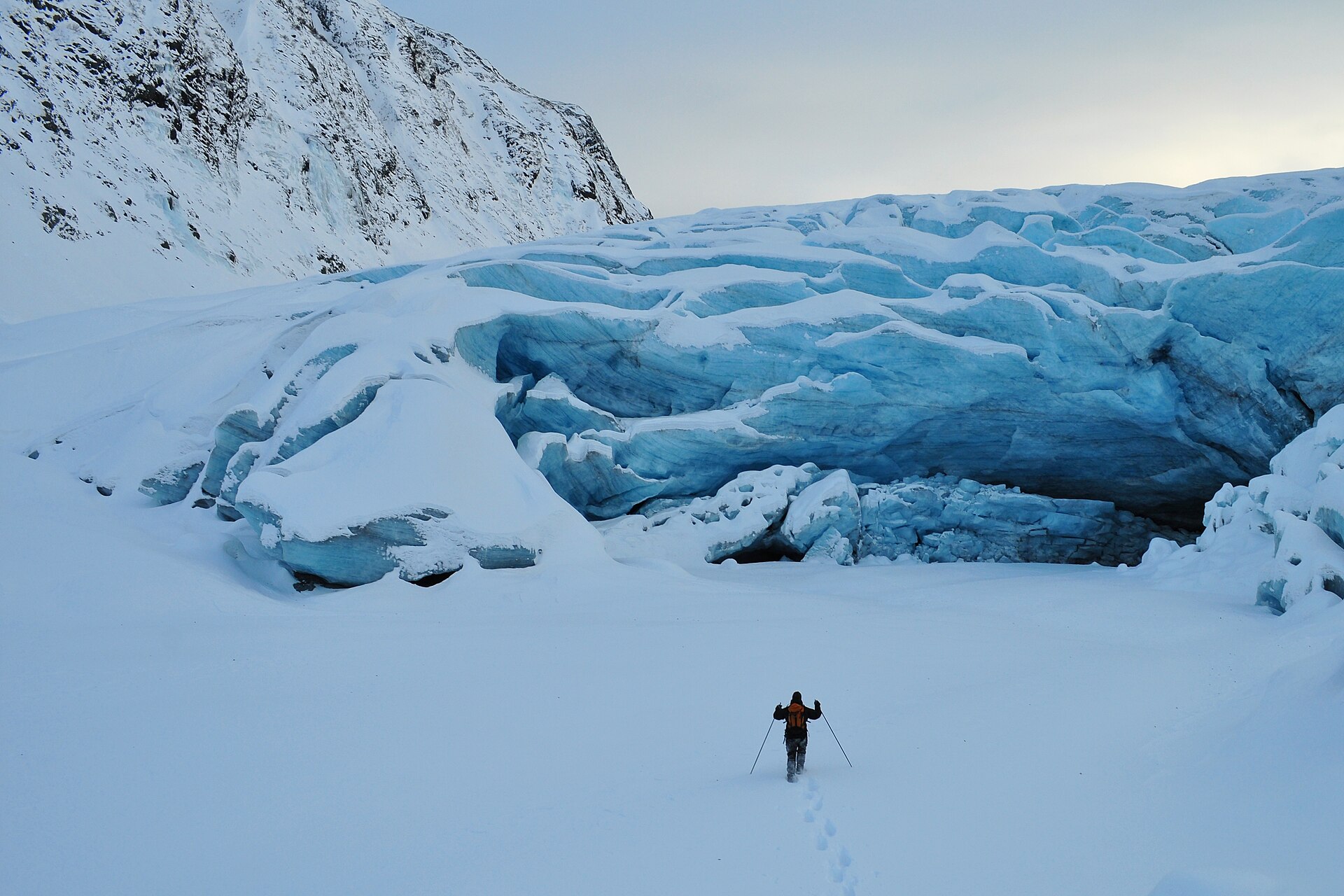 For the farmers who have worked this land for generations, the retreat of the glacier is not an abstract concept. It is a daily reality. The streams that once flowed reliably from the glacier's meltwater are now unpredictable, sometimes raging with floodwaters, other times dwindling to a trickle. The delicate balance of the alpine pastures, dependent on a steady supply of water, is being disrupted. Traditional farming practices, honed over centuries to the rhythm of the seasons and the glacier's pulse, are becoming untenable. It is a quiet crisis, played out in the fields and barns of this remote Swiss valley. Scientists from the nearby Jungfraujoch research station have been monitoring the Aletsch for decades, and their data tells a stark story. The glacier has lost more than a kilometer of its length in the last fifty years, and the rate of retreat is accelerating. The cause is unequivocal: rising global temperatures. The Alps are warming at twice the global average, and the glaciers are the most visible casualties. As the ice melts, it is not just the landscape that is changing, but the entire ecosystem. Plant and animal species that are adapted to the cold, glacial environment are being pushed to higher altitudes, and in some cases, to the brink of extinction. The melting of the Aletsch is also a story of hidden dangers. As the glacier recedes, it exposes unstable valley walls, increasing the risk of landslides and rockfalls. Glacial lakes, formed by the meltwater, can burst their banks, sending devastating floods down the valley. The glacier itself is becoming more dangerous to traverse, its surface riddled with crevasses and moulins, deep shafts that carry meltwater to the glacier's bed. It is as if the dying giant is thrashing in its final moments, a danger to all who come near.
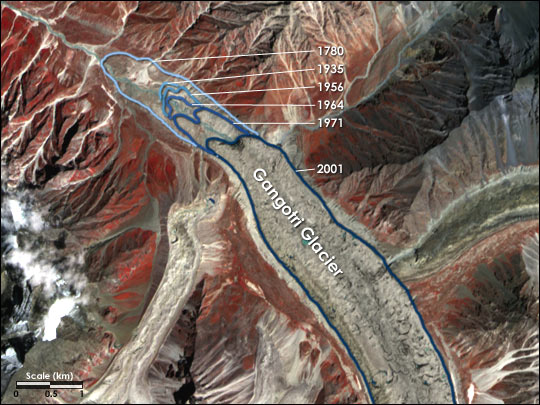 But the story of the Aletsch is not just one of loss. It is also a story of resilience and adaptation. As the glacier retreats, new landscapes are being created. Pioneer plant species are colonizing the freshly exposed ground, and new habitats are forming. The people of the valley, too, are adapting. They are developing new irrigation techniques, diversifying their crops, and finding new ways to make a living in a changing landscape. There is a sense of determination, a refusal to be defined by the loss of their iconic glacier. Yet, a profound sense of melancholy hangs over the valley. The Aletsch is more than just a feature of the landscape; it is a part of their cultural identity. It is the subject of local legends, the backdrop to their festivals, the measure of their seasons. To lose the glacier is to lose a part of themselves. It is a form of ecological grief, a mourning for a world that is passing away. To stand on the slopes above the Aletsch and look down at the shrunken, grey-streaked ice is to feel a sense of vertigo, a dizzying awareness of the sheer scale of the forces at play. The silence is broken only by the distant rumble of the ice, a low groan that sounds like a sigh of resignation. It is a sound that speaks of deep time, of the slow, inexorable processes that shape our planet. But it is also a sound that is being amplified and accelerated by our own actions. The future of the Aletsch, and of the Alps themselves, is uncertain. The scientists' models predict that by the end of the century, the glacier will be a fraction of its current size. The valley will be transformed, its climate, its hydrology, its very character, altered beyond recognition. The people here are living on the front line of climate change, witnesses to a transformation that will eventually touch us all. They are learning to say goodbye to their glacier, a long and painful farewell to the frozen heart of their world.