The History of Espresso Tonic: A Cold Drink Built on Pressure and Quinine
Espresso tonic looks simple, but its rise joins Italian espresso technology, quinine’s bitter sparkle and the late-2000s wave of Scandinavian specialty cafés.
Mira Vale ·
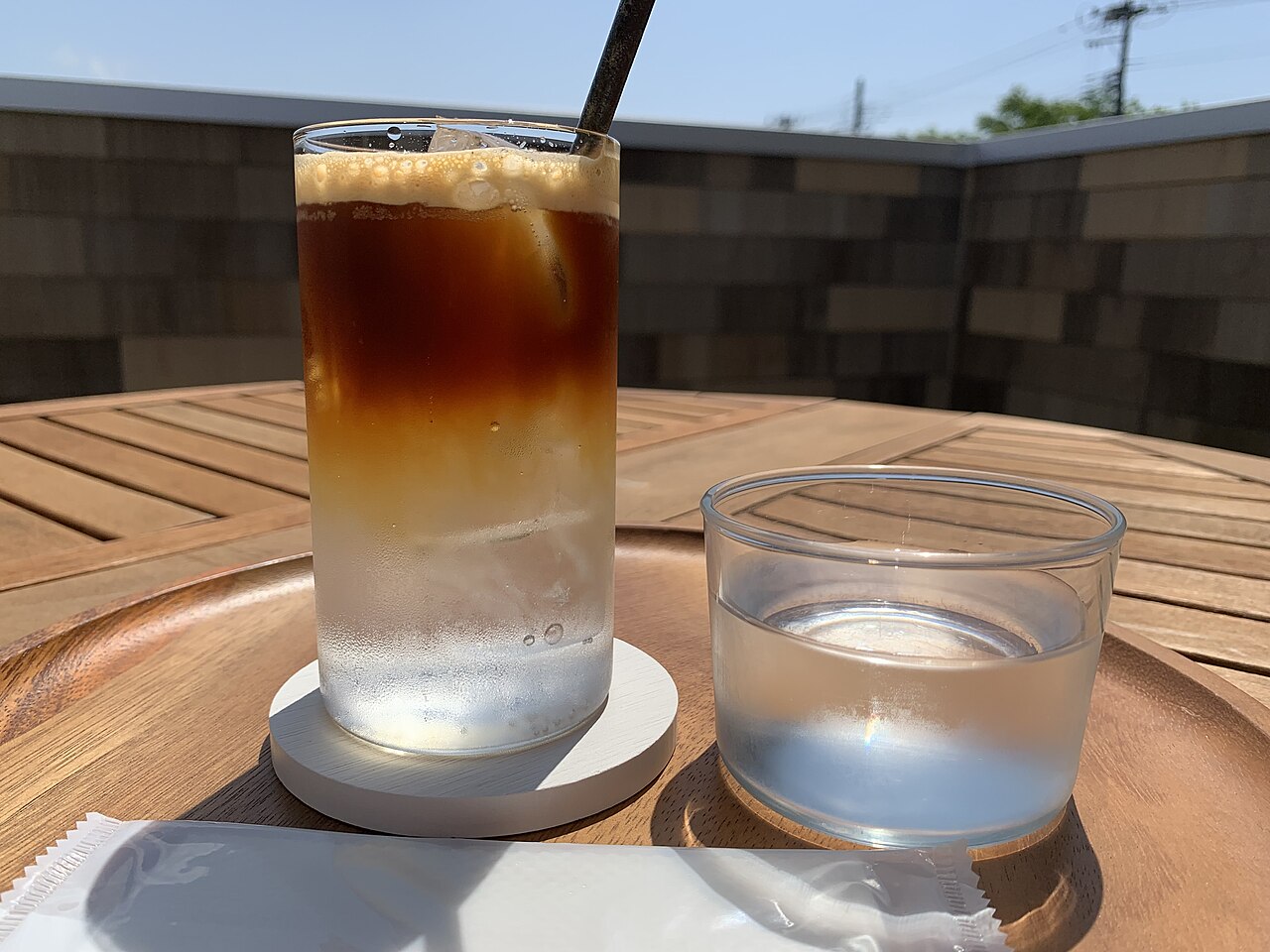
Espresso tonic became a modern café classic because it solved a very specific problem: how to make serious coffee feel bright, cold and social without turning it into a milkshake. The glass looks almost too simple. Ice goes in first, tonic water follows, and a fresh espresso is poured gently over the top so that dark coffee, clear bubbles and a pale foam briefly stack into layers. Yet the drink carries two older histories in one glass: the Italian engineering of espresso and the bitter, sparkling world of quinine drinks.
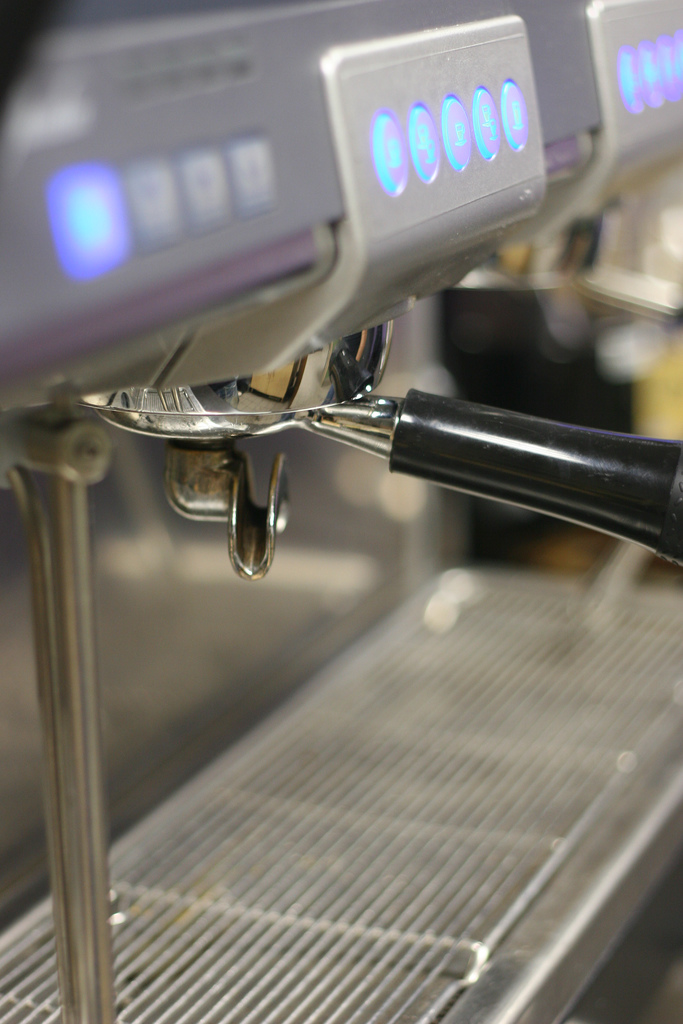
The espresso side depends on pressure. In the twentieth century, espresso machines turned coffee into a short, concentrated drink by forcing hot water through finely ground beans. Crema, temperature, grind size and extraction time all matter because a small change can make the shot sour, harsh or flat. That technical culture is why espresso tonic is not simply iced coffee with soda. A good version needs an espresso strong enough to remain legible after dilution, but clean enough that its acidity and roast notes do not fight the tonic.
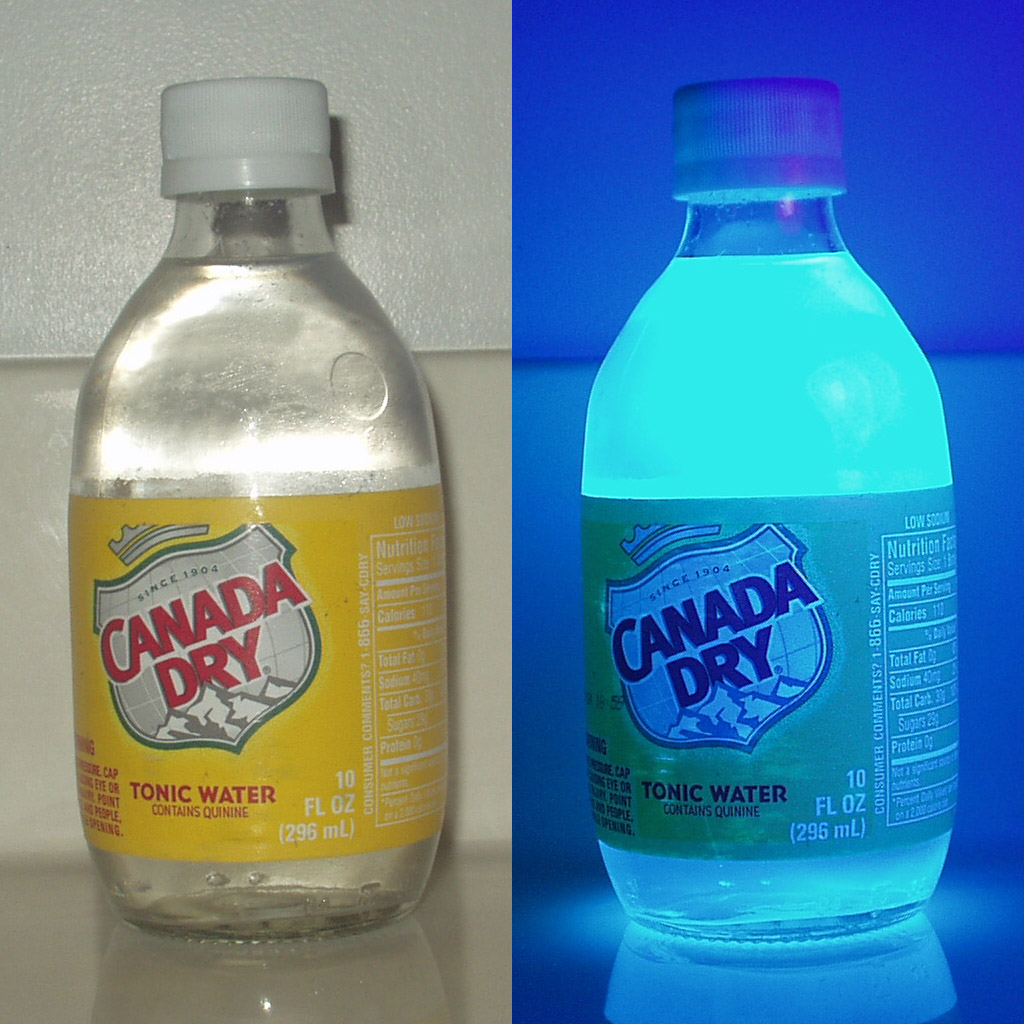
The tonic side is older and stranger. Tonic water is associated with quinine, a bitter compound from cinchona bark that became famous through anti-malarial use in colonial medicine. Modern tonic water contains much less quinine than a medical dose and is regulated as a beverage, but the taste memory remains: sharp bitterness, sugar, citrus aroma and carbonation. In an espresso tonic, bubbles lift volatile coffee aromas while quinine bitterness echoes the bitter edge already present in roasted coffee. The drink works when those two bitterness systems reinforce rather than overwhelm each other.
The popular origin story usually points to the Scandinavian specialty-coffee world in the late 2000s, especially Koppi in Helsingborg, Sweden, where baristas Anne Lunell and Charles Nystrand helped make the combination known. Whether or not one café deserves every bit of credit, the geography makes sense. Nordic cafés were influential in lighter roasts, careful brewing and seasonal cold drinks; they also had customers willing to treat coffee as something transparent, acidic and aromatic rather than only dark and heavy. Social media then did the rest. Espresso tonic photographed beautifully and travelled well as a recipe: no proprietary syrup, no rare tool beyond an espresso machine, and enough drama in the pour to feel new.
There are limits to the legend. Espresso tonic was not invented from nothing in a single moment, and many cafés experimented with coffee, soda and citrus before the name became common. The drink also reveals how modern café trends spread: through equipment, barista networks, visual platforms and a recipe that customers can repeat at home. Its best versions are restrained. Too much tonic makes the coffee vanish; too dark a roast tastes medicinal; too warm a glass turns sparkle into sweetness.
That balance is why the drink has lasted longer than many seasonal café fashions. It is technical without being fussy, bitter without being punishing, and photogenic without needing decoration. A century of espresso engineering and a much older tonic-water history meet in a glass that still feels contemporary because it gives both parts a job to do.