The Modern History of Tiramisu
Tiramisu feels timeless, but its documented rise is a modern northern Italian story of coffee, mascarpone, restaurant memory and rival regional claims.
Jonah Reed ·
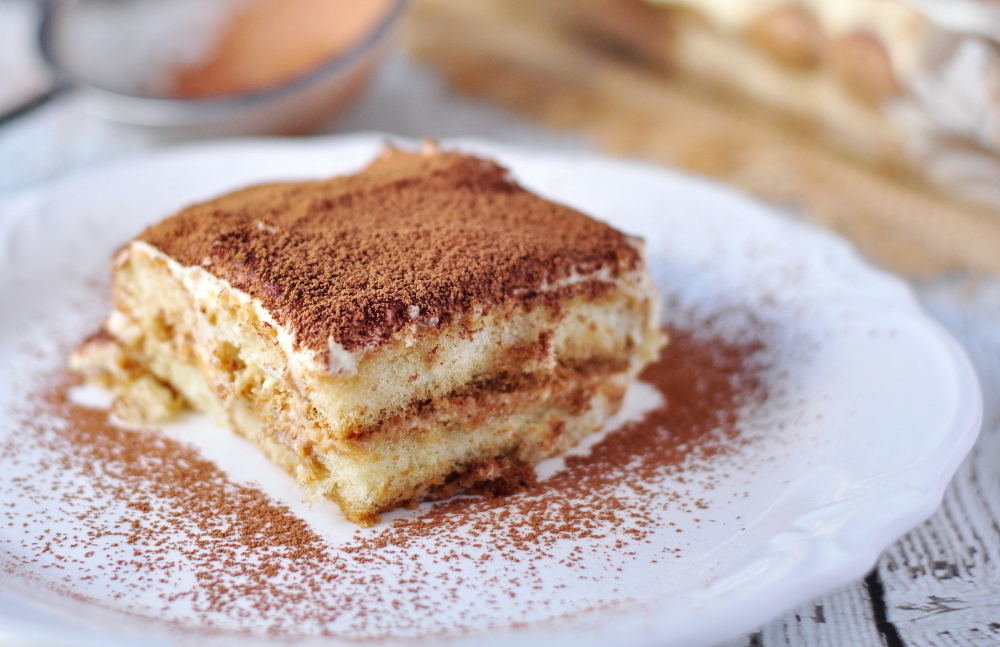
Tiramisu feels older than it is. Coffee-soaked savoiardi, mascarpone cream, eggs, sugar and cocoa seem to belong to a timeless Italian table, yet the dessert’s documented fame is a modern story. Most serious accounts place its rise in the second half of the twentieth century, with competing claims from Veneto and Friuli-Venezia Giulia. That dispute is not a weakness in the story. It is the point: food history is made from recipes, restaurants, local memory, trade names and the pride communities attach to a taste.
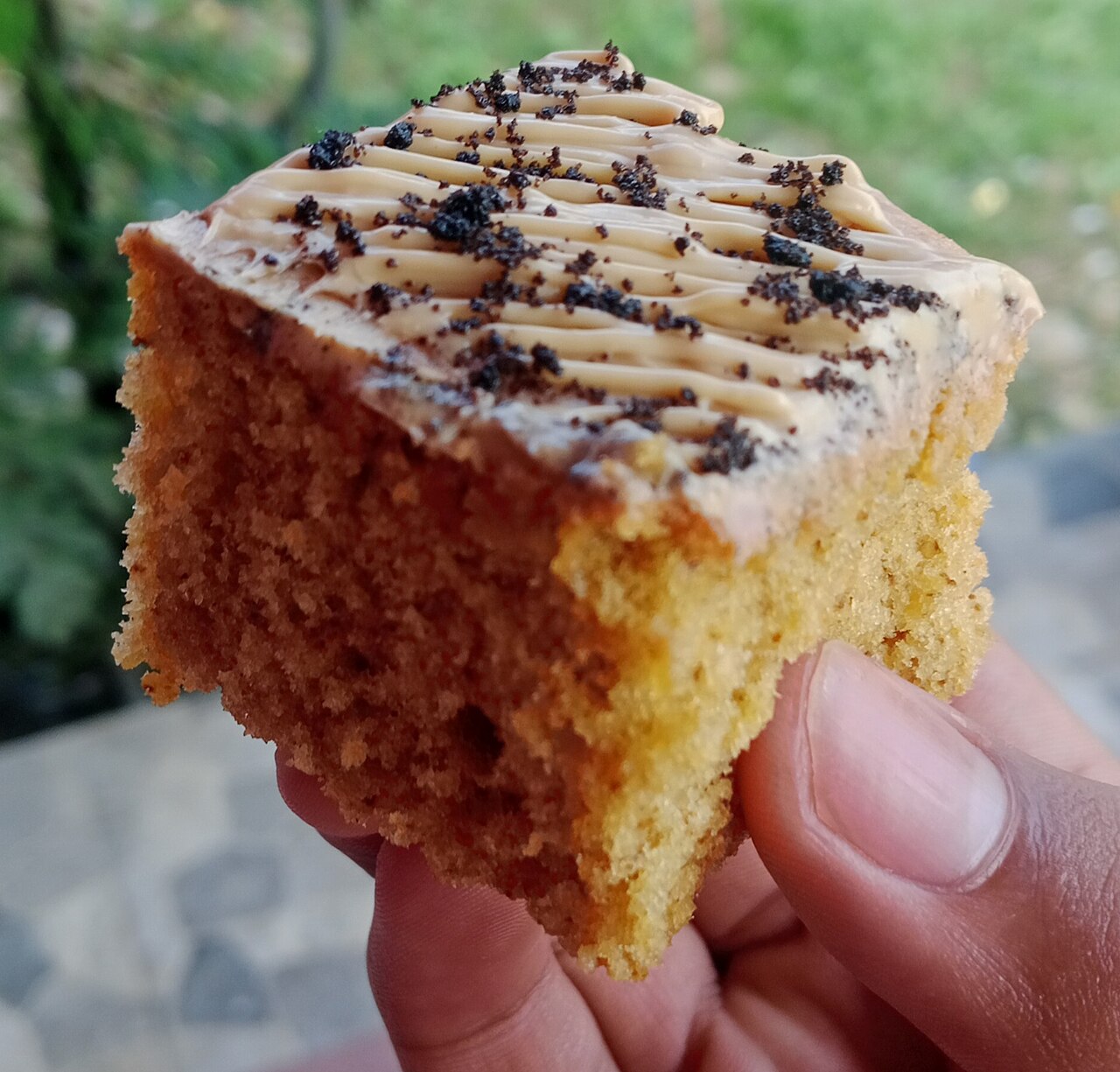
The best-known Treviso account connects tiramisu with Le Beccherie, the restaurant associated with the Campeol family and pastry cook Roberto Linguanotto. Treviso has promoted this origin strongly, and the story explains why the dessert’s name, often glossed as “pick me up,” fits a sweet built around coffee, eggs and sugar. Friuli-Venezia Giulia, however, has its own documented claims, including twentieth-century desserts with names such as “tirime su” in local hotel and restaurant settings. Rather than forcing one neat invention scene, a careful history treats tiramisu as a recipe that crystallized in a region where similar ingredients, hospitality work and postwar tastes were already in motion.
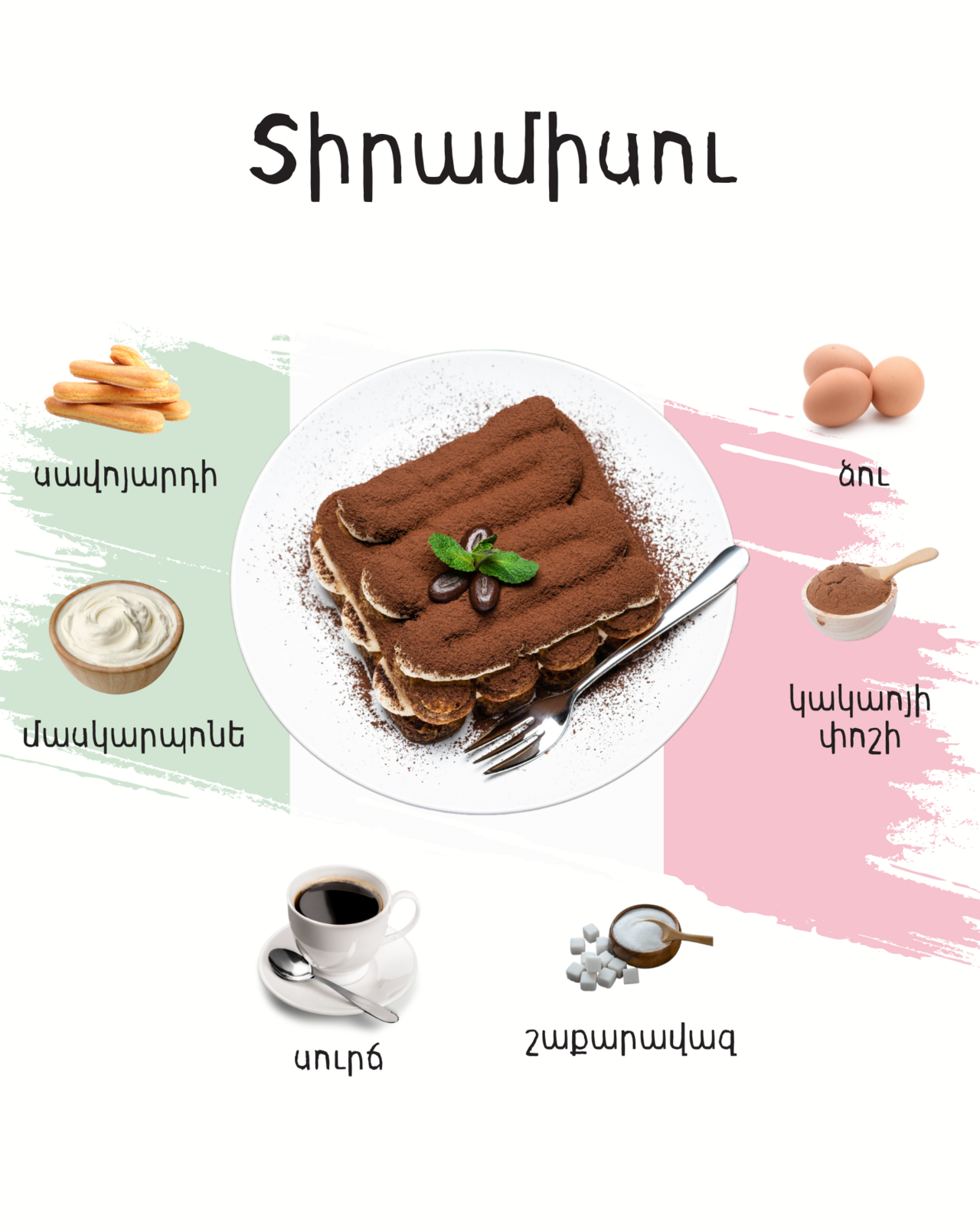
The mechanism is culinary as much as historical. Tiramisu depends on ingredients that became easy to assemble in modern northern Italy: espresso or strong coffee, packaged or bakery-made savoiardi, mascarpone, cocoa, sugar and eggs. It does not require baking after assembly, so it could move from restaurant kitchen to home kitchen and back again. The dessert is memorable because it balances contrasts: bitter coffee and sweet cream, dry biscuits and soft custard, plain cocoa and rich mascarpone. Its form is simple enough to copy and flexible enough to personalize.
Its rapid spread also says something about Italy after the economic boom. By the 1970s and 1980s, regional dishes could travel through restaurants, magazines, tourism, cookbooks and eventually supermarket products. Tiramisu offered a perfect identity: recognizably Italian, elegant but not intimidating, rich without being ceremonial, and easy to serve in a tray. Once it crossed borders, it became a global shorthand for Italian dessert even though its own history was still being argued at home.
There are limits. Recipes called by similar names do not always prove direct ancestry, and family memories can be sincere without settling a legal or scholarly dispute. Restaurant origin stories often sharpen what was probably a messier process of adaptation. It is safer to say that tiramisu emerged from a modern northern Italian food world than to present a single uncontested birthday. The protected and promotional versions of the story matter too, because they show how regions use food to defend heritage and attract attention.
For readers, tiramisu is a useful reminder that “traditional” does not always mean ancient. Some traditions become powerful because they are recent enough to be remembered, copied and loved by living people. The dessert’s charm lies in that closeness. It carries no medieval secret; it carries the twentieth century’s coffee culture, restaurant labor, family storytelling and pleasure in a spoonful that lifts bitterness into sweetness.