The Library of Life at the End of the World
Inside a frozen mountain on Svalbard, the Global Seed Vault keeps duplicate crop seeds as a practical backup for a changing planet.
Owen Pike ·
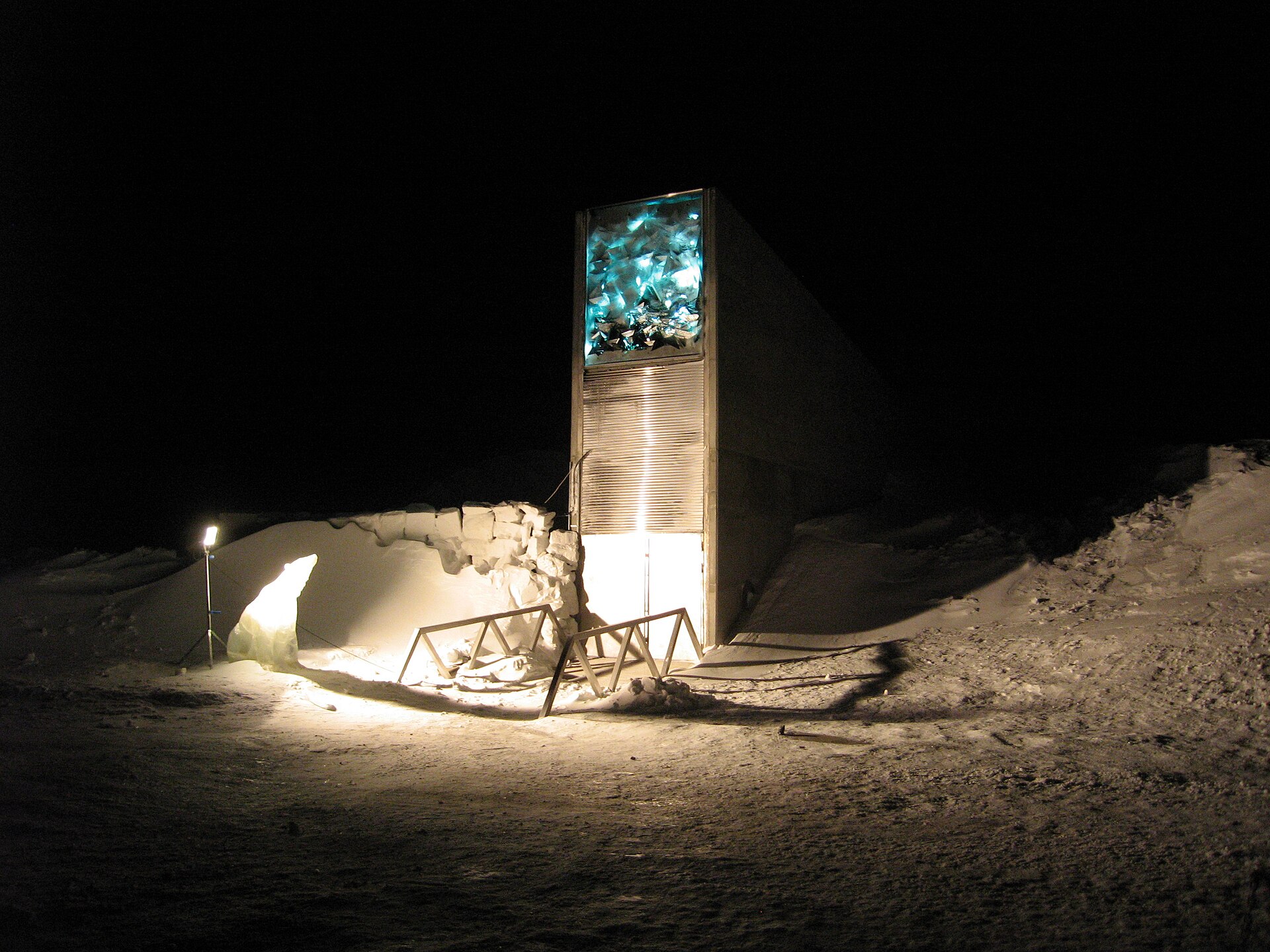
The Svalbard Global Seed Vault looks like science fiction because it is built for a very practical fear: crop diversity can disappear. Wars, floods, funding crises, accidents and slow neglect can damage the seed banks that plant breeders and farmers rely on. On a cold mountainside above Longyearbyen, far north of mainland Norway, the vault stores safety duplicates so one disaster does not erase years of patient agricultural work.
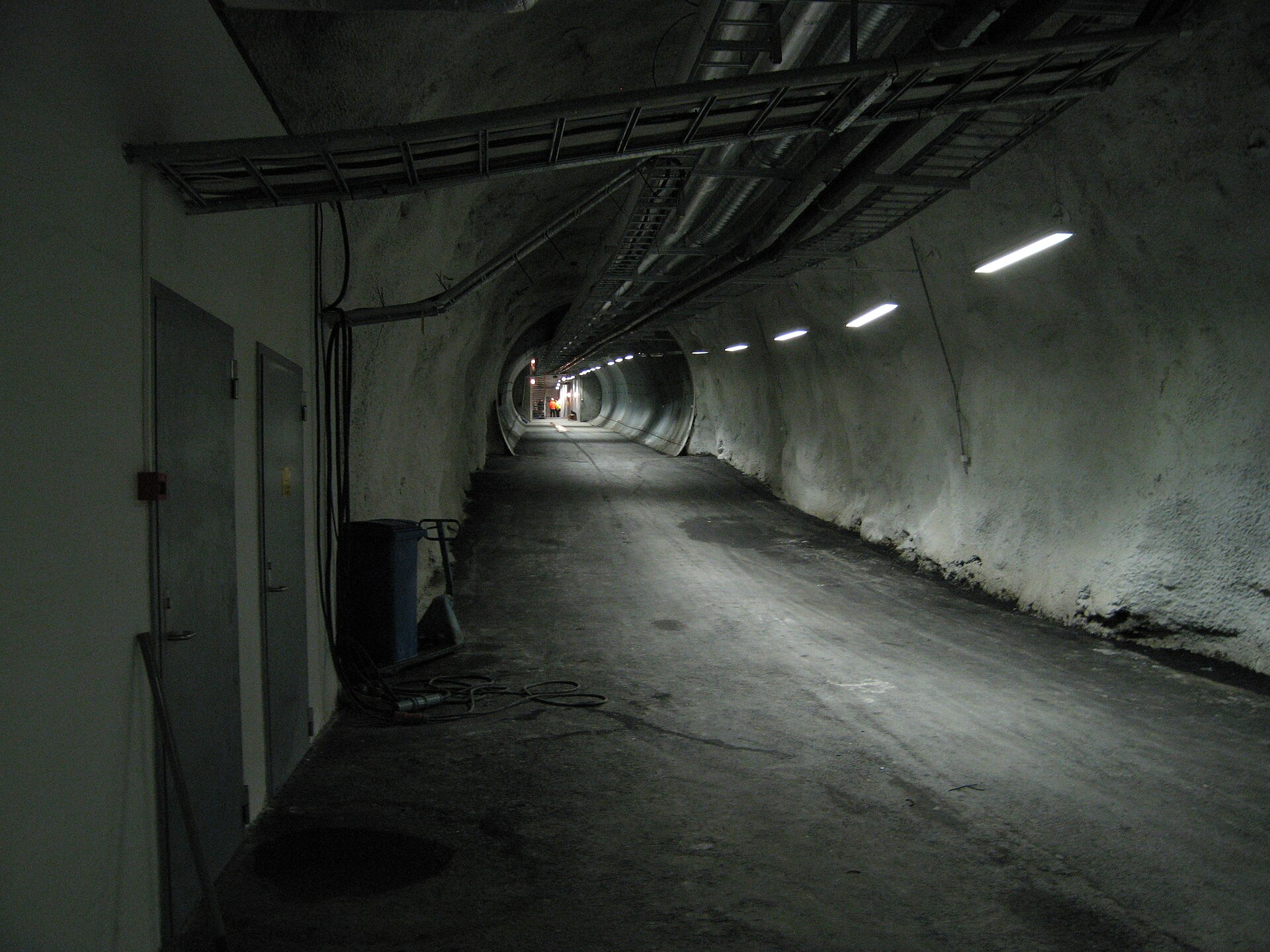
The site was chosen for its geography. Svalbard is remote, politically stable under Norwegian administration and naturally cold. The storage rooms are cut into rock and kept at about minus 18°C, the standard temperature for long-term seed conservation. Permafrost and mountain stone add passive protection, while the entrance tunnel and cooling equipment make the archive usable rather than merely symbolic. The vault opened in 2008 and operates through cooperation among Norway, the Crop Trust and the Nordic Genetic Resource Center, known as NordGen.
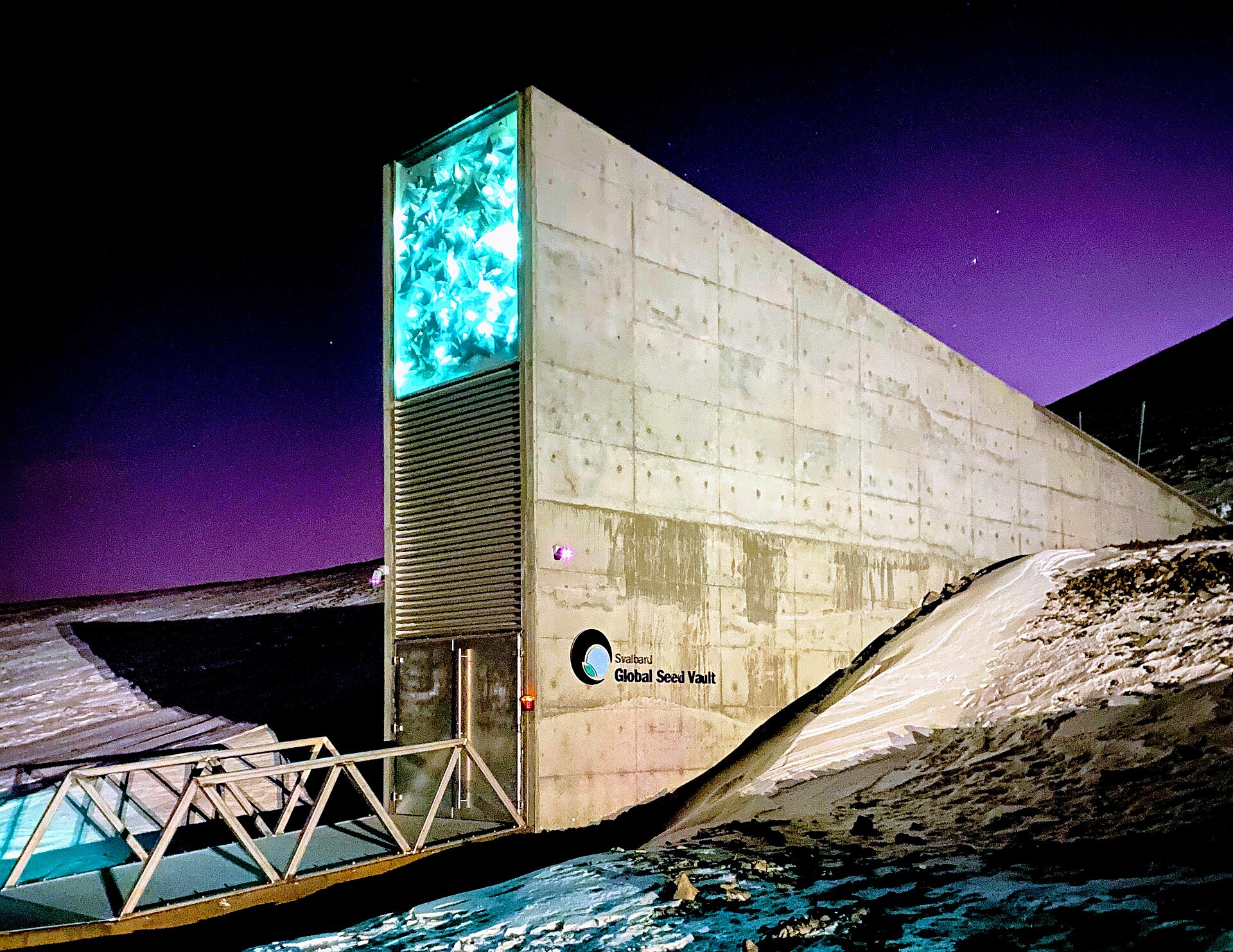
Its mechanism is deliberately simple. Genebanks around the world send sealed boxes of duplicate seeds, while keeping ownership and control over their deposits. The Svalbard vault does not breed new crops and does not distribute seed directly to farmers. It works more like a backup hard drive for the planet’s food system. If a national or regional genebank loses material, it can request its own duplicate back. That happened after the conflict in Syria disrupted the International Center for Agricultural Research in the Dry Areas; replacement seed from Svalbard helped rebuild collections used in dryland agriculture research.
The library metaphor is useful only if we remember what the books contain. A box may hold wheat that tolerates drought, beans adapted to short seasons, rice varieties selected by generations of farmers, or wild relatives that plant breeders can use when pests and heat shift. The value is not nostalgia. It is options. Climate change is moving growing zones, increasing heat stress and making rainfall less reliable in many regions. A wider genetic library gives breeders more traits to test when today’s varieties no longer fit tomorrow’s fields. That diversity is also cultural geography, because seeds often carry the choices of particular valleys, cuisines, markets and farming calendars.
The limits are just as important as the hope. Seeds must be regenerated, documented and stored well before their backup copies are useful. Some crops are not easily conserved as dry seed, and farmers also need land, rights, knowledge, markets and peace. The vault cannot solve those problems. What it can do is protect one fragile layer of resilience: the genetic memory of agriculture. At the end of the world, the point is not escape. It is keeping enough diversity alive for people elsewhere to keep planting.