Nature

The Light in the Leaves

A concrete look at photosynthesis in leaves: Calvin Cycle and NASA Earth Observatory anchor the story, while 400 nanometers and 700 nanometers show the scale readers should keep in mind.

Editorial Observer ·

The Light in the Leaves

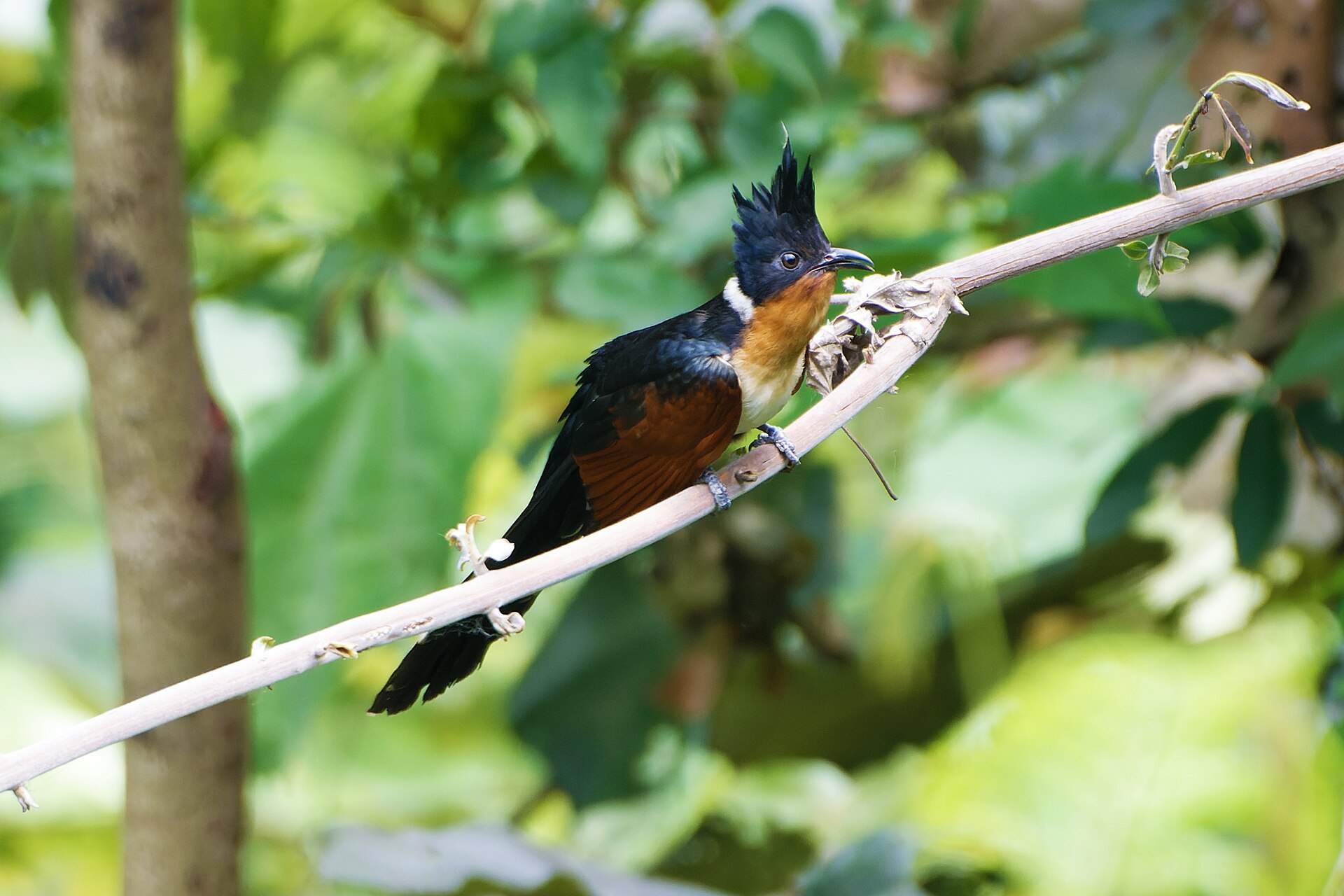
The darkness in the Amazon rainforest is not an absence of light, but a presence. It is a thick, velvety blackness that swallows sound and smothers the senses. To venture into it is to feel a primal sense of disorientation, a feeling of being utterly consumed by the forest. It was in this profound darkness that a team of researchers from the University of São Paulo made a discovery that was both startling and beautiful. They were searching for bioluminescent fungi, a group of organisms that have long fascinated scientists, but are notoriously difficult to find. One night, guided by the faint accounts of local guides, they stumbled upon a scene of otherworldly beauty. The forest floor was aglow with a soft, eerie green light. It was not the fleeting spark of a firefly, but a steady, continuous luminescence, emanating from the decaying leaves at the base of a palm tree.![Chestnut-winged Cuckoo (Clamator coromandus) a fleeting flame through the forest canopy 02. Photo: Shiv's fotografia, Wikimedia Commons, CC BY-SA 4.0](https://images.ctfassets.net/80ca4ljo2d4c/2Oyhd7KyAEN0gzi1K198EN/eeeaa05e9526ddb85b1c6f368348a066/the-light-in-the-leaves-body-1.jpg) They had found *Mycena lucentipes*, a species of mushroom so rare that it had only been documented a handful of times. The fungus itself is tiny and unassuming, a delicate cluster of brown-capped mushrooms that would be unremarkable in the daylight. But in the darkness, it undergoes a magical transformation. The stems of the mushrooms glow with a bright, steady light, a phenomenon known as bioluminescence. The researchers described the scene as a 'river of light' flowing through the forest floor. It was as if the forest was breathing in pulses of soft, green light, a secret conversation between the living and the decaying. The mechanism behind this light is a chemical reaction, a dance of molecules involving an enzyme called luciferase and a light-emitting compound called luciferin. It is the same basic process that allows fireflies to glow, and it has evolved independently in a wide variety of organisms, from bacteria to fish to fungi. But the question that has long puzzled scientists is: why? What is the evolutionary advantage of producing light in the deep darkness of the forest? For an organism that is rooted in place, it seems like a wasteful expenditure of energy. Several theories have been proposed. One is that the light attracts nocturnal animals, which then help to disperse the mushroom’s spores. This 'attraction of dispersers' hypothesis is supported by many bioluminescent fungi are most active at night. Another theory is that the light acts as a warning signal to predators, a way of saying “I am poisonous, do not eat me.” This is plausible, as many glowing fungi are indeed toxic. But for *Mycena lucentipes*, the answer may be even stranger.![Chestnut-winged Cuckoo (Clamator coromandus) a fleeting flame through the forest canopy 03. Photo: Shiv's fotografia, Wikimedia Commons, CC BY-SA 4.0](https://images.ctfassets.net/80ca4ljo2d4c/2EMlMWpSV1SSmPOqB4QnUT/8059bb1810d4f9512d92209d001e1385/the-light-in-the-leaves-body-2.jpg) The researchers in Brazil conducted a series of clever experiments to test these hypotheses. They created artificial mushrooms made of acrylic resin, some of which were lit with green LEDs to mimic the glow of the fungus. They found that the glowing mushrooms attracted a far greater number of insects than the dark ones. But these were not the kind of insects that would be good at dispersing spores. They were mostly ants, beetles, and other crawlers, which are not known to be effective spore vectors for fungi. The mystery deepened. The current thinking is that the light may have a more subtle, indirect function. It may attract the predators of the things that eat the fungus. In other words, the fungus is using light to call for bodyguards. By attracting insects that prey on fungus-eating invertebrates, the mushroom can protect itself from being consumed. It is a wonderfully complex ecological strategy, a multi-trophic interaction that is only possible in the intricate web of life in the rainforest. To see this phenomenon firsthand is a profound experience. It is to witness a form of communication that is utterly alien to us, a language of light that has been evolving for millions of years. It is a reminder that the forest is not just a collection of trees and animals, but a complex, interconnected system of information and energy flow. The light in the leaves is not just a beautiful spectacle; it is a important part of this system, a signal in the darkness that has a profound impact on the life around it. As the Amazon rainforest faces increasing threats from deforestation and climate change, we are in danger of losing not just species, but entire ecological narratives, stories like that of *Mycena lucentipes*. We are extinguishing lights that we are only just beginning to understand. The discovery of this rare fungus is evidence of how much we still have to learn about the natural world, and a powerful argument for its preservation. In the deep, dark heart of the forest, there are still wonders waiting to be discovered, silent, luminous secrets that can illuminate our own understanding of life on this planet.

The limit is scale. A field observation can change what scientists look for, but protection usually needs repeated monitoring, habitat data and patience across seasons.

A more useful way to read this story is through photosynthesis in leaves, with concrete scale attached. Calvin Cycle, NASA Earth Observatory, University of Illinois and chlorophyll give the subject real geography and evidence rather than a floating mood. The numbers matter too: 400 nanometers, 700 nanometers and 6 molecules mark size, time or dose, so the reader can see what is being compared.

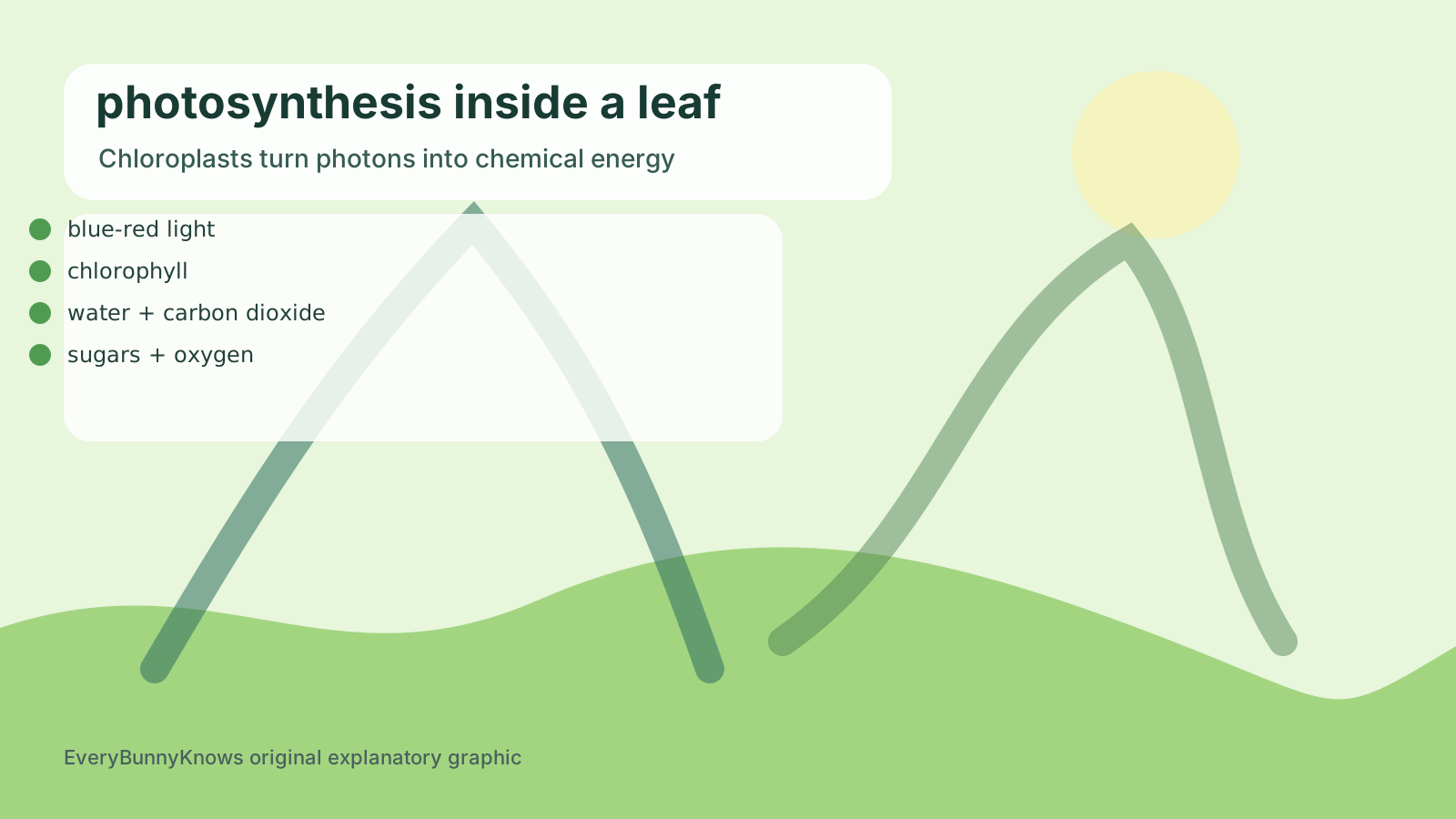
The mechanism is specific. Leaves turn light into stored chemical energy by moving electrons, splitting water and fixing carbon dioxide into sugars. That process works because small changes are measured against a baseline, then tested in a place where weather, people, materials or biology can push back. It is the difference between a pleasant claim and a useful explanation.

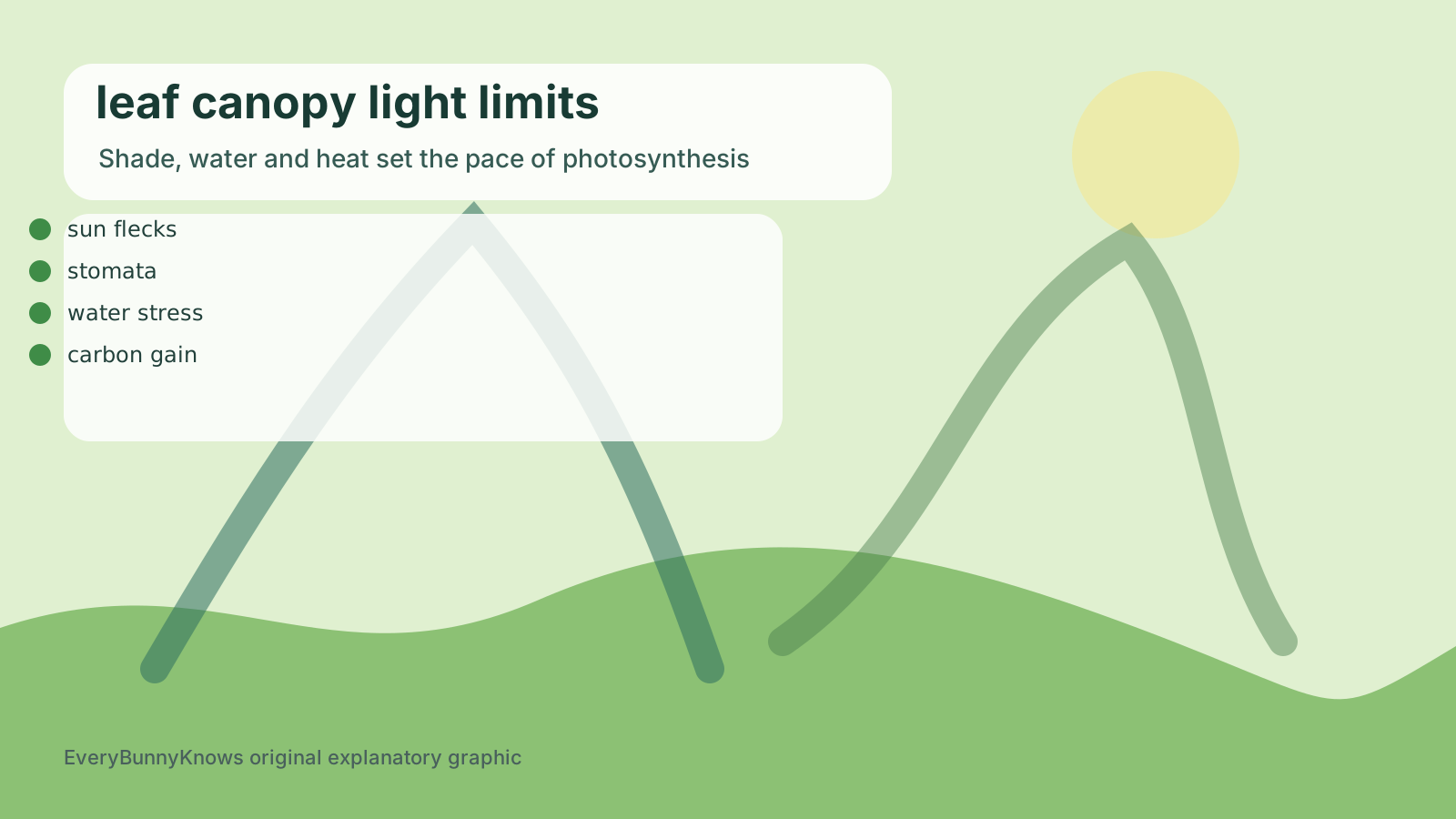
The limit is stress: heat, drought and nutrient shortages can close stomata and reduce photosynthesis even under bright sunshine. A careful reader should therefore ask what was measured, where the observation happened, how many cases were included, and what would count as failure. That honest boundary is what makes the hopeful part stronger: the next step is not hype, but better measurement and better decisions.