The most iconic bridges in Europe
Europe’s famous bridges are not just postcard views; they are lessons in river geography, trade, materials, repair and the public life that grows around a crossing.
Tereza Field ·
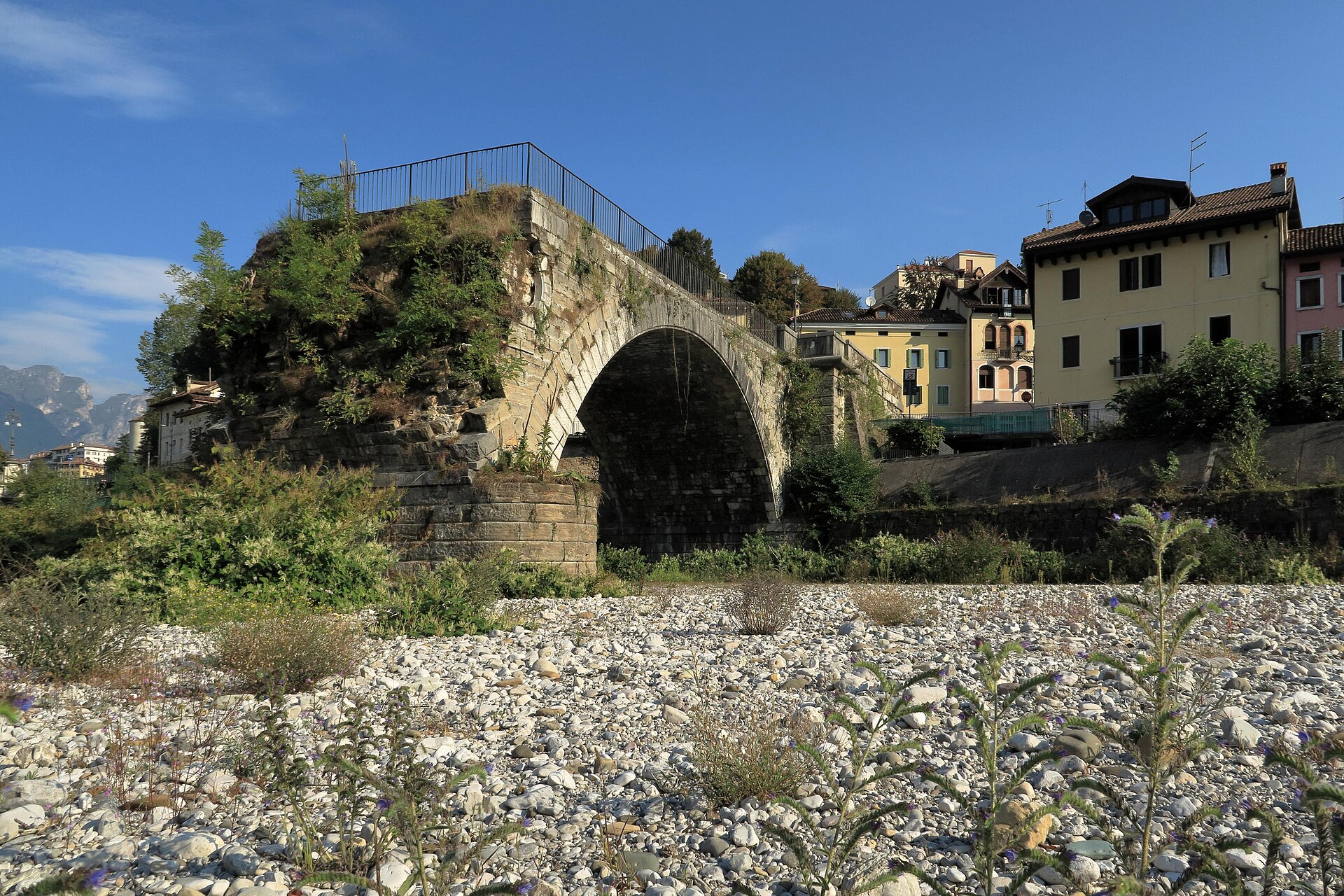
A bridge looks simple from a distance: two banks, one crossing. The best European bridges prove that a crossing is also a political decision, an economic tool and a civic room suspended over water. Charles Bridge, Tower Bridge, the Ponte Vecchio, the Pont du Gard and the Millau Viaduct belong to different centuries, yet each shows how societies solve the same problem with the materials, ambitions and risks of their time.
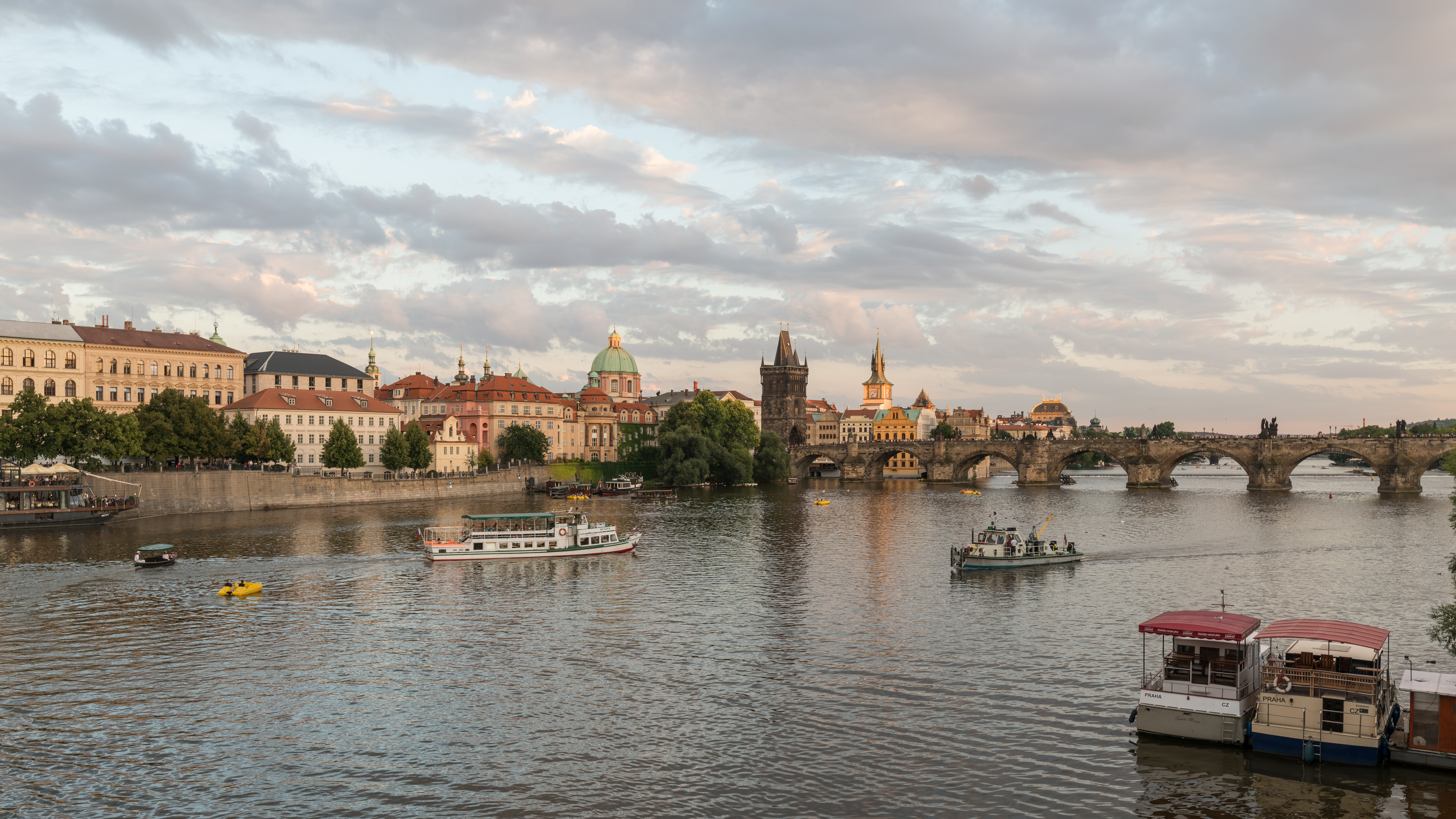
Prague’s Charles Bridge was founded in 1357 under Charles IV and built from sandstone blocks across the Vltava. Its value was strategic as well as beautiful: it linked Old Town with Malá Strana and Prague Castle, concentrating trade, processions, defense and daily movement on a durable stone route.
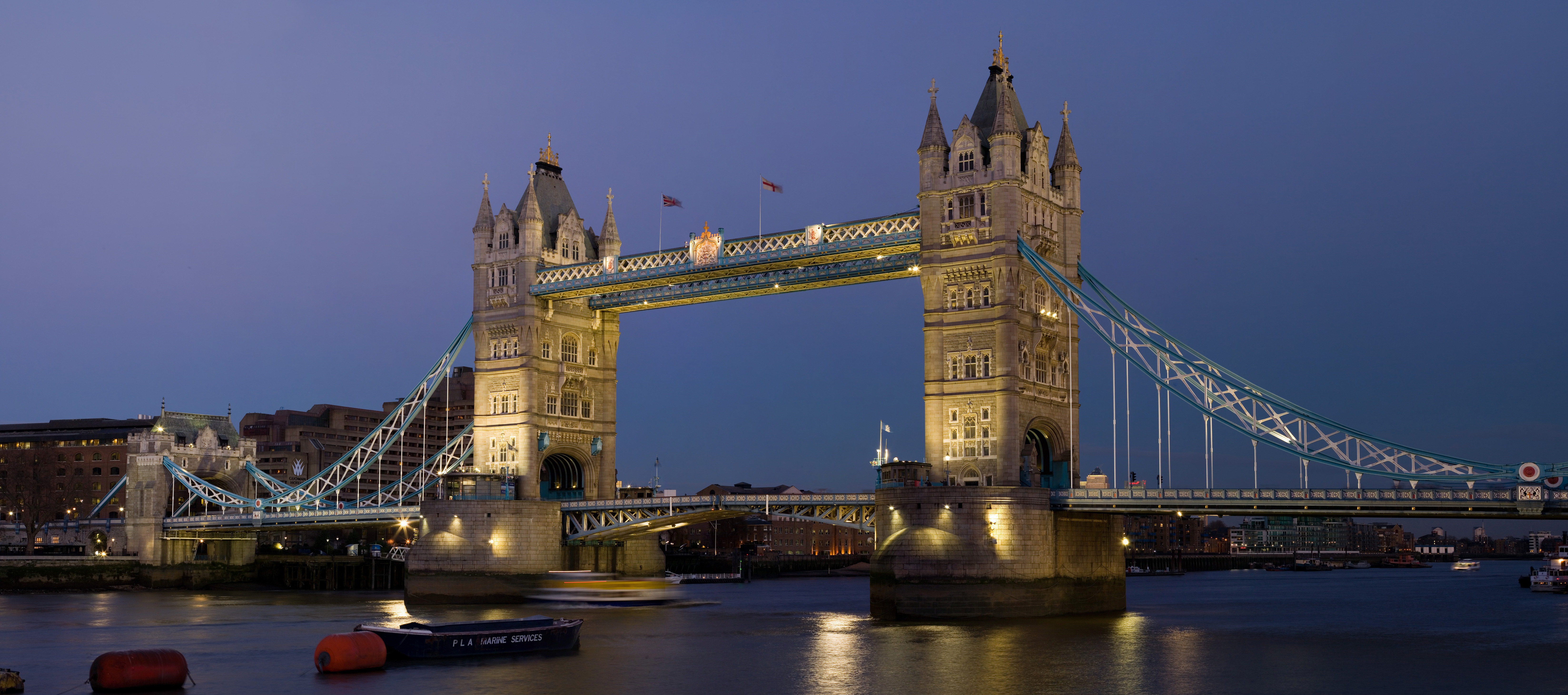
London’s Tower Bridge opened in 1894 as a combined bascule and suspension bridge. The bascules could lift for ships while the high walkways and side spans carried road traffic. It is iconic because it solved a conflict created by a working port: London needed a road crossing, but the Pool of London still needed tall-masted vessels to pass.
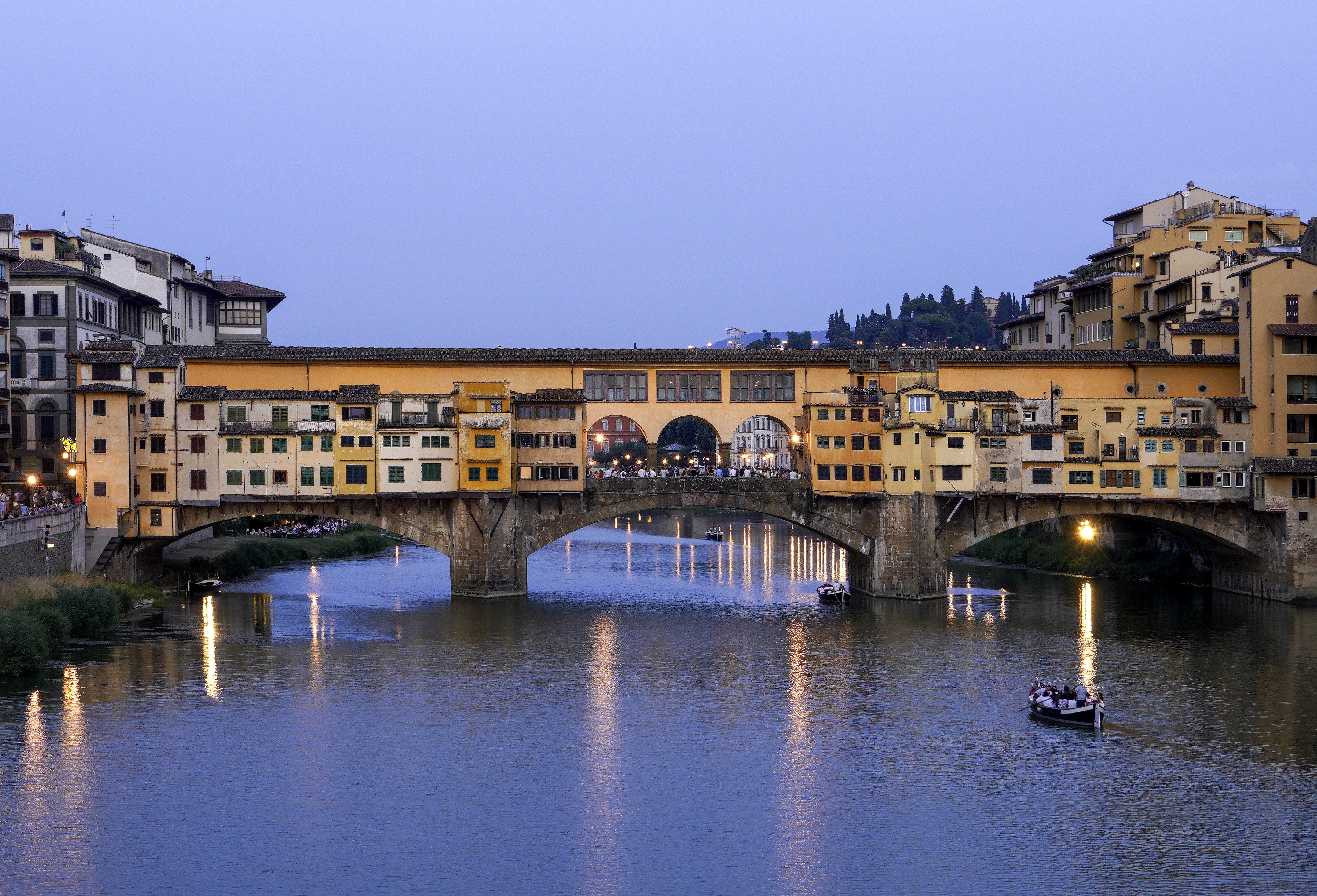
Florence’s Ponte Vecchio is famous for its shops, but that commercial life is part of the engineering story. Rebuilt in stone in 1345 after earlier wooden bridges were destroyed by floods, it uses segmental arches over the Arno. The bridge became a market street, showing how infrastructure can carry both movement and livelihood.
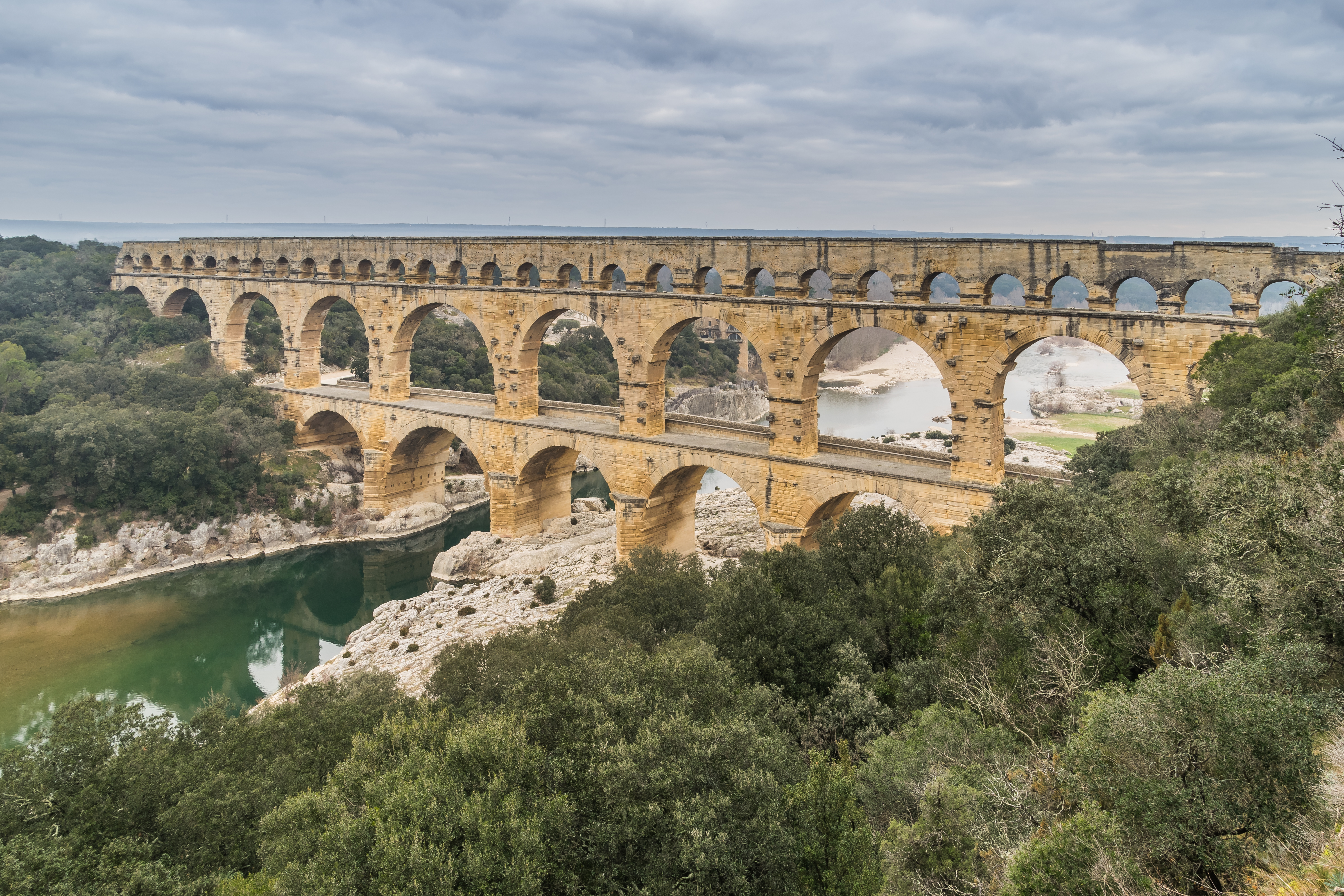
The Pont du Gard in southern France, built by Roman engineers in the first century CE, is not a road bridge in the modern sense but an aqueduct bridge. Its stacked arches carried water toward Nîmes with a carefully controlled gradient. It remains a lesson in precision: gravity was the pump, and stone geometry made the pump reliable.
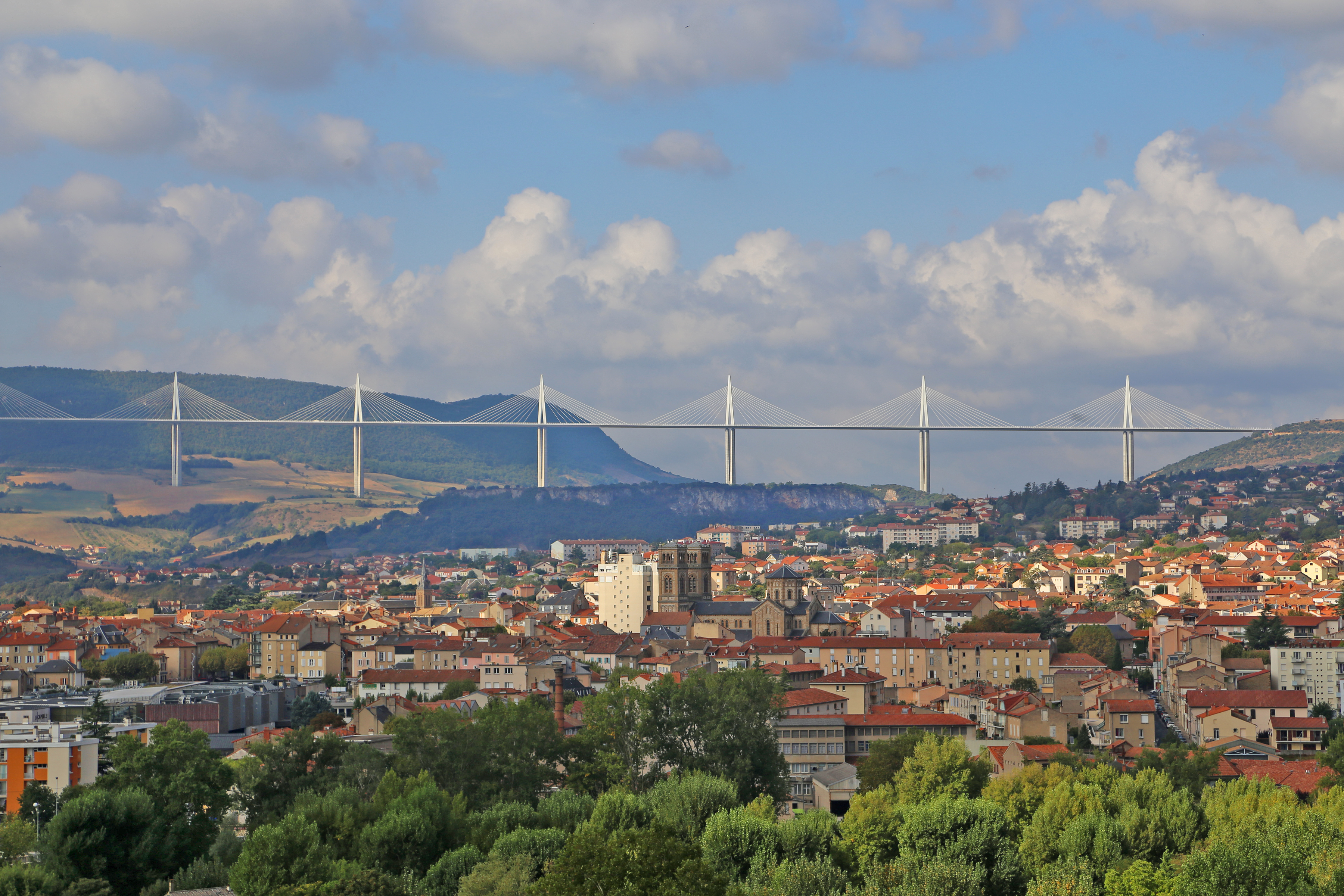
The Millau Viaduct in France, opened in 2004, shows the opposite end of the timeline. A cable-stayed bridge over the Tarn valley, it reaches 343 meters at the top of its tallest mast, making it one of the world’s tallest bridge structures. Its elegance comes from reducing the footprint in a dramatic landscape while carrying a major motorway.
What makes these structures iconic is not size alone. Each changed the geography around it. Charles Bridge concentrated movement across the Vltava and helped bind Prague’s Old Town to Malá Strana. Tower Bridge solved a different problem: it let road traffic cross the Thames while its bascules could still lift for tall ships serving the busy Pool of London. The Ponte Vecchio turned a crossing into a commercial street, proving that infrastructure can also be urban frontage. Pont du Gard shows the Roman version of the same principle at landscape scale, carrying water through a precise gradient rather than people across a river. Millau, by contrast, was built to lift long-distance traffic above the Tarn valley and relieve a bottleneck below.
The limits are part of the story. Famous bridges need constant inspection, masonry repair, traffic management and flood awareness. Their postcard identity can hide the labour that keeps them open, and tourism can crowd the very public spaces that made them beloved. Reading them as geography makes them more interesting: they are not isolated monuments, but durable negotiations between rivers, trade, technology and daily life.