The most iconic routes in Italy
Italy’s iconic routes are more than beautiful journeys: Roman roads, alpine passes, coastal drives and railways reveal how geography, trade, maintenance and engineering shaped public life.
Noah Circuit ·
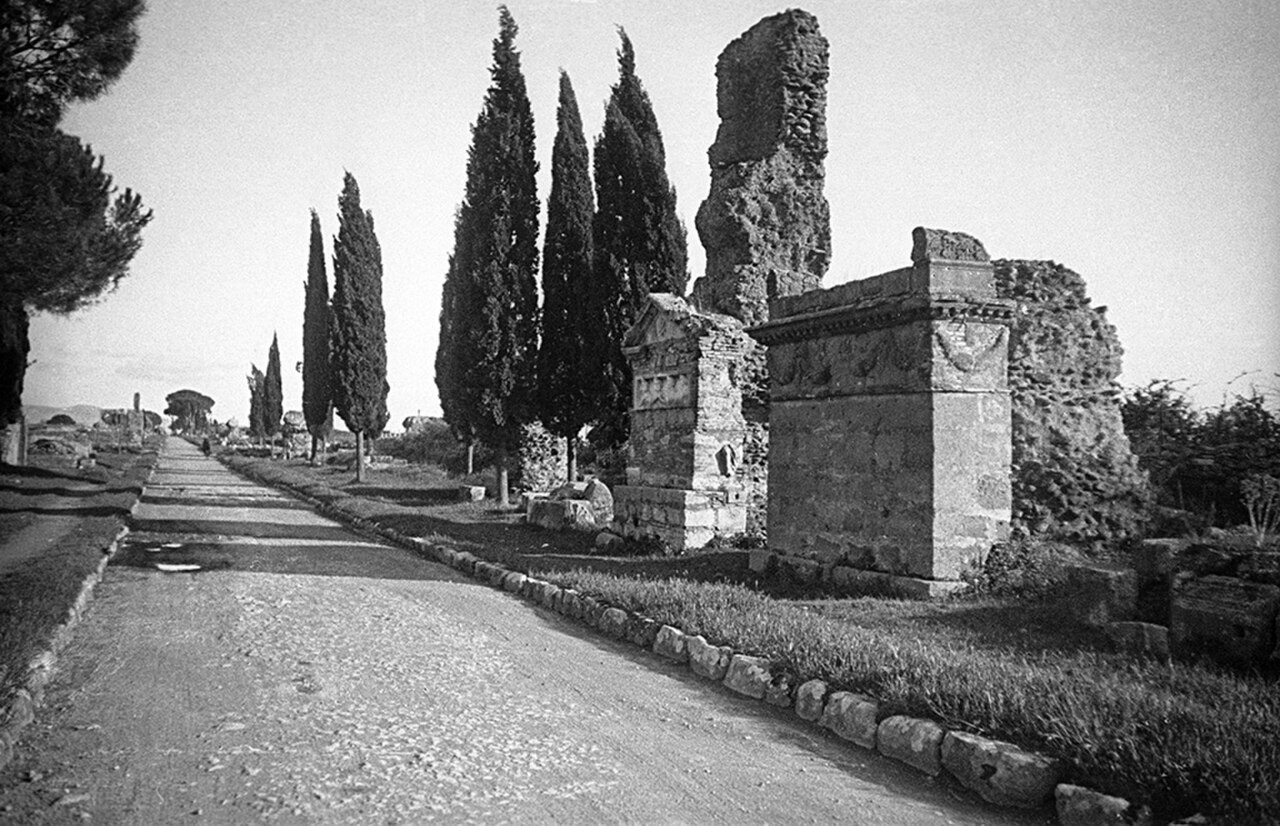
Italy is often experienced as a sequence of routes: a road between cypresses, a pass climbing into snow, a train curving along the sea, a stone line that once carried legions and merchants. The most iconic routes are not only scenic. They explain how a long peninsula stitched together mountains, ports, farms, empires, pilgrimages and modern tourism. The Via Appia, begun in 312 BCE under the censor Appius Claudius Caecus, linked Rome southward toward Capua and later Brindisi. Called the regina viarum, the queen of roads, it was built for military movement but also carried trade, administration and cultural exchange. Its straight segments and durable paving made geography serve the state.
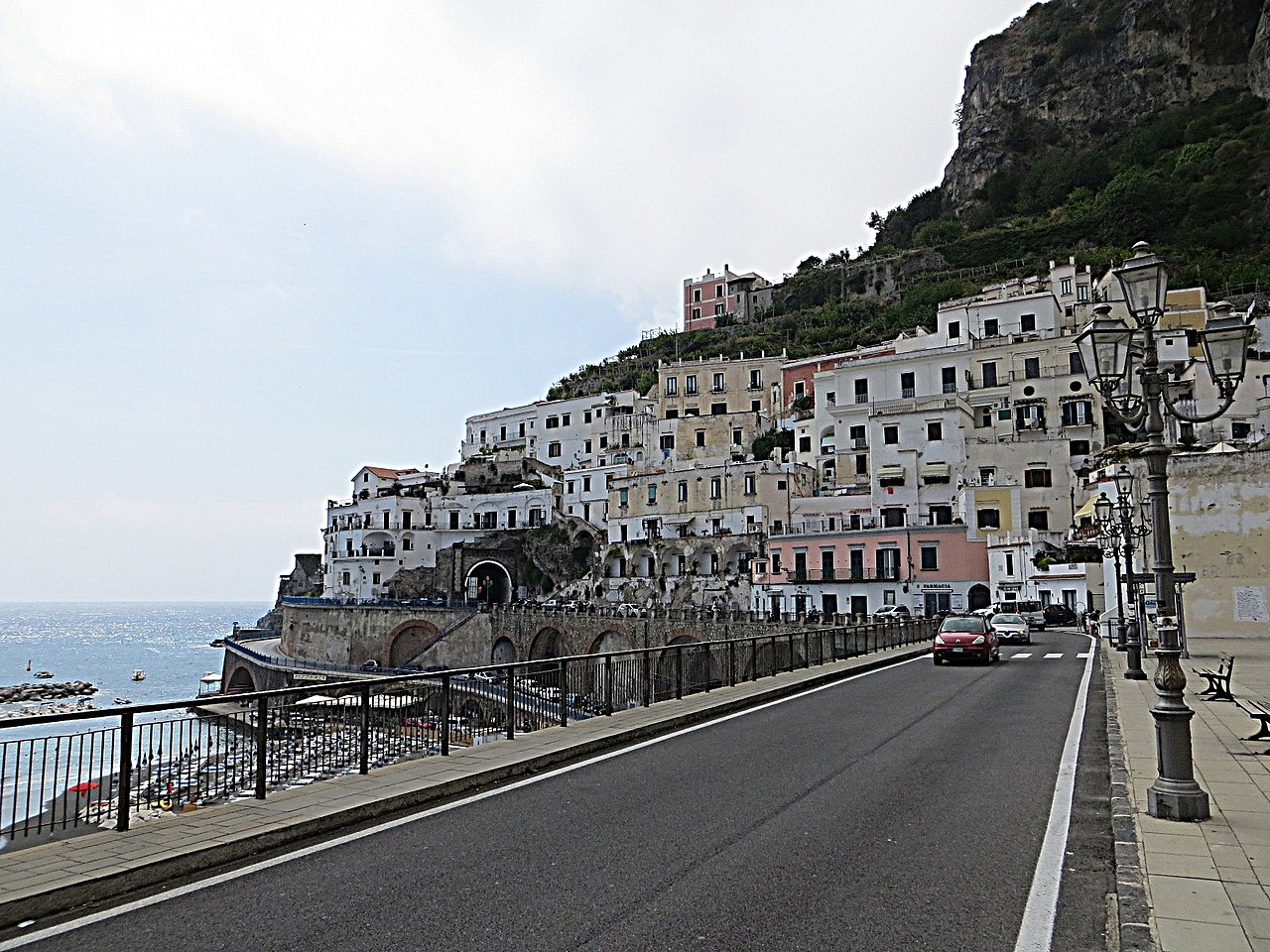
 The Amalfi Coast road, today’s Strada Statale 163, was completed in the nineteenth century and follows cliffs between Sorrento and Salerno. Its beauty comes with engineering difficulty: narrow curves, unstable slopes, villages stacked above the sea and constant tension between local life and visitor traffic.
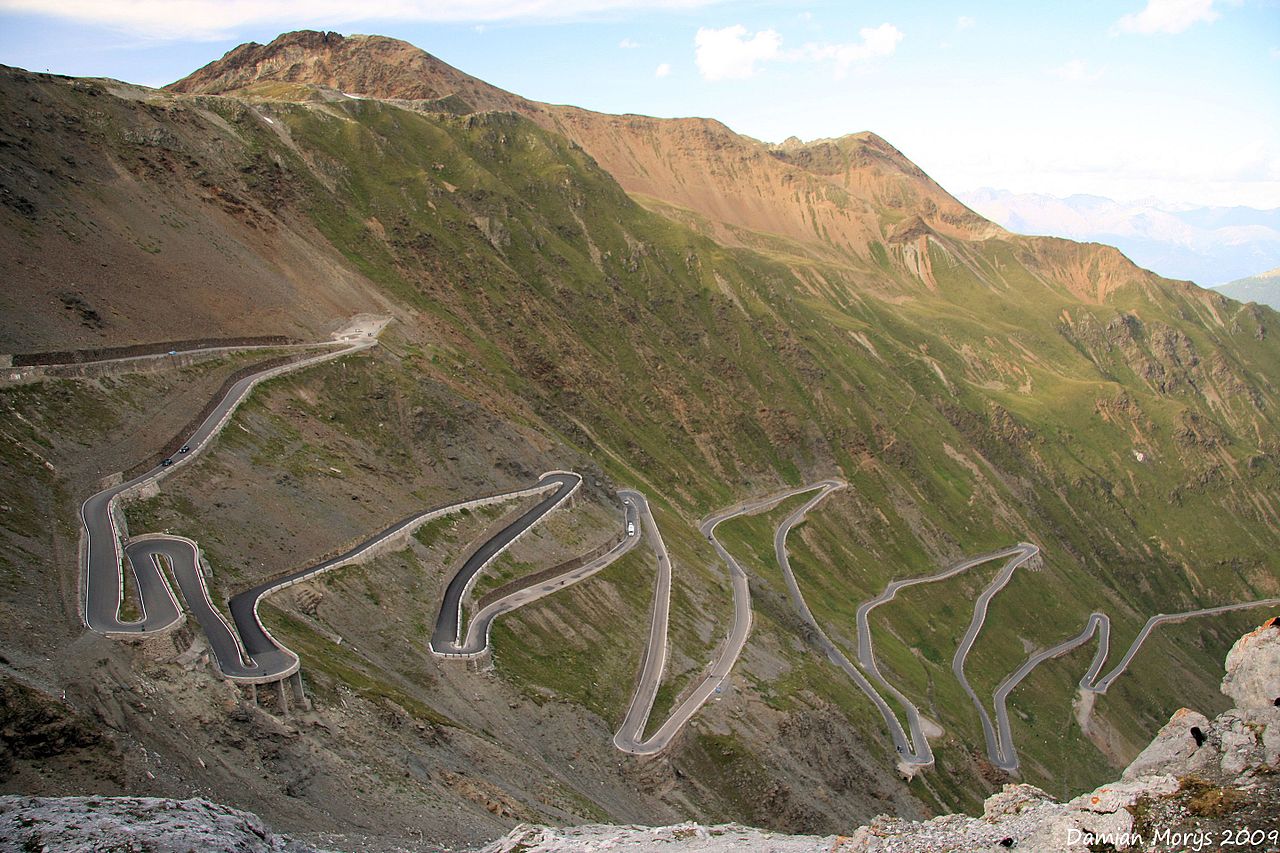
 The Stelvio Pass in the Alps rises to 2,757 meters and is famous for its tight hairpins. Built in the early nineteenth century under the Austrian Empire to connect Lombardy with the Tyrol, it shows how mountain roads are political instruments as well as adventures. A pass decides who can move goods, soldiers and ideas across a natural barrier.
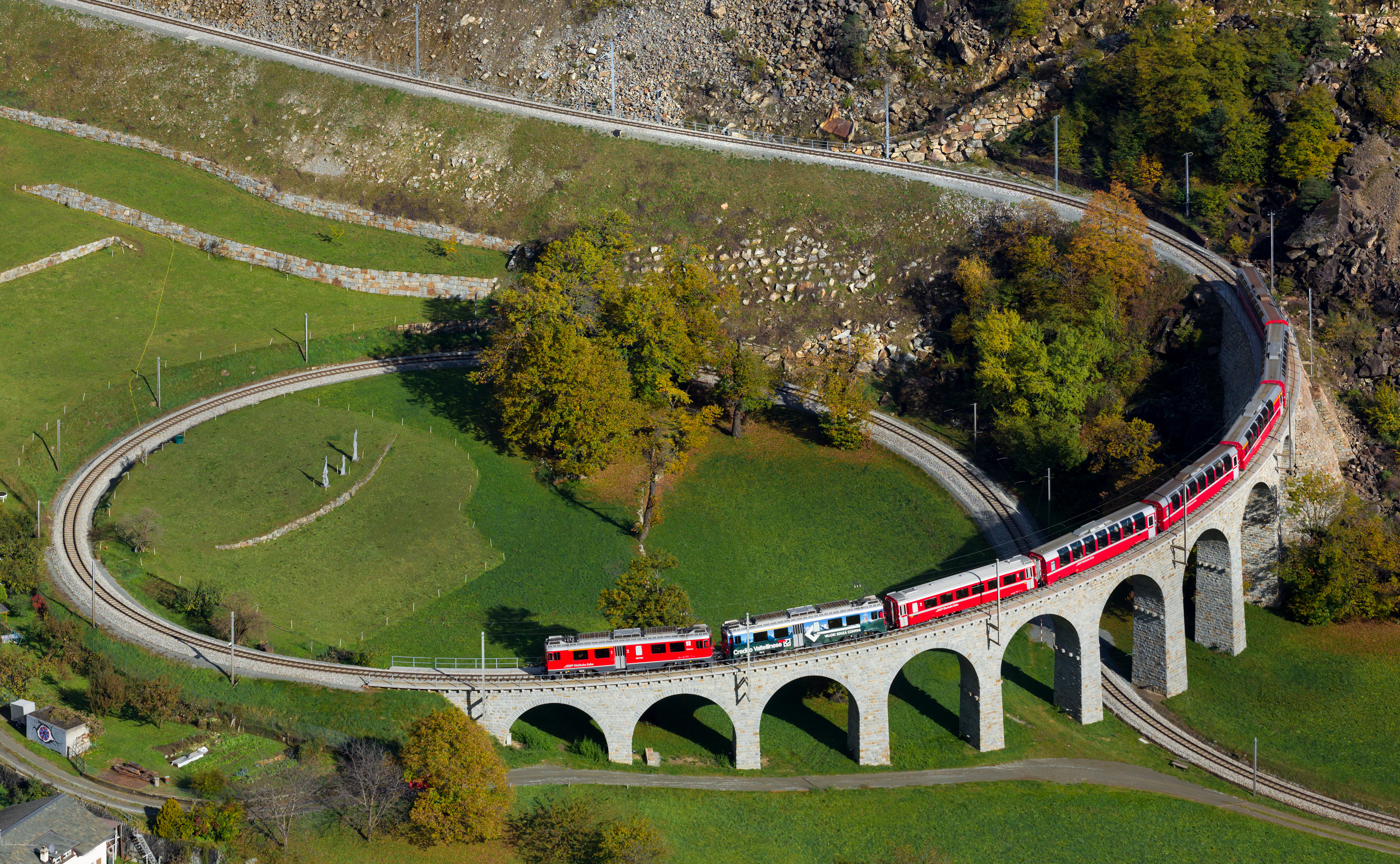
 The Bernina railway, connecting Tirano in Italy with St. Moritz in Switzerland, is part of a UNESCO World Heritage route. It climbs without a rack system through spirals, viaducts and dramatic gradients. The line proves that railway engineering can make high mountains accessible while still respecting the scale of the landscape.
 Italy’s great routes also ask for responsible travel. A beautiful road can be overwhelmed by cars; a historic path can erode under unmanaged footfall; an alpine route can become dangerous in weather. The better lesson is to move slowly enough that the route remains a place, not just a backdrop for passing through.
The routes also show that Italy’s famous scenery is maintained, not simply found. Ancient paving survives because archaeologists, park authorities and municipalities decide what to conserve and how people may walk on it. Coastal roads need slope monitoring, walls, drainage and traffic rules when buses, residents and delivery vans meet on a ledge above the sea. Alpine passes depend on snow clearance and seasonal closures; railways depend on bridges, tunnels and timetable discipline. The icon is therefore the visible part of a quieter system of upkeep, funding and seasonal judgement.
Reading the routes together also prevents a romantic mistake. The Via Appia, the Amalfi road, Stelvio and the Bernina line were not built for the same kind of traveller. One served Roman state power, one opened a difficult coast, one crosses a high military and tourist landscape, and one turns engineering precision into everyday rail access. Their shared lesson is that movement always has a geography: who can pass, what must be paid for, which risks are accepted, and which communities live with the consequences after the photograph is taken.