What a “Parliament” of Crows Is Really Saying
Crow gatherings are not courts or omens. In species such as the American crow, communal roosts, alarm calls and long memory for dangerous faces show how social learning helps a flexible bird survive around people.
Klára Novák ·
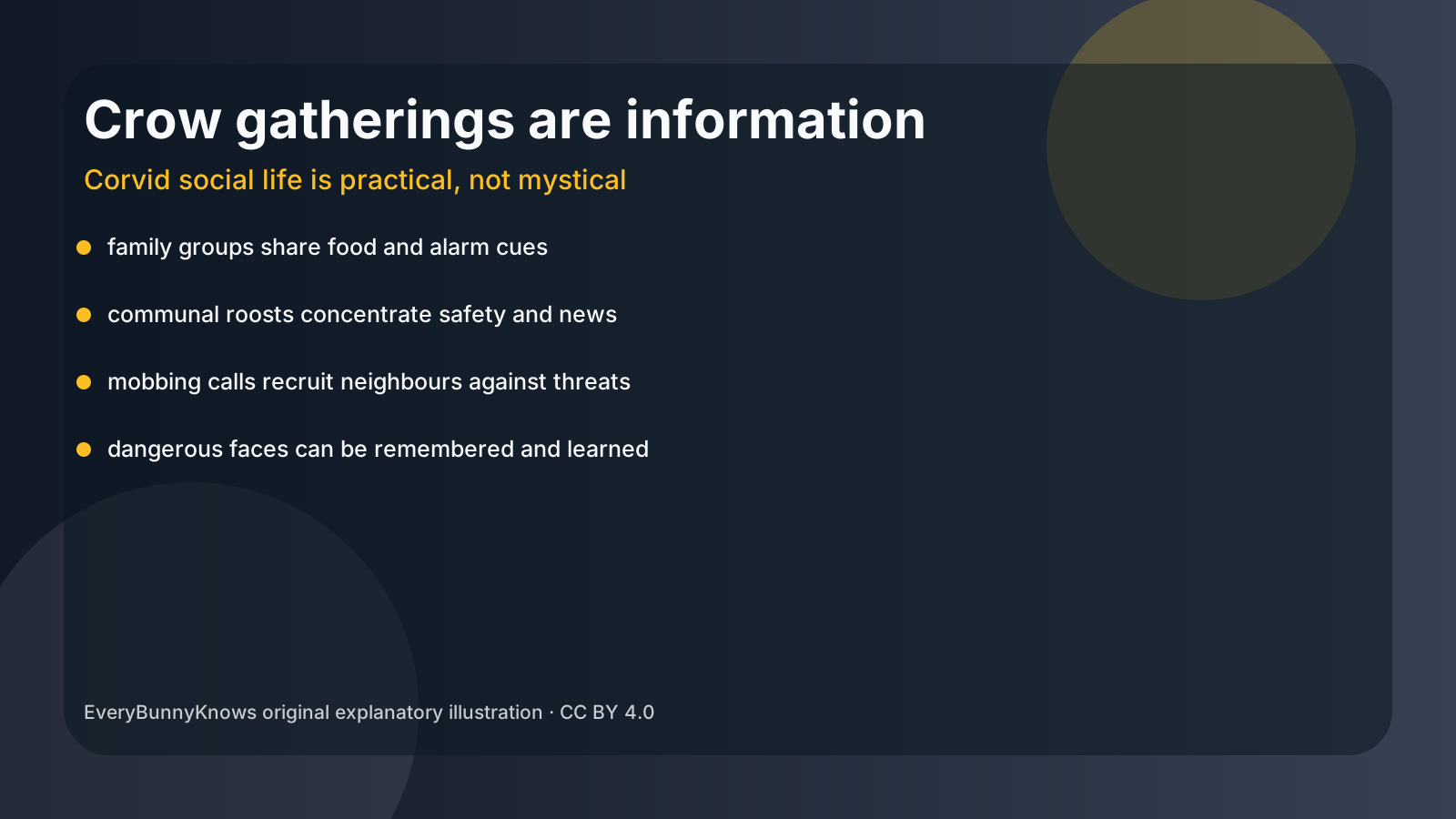
The phrase “a parliament of crows” is memorable, but it can mislead. Crows do not gather to pass laws, hold trials or deliver omens. What they do is more useful to understand: they exchange information in a flexible social system. In well-studied species such as the American crow, Corvus brachyrhynchos, family groups, alarm calls, mobbing and communal roosts help birds survive in landscapes shared with people.
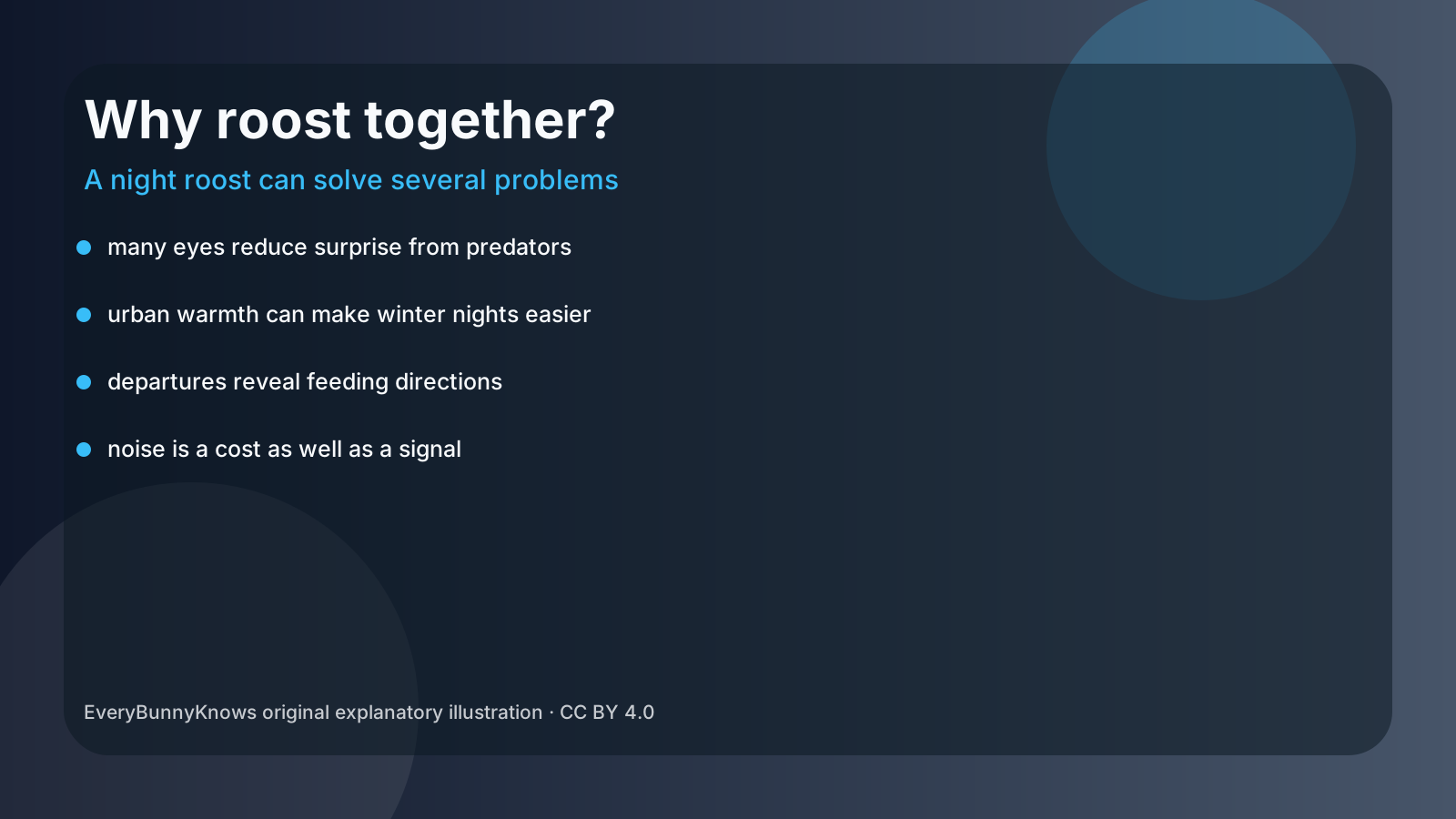
A winter roost can look theatrical because hundreds or thousands of birds may arrive from different feeding areas near dusk. The mechanism is practical. Many eyes reduce the chance that an owl or other predator surprises a single sleeper. Urban sites may be warmer and better lit than open countryside. Morning departures can also reveal where successful birds are heading to feed. The noise, droppings and crowding are real costs, which is why roosts can become a conflict in towns, but the gathering itself is not random.
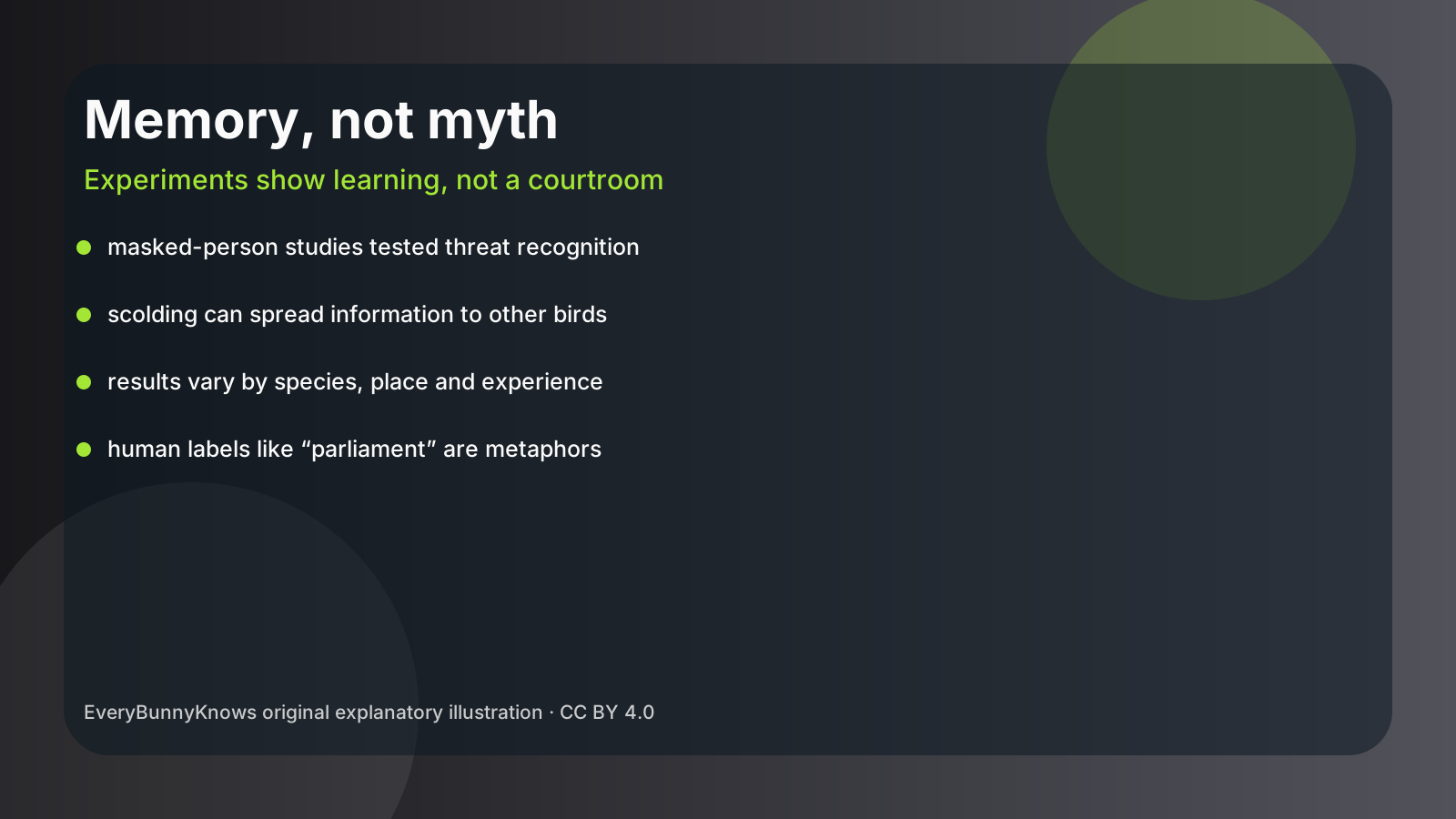
Crows also use sound as a public warning system. When one bird detects a hawk, owl, cat or threatening person, harsh calls can recruit others to mob the danger. Mobbing is risky, yet it can drive a predator away and teach younger or less experienced birds what to avoid. Experiments from the University of Washington famously showed that crows could remember human faces associated with capture and that scolding responses could spread to birds that had not been trapped themselves. That is social learning, not folklore.
The family side matters too. American crows often live in cooperative family groups in which grown offspring may remain with parents and help feed nestlings. That arrangement gives young birds time to learn food sources, territory boundaries and dangers. It also means that a crow on a wire is rarely just an isolated individual. It may be part of a local network of relatives, neighbours and competitors that remember places and events.
Food is part of the network. Crows are omnivores: they eat insects, grain, fruit, carrion, eggs, nestlings and human leftovers when available. In a city, that flexibility can look like mischief, but it is also a reason corvids have done well around farms, roads and suburbs. A bird that can learn bin schedules, traffic patterns and which humans are harmless has a different survival toolkit from a specialist tied to one food or habitat. Intelligence here is not a party trick; it is ecological insurance.
There are limits. “Crow” covers several Corvus species, and a rookery in Europe, an American crow roost in Seattle and a house crow gathering in an Asian city are not the same system. Laboratory and field experiments test specific behaviours under specific conditions. They do not prove that crows have human language, courts or moral judgement. The safest interpretation is still impressive: these birds combine memory, attention and social cues in ways that let them adapt quickly.
The hopeful lesson is one of coexistence. If crows learn from us, then our behaviour becomes part of their environment. Consistent waste management, protected nesting trees, thoughtful roost deterrence and tolerance for ordinary urban wildlife can reduce conflict without treating intelligent birds as enemies. The “parliament” is a metaphor; the real conversation is happening every day in calls, glances, departures and returns above our streets.