The Silent City: what Cahokia’s empty mounds still tell us
Cahokia near today’s St. Louis was once a major Mississippian city; its quiet mounds show how urban power, ritual, trade and environment could rise and unravel.
Felix Arden ·
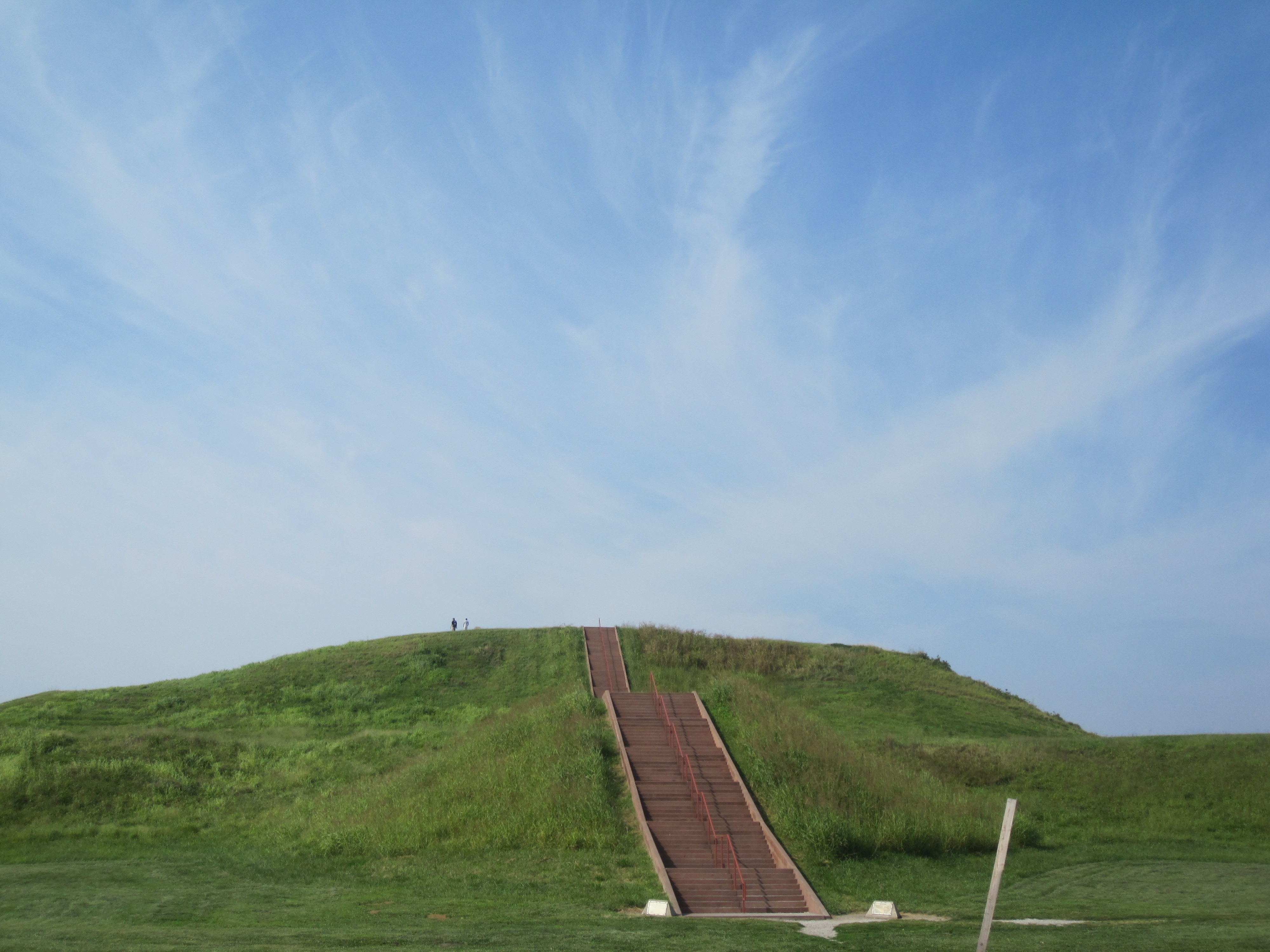
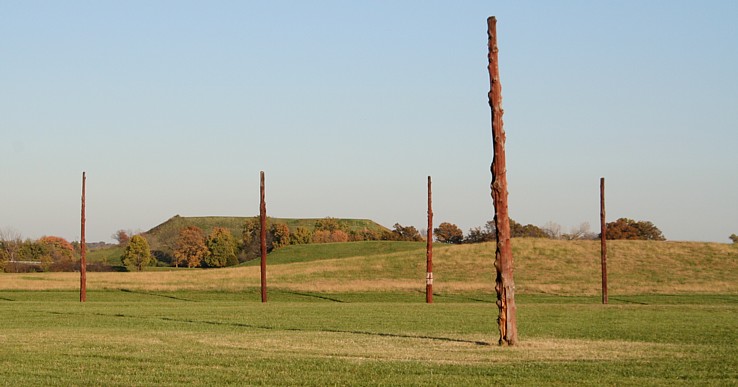
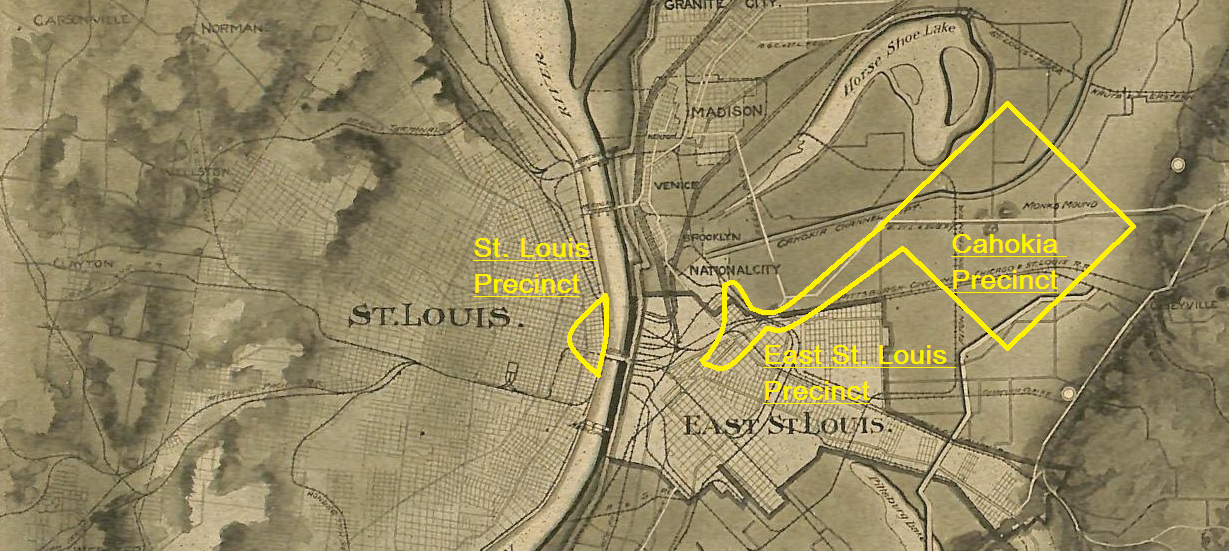
Cahokia is quiet now: grass, paths, reconstructed posts and great earthen mounds rising from the American Bottom near the Mississippi River. Around 1050 to 1200 CE, however, this place near present-day St. Louis was the largest known urban centre north of Mexico. Monks Mound, its central platform, still stands as the most visible sign of a city that gathered labour, food, ritual authority and long-distance exchange on a scale that surprises anyone who imagines pre-Columbian North America as only scattered villages.
The silence is misleading. Cahokia was a planned and changing landscape. Its plazas, mounds, palisades, house clusters and astronomical alignments show deliberate construction. Archaeologists link the city to the Mississippian culture, maize agriculture and a political-religious order that could mobilise thousands of people to move earth basket by basket. Objects found in and around the site point to connections across the Midwest, the Southeast and beyond. Shell, copper, stone, ceramics and symbolic designs moved through networks that were social as much as economic. The city was not a modern metropolis, but it was urban in the historical sense: dense, organised, unequal, ceremonial and dependent on hinterlands.
Why Cahokia declined remains a careful question rather than a single solved mystery. Older explanations sometimes imagined invasion or sudden collapse. Current research is more nuanced. Flooding, drought, pressure on wood resources, political strain, disease, conflict, changing beliefs and migration may all have mattered at different moments. Environmental evidence suggests that the Mississippi floodplain could be both fertile and risky. Social evidence suggests that centralised authority may have become harder to maintain. A city built by concentration can also be weakened by concentration when harvests, legitimacy or labour obligations begin to fail.
The limits matter because Cahokia was not a vanished riddle waiting for an outsider to solve. It sits within Indigenous histories, and descendant Native nations have their own relationships to the broader Mississippian world. Archaeology can measure postholes, soil layers, diet and trade goods, but it cannot turn every mound into a complete biography. The most respectful reading is also the most interesting one: Cahokia was a human experiment in city-making, power and meaning. Its empty spaces warn us that urban life depends on ecology and trust as well as architecture. Its survival as a UNESCO World Heritage site offers a quieter hope: even when a city falls silent, careful stewardship can keep its questions alive.
One reason Cahokia matters today is that it widens the history of cities. Urbanism did not have to look like Rome, London or Tenochtitlan to be real. It could be built from earth rather than stone, organised through plazas and mounds rather than streets of permanent masonry, and tied to seasonal ceremony as much as to administration. That makes the archaeological record fragile: posts rot, houses vanish and later farming can blur neighbourhoods. Yet the scale of earthworks, borrow pits, burials and craft remains makes the achievement unmistakable. Cahokia asks readers to see cities as relationships — between river, crop, authority, ritual calendar and surrounding communities — rather than as skylines alone.